Pizza Recipe for Homemade Perfection – Easy, Authentic, and Delicious
Introduction
Imagine the aroma of warm dough baking in your oven, the tang of rich tomato sauce, the stretch of melted cheese, and the burst of fresh herbs on your tongue. That is the magic of homemade pizza. When you make pizza at home you control every element — the crust texture, the sauce balance, the choice of toppings. You also can infuse it with your favorite flavors, whether traditional Italian or bold fusion. In this article I guide you through a tried and tested pizza recipe that balances authenticity and ease. You will find clear instructions, suggestions for variation, nutrition insight, and tips to make your pizza your own. Let us get into the heart of crafting a perfect pizza that will impress family, friends or simply reward yourself.
Ingredients Needed
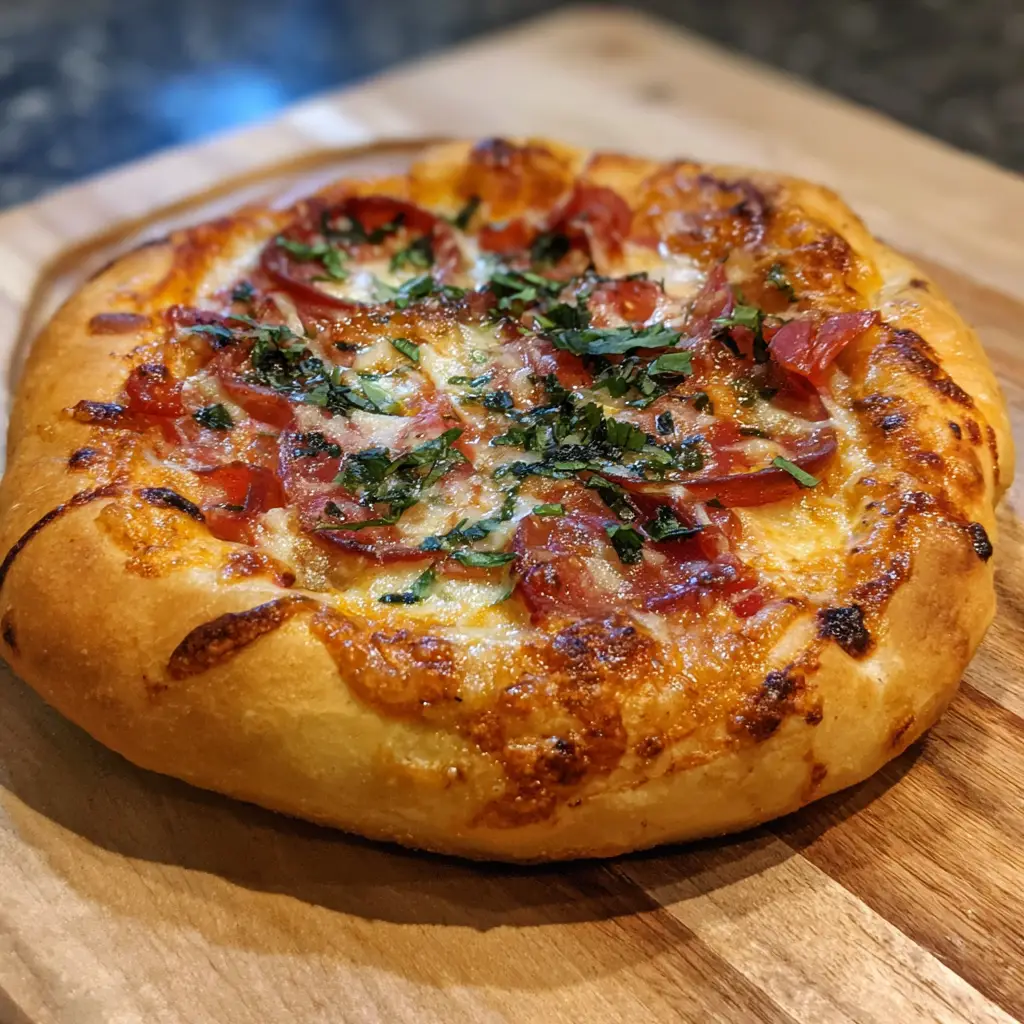
Below is a table of the core ingredients for one standard pizza (roughly 10‑12 inch) along with approximate calorie contribution of each item. These values are estimates and depend on precise brands, portion sizes, and measurement methods.
| Ingredient | Approximate Amount | Estimated Calories* |
|---|---|---|
| All‑purpose flour | 200 g (about 1⅔ cups) | 728 kcal |
| Active dry yeast | 1 tsp (≈ 3.5 g) | 12 kcal |
| Warm water | 125 ml | 0 kcal |
| Olive oil | 1 tbsp (15 ml) | 120 kcal |
| Salt | 1 tsp | 0 kcal |
| Sugar | 1 tsp | 16 kcal |
| Tomato sauce | 100 g | 30 kcal |
| Mozzarella cheese (shredded) | 100 g | 280 kcal |
| Optional toppings (e.g. vegetables, meats) | Varies | e.g. 50–150 kcal |
* The totals here are rough estimates. Your actual calories may differ.
The base (flour, yeast, water, oil, salt, sugar) gives you the dough. The tomato sauce and cheese are the core toppings. Additional vegetables, herbs, or proteins can add more calories.
Step‑by‑Step Cooking Instructions
Below is a stepwise method to prepare your pizza. Read through all steps before you begin so you are ready.
- Prepare the dough
In a bowl mix the warm water and sugar gently. Sprinkle the active dry yeast on top and let it sit for about 5 to 10 minutes until it becomes frothy. That indicates the yeast is active. In a larger bowl, combine the flour and salt. Make a well in the center and pour in the yeast mixture plus olive oil. Stir with a spoon until the mixture starts coming together. Then knead on a lightly floured surface for about 8 to 10 minutes until the dough becomes smooth and elastic. - Allow for rising
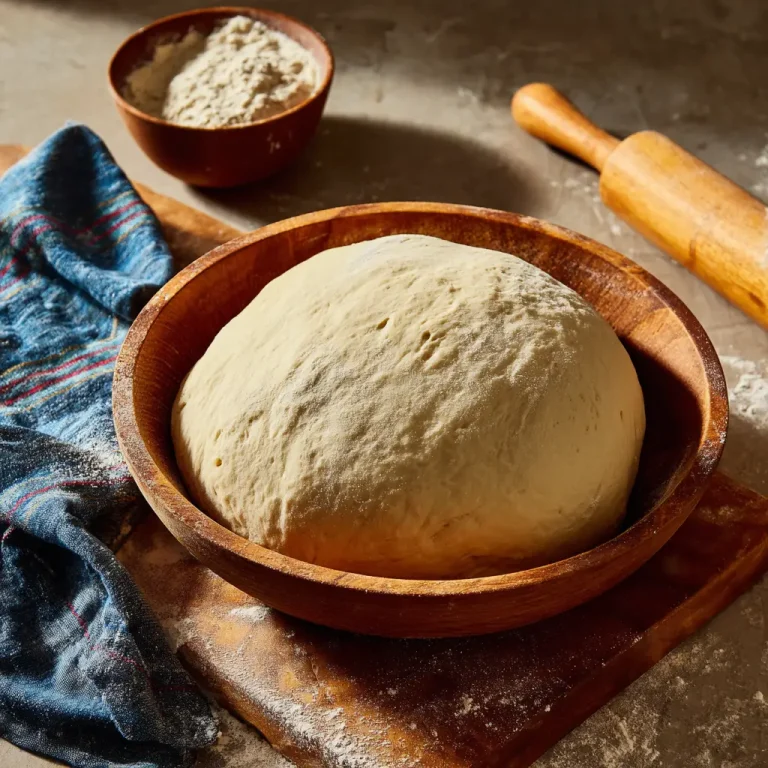
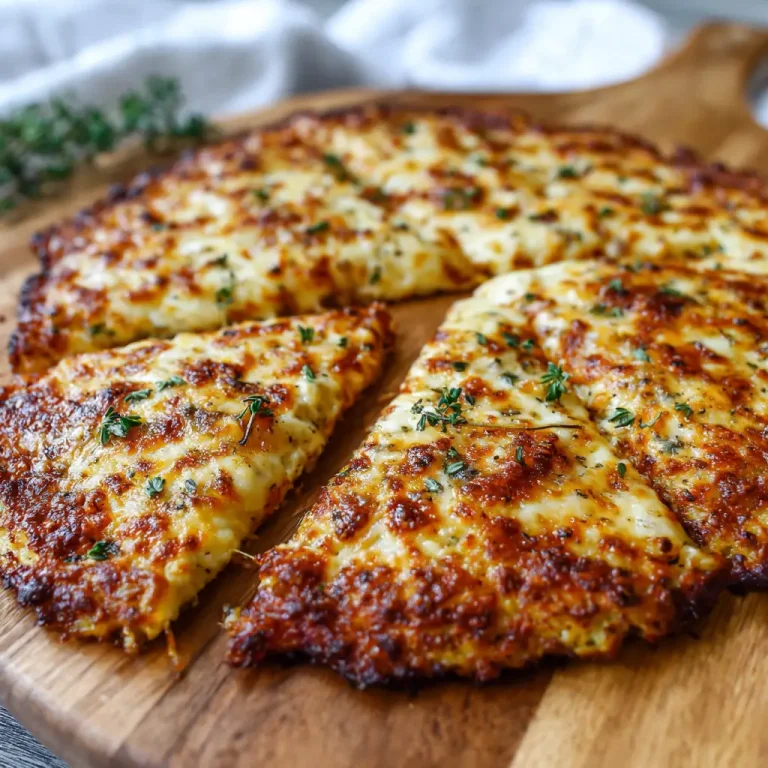
Place the dough in a lightly oiled bowl, cover it with a clean kitchen towel or plastic wrap, and keep it in a warm place (about 25‑30 °C) for about 1 to 1.5 hours. The dough should double in size.To expand your menu, add Cottage Cheese Pizza Crust _ to your must-try list. - Preheat your oven
Preheat the oven to its highest safe temperature—ideally around 250 °C (480–500 °F), or as high your oven allows. Place a baking stone or inverted baking sheet in the oven during preheating to absorb and radiate heat. - Shape the crust
Once the dough has risen, punch it down gently to release large bubbles. Transfer it to a floured surface and stretch or roll it into a circular or rectangular shape with thickness of your choice (thin or thicker crust). If you like a rim, pinch the edges slightly. Transfer your shaped dough to a sheet of parchment or a peel. - Add sauce and cheese
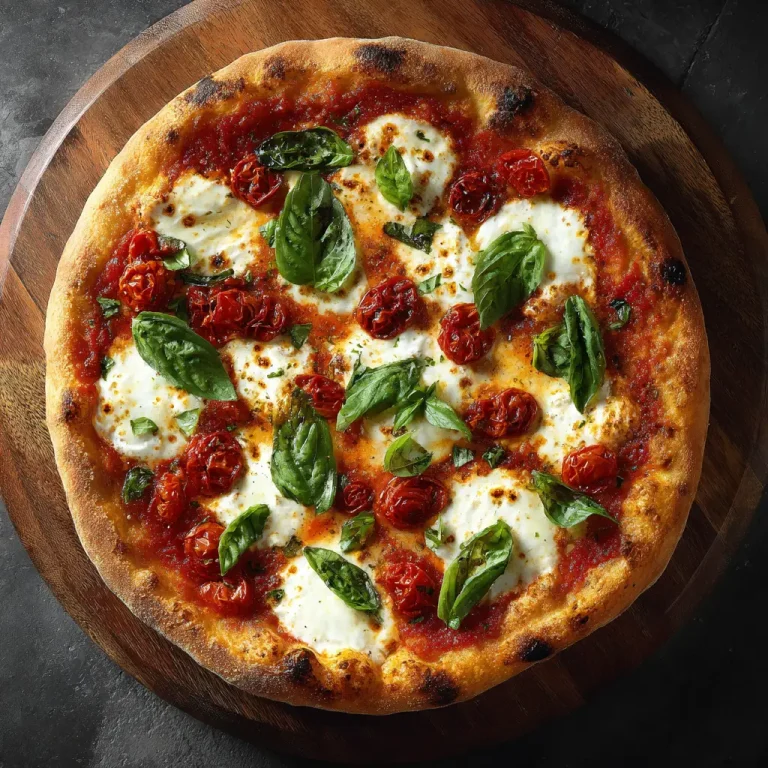
Spread tomato sauce over the surface, leaving a border for the crust. Be careful not to use too much sauce. Then sprinkle or layer the shredded mozzarella evenly. Add any additional toppings at this point—sliced vegetables, cooked meat, fresh herbs, olives, mushrooms, etc. - Bake
Slide the pizza (with parchment) onto the preheated stone or baking sheet. Bake for about 10 to 15 minutes or until the edges are golden brown and cheese is bubbling with slight browning. Rotate midway if your oven heats unevenly. - Finish and rest
Once baked, remove the pizza and let it rest for 2 to 3 minutes. Optionally brush the crust with a little olive oil or sprinkle fresh herbs. Then slice and serve hot.
Tips for Customizing the Recipe
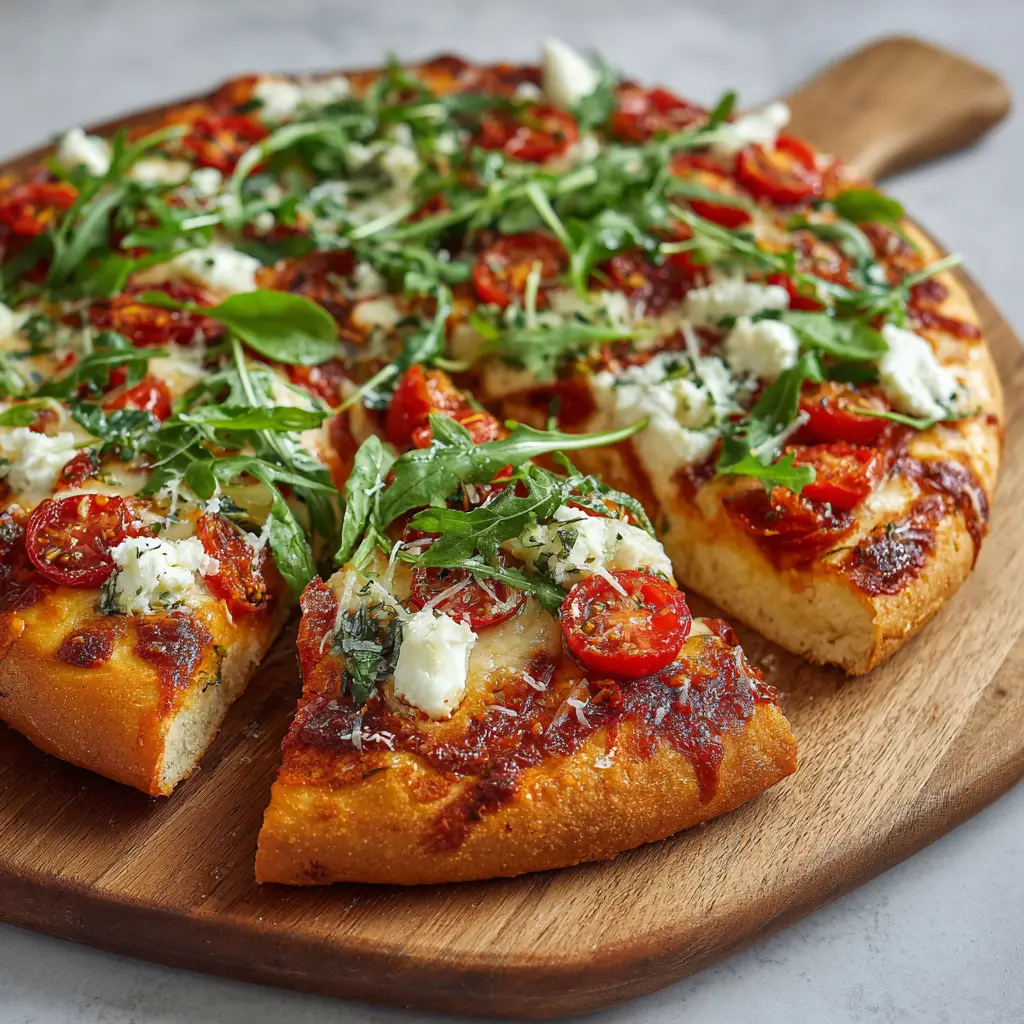
You can tailor this pizza recipe in many creative ways:
- Use whole wheat flour or part whole wheat to boost fiber and give a nutty flavor.
- Try a thin crust or thicker pan style by adjusting thickness and baking time.
- Swap mozzarella for part‑skim mozzarella, or blend mozzarella with a sharper cheese like parmesan or provolone.
- Use a white sauce (cream or garlic sauce) or pesto instead of tomato for a variation.
- Add toppings like bell peppers, onions, spinach, artichokes, olives, grilled chicken, or lean proteins.
- For a spicy twist, sprinkle red chili flakes or drizzle with hot honey after baking.
- Infuse the dough with herbs or minced garlic for extra aroma.
- To reduce calories, use less cheese, skip high fat meats, and load up on veggies.
- For a gluten free version use gluten free flour blends and ensure yeast behavior is suitable.
Nutritional Information
Let’s estimate the nutrition for one pizza made per the recipe above (without heavy additional toppings). Using the table earlier and standard nutrient data sources:
If you cut this pizza into 8 slices, each slice would have roughly:
- Calories: ~ 190 kcal
- Carbohydrates: ~ 27.5 g
- Protein: ~ 6.9 g
- Fat: ~ 6.9 g
Keep in mind that the addition of meats, extra cheese, or heavy toppings will increase these numbers. The nutritional values are estimates based on similar pizza calculations from nutrition sites.
Serving Suggestions
Here are ideas to elevate your pizza presentation and make the meal complete:
- Serve with a crisp green salad dressed simply with lemon and olive oil to balance the richness.
- Add a drizzle of flavored oil (garlic, basil, chili) on top just before serving.
- Accompany with a side of roasted vegetables or grilled zucchini slices.
- Offer optionally crushed red pepper, fresh basil leaves, or chopped fresh parsley.
- Serve pizza while it is hot and fresh so the cheese is still stretchy.
- Pair with a light beverage—iced tea, sparkling water, or a fruit soda.
- Leftovers can be reheated in oven or on a skillet to crisp the crust again.
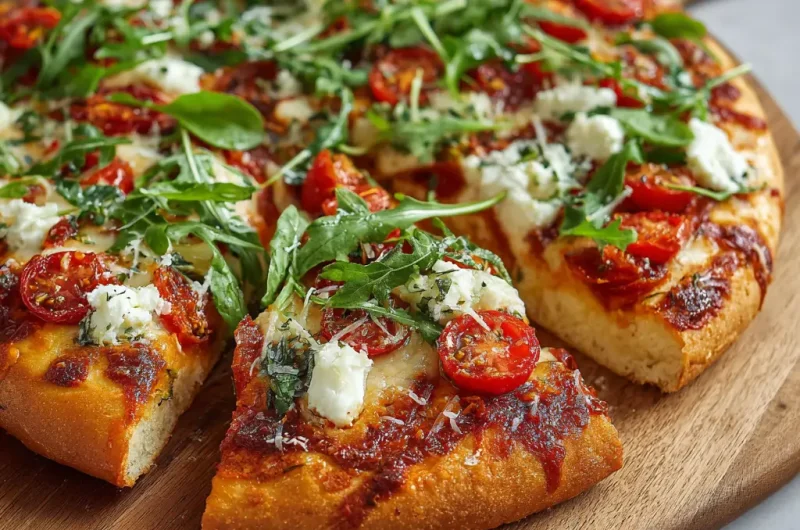
Pizza Recipe for Homemade Perfection – Easy, Authentic, and Delicious
Course: Blog3
servings20
minutes12
minutes500–750
kcalIngredients
For the Dough:
1⅔ cups (200 g) all-purpose flour
1 tsp active dry yeast
½ tsp sugar
125 ml warm water
1 tbsp olive oil
1 tsp salt
For the Toppings:
100 g tomato pizza sauce
100 g shredded mozzarella cheese
Toppings of choice (onions, bell peppers, olives, mushrooms, pepperoni, etc.)
Optional: fresh basil, chili flakes, garlic powder
Directions
- Activate Yeast
- In a small bowl, mix warm water and sugar. Sprinkle yeast over it and let it sit for 5–10 minutes until foamy.
- Make the Dough
- In a large mixing bowl, combine flour and salt. Pour in the yeast mixture and olive oil. Mix until dough begins to form.
- Knead
- Knead on a floured surface for about 8–10 minutes until smooth and elastic.
- Let Dough Rise
- Place dough in a lightly oiled bowl, cover with a clean cloth, and let it rise in a warm place for 1 hour or until doubled in size.
Recipe Video
Notes
- For best results, do not overload the pizza with sauce or toppings, as it can make the crust soggy. Always preheat your oven thoroughly and bake on a hot surface to get a crisp bottom. The dough can be made ahead and stored in the fridge for up to 24 hours—just bring it back to room temperature before using.
Frequently Asked Questions (FAQs)
Do I need to use fresh yeast or dry yeast?
Dry active yeast works well for this recipe. Fresh yeast can be used, but convert carefully (fresh yeast weight is higher). Dry yeast is convenient and more stable.
Can I make pizza dough in advance?
Yes. You can make dough and refrigerate it for 24 hours or even longer (with slower yeast rise) in a sealed container. Bring it to room temperature before shaping.
What temperature should my oven be?
For a crisp crust bake as hot as your oven will safely go—around 230–250 °C or higher if possible. A pizza stone or steel helps maintain heat.
Is it possible to make a low calorie version?
Yes. Use less cheese, lean proteins, more vegetables, and part whole wheat or alternative crusts. Choosing low fat cheese and skipping rich toppings reduces calories significantly.
How do I avoid a soggy crust?
Don’t overload sauce or wet toppings. Preheat the baking surface. Bake fast at high heat. Let the pizza rest so moisture doesn’t pool.
Conclusion
Every time you make pizza at home you both challenge and reward yourself. You get to control textures, flavors, and ingredients. You can keep it simple or dress it up boldly. The recipe above provides a solid foundation. Use it as your launching point: tweak the dough, experiment with toppings, adjust baking style. Over time you will develop a signature pizza that feels truly yours. Enjoy the process, share the slices, and take pleasure in every bite of your handcrafted pizza.