Grazing Board Ideas: Creative Tips, Recipes, and Serving Suggestions
Grazing boards have transformed entertaining into an art form that is both visually stunning and deliciously satisfying. They are versatile, perfect for intimate gatherings, large celebrations, or even as a centerpiece for a casual weekend snack with friends. A well-arranged grazing board not only pleases the palate but also creates a conversation starter. The beauty of these boards lies in their flexibility. You can combine flavors, textures, and colors to craft an experience that is both fun and sophisticated. From fresh fruits and crisp vegetables to creamy cheeses and savory meats, each item contributes to a layered taste journey. Guests enjoy the freedom to sample as they wish, and hosts find joy in the creative process of assembling a board that feels abundant and inviting.
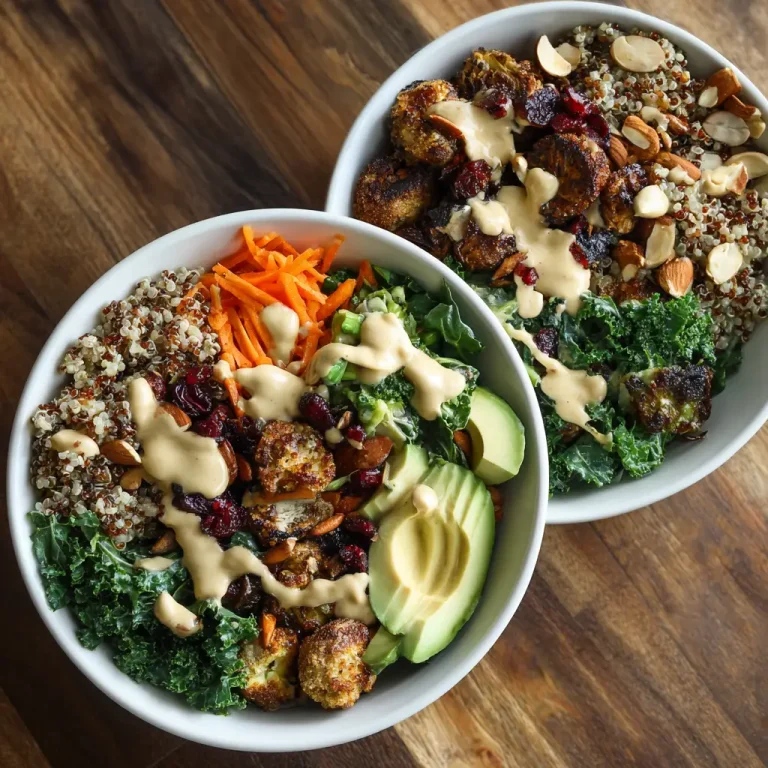
Grazing boards are not just a trend. They are an opportunity to showcase seasonal produce, artisanal treats, and unique flavor combinations. They allow you to highlight local ingredients, experiment with unexpected pairings, and make a meal feel special without the pressure of cooking an entire menu. Each grazing board tells a story through the ingredients chosen, the presentation, and the thoughtful pairing of flavors. Whether it is a classic cheese and charcuterie board, a plant-based creation full of vibrant vegetables and dips, or a decadent sweet board, there is an endless possibility of combinations to suit any taste or occasion.
Ingredients Needed
Creating a grazing board starts with selecting a balance of flavors and textures. Below is a suggested list of ingredients along with their approximate calorie count per serving to help you maintain both taste and awareness of nutrition.
| Ingredient | Calorie Count per Serving |
|---|---|
| Brie Cheese | 100 calories |
| Aged Cheddar | 115 calories |
| Blue Cheese | 90 calories |
| Prosciutto | 70 calories |
| Salami | 80 calories |
| Grapes | 60 calories |
| Strawberries | 50 calories |
| Dried Apricots | 45 calories |
| Almonds | 160 calories |
| Walnuts | 180 calories |
| Mixed Olives | 50 calories |
| Crackers | 120 calories |
| Fresh Baguette Slices | 90 calories |
| Hummus | 70 calories |
| Dark Chocolate | 120 calories |
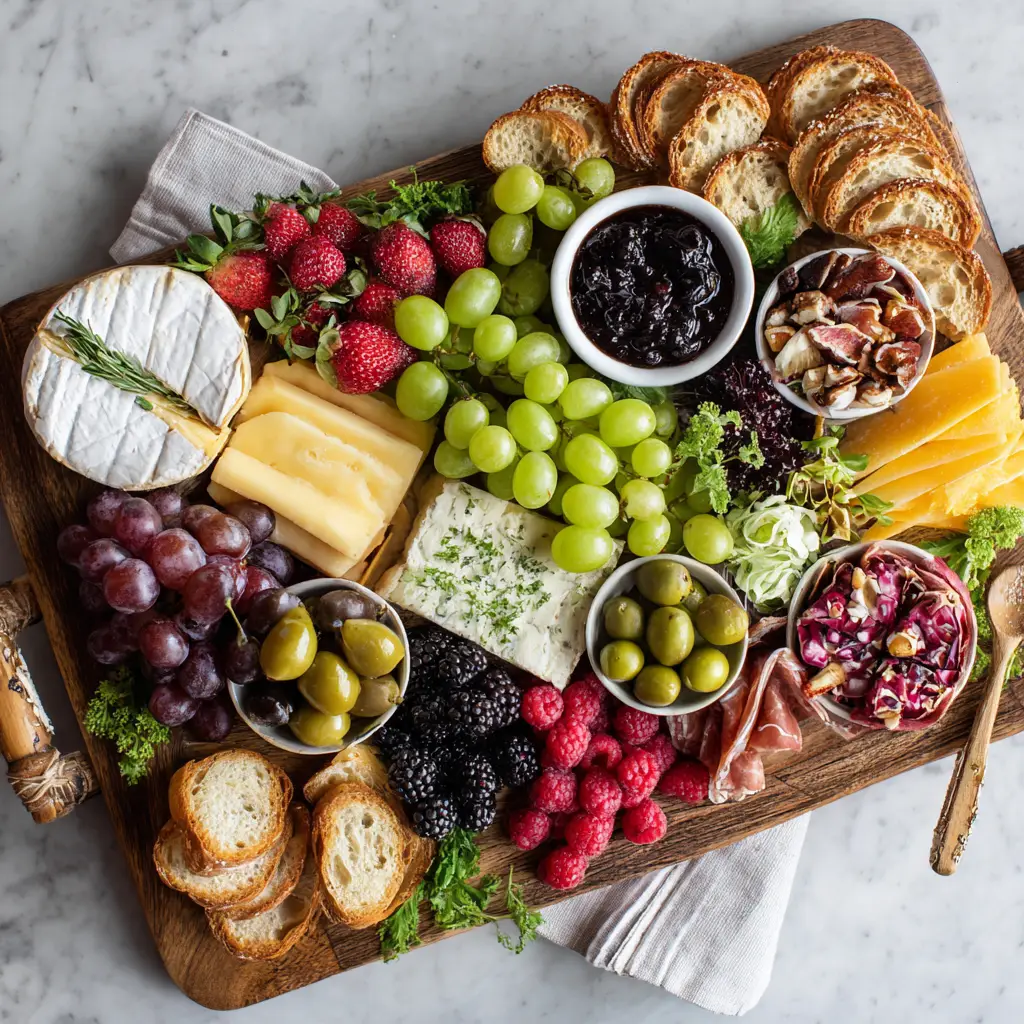
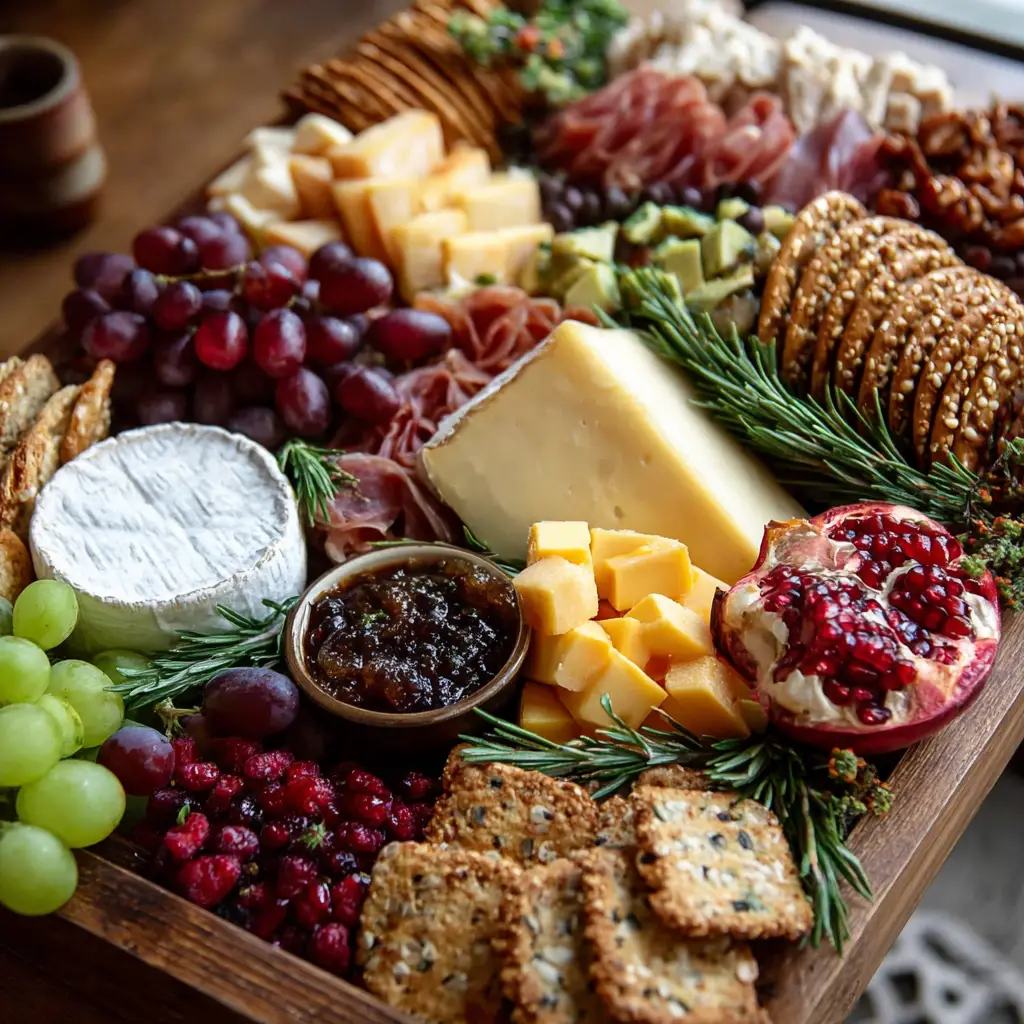
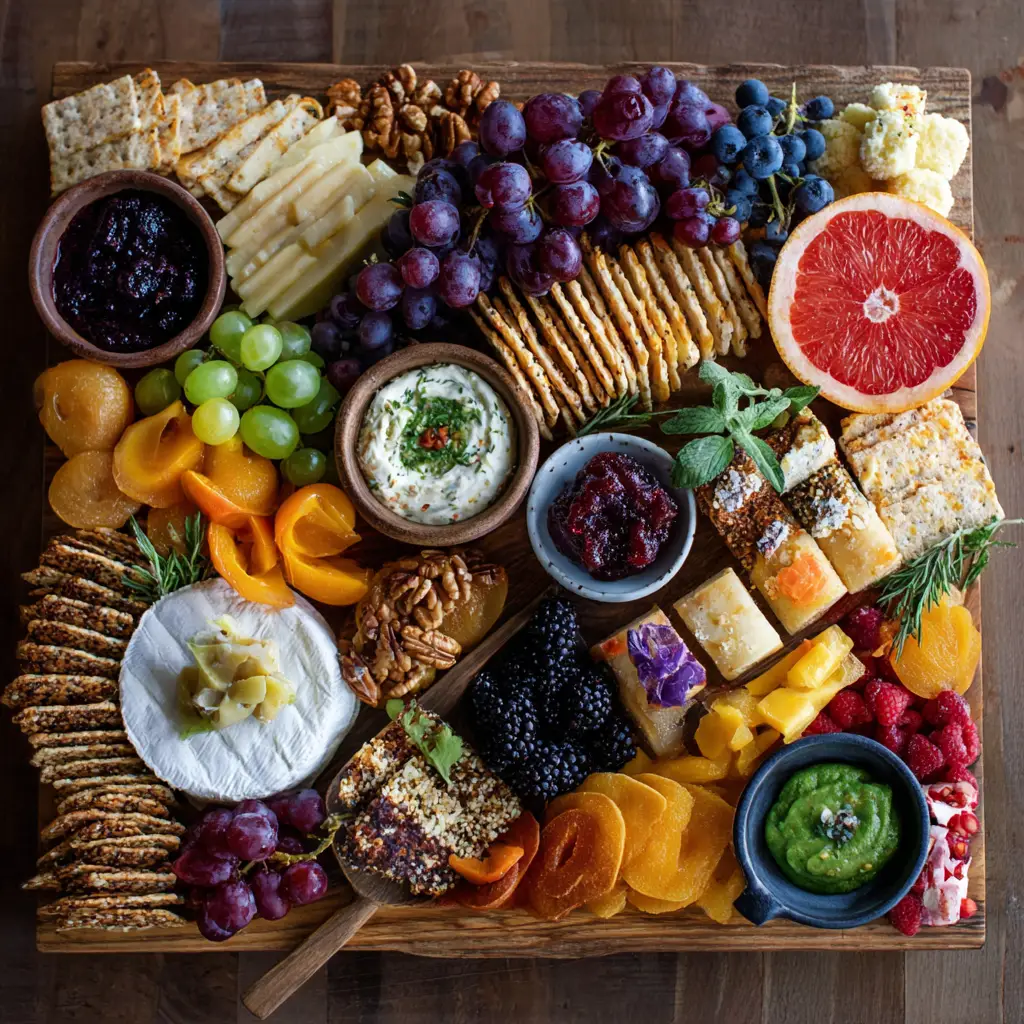
Selecting a mix of soft and hard cheeses provides contrast, while fresh and dried fruits introduce both sweetness and visual appeal. Nuts and crackers add crunch, and cured meats bring savory depth. Including a variety of dips such as hummus or flavored spreads can elevate the overall experience.
Step-by-Step Cooking Instructions
- Begin by choosing a large wooden or slate board. The size should accommodate the number of guests and ingredients without overcrowding.
- Place the largest items on the board first. This often includes cheese blocks or wedges, small bowls for dips, and any spreads you plan to include.
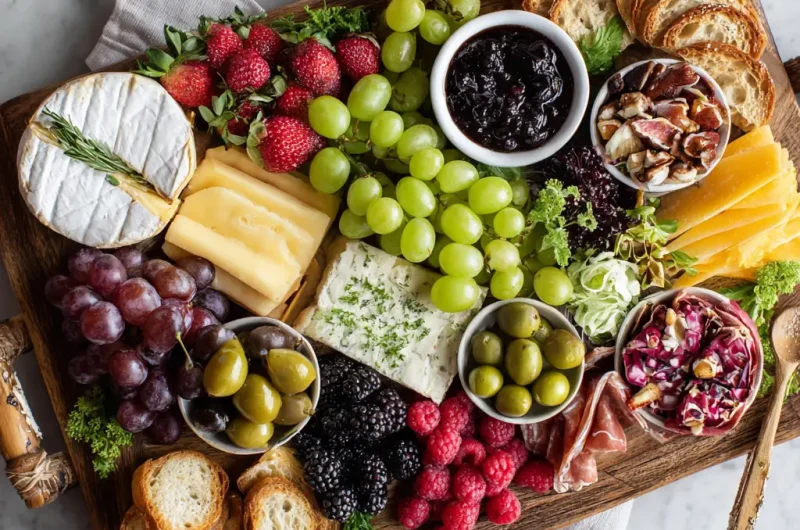
- Arrange cured meats in folds or rolls around the cheeses. This technique adds height and visual interest while keeping everything easy to grab.
- Fill empty spaces with fruits. Grapes can be left in clusters, strawberries halved for color, and dried fruits scattered to add texture.
- Add nuts and crackers in small piles, making sure they are easily reachable from multiple angles. This also creates natural boundaries between different flavors.
- Place olives, pickles, or other small condiments in separate bowls to avoid moisture affecting the board.
- Garnish with fresh herbs such as rosemary or thyme. These provide aroma and a pop of green without overpowering the flavors.
- Step back and evaluate the board visually. Make adjustments to balance colors, textures, and overall layout. Aim for a harmonious mix that is inviting from every side.
Tips for Customizing the Recipe
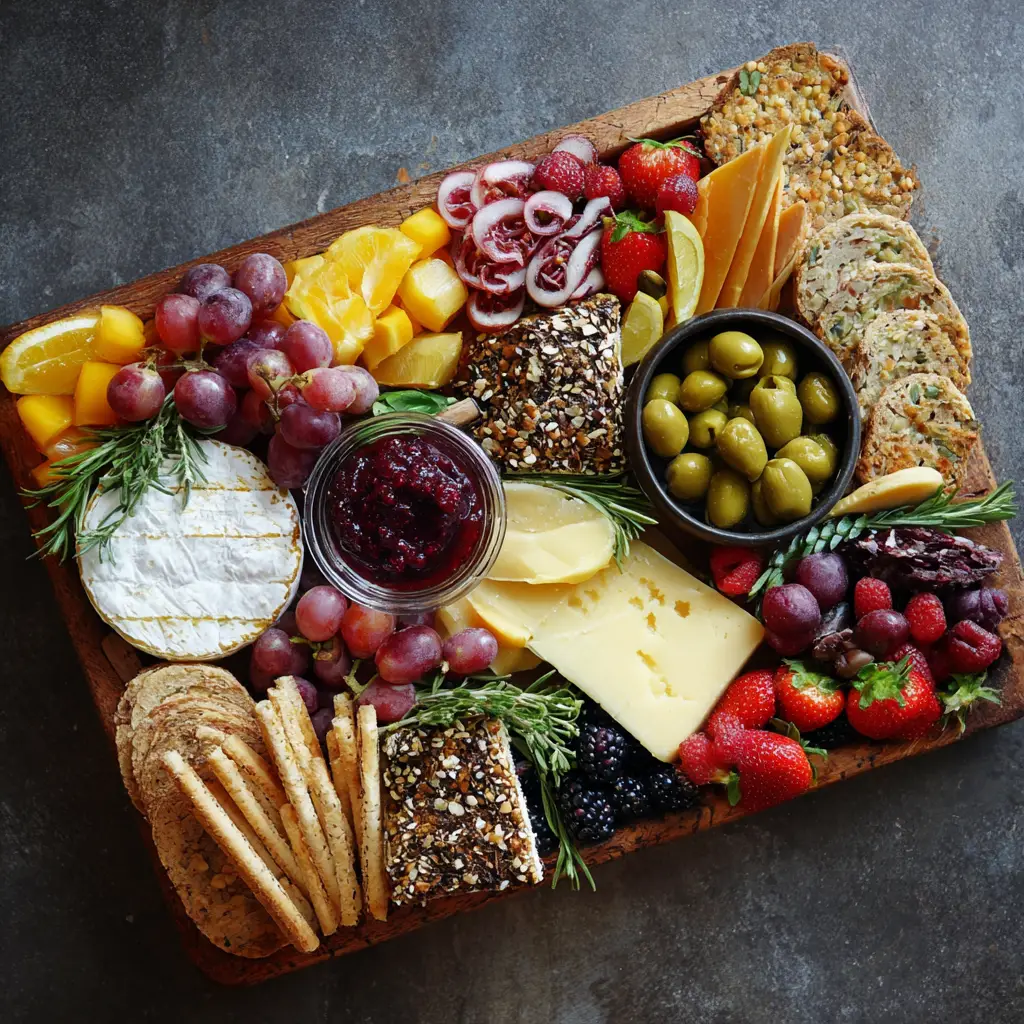
Customizing a grazing board allows you to cater to personal tastes, dietary restrictions, or seasonal availability. Incorporating locally sourced ingredients can elevate both flavor and presentation. For a vegetarian option, replace cured meats with marinated vegetables, roasted nuts, and plant-based cheeses. Sweet tooth enthusiasts may enjoy a dessert grazing board featuring chocolate, macarons, and fresh berries. Consider texture when customizing: soft cheeses, crunchy nuts, chewy dried fruits, and crisp crackers work together to create a satisfying variety. Adding small labels for each item can help guests navigate the board while also adding a professional touch. Color plays a key role; pairing bright red strawberries with green grapes or orange apricots with dark chocolate creates visual appeal that is almost too beautiful to eat.
Nutritional Information
Grazing boards provide a balanced mix of macronutrients when carefully curated. Cheeses and meats are rich in protein and fats, providing energy and satiety. Fruits and vegetables contribute vitamins, minerals, and dietary fiber that support overall health. Nuts and seeds offer heart-healthy fats along with additional protein. Portion control is naturally encouraged, as guests sample multiple items rather than committing to a single large plate. Awareness of calories per serving helps maintain balance while enjoying indulgent flavors. For those monitoring sodium intake, limiting cured meats or selecting low-sodium options can make the board healthier without compromising taste. Adding whole grain crackers or bread slices can increase fiber content and contribute to a more filling experience.
Serving Suggestions
Grazing boards are highly versatile in serving. They are perfect for brunches, afternoon teas, cocktail parties, or even casual family gatherings. Pairing the board with a selection of wines or sparkling beverages enhances the flavors of cheeses and meats. For non-alcoholic options, fresh juices, flavored waters, or herbal teas complement both sweet and savory items. Arrange the board near the center of the table to encourage mingling and conversation. Small plates and utensils help guests navigate the assortment comfortably. Boards can also be themed based on holidays, seasons, or color schemes. For example, a spring-themed board might feature edible flowers, fresh strawberries, and light cheeses, while a winter board could include dark chocolates, dried figs, and robust cheeses.
Grazing Board Ideas: Creative Tips, Recipes, and Serving Suggestions
Course: Blog10
servings15
minutes2
minutes90
kcalIngredients
2 medium yellow squash, sliced into ½ inch rounds
1 tablespoon olive oil
½ teaspoon garlic powder
½ teaspoon paprika
¼ teaspoon salt
¼ teaspoon black pepper
Fresh parsley for garnish (optional)
Directions
- Preheat the air fryer to 375°F (190°C).
- In a large bowl, toss the squash slices with olive oil, garlic powder, paprika, salt, and black pepper until evenly coated.
- Arrange the squash in a single layer in the air fryer basket. Avoid overcrowding to ensure even cooking.
- Cook for 12-15 minutes, shaking the basket halfway through for even crisping.
- Check for tenderness; squash should be golden and slightly crispy on the edges.
- Transfer to a serving plate and garnish with fresh parsley if desired. Serve immediately.
Recipe Video
Notes
- You can use zucchini instead of yellow squash if preferred.
For extra flavor, sprinkle parmesan cheese on the squash after cooking.
Cooking time may vary depending on the size and thickness of squash slices.
Frequently Asked Questions
What makes a grazing board visually appealing?
A variety of colors, textures, and heights makes a board visually attractive. Combining soft and hard cheeses, bright fruits, and crunchy elements creates balance.
Can grazing boards be made ahead of time?
Yes. Assemble most of the board, but add fresh fruits, herbs, and crackers shortly before serving to maintain freshness and crunch.
How do I make a board for dietary restrictions?
Substitute ingredients based on preferences. Use plant-based cheeses, gluten-free crackers, or omit nuts for allergies while maintaining flavor variety.
What is the best way to arrange items?
Place large items first, then fold or roll meats around them. Fill spaces with fruits and nuts, and finish with small condiments or dips.
How do I prevent cheeses from drying out?
Keep cheeses in small wedges and cover the board lightly with plastic wrap until serving. Use bowls for soft or spreadable cheeses to maintain moisture.
Conclusion
Grazing boards elevate any occasion with their combination of taste, texture, and visual delight. They provide a relaxed way to entertain while allowing creativity and personal expression to shine. Each board can be tailored to suit dietary preferences, seasonal availability, and the number of guests. Attention to presentation, balance of flavors, and careful selection of ingredients ensures that the board is both appetizing and aesthetically pleasing. Crafting a grazing board is more than assembling food; it is an experience that brings people together, encourages conversation, and celebrates the joy of sharing delicious bites. By experimenting with colors, textures, and flavors, hosts can create a grazing board that leaves a lasting impression and keeps guests returning for more.