Soup Recipes for Every Taste | Easy and Delicious Homemade Soups
Introduction
Soup has long been one of the most comforting and versatile dishes in kitchens worldwide. Whether you crave something rich and hearty or light and refreshing, soup offers an endless array of possibilities to suit any taste or occasion. From the creamy indulgence of a classic tomato bisque to the wholesome warmth of a vegetable stew, the art of soup making invites creativity and nourishment in equal measure.
Every spoonful of soup tells a story—sometimes it’s a nostalgic memory of family dinners, and other times it’s an exciting exploration of new flavors and ingredients. Soups can be simple or sophisticated, quick to prepare or slow-cooked for deeper complexity. Regardless of your cooking skills, a well-crafted soup can brighten any meal and bring a cozy sense of satisfaction to the table. Learning how to make soup at home not only allows control over ingredients and flavors but also makes it easier to tailor dishes to dietary needs and preferences.
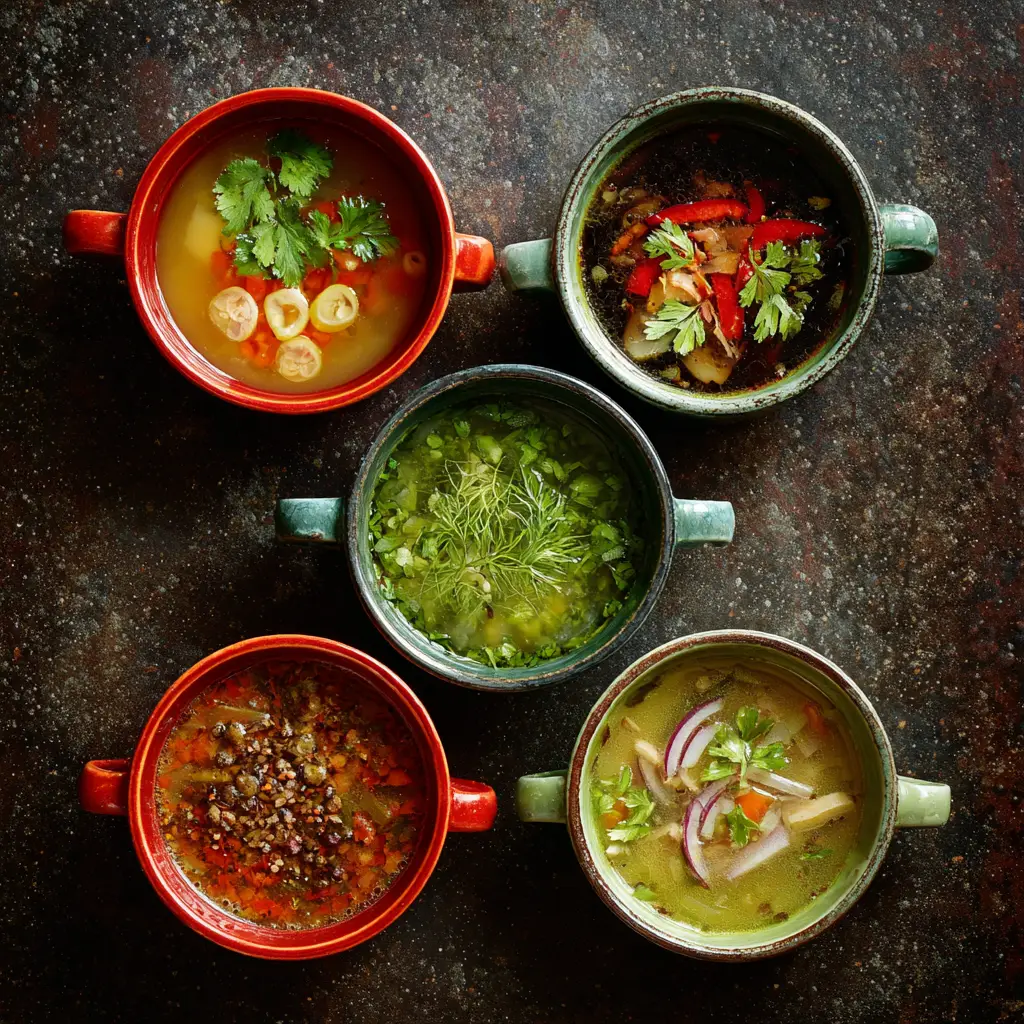
This guide dives into the essentials of preparing a delicious soup recipe, focusing on approachable steps and helpful tips. You will find a detailed ingredients list, clear cooking instructions, useful ways to customize your soup, nutritional insights, and creative serving ideas. Each section has been designed to make your cooking journey both enjoyable and rewarding. Let’s get started with a recipe that will surely become a favorite in your kitchen.
Ingredients Needed
Creating a soup that’s rich in flavor and nutrition starts with selecting fresh, quality ingredients. The table below lists the essentials for a classic vegetable soup recipe, complete with the calorie content for each component. These values are approximate and can vary based on brand and portion size.
| Ingredient | Quantity | Calories (Approximate) |
|---|---|---|
| Olive oil | 2 tablespoons | 240 |
| Onion | 1 medium | 44 |
| Garlic cloves | 3 cloves | 13 |
| Carrots | 2 medium | 50 |
| Celery stalks | 2 stalks | 20 |
| Potatoes | 2 medium | 260 |
| Tomatoes (diced) | 1 can (14 oz) | 70 |
| Green beans | 1 cup | 44 |
| Vegetable broth | 4 cups | 60 |
| Bay leaf | 1 | 0 |
| Salt | To taste | 0 |
| Black pepper | To taste | 0 |
| Fresh parsley | 2 tablespoons | 2 |
These ingredients combine to create a balanced, hearty soup filled with vitamins, minerals, and fiber, while keeping calorie content moderate. Adjustments can be made easily, whether you want to add protein or increase the vegetable variety.
Step-by-Step Cooking Instructions
Preparing soup from scratch may feel intimidating at first, but following a structured process simplifies everything. Here’s a straightforward guide to making a delicious vegetable soup:
- Prepare the vegetables: Peel and chop the onion, carrots, celery, and potatoes into bite-sized pieces. Mince the garlic cloves finely to release their aroma.
- Heat the oil: In a large soup pot or Dutch oven, warm the olive oil over medium heat. Add the chopped onion and cook for about 5 minutes, stirring occasionally until it turns translucent and soft.Another classic you shouldn’t miss is Broccoli Soup_ which complements this dish well.
- Add garlic and vegetables: Stir in the minced garlic, carrots, and celery. Cook for another 3 to 4 minutes to allow the flavors to develop.
- Incorporate potatoes and broth: Add the diced potatoes and pour in the vegetable broth. Toss in the bay leaf and season with salt and pepper. Bring the mixture to a boil.
- Simmer the soup: Reduce the heat to low and let the soup simmer gently for 20 minutes or until the potatoes and carrots become tender.
- Add tomatoes and green beans: Stir in the diced tomatoes and green beans. Cook for an additional 10 minutes to blend the flavors and soften the beans.
- Final seasoning and garnish: Remove the bay leaf. Taste the soup and adjust salt or pepper if needed. Sprinkle fresh parsley on top before serving.
This step-by-step process ensures that the vegetables release their flavors gradually, resulting in a rich and satisfying broth. Keeping the ingredients in distinct stages allows for better texture and taste balance.

Tips for Customizing the Recipe
One of the best aspects of soup making lies in the ability to personalize each batch according to preferences or available ingredients. Here are some ideas to elevate your soup and tailor it to your liking:
- Add protein: Incorporate cooked shredded chicken, diced tofu, or beans like chickpeas or lentils to make the soup more filling and nutritious.
- Use different vegetables: Swap green beans for zucchini, spinach, or kale. Mushrooms can add umami depth while peas introduce a pop of sweetness.
- Spice it up: Add red pepper flakes, smoked paprika, or a dash of curry powder for a spicy twist.
- Creamy texture: Blend a portion of the soup or add coconut milk or cream to create a luscious, velvety consistency.
- Herbs and aromatics: Experiment with thyme, rosemary, basil, or bay leaves to change the flavor profile.
- Make it gluten-free: Confirm that your broth is gluten-free and avoid croutons or bread toppings.
Customizing soup recipes is a rewarding way to make each meal feel special. By switching up ingredients or seasonings, the same basic recipe can yield countless delicious variations.
Nutritional Information
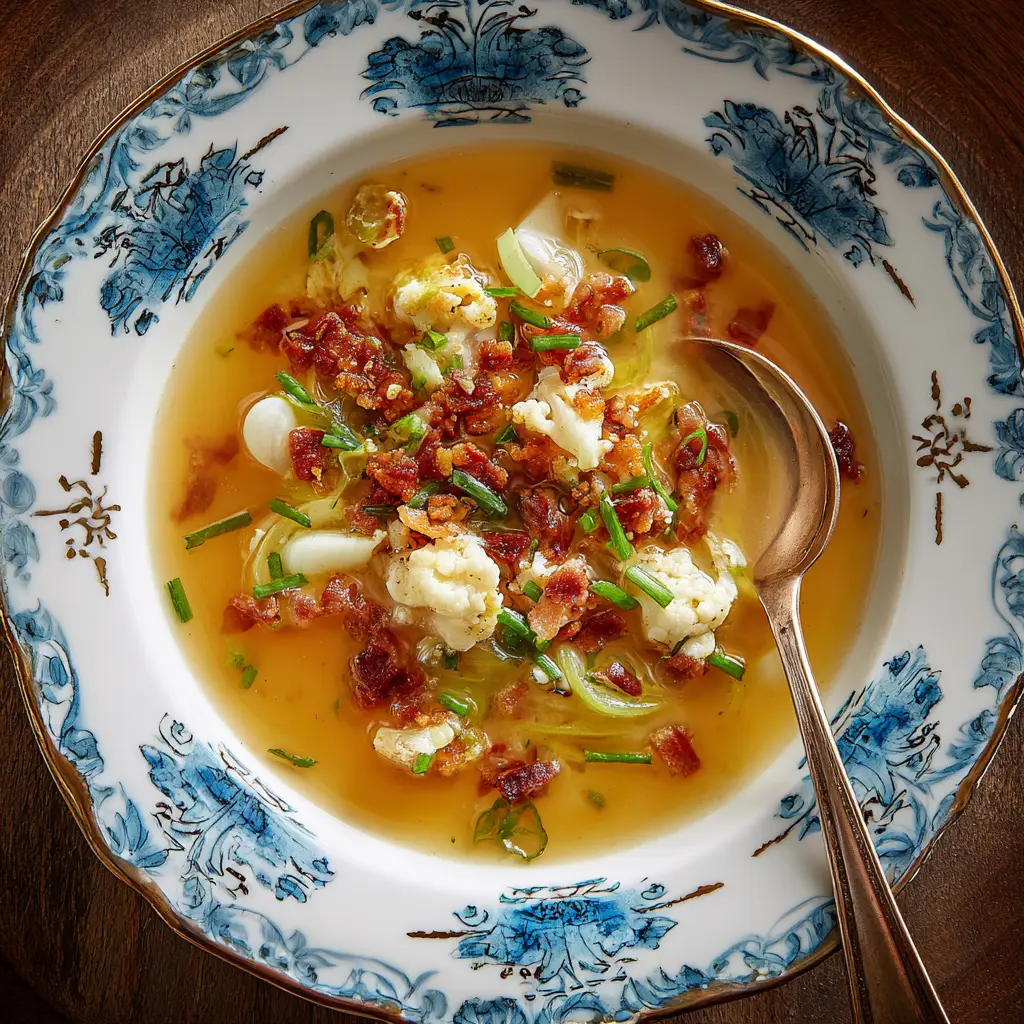
Soup can be a nutrient-dense option that supports a balanced diet. The classic vegetable soup outlined here provides fiber, vitamins A and C, potassium, and antioxidants. The olive oil contributes healthy fats, while the vegetables supply carbohydrates and plant-based protein.
A typical serving of this vegetable soup contains around 150 to 200 calories, making it an excellent choice for weight management or light meals. Low in saturated fat and cholesterol, this soup promotes heart health and digestion. Adding lean protein or legumes will increase the protein content, enhancing satiety.
Beyond calories, soups are hydrating and comforting, making them ideal for colder months or recovery days. Homemade soup also avoids preservatives and excess sodium often found in store-bought canned options.
Serving Suggestions
Soup shines both as a standalone dish and as part of a larger meal. Here are a few ideas to elevate your serving experience:
- With crusty bread: A warm baguette or whole-grain roll is perfect for dipping.
- Topped with cheese: Sprinkle grated Parmesan or crumbled feta on top for added richness.
- Side salad: A fresh green salad with vinaigrette pairs well, balancing textures and flavors.
- Garnished with herbs: Fresh chopped basil, cilantro, or dill can brighten the dish visually and in taste.
- With a squeeze of lemon: A dash of lemon juice enhances brightness and lifts the overall flavor.
- Accompanied by a sandwich: Pairing soup with a grilled cheese or turkey sandwich creates a satisfying combo.
These serving options add variety and make your soup meals more interesting, ensuring they remain a favorite in your dining rotation.

Soup Recipes for Every Taste | Easy and Delicious Homemade Soups
Course: Blog4
servings15
minutes40
minutes180
kcalIngredients
2 tablespoons olive oil
1 medium onion, chopped
3 garlic cloves, minced
2 medium carrots, chopped
2 celery stalks, chopped
2 medium potatoes, diced
1 can (14 oz) diced tomatoes
1 cup green beans, trimmed and chopped
4 cups vegetable broth
1 bay leaf
Directions
- Heat olive oil in a large pot over medium heat. Add the chopped onion and sauté until translucent, about 5 minutes.
- Stir in minced garlic, carrots, and celery; cook for another 3 to 4 minutes until fragrant.
- Add diced potatoes, vegetable broth, and bay leaf. Season with salt and pepper. Bring to a boil.
- Reduce heat and simmer for 20 minutes, until potatoes and carrots are tender.
Recipe Video
Notes
- Feel free to customize this soup by adding your favorite vegetables or protein like beans or shredded chicken. For a creamier texture, blend a portion of the soup or add a splash of cream. Store leftovers in an airtight container in the fridge for up to 4 days or freeze for longer storage.
Frequently Asked Questions
What is the best way to store leftover soup?
Store leftover soup in an airtight container in the refrigerator for up to four days. For longer storage, freeze portions in freezer-safe containers for up to three months.
Can I use homemade broth instead of store-bought?
Absolutely. Homemade broth enhances flavor and allows control over sodium and additives.
How do I make the soup thicker?
To thicken soup, you can puree a portion of it and stir it back in or add a slurry made from flour or cornstarch mixed with water.
Is it possible to make this soup in a slow cooker?
Yes, combine all ingredients except delicate greens or herbs in a slow cooker. Cook on low for 6 to 8 hours. Add greens and fresh herbs during the last 15 minutes.
Can I prepare this soup ahead of time?
Soups often taste better the next day after flavors meld. Prepare in advance and reheat gently.
Conclusion
Soup recipes offer a world of culinary possibilities that nourish both body and soul. They encourage experimentation with fresh ingredients, promote healthy eating habits, and provide endless comfort on chilly days or when you need a simple, wholesome meal. Following the steps shared here opens the door to making soup a staple in your kitchen, whether for quick weekday dinners or leisurely weekend cooking.