Pizza Sauce Recipe: Easy Homemade Sauce for Authentic Flavor
Introduction
Crafting the perfect pizza sauce is an art that transforms a simple dough and cheese combination into a mouthwatering delight. The magic of pizza often begins with the sauce. A good pizza sauce blends vibrant flavors that complement the toppings without overpowering them. Imagine biting into a slice where the tangy tomato base perfectly balances the richness of melted cheese and the crunch of a golden crust. Achieving this balance requires a sauce that is fresh, flavorful, and just right in texture.
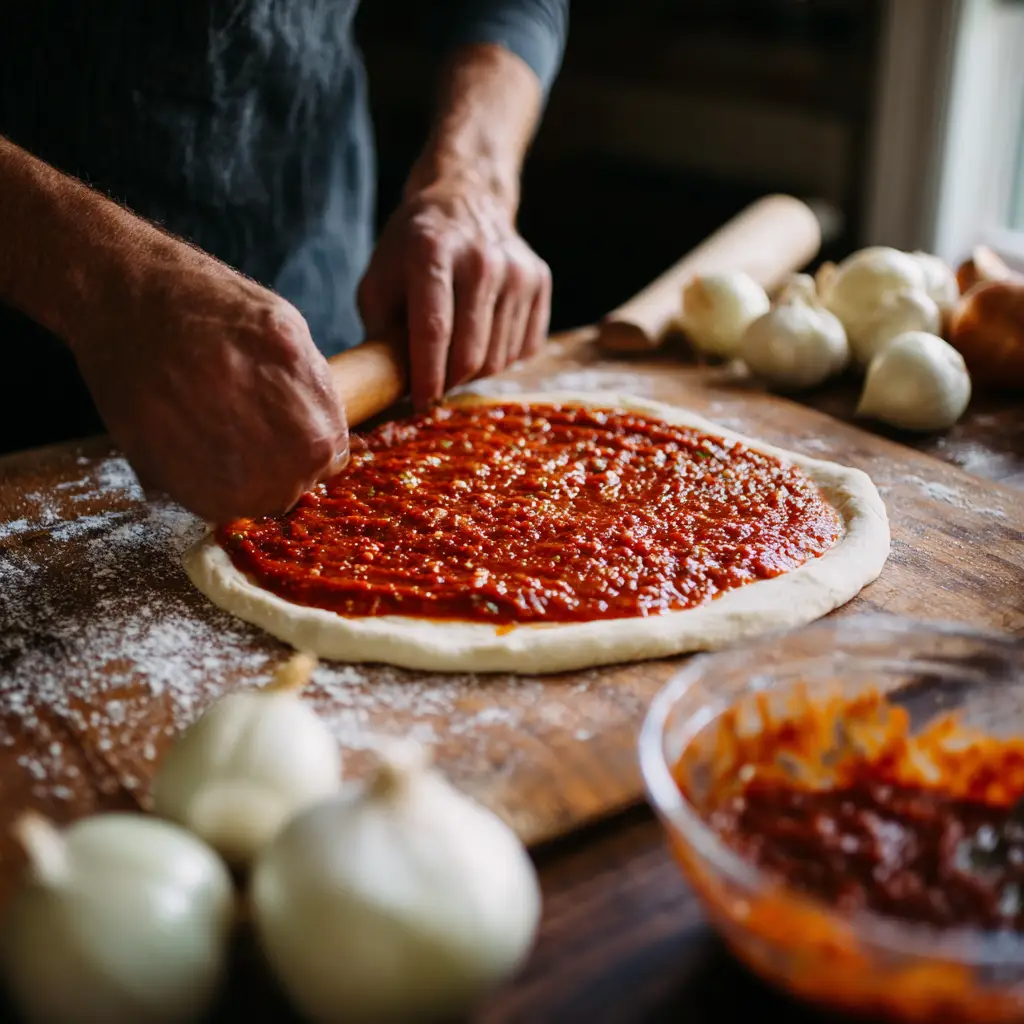
Homemade pizza sauce elevates your pizza experience beyond what store-bought options can offer. It brings freshness, control over ingredients, and the ability to tailor flavors exactly to your taste. Whether you prefer a sauce with a hint of sweetness, a punch of garlic, or a touch of herbaceous freshness, making pizza sauce at home gives you all the creative freedom. Not only does it boost the quality of your pizza, but it also fills your kitchen with an irresistible aroma that sets the tone for a cozy meal with friends or family.
Ingredients Needed
Below is a simple list of ingredients required to make authentic and delicious pizza sauce from scratch. Each ingredient contributes not only to flavor but also to the nutritional value of the sauce.
| Ingredient | Quantity | Calories per Serving |
|---|---|---|
| Canned Tomatoes | 1 can (14 oz) | 70 |
| Olive Oil | 2 tablespoons | 240 |
| Garlic Cloves | 2 cloves, minced | 9 |
| Dried Oregano | 1 teaspoon | 3 |
| Dried Basil | 1 teaspoon | 1 |
| Salt | 1/2 teaspoon | 0 |
| Black Pepper | 1/4 teaspoon | 1 |
| Sugar | 1 teaspoon | 16 |
This combination ensures the sauce is both nutritious and full of flavor. Tomatoes serve as the base rich in vitamins and antioxidants. Olive oil adds healthy fats and depth, while garlic and herbs provide aromatic complexity.
Step-by-Step Cooking Instructions
Creating pizza sauce at home is straightforward. Follow these steps to achieve the perfect consistency and taste.
- Prepare the Tomatoes: Start by draining the canned tomatoes to remove excess liquid. Crush the tomatoes gently by hand or with a spoon until they reach a chunky but saucy consistency.
- Heat the Olive Oil: In a medium saucepan, warm the olive oil over medium heat. This process helps release the flavors of the garlic and herbs later added.
- Sauté the Garlic: Add minced garlic to the warmed oil. Stir frequently and cook until fragrant but not browned, about 1 to 2 minutes. Browning garlic too much can make it bitter.
- Combine Ingredients: Pour the crushed tomatoes into the saucepan. Stir well to mix with the garlic-infused oil.
- Add Herbs and Seasoning: Sprinkle in the dried oregano, dried basil, salt, pepper, and sugar. Stir thoroughly to evenly distribute the spices.
- Simmer the Sauce: Reduce heat to low and let the sauce simmer gently for 20 to 30 minutes. Stir occasionally to prevent sticking. This simmering step allows the flavors to meld and the sauce to thicken.
- Adjust Consistency: If the sauce is too thick, add a tablespoon of water at a time until you reach your preferred texture. If too thin, simmer longer to reduce excess liquid.
- Final Taste Check: Before turning off the heat, taste the sauce. Adjust salt, sugar, or herbs if needed.
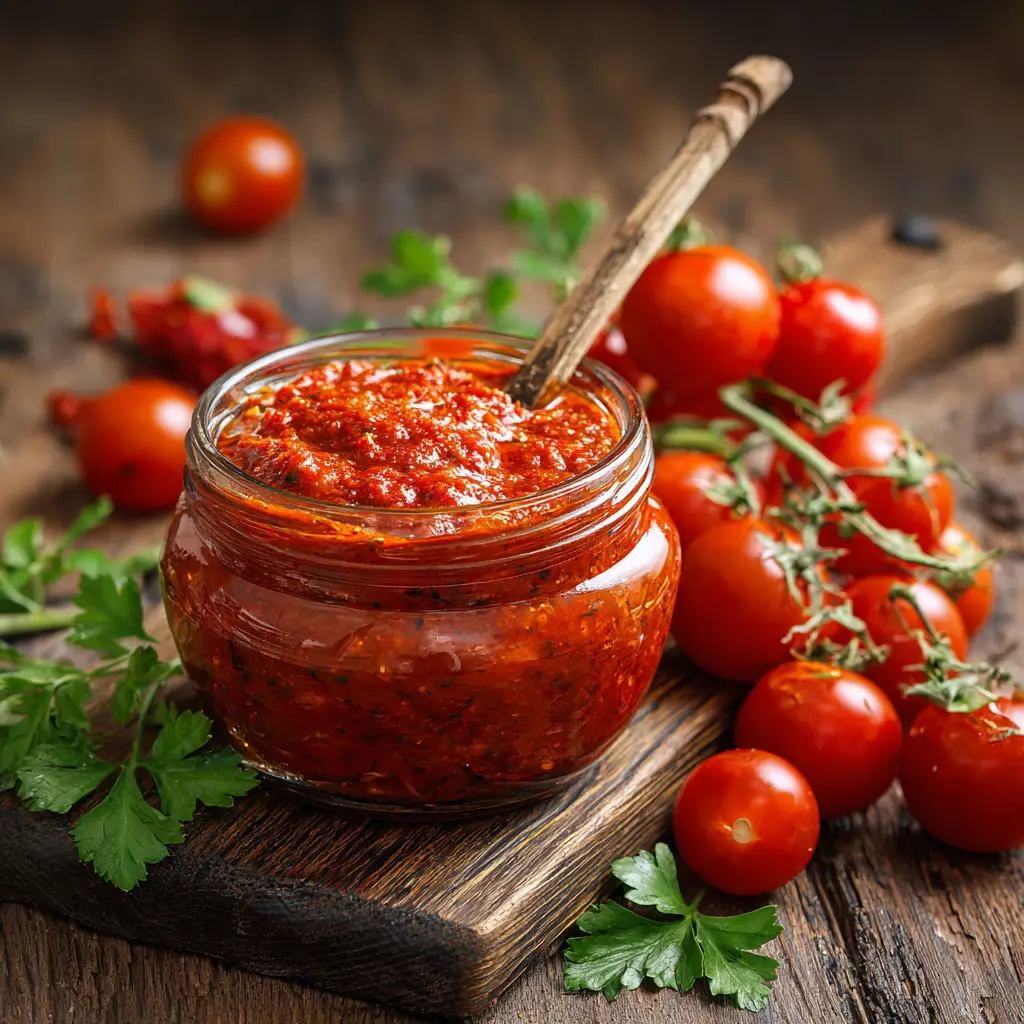
Tips for Customizing the Recipe
Every pizza lover has a unique flavor preference, and this pizza sauce recipe can be easily adapted to match.
- Add Red Pepper Flakes: For those who enjoy a spicy kick, adding red pepper flakes during the simmering stage adds warmth without overwhelming the other flavors.
- Fresh Herbs: Swap dried oregano and basil for fresh versions at the end of cooking for a brighter, fresher taste.
- Roasted Garlic: Replace raw garlic with roasted garlic for a sweeter, milder garlic flavor that adds richness.
- Caramelized Onions: Stir in finely caramelized onions for an added layer of sweetness and complexity.
- No Sugar Option: For a completely natural version, omit the sugar and rely on the natural sweetness of tomatoes and caramelized onions.
- Smoky Flavor: A touch of smoked paprika can infuse a subtle smoky undertone, perfect for barbecue or meat-topped pizzas.
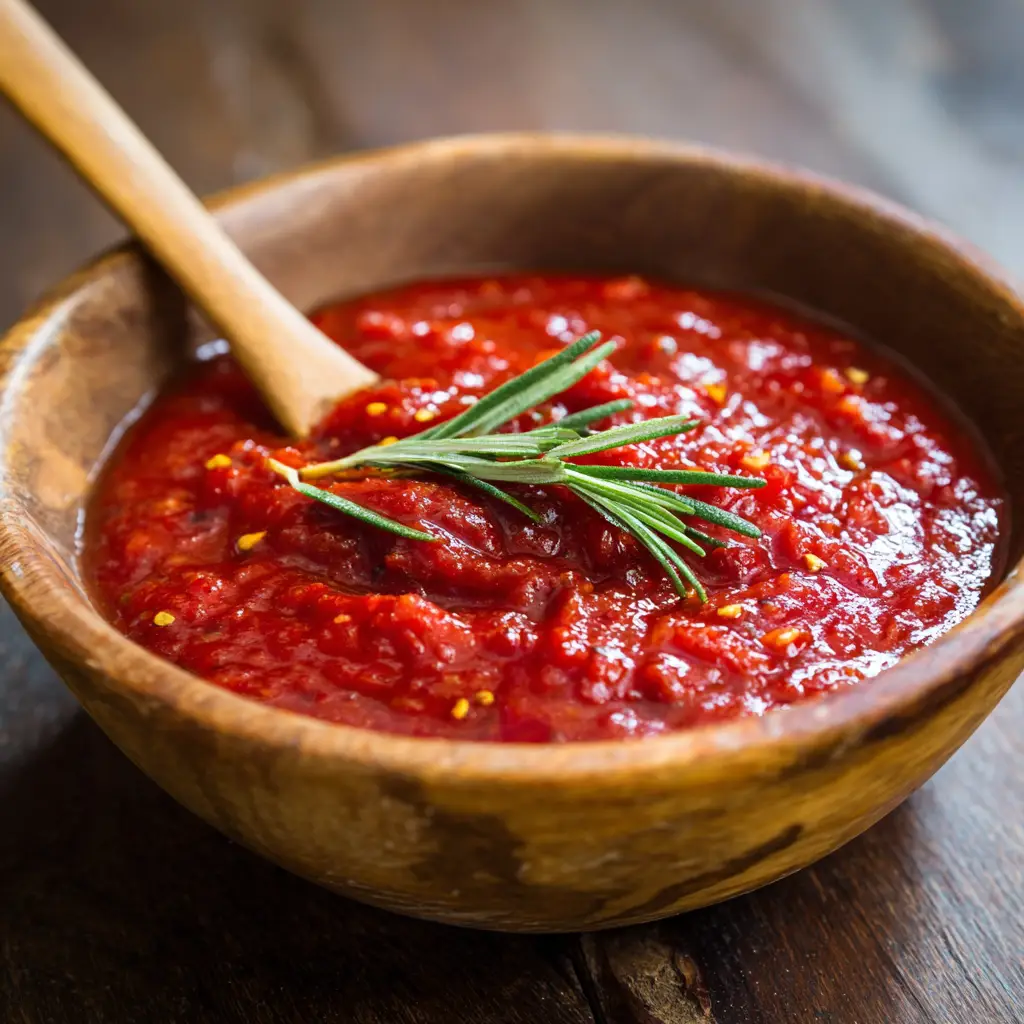
Nutritional Information
Understanding the nutritional content of your homemade pizza sauce can help maintain a balanced diet. A typical serving size of two tablespoons contains roughly:
The ingredients chosen for this recipe ensure the sauce is low in calories and saturated fat while providing heart-healthy fats from olive oil. It also delivers antioxidants and vitamins from tomatoes and herbs.
Serving Suggestions
This pizza sauce pairs wonderfully with a variety of pizza styles, from classic Margherita to loaded veggie or meat-heavy pies. Spread it generously over your dough before adding cheese and toppings. Beyond pizza, this sauce works beautifully as a dipping sauce for breadsticks, a base for pasta dishes, or even as a flavorful layer in casseroles.
For a quick weeknight meal, combine this sauce with cooked pasta, fresh basil, and grated Parmesan cheese. It also complements grilled vegetables or chicken when used as a finishing sauce.
Pizza Sauce Recipe: Easy Homemade Sauce for Authentic Flavor
Course: Blog2
servings10
minutes25
minutes55
kcalIngredients
1 can (14 oz) crushed tomatoes
2 tablespoons olive oil
2 cloves garlic, minced
1 teaspoon dried oregano
1 teaspoon dried basil
1/2 teaspoon salt
1/4 teaspoon black pepper
1 teaspoon sugar
Directions
- Drain the canned tomatoes to remove excess liquid and crush them lightly if needed.
- Heat olive oil in a medium saucepan over medium heat.
- Add minced garlic and sauté for 1 to 2 minutes until fragrant but not browned.
- Stir in crushed tomatoes, dried oregano, dried basil, salt, pepper, and sugar.
- Reduce heat to low and simmer gently for 20 to 30 minutes, stirring occasionally.
Recipe Video
Notes
- For a fresher taste, add fresh basil or oregano just before serving. Avoid overcooking garlic to prevent bitterness. This sauce can be stored in an airtight container in the refrigerator for up to one week or frozen for longer storage.
Frequently Asked Questions (FAQs)
Can I use fresh tomatoes instead of canned?
Yes, fresh tomatoes can be used. Blanch and peel them first to remove skins, then crush or blend before cooking. Keep in mind fresh tomatoes may have a higher water content, so adjust cooking time accordingly.
How long does homemade pizza sauce last?
Stored in an airtight container, homemade pizza sauce lasts about 5 to 7 days in the refrigerator. For longer storage, freeze in small portions for up to 3 months.
Can I make this sauce ahead of time?
Absolutely. Preparing pizza sauce in advance enhances the flavor as it sits. Make it a day or two ahead and refrigerate or freeze for later use.
Is this pizza sauce suitable for gluten-free diets?
Yes, all ingredients in this recipe are naturally gluten-free.
Can I use this sauce for other dishes?
Definitely. It is versatile and can be used in pasta recipes, as a dipping sauce, or in casseroles.
Conclusion
Making pizza sauce at home is a rewarding experience that elevates your pizza nights and beyond. The blend of fresh tomatoes, aromatic herbs, and rich olive oil creates a sauce that tastes vibrant and authentic. The best part is the freedom to customize every batch, tailoring it to your favorite flavor profile. Each step in the cooking process builds layers of flavor, resulting in a sauce that enhances every bite. Whether you are a seasoned pizza maker or a curious beginner, this recipe offers a delicious foundation that transforms simple ingredients into something truly special. Gather your ingredients, take your time, and enjoy the delightful journey of homemade pizza sauce. Your taste buds will thank you.