Vegetarian Soup Recipe | Healthy, Flavorful, and Easy Homemade Soup Guide
Introduction
When chilly winds blow or a sense of comfort calls, a warm bowl of vegetarian soup delivers solace to both body and spirit. Rich in vegetables, legumes, herbs, and spices, vegetarian soup marries nourishing ingredients into a vibrant symphony of flavor. Each spoonful offers not only warmth but also sustenance that feels wholesome and complete. Many people assume that soups must depend on meat or heavy broths for depth, yet vegetarian versions prove otherwise. With the right balance of textures and seasonings, a vegetarian soup can delight more fully than even cream laden counterparts.
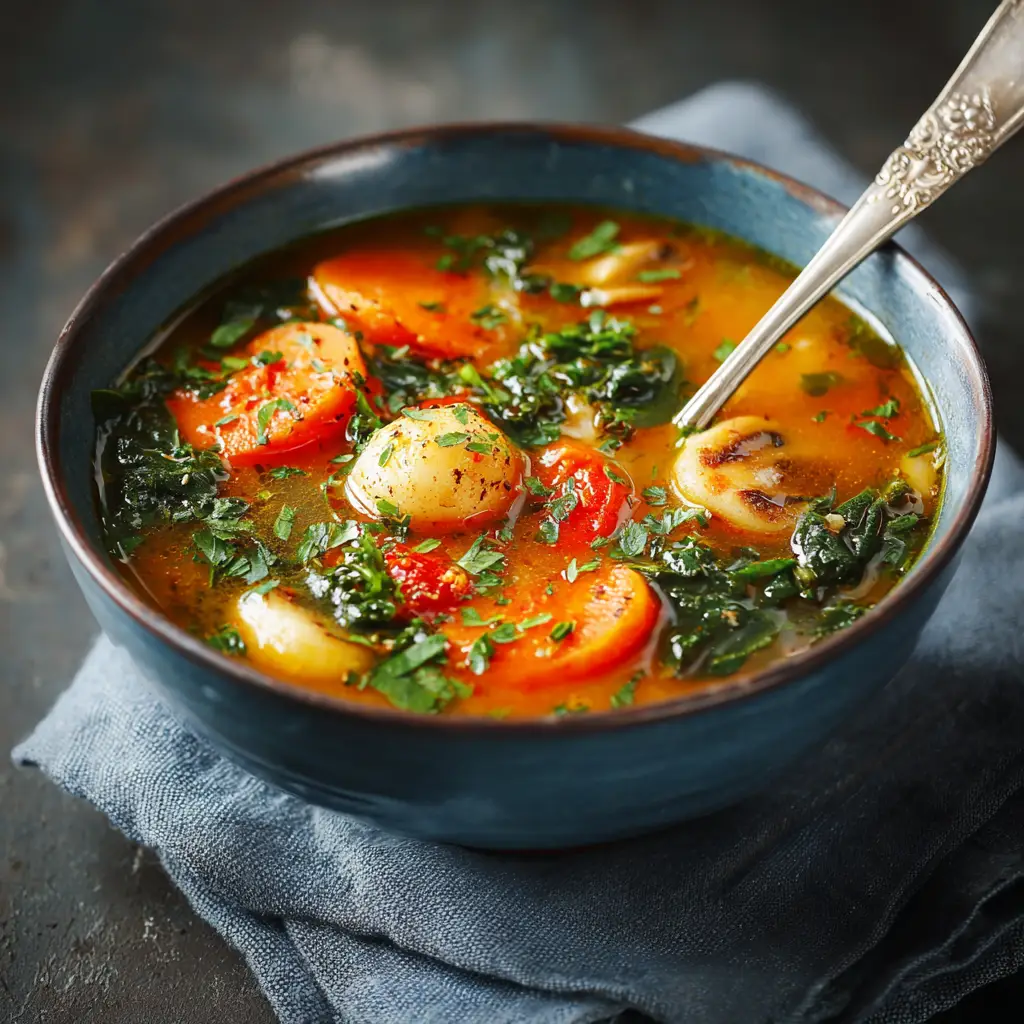
In this article readers will find a detailed pathway toward making a vegetarian soup that feels satisfying without ever feeling bland or boring. From gathering ingredients to finishing touches, we explore how to build layers of taste. This guide embraces flexibility so you may adapt as your pantry permits. Whether you cook for yourself, for family, or for guests, this vegetarian soup approach aims to foster confidence in your kitchen practice. Let us begin the journey to a bowl brimming with color, aroma, and health.
Ingredients Needed
Below is a table listing the key ingredients and approximate calorie count per unit used. These values are estimated from standard nutritional databases. Use this as a guideline rather than a rigid rule.
| Ingredient | Quantity | Approximate Calories |
|---|---|---|
| Olive oil | 1 tablespoon | 120 |
| Yellow onion | 1 medium (about 150 g) | 60 |
| Carrot | 2 medium (200 g total) | 80 |
| Celery stalks | 2 stalks (about 100 g) | 20 |
| Garlic cloves | 3 cloves | 15 |
| Red bell pepper | 1 medium (about 120 g) | 30 |
| Zucchini | 1 medium (about 200 g) | 33 |
| Canned diced tomatoes | 1 can (400 g) | 80 |
| Vegetable broth or stock | 4 cups (about 960 ml) | 40 |
| Red lentils | ½ cup (100 g) | 360 |
| Baby spinach leaves | 2 cups (about 60 g) | 14 |
| Fresh parsley (chopped) | 2 tablespoons | 2 |
| Salt | To taste | negligible |
| Black pepper | To taste | negligible |
| Dried thyme or oregano | 1 teaspoon | 5 |
| Lemon juice (fresh) | 1 tablespoon | 4 |
Total approximate calories for the entire pot (serving about 4 to 5 bowls) come to around 863 kcal, which means each serving (if divided into 4) yields about 215 kcal. These numbers vary with precise quantities and brands used.
Step by Step Cooking Instructions
- Prepare all vegetables
Wash, peel, and dice the onion, carrot, celery, red bell pepper, and zucchini. Mince the garlic cloves. Chop parsley in advance so it is ready when needed. Having everything prepped ensures smooth flow during cooking. - Heat oil and sauté aromatics
In a large soup pot place the olive oil over medium heat. Add the diced onion, carrot, and celery. Stir gently and let them soften, about 5 to 7 minutes. Add the minced garlic and stir for an additional 1 minute until fragrant. Avoid browning or burning the garlic by keeping heat moderate. - Add bell pepper and zucchini
Stir in the diced red bell pepper and zucchini pieces. Cook for 3 to 4 minutes, stirring occasionally. The edges will begin to soften but maintain some structure. This step builds depth of flavor before liquid arrives.Fans of this recipe will definitely enjoy Winter Soup_ too. - Add tomatoes, broth, and lentils
Pour in the canned diced tomatoes (including liquid) and the vegetable broth. Stir to combine. Add the red lentils now. Sprinkle in dried thyme or oregano. Bring the mixture to a gentle boil over medium high heat. - Simmer until tender
Once boiling, reduce heat to low or medium low and cover partially. Let the soup simmer for about 20 to 25 minutes. The lentils should soften and vegetables become tender but not mushy. Stir occasionally and check if more liquid is needed. Adjust consistency with a little extra broth or water if soup becomes too thick. - Add spinach and parsley
After main components are cooked, stir in baby spinach leaves and chopped parsley. The residual heat wilts spinach in just a few minutes. Taste and adjust salt and black pepper. If desired, stir in fresh lemon juice to brighten flavors. - Optional blending or leaving chunky
You may leave the soup chunky or partially blend it for a thicker texture. Use an immersion blender to purée a portion or whole, depending on preference. If blending, do so carefully and gradually, retaining some chunks for mouthfeel. - Final seasoning and serve
Taste the soup a final time. Adjust seasoning. If flavor feels flat, a small pinch of salt or a dash of lemon juice can lift the profile. Ladle into bowls and garnish with extra parsley if desired.
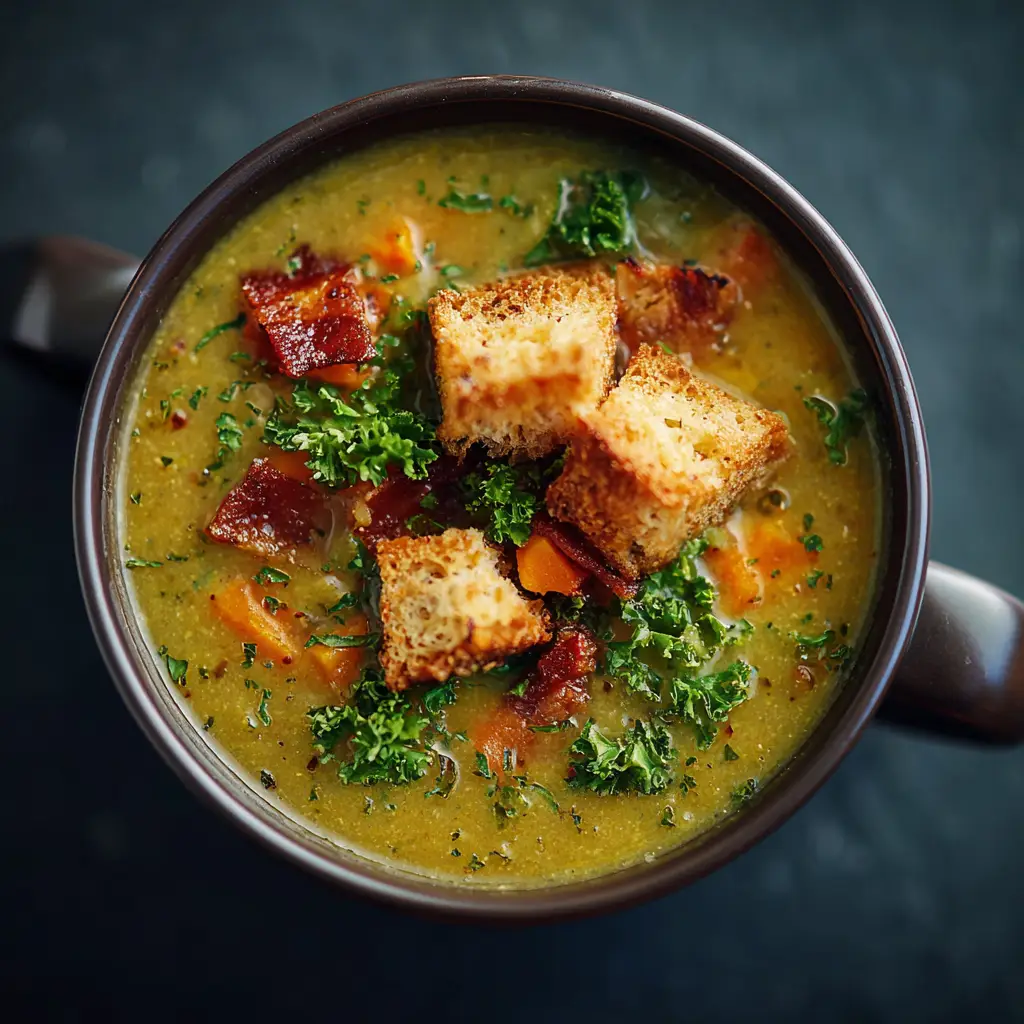
Tips for Customizing the Recipe
- Swap or add vegetables based on season or what you have. For example, diced sweet potato, squash, green beans, or mushrooms all work well.
- Use split peas or small pasta shapes instead of lentils for variation.
- For creaminess without dairy, stir in a small amount of cashew cream or coconut milk at end.
- Try other fresh herbs such as basil, cilantro, or dill in place of parsley for flavor change.
- Spice it up by adding red pepper flakes, smoked paprika, or a pinch of cayenne.
- For bulk and protein, include cooked beans such as cannellini or chickpeas.
- If you prefer a thinner broth, increase the broth or water ratio.
- For richer mouthfeel, swirl in a tablespoon of olive tapenade or pesto just before serving.
- Make ahead tip: the soup often tastes better the next day. Reheat gently and add spinach fresh.
- Freeze leftovers in freezer safe containers, leaving some room for expansion. When thawing, add fresh herbs and lemon juice.
Nutritional Information
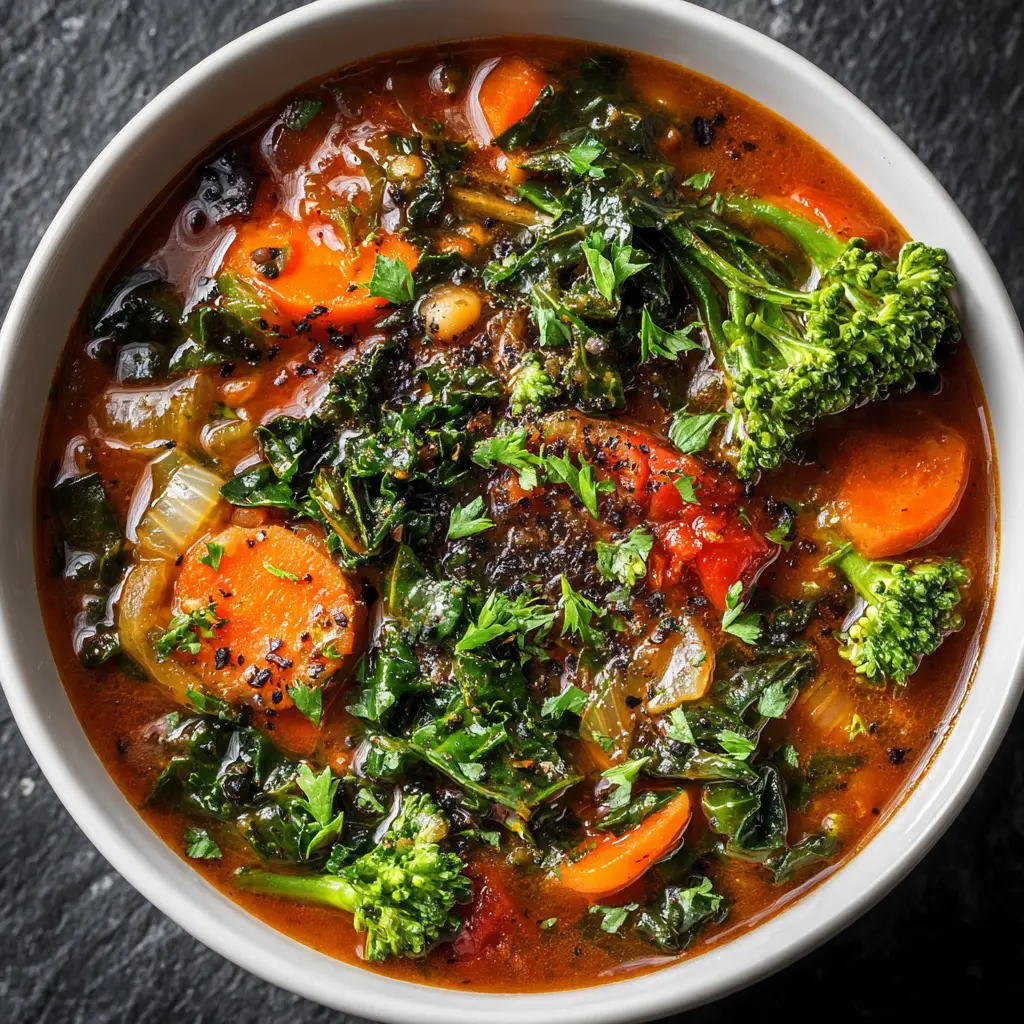
Below is a general nutritional breakdown per serving (based on 4 servings) of this vegetarian soup. These values are approximate and vary with exact ingredients and portion sizes.
This soup offers a balanced profile of macronutrients with emphasis on fiber and plant based protein. Its moderate calorie density makes it suitable as a light meal or a starter.
Serving Suggestions
Serve the vegetarian soup piping hot in wide soup bowls. A crusty whole grain bread or warm baguette complements beautifully and helps to soak up the broth. A side of mixed green salad dressed lightly with olive oil and lemon works as a fresh contrast. Garnish with extra chopped parsley or a drizzle of high quality olive oil. For a heartier meal, accompany the soup with whole grain crackers, roasted vegetables, or a slice of savory vegetable loaf. Add a small dish of grated cheese or vegan cheese on the side for those who enjoy sprinkling it on top. A wedge of lemon or lime per bowl allows guests to brighten their soup individually.

Vegetarian Soup Recipe | Healthy, Flavorful, and Easy Homemade Soup Guide
Course: Blog4
servings15
minutes25
minutes180
kcalIngredients
1 tablespoon olive oil
1 medium onion, finely chopped
2 cloves garlic, minced
2 medium carrots, diced
1 cup chopped celery
1 medium potato, peeled and diced
1 zucchini, chopped
1 cup green beans, chopped
1 cup canned diced tomatoes (or fresh)
4 cups vegetable broth
1 teaspoon salt (adjust to taste)
½ teaspoon black pepper
Directions
- Heat the oil: In a large pot, heat olive oil over medium heat.
- Sauté the aromatics: Add chopped onion and garlic. Cook for 2–3 minutes until fragrant.
- Add vegetables: Stir in carrots, celery, potato, zucchini, and green beans. Sauté for about 5 minutes.
- Add tomatoes and broth: Pour in diced tomatoes and vegetable broth. Stir well.
- Season: Add salt, pepper, thyme, and paprika. Bring to a boil.
Recipe Video
Notes
- You can add any seasonal vegetables you like — bell peppers, spinach, or corn work great.
For a heartier version, add cooked lentils, chickpeas, or pasta.
Store leftovers in the refrigerator for up to 3 days or freeze for longer storage.
Frequently Asked Questions
Can I make this soup in a slow cooker or crock pot?
Yes you can. Begin by sautéing the aromatics separately or in the base of a slow cooker (if it allows). Then transfer all ingredients including vegetables, broth, tomatoes, lentils to the slow cooker. Cook on low for 6 to 8 hours or high for 3 to 4 hours. Add spinach and parsley near the final half hour to preserve freshness.
Is it possible to make the soup gluten free?
Absolutely. The recipe as written contains no gluten. Just ensure the vegetable broth or stock you use is certified gluten free and avoid adding pasta or bread that contain gluten.
Can I use fresh tomatoes instead of canned?
You may replace canned diced tomatoes with about 3 to 4 fresh ripe tomatoes, peeled and chopped. The soup will be a bit lighter in body and flavor may shift slightly, but it will still be delicious.
How long does the soup keep in the refrigerator or freezer?
Stored in an airtight container in the refrigerator, the soup keeps well for 4 to 5 days. In the freezer it lasts up to 2 months. Defrost overnight in refrigerator, then gently reheat on stovetop, adding fresh spinach or herbs at reheating time.
Is it possible to increase the protein content further?
Yes. You may stir in cooked beans such as cannellini beans, chickpeas, or edamame. You could also incorporate tempeh or tofu cubes. Another idea is to add a scoop of cooked quinoa or bulgur toward the end of cooking.
Can I omit lentils entirely? What would be a substitute?
You may omit lentils but be prepared for the soup to lose some body and protein. Substitute with small pasta shapes, barley, or diced potatoes to restore heartiness.
Conclusion
A good vegetarian soup feels like a warm hug in a bowl. With simple ingredients and mindful technique you can transform everyday vegetables and legumes into an unforgettable meal. Its flexibility invites creativity and adaptation to your pantry and taste. Whether served on a cold evening, as a light lunch, or as part of a larger dinner, this vegetarian soup works well in many occasions. Open your kitchen heart to this recipe and make it your own. Serve it with love and enjoy every spoonful.