Neapolitan Pizza Dough Recipe | Authentic Easy Homemade Pizza Dough
Introduction
Neapolitan pizza dough represents more than just the foundation for a delicious pizza; it is a time-honored tradition rooted deeply in the history of Naples, Italy. Known for its delicate balance of simplicity and flavor, this dough is the secret behind that perfect combination of a thin, soft crust with a slightly crispy edge. The magic lies in its ingredients and the technique used to craft it. Crafting Neapolitan pizza dough is an art form passed down through generations. It embraces natural fermentation, precise measurements, and patience, allowing the dough to develop a rich flavor and airy texture that distinguishes it from other pizza types. For anyone who loves pizza, understanding how to make this dough is a step into the world of authentic Italian cuisine and a gateway to enjoying a slice that feels both rustic and refined. The dough itself speaks of heritage and invites home cooks to recreate the experience of traditional pizzerias in their own kitchens.
Ingredients Needed
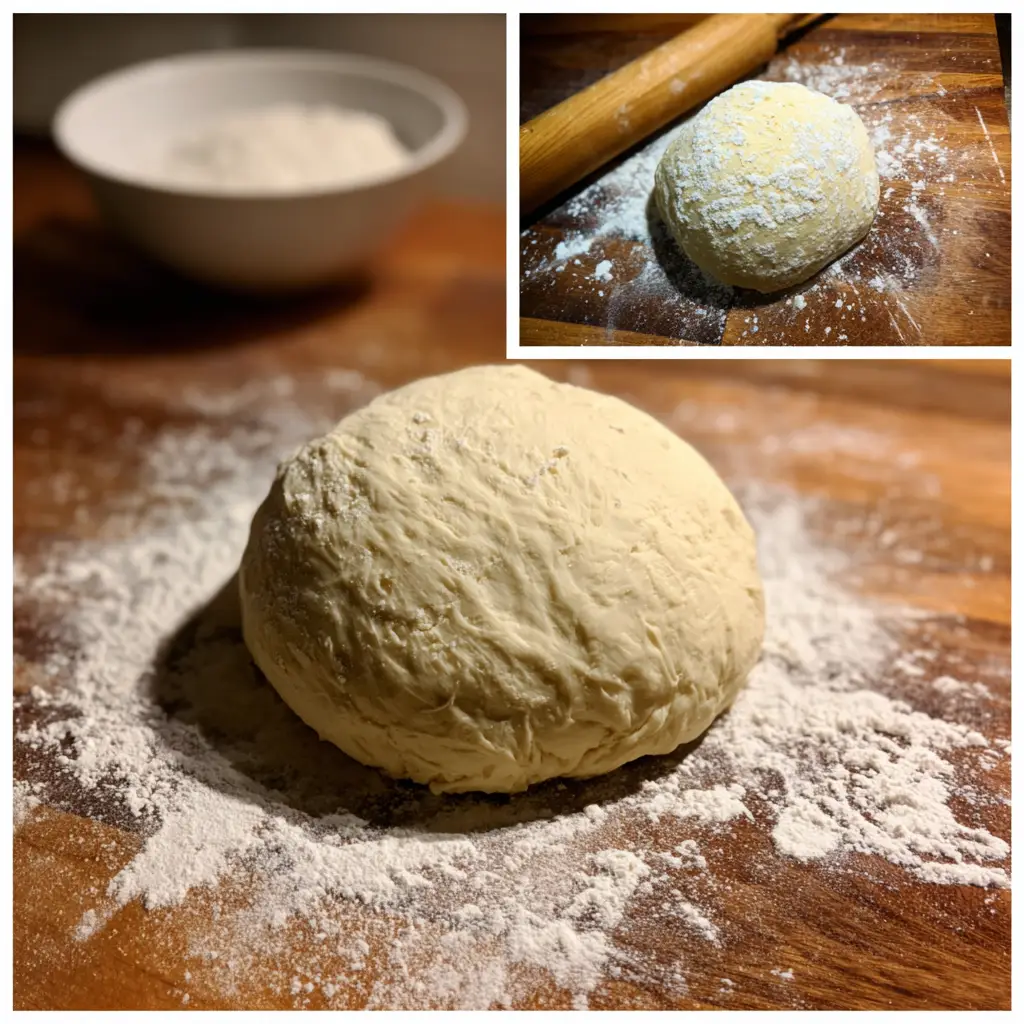
Every great Neapolitan pizza begins with simple, high-quality ingredients. Each plays a crucial role in the dough’s texture and flavor profile. The following table breaks down the key ingredients and their calorie content per typical usage in a single pizza dough batch.
| Ingredient | Quantity | Calories (approximate) |
|---|---|---|
| Type 00 Flour | 500 grams | 1820 |
| Water | 325 milliliters | 0 |
| Fresh Yeast | 2 grams | 6 |
| Sea Salt | 10 grams | 0 |
| Olive Oil (optional) | 10 milliliters | 80 |
Each element is chosen for a purpose. Type 00 flour is finely milled, lending the dough its signature softness. Water hydrates the flour and activates the yeast, which ferments the sugars, producing air pockets that give the dough its light texture. Sea salt enhances flavor, and olive oil can be added for subtle richness, though traditional recipes often omit it.
Step-by-Step Cooking Instructions
Crafting Neapolitan pizza dough is a process that demands precision and care but yields incredible results. Here is a detailed guide to mastering this classic recipe:
- Prepare the Yeast Mixture
Begin by dissolving fresh yeast in lukewarm water. The water should be around 95 degrees Fahrenheit to activate the yeast without killing it. Stir gently until the yeast fully dissolves. - Mix the Flour and Salt
In a large bowl, sift the Type 00 flour to ensure no lumps. Add sea salt on one side of the bowl and keep it separate from the yeast mixture initially to avoid hindering yeast activity. - Combine Ingredients
Slowly pour the yeast and water mixture into the flour, mixing with your hand or a wooden spoon to bring the dough together. Add olive oil if using, and continue mixing until the dough starts to form a rough ball. - Knead the Dough
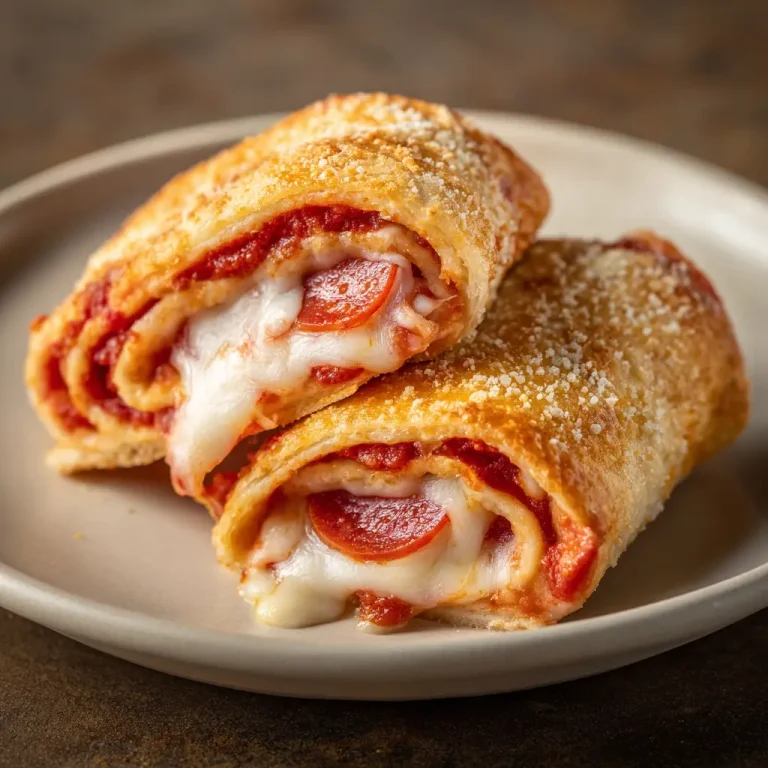
Transfer the dough onto a clean surface and knead by pushing it forward with the heel of your hand, folding it over, and repeating. This step takes about 10 to 15 minutes until the dough becomes smooth, elastic, and slightly tacky but not sticky.You can also explore _Pizza Roll for a unique twist. - First Rise
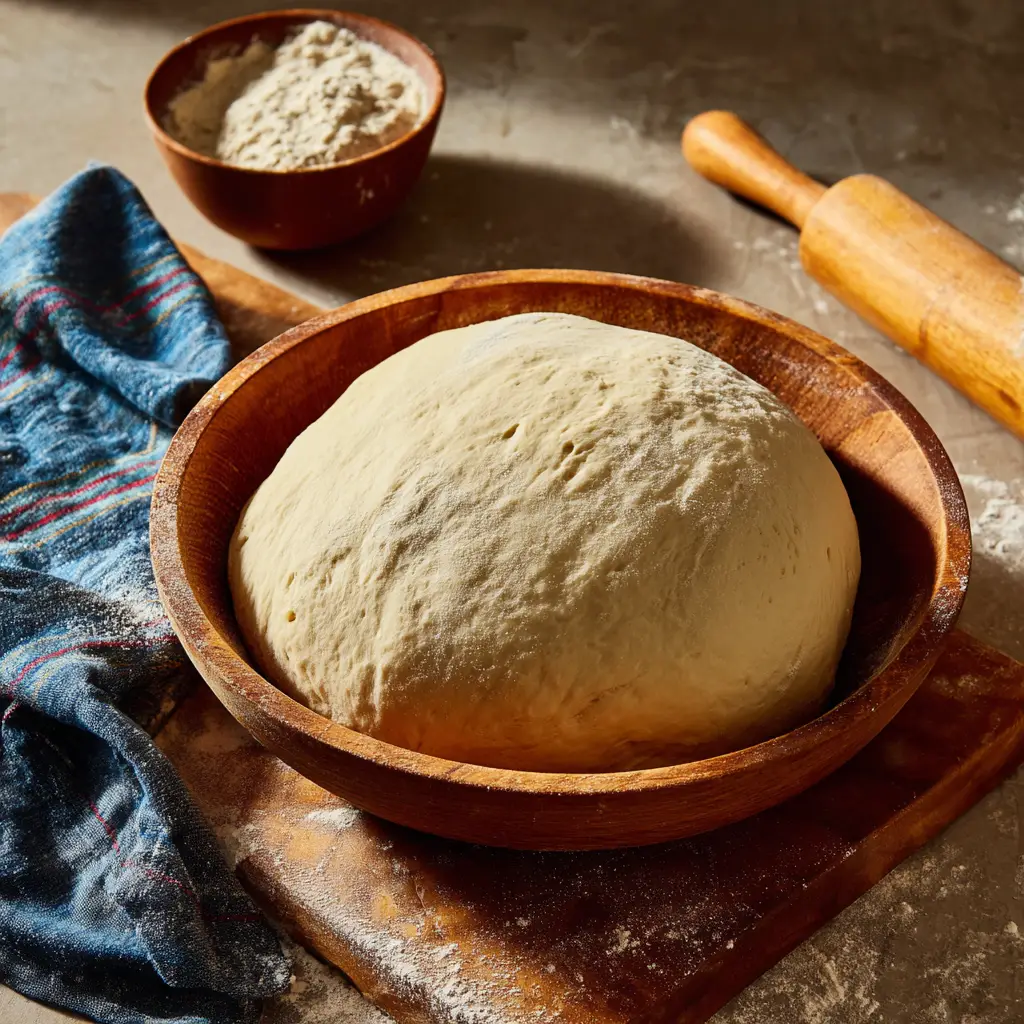
Place the dough in a lightly oiled bowl and cover with a damp cloth. Let it rest in a warm environment for at least 2 hours or until doubled in size. This fermentation is key to developing flavor and texture. - Divide and Shape
Once risen, gently deflate the dough and divide it into portions, typically 2 or 3 for medium pizzas. Shape each portion into a tight ball to retain the air bubbles within. - Second Rise
Allow the dough balls to rise again for about 30 minutes. This final rest helps the dough relax, making it easier to stretch without tearing. - Stretch the Dough
Using your hands, gently stretch each dough ball from the center outward, rotating as you go. Avoid using a rolling pin to preserve the airy structure. The dough should become thin but retain a slightly thicker edge, which forms the crust. - Ready for Toppings and Baking
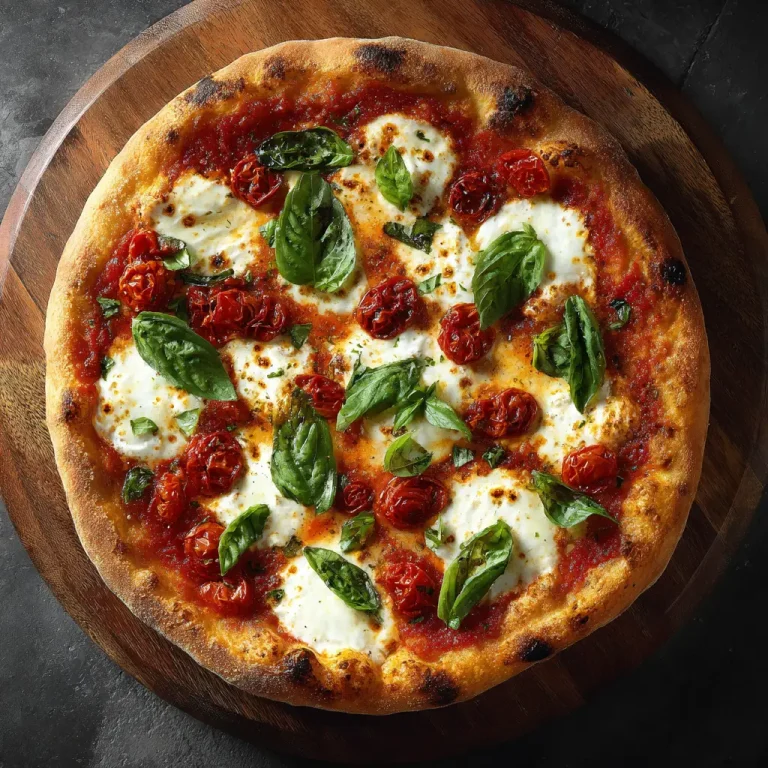
Your dough is now ready for the classic Neapolitan toppings like San Marzano tomatoes, fresh mozzarella, basil, and a drizzle of olive oil. Bake at the highest possible temperature, ideally in a wood-fired oven around 900 degrees Fahrenheit, for 60 to 90 seconds. Home ovens can be set to 500 degrees Fahrenheit, preheating a pizza stone to mimic this environment.
Tips for Customizing the Recipe
While the traditional recipe remains a gold standard, experimenting within the boundaries of authenticity can be rewarding. Using different hydration levels can alter the dough’s softness or chewiness; increasing water slightly will yield a lighter crust. Substituting fresh yeast for dry yeast is possible but requires adjusting quantities—typically 1/3 the amount of fresh yeast. For a more complex flavor, allowing the dough to ferment overnight in the refrigerator enhances taste through slow fermentation. Adding a touch of sugar is generally avoided in Neapolitan dough but can be introduced sparingly to speed up yeast activity if needed. Olive oil, though not traditional, can be included for a richer mouthfeel. When shaping, letting the dough rest between stretches prevents tearing, especially useful for beginners.
Nutritional Information
Neapolitan pizza dough is relatively straightforward nutritionally, primarily providing carbohydrates from flour. Below is an approximate breakdown for a batch that makes two medium-sized pizzas:
This dough itself is not high in fat or sugar, making it a good base for nutritious toppings like vegetables, lean meats, and fresh herbs. The calorie count varies mainly based on flour type and added oil.
Serving Suggestions
Neapolitan pizza dough shines brightest when paired with fresh, simple toppings that respect tradition. Classic combinations include the Margherita pizza with San Marzano tomatoes, fresh mozzarella, basil leaves, and a drizzle of extra virgin olive oil. For those wanting to branch out, toppings like roasted vegetables, fresh arugula, or thinly sliced prosciutto complement the dough beautifully. Serving the pizza with a side salad or a light Italian antipasto can complete the meal without overwhelming the palate. Remember, the dough is the canvas, so using fresh, high-quality ingredients elevates the entire experience.
Neapolitan Pizza Dough Recipe | Authentic Easy Homemade Pizza Dough
Course: Blog2
servings20
minutes15
minutes950
kcalIngredients
500 grams Type 00 flour
325 milliliters lukewarm water
2 grams fresh yeast
10 grams sea salt
10 milliliters olive oil (optional)
Directions
- Dissolve fresh yeast in lukewarm water (~95°F) and stir until fully dissolved.
- In a large bowl, sift the flour and add sea salt on one side.
- Slowly pour the yeast mixture into the flour, mixing with your hand or wooden spoon until dough begins to form. Add olive oil if using.
- Knead the dough on a clean surface for 10-15 minutes until smooth and elastic.
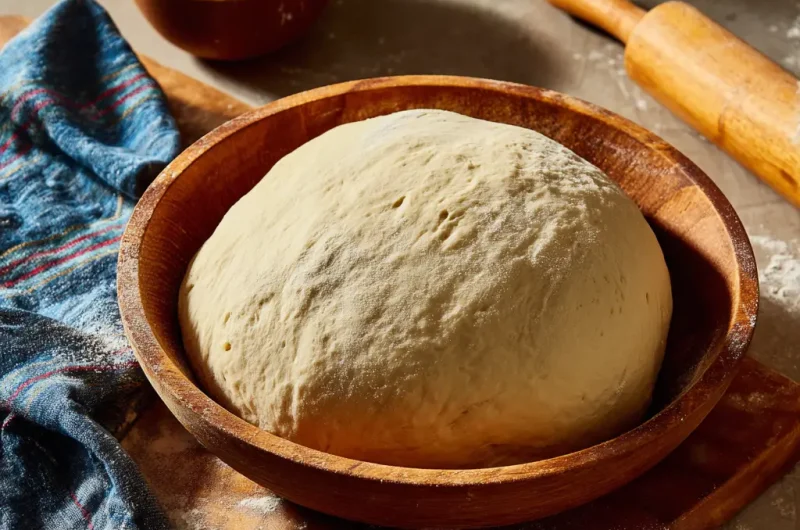
- Place dough in a lightly oiled bowl, cover with a damp cloth, and let it rise for about 2 hours or until doubled in size.
Recipe Video
Notes
- For best flavor, consider fermenting the dough overnight in the refrigerator. Allow dough to come back to room temperature before stretching. Avoid overworking the dough when shaping to keep it airy and light. Use high-quality flour for authentic texture.
Frequently Asked Questions
What type of flour is best for Neapolitan pizza dough?
Type 00 flour is preferred due to its fine grind and protein content, which helps create the dough’s characteristic soft yet elastic texture.
Can I use dry yeast instead of fresh yeast?
Yes, but use about one-third the amount of fresh yeast and dissolve it in water before mixing.
How long should the dough rise?
Typically, two hours for the first rise and 30 minutes after shaping, but longer cold fermentation can improve flavor.
Is olive oil necessary in the dough?
Traditional recipes often exclude olive oil, but adding a small amount can enhance richness and elasticity.
How thin should I stretch the dough?
Stretch the dough until it is thin in the center but leaves a slightly thicker edge for a soft crust.
Conclusion
Making Neapolitan pizza dough is a rewarding journey into the heart of Italian culinary tradition. The process demands patience and respect for simple ingredients, yet the results speak volumes in texture and flavor. With every batch, home cooks connect to a heritage that celebrates craftsmanship and passion. Whether enjoyed fresh from a hot oven or shared with loved ones, the delicate balance of this dough offers a taste of Naples in every bite. Perfecting Neapolitan pizza dough opens doors to endless creativity and the timeless joy of authentic pizza.