Veggie Lasagna Recipe – Easy, Healthy, and Delicious Layers of Flavor
Introduction
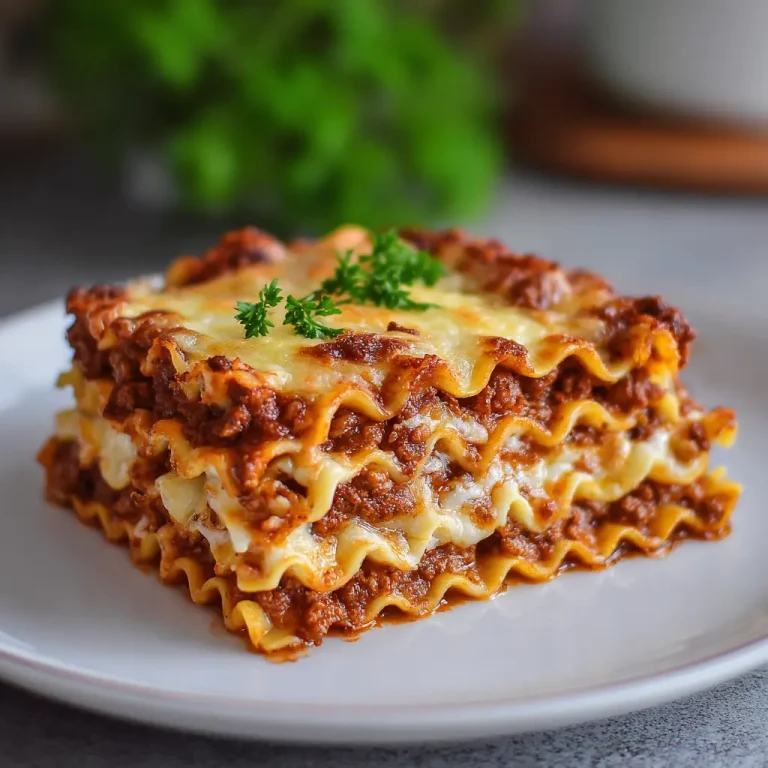
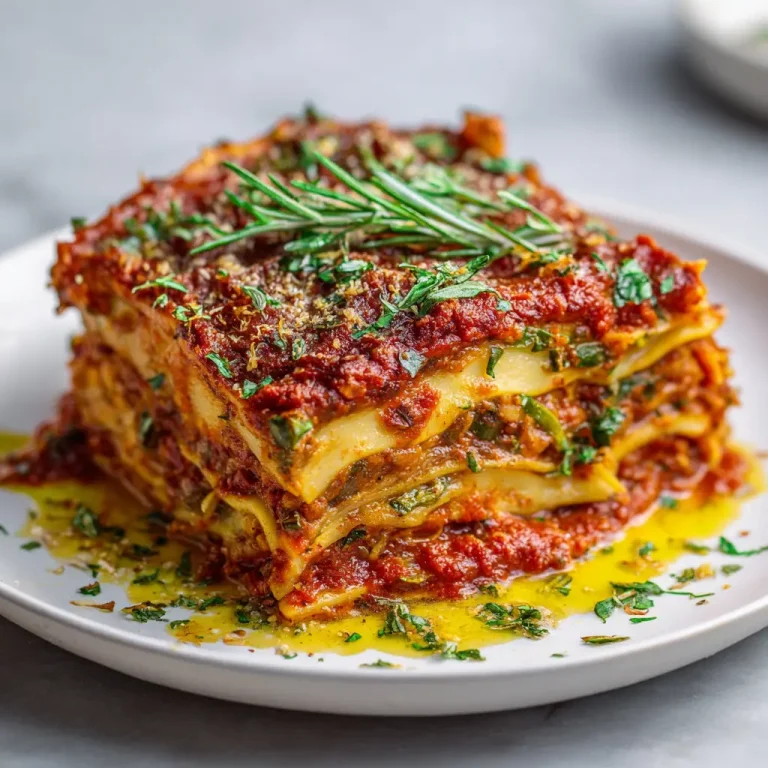
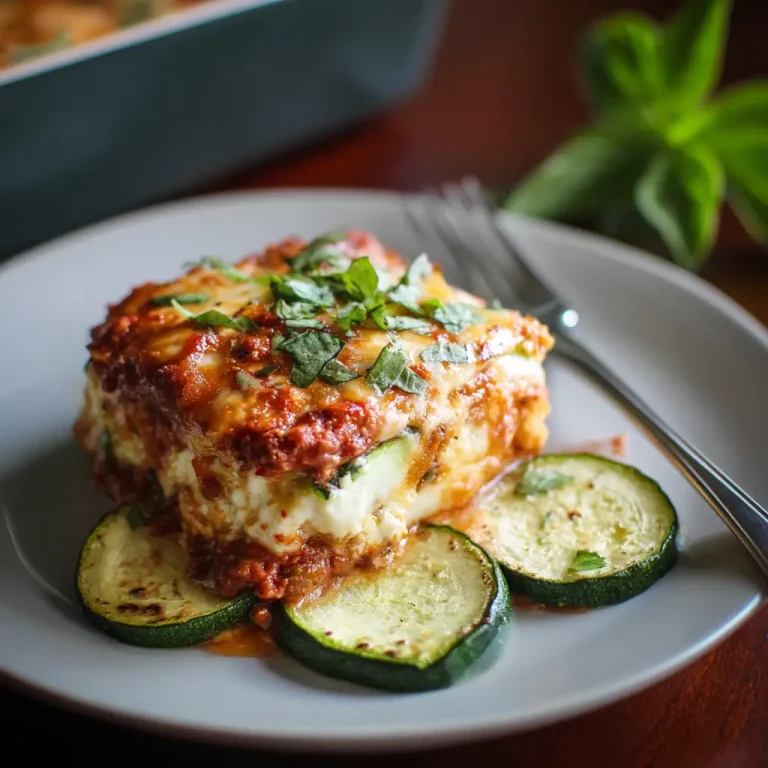
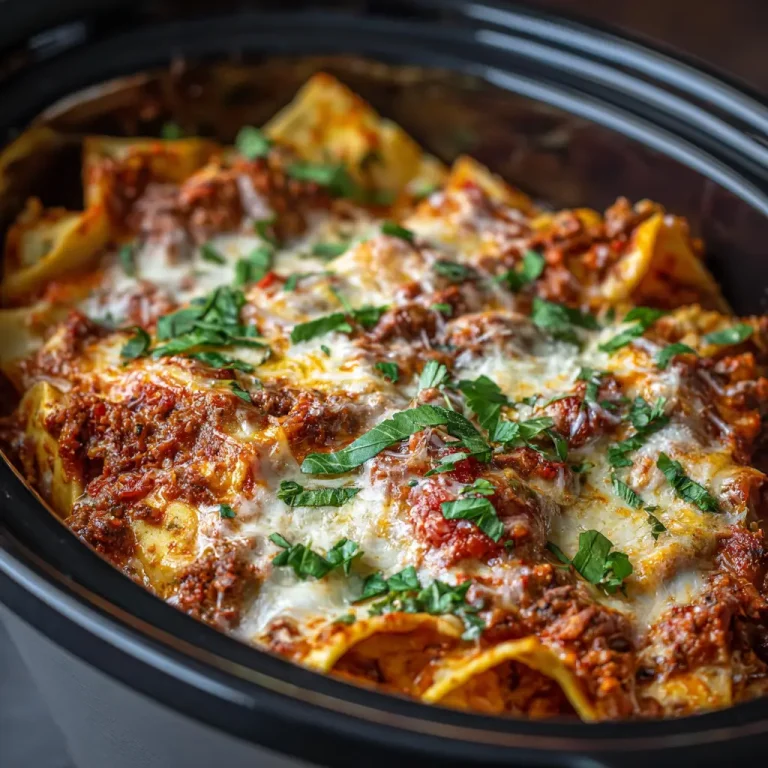
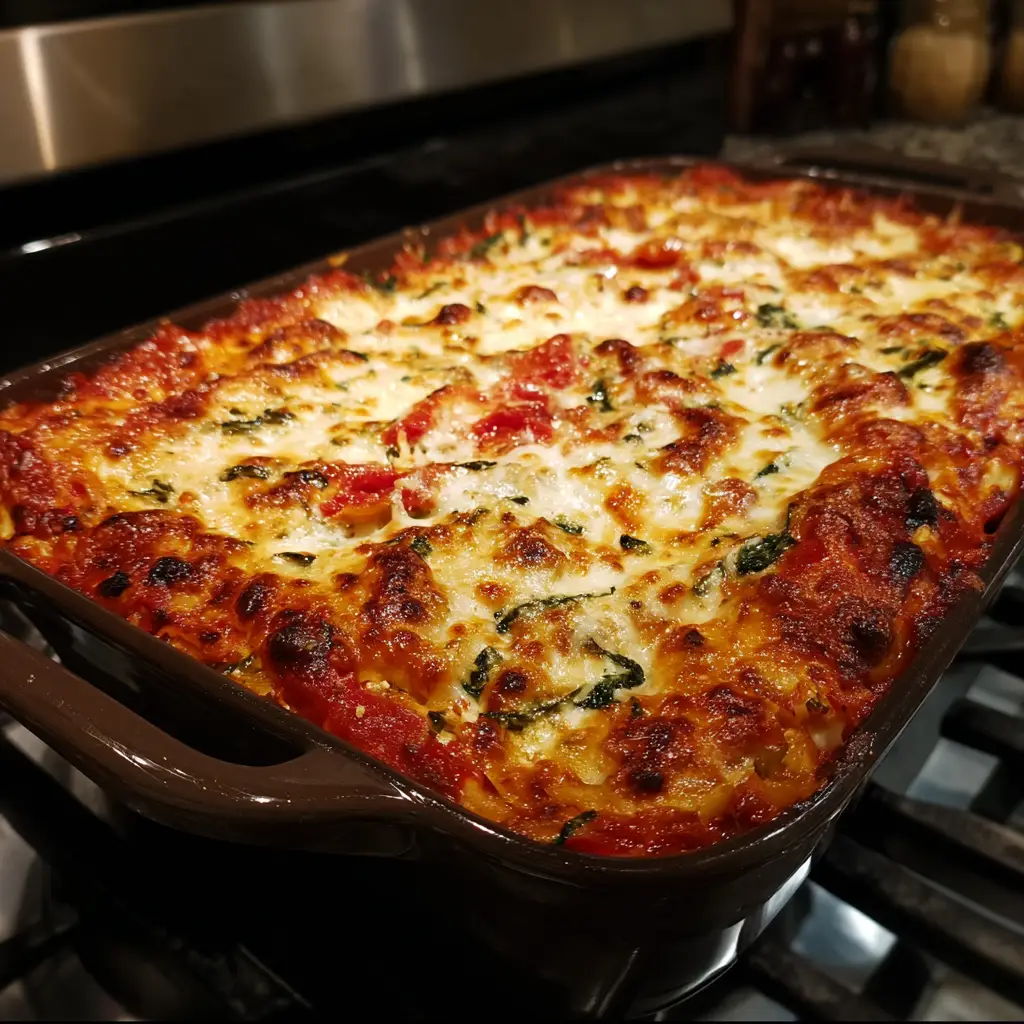
Imagine a bubbling oven dish loaded with tender tomato sauce, creamy cheese, and a medley of fresh vegetables layered between soft pasta. The aroma draws everyone into the kitchen before a single slice is cut. Vegetable lasagna brings comfort, color, and nutrition to your table in one elegant dish. For households seeking to enjoy a lasagna without meat, this version delivers all the heartiness and flavor you expect—yet it feels a bit lighter, fresher, more vibrant. Whether you are cooking for family, friends, or planning a weeknight meal that pleases everyone, vegetable lasagna is a go to crowd pleaser.
I will walk you through ingredients, step by step method, customization ideas, nutrition details, serving advice, and more. The goal is to enable you to make it confidently, adapt it to your taste, and share a satisfying meal that looks as good as it tastes.
Ingredients Needed
Below is a sample ingredient list for a vegetable lasagna serving about six people. The calorie counts are approximate and based on typical food nutrition databases.
| Ingredient | Amount | Approximate Calories* |
|---|---|---|
| Lasagna pasta sheets (regular) | 9 to 12 sheets | 300 kcal |
| Olive oil | 2 tablespoons | 240 kcal |
| Onion, chopped | 1 medium | 45 kcal |
| Garlic cloves, minced | 3 cloves | 13 kcal |
| Zucchini, sliced | 2 medium | 66 kcal |
| Bell pepper (red or yellow), chopped | 1 large | 50 kcal |
| Mushrooms, sliced | 1 cup | 15 kcal |
| Spinach (fresh) | 2 cups | 14 kcal |
| Tomato sauce (plain) | 3 cups | 150 kcal |
| Ricotta cheese | 1 cup | 300 kcal |
| Mozzarella cheese, shredded | 1½ cups | 330 kcal |
| Parmesan cheese, grated | ½ cup | 215 kcal |
| Fresh basil or parsley | handful | negligible |
| Salt and black pepper | to taste | negligible |
* Totals are rough estimates; your mileage may vary based on brands, portion sizes, and specific ingredients.
If you sum all ingredients above, the entire lasagna might yield roughly 2000 to 2200 calories, or about 330 to 370 calories per serving for six. Some databases list a vegetable lasagna serving around 256 calories using light cheeses.l Other sources for richer recipes show about 316 kcal per serving.
Step by Step Cooking Instructions
Here is a straightforward method:
- Preheat oven and ready pan
Preheat your oven to 190 °C (375 °F). Lightly grease a rectangular baking dish (about 9×13 inches or equivalent). - Cook pasta sheets
Boil water in a large pot, add salt. Cook lasagna sheets just shy of al dente, as they will bake again. Drain and rinse under cool water so they are easier to handle. Lay them flat to prevent sticking. - Prepare vegetable filling
In a large skillet, warm the olive oil over medium heat. Sauté onion until soft, then add garlic and cook briefly until fragrant. Toss in zucchini, bell pepper, mushrooms, and spinach. Stir and cook until vegetables soften. Season with salt, pepper, and a pinch of dried herbs, if desired.This recipe goes hand-in-hand with White Lasagna_ for a perfect combo. - Mix cheese layer
In a bowl, combine ricotta cheese, half the grated parmesan, some basil or parsley, and a pinch of black pepper. Stir until smooth and well blended. - Assemble layers
- Spread a thin layer of tomato sauce at the bottom of the baking dish.
- Place a single layer of pasta sheets.
- Dollop and spread part of the ricotta mixture.
- Spoon half the cooked vegetables over it.
- Add more tomato sauce over the vegetables.
- Sprinkle some mozzarella.
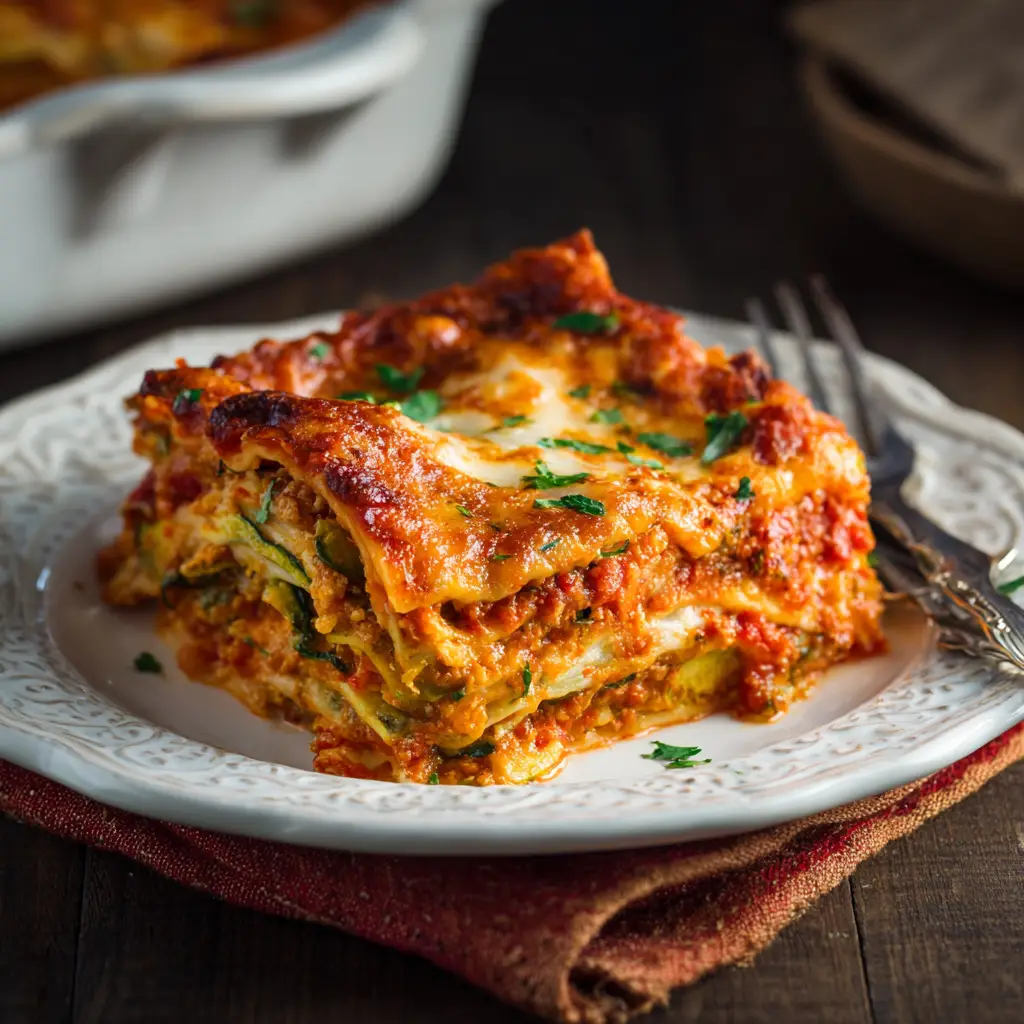
- Repeat with another layer of pasta, ricotta, vegetables, sauce, mozzarella.
- Finish with the last pasta layer, then top with remaining sauce, mozzarella, and the rest of parmesan.
- Bake
Cover the dish with foil (you may spray the underside of the foil with a little oil to prevent sticking). Bake for 25 minutes. Remove foil and bake an additional 10 to 15 minutes until the cheese is golden and bubbling. - Rest before serving
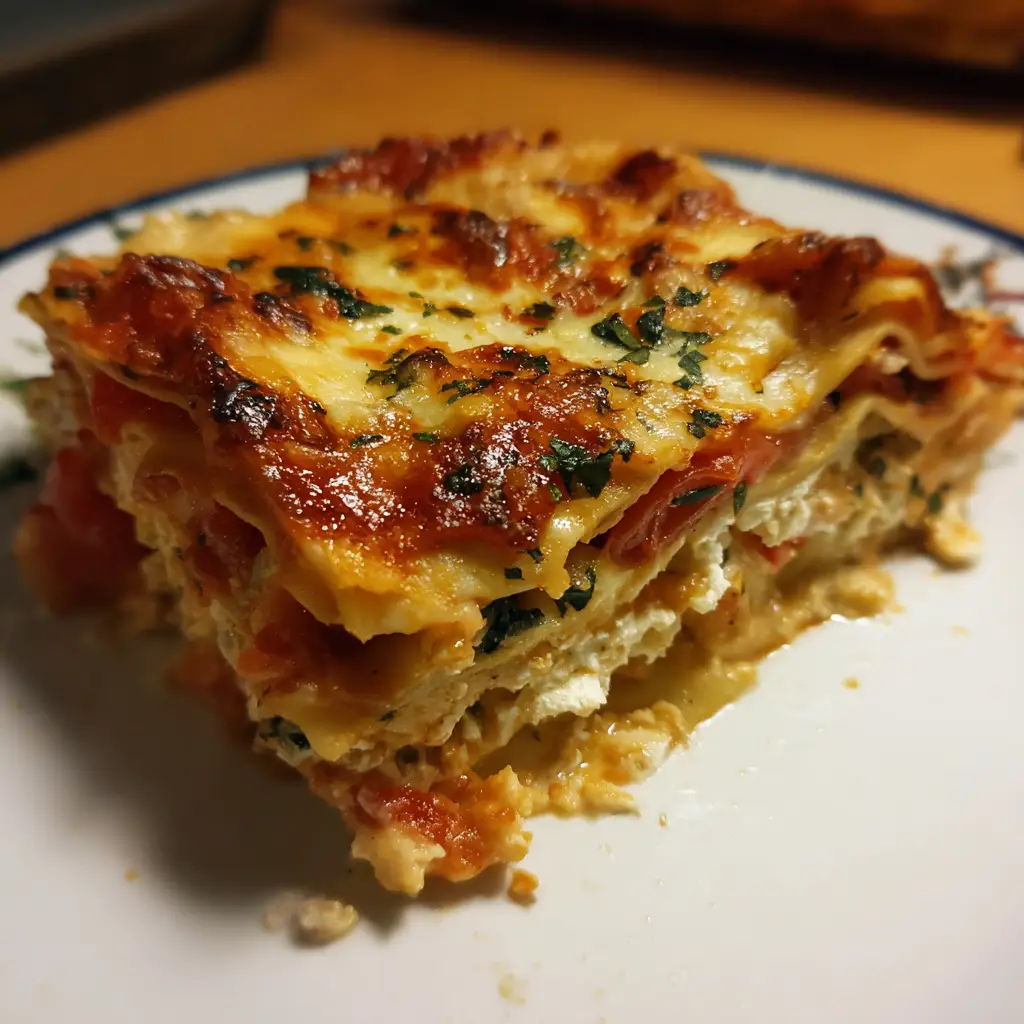
Let the lasagna rest for at least 10 minutes after baking. This lets it settle so slices hold better. Garnish with fresh basil or parsley, slice and serve.
Tips for Customizing the Recipe
You can adapt vegetable lasagna to your preferences, dietary needs, and seasonal produce. Below are some ideas:
- Use whole wheat or gluten free lasagna sheets if you prefer more fiber or need gluten free.
- Swap ricotta for cottage cheese or mascarpone, or use a tofu ricotta for a lighter or vegan twist.
- Add vegetables like eggplant, carrot strips, broccoli florets, or sliced zucchini—just be sure to cook them slightly to remove excess moisture.
- Include a hint of spice: red pepper flakes, cayenne, or chopped jalapeno.
- Layer in more herbs—oregano, thyme, rosemary—or fresh mint for a twist.
- For a more Mediterranean profile, include roasted red peppers, artichoke hearts, or olives.
- Use part skim cheeses to reduce fat, or choose dairy free cheese for a vegan version.
- If you want extra protein, add cooked lentils or white beans (cannellini or navy beans) into the vegetable layer.
- Brush the top cheese with a light coat of olive oil before baking to help browning.
- If sauce is watery, simmer it longer or strain before using to prevent a soggy lasagna.
These customizations let you make the dish your own while preserving richness and comfort.
Nutritional Information
Below is a ballpark estimate of nutrition for one serving (one sixth) of the lasagna based on the ingredient table above:
For comparison, some published versions of vegetable lasagna report:
- 256 kcal per serving using lighter ingredients.
- Around 316 kcal for a richer version.
- A frozen full meal variant reaching 438 kca
Nutritional values above are estimates. The final values depend on exact brands, portion sizes, and moisture content.
Serving Suggestions
Vegetable lasagna is quite versatile to serve. A few ideas:
- Pair it with a crisp green salad dressed in lemon vinaigrette to add brightness.
- Serve with garlic bread or warm crusty bread for mopping up sauce.
- Offer a side of steamed vegetables or roasted asparagus for extra greens.
- Top slices with fresh basil leaves, a sprinkle of parmesan, or drizzle with extra virgin olive oil.
- Serve with a light soup like tomato basil or minestrone before the lasagna.
- Add a side of pickled vegetables or olives to contrast the richness.
- For dessert after a heavy meal, choose something light like fruit salad or sorbet.
Serve it in modest portions with salad and bread, and you have a complete, satisfying meal.

Veggie Lasagna Recipe – Easy, Healthy, and Delicious Layers of Flavor
Course: Blog6
servings25
minutes40
minutes330–370
kcalIngredients
9 to 12 lasagna pasta sheets (regular or whole wheat)
2 tablespoons olive oil
1 medium onion, chopped
3 garlic cloves, minced
2 medium zucchini, thinly sliced
1 large bell pepper (red or yellow), chopped
1 cup mushrooms, sliced
2 cups fresh spinach
3 cups tomato sauce (no sugar added)
Directions
- Preheat oven to 375°F (190°C). Lightly grease a 9×13 inch baking dish.
- Boil pasta sheets in salted water until just tender. Drain and set aside.
- Sauté vegetables: Heat olive oil in a large skillet. Cook onion until soft, then add garlic. Stir in zucchini, bell pepper, mushrooms, and spinach. Cook until tender. Season with salt and pepper.
- Prepare cheese mixture: In a bowl, mix ricotta cheese, half of the parmesan, a pinch of salt, pepper, and a bit of chopped basil or parsley.
- Assemble lasagna:
Recipe Video
Notes
- For a lighter version, use part-skim cheeses and increase the amount of vegetables. You can also make this dish gluten-free by using certified gluten-free pasta sheets. To prevent soggy lasagna, avoid watery vegetables like raw tomatoes or wet spinach—sauté everything thoroughly and allow excess moisture to evaporate before layering.
Frequently Asked Questions (FAQs)
Can I make vegetable lasagna ahead of time?
Yes. You can assemble it a day in advance, cover, and refrigerate. Then bake just before serving. You may need to add a few extra minutes of bake time if it comes straight from the fridge.
How do I prevent the lasagna from becoming soggy?
Use thick sauce or simmer a watery sauce longer. Also gently sauté vegetables to remove excess moisture. Let layers cool slightly before stacking. Resting after baking also helps firm it.
Can I freeze vegetable lasagna?
Absolutely. After baking and cooling, wrap portions or the whole dish and freeze. To reheat, thaw in fridge overnight then warm in oven until heated through.
Is it possible to make it vegan?
Yes. Use dairy free cheese or omit cheeses entirely and substitute a tofu or cashew cream. Use a plant based milk or cream, and ensure pasta sheets contain no egg.
Can I reduce calories without losing flavor?
Yes. Use part skim or light cheeses, increase vegetables, lower oil, and use a thick tomato sauce with no added sugar. These swaps preserve taste while trimming fat.
Conclusion
Vegetable lasagna offers the comfort and layering appeal of classic lasagna but brings in vibrant vegetables, flexibility, and scope for healthier adaptations. With the ingredient list, method, customization ideas, and nutritional overview above, you are well equipped to create a version that fits your taste and health goals.