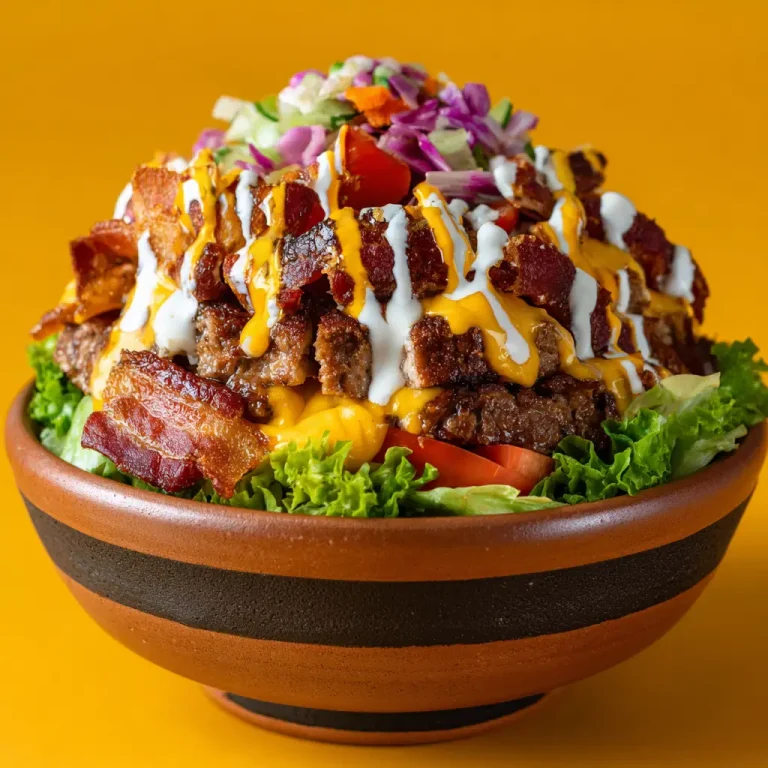
Hamburger Recipe – Juicy Homemade Burger Guide with Ingredients and Tips
Introduction
Few foods evoke as much nostalgia and joy as a well‑crafted hamburger. With its juicy patty, soft bun, crisp lettuce and vibrant tomato, every forkful feels like a celebration of comfort and flavor. The burger has journeyed from roadside grills to gourmet kitchens and back into home kitchens around the world. When you make a hamburger at home you control the ingredients, the cooking style and the level of customization—so you can tailor it to your taste and nutrition needs. In this article I’ll walk you through a recipe that is straightforward yet satisfying, and I will share expert‑level tips so your homemade hamburger becomes something everyone raves about.
Making this hamburger means selecting quality ground beef (or a suitable alternative), seasoning it well, cooking it just right, building your burger with care, and serving it in a way that both celebrates the classic and invites your personal twist. I believe that cooking should be fun and accessible, especially for a dish like the hamburger that thrives on simplicity yet rewards attention to detail. Let’s dive into the ingredients that make this burger shine, the step‑by‑step instructions, ways to adapt it for your preferences, a clear breakdown of its nutrition, suggestions for serving—and finally some frequently asked questions and my concluding thoughts.
Ingredients Needed
Here is a table listing the items you will need to make one classic hamburger (serves one). The calorie counts are approximate and meant as a guide.
| Ingredient | Approximate Calories* |
|---|---|
| 100 g ground beef (80 % lean) | 215 kcal |
| 1 hamburger bun (about 60 g) | 150 kcal |
| 1 slice cheddar cheese (≈30 g) | 120 kcal |
| Lettuce leaf (≈10 g) | 2 kcal |
| Tomato slice (≈30 g) | 5 kcal |
| Onion slice (≈20 g) | 8 kcal |
| 1 Tbsp ketchup (≈15 g) | 15 kcal |
| 1 Tbsp mayonnaise (≈15 g) | 100 kcal |
| Pickle slices (≈20 g) | 4 kcal |
| Optional oil for cooking (1 tsp) | 40 kcal |
*Total approximate calories: 659 kcal
You can reduce calories by choosing leaner beef, a lighter bun, skipping the cheese or mayonnaise, or replacing with lighter condiments.
Step‑by‑Step Cooking Instructions
- Begin by allowing ground beef to sit at room temperature for about 15 minutes. This helps it cook more evenly.
- Preheat a skillet or grill over medium‑high heat. If using a stovetop skillet, add about one teaspoon of oil to prevent sticking.
- Season the beef with salt and pepper (about ½ teaspoon salt and ¼ teaspoon black pepper for 100 g). If you like, add a splash (about ½ teaspoon) of Worcestershire sauce for extra depth of flavour.
- Form the beef into a patty roughly the size of your bun, about 1.5 cm thick. Make a shallow dimple in the centre of the patty (using your thumb) so it cooks evenly and doesn’t bulge.
- Place the patty on the hot skillet or grill. Cook without moving it for about 3‑4 minutes so a crust forms.Fans of this recipe will definitely enjoy Hamburger Meat Recipes too.
- Flip the patty and cook for another 3‑4 minutes for medium doneness. If you prefer well‑done, cook for 5 minutes on the second side. Avoid pressing down on the burger while cooking; that loses the juices.
- In the last minute of cooking, place the cheese slice on top of the patty so it melts nicely. At the same time, lightly toast the bun (cut‑side down) on the skillet or grill for about 30 seconds until golden.
- Remove the patty and bun from the heat. Let the patty rest for about a minute: this helps keep the juices inside.
- Build your burger: on the bottom half of the bun place lettuce, tomato and onion slices, then the beef patty with melted cheese, then pickles, then ketchup and mayonnaise, and finally cap with the top bun.
- Serve immediately while hot and juicy.

Tips for Customizing the Recipe
- Swap the beef for ground turkey or chicken breast if you want a lighter version.
- For a vegetarian or vegan option use a plant‑based patty (such as a chickpea or black bean burger) and a vegan cheese and mayonnaise.
- Upgrade your bun: try a whole‑wheat bun, a brioche bun for richness, or even skip the bun and use lettuce wraps for a low‑carb approach.
- Adjust condiments to your taste: mustard instead of mayonnaise, avocado spread instead of cheese, or a spicy sauce for more heat.
- Add extra toppings: sautéed mushrooms, grilled onions, jalapeno slices, bacon or an egg make the burger more decadent.
- Experiment with seasoning: mix minced garlic, paprika or smoked salt into your patty for a flavour twist.
- For outdoor cooks: grill the patty on a charcoal or gas grill for that smoky flavour, and consider finishing with a lightly charred bun for contrast.
- If you are meal‑prepping: cook patties ahead of time and store in the fridge. Reheat in a skillet with a little butter and build fresh at serving time to keep the bun from going soggy.
Nutritional Information
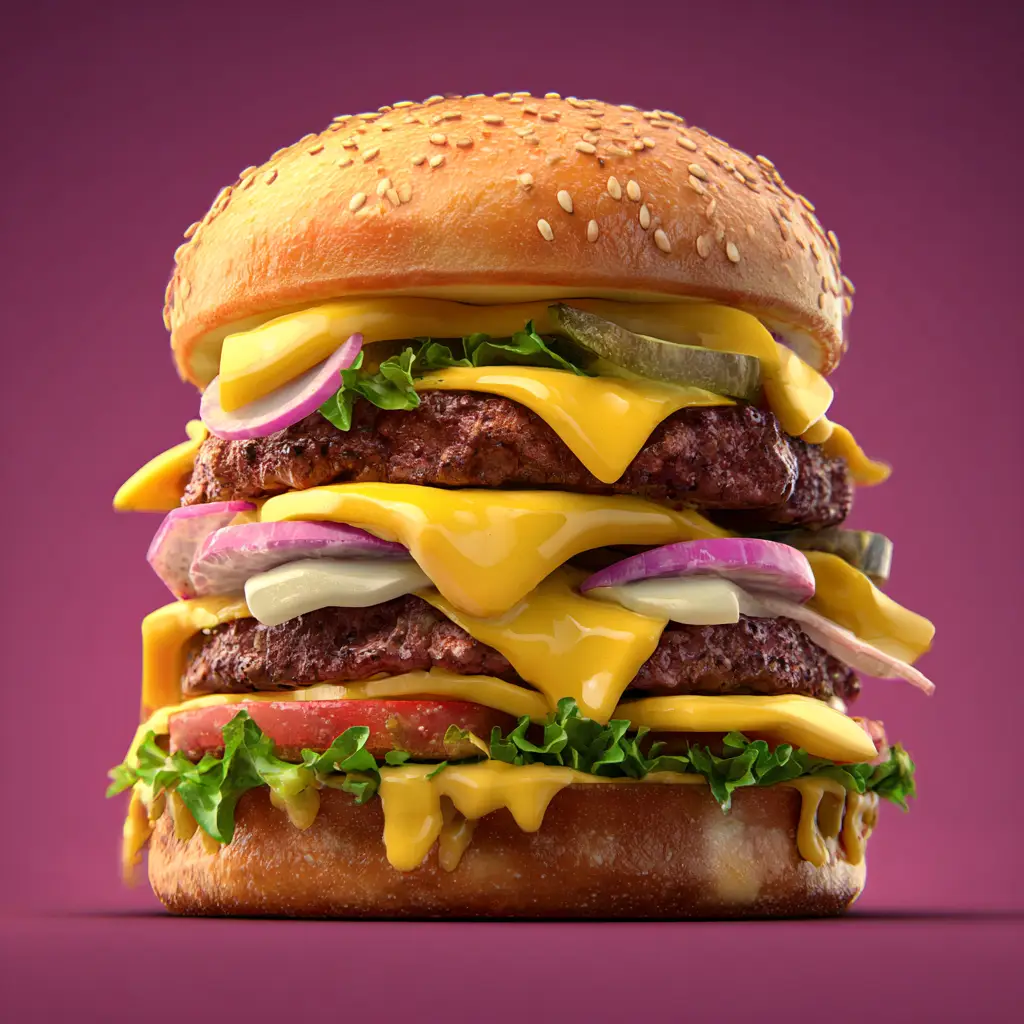
Here is a general breakdown of nutrition for the burger (based on the ingredients listed above). Your final numbers may vary depending on specific brands and portions. According to reputable sources a typical homemade hamburger patty plus bun falls in the range of around 400–620 calories.
If you substitute leaner meat and lighter condiments you can drive the calories down significantly. Using a lettuce wrap instead of a bun brings the carbohydrate and overall calorie count down dramatically.
Serving Suggestions
When it comes to serving the hamburger, the sides and presentation matter almost as much as the burger itself. Here are some ideas:
- Serve the burger with oven‑baked sweet potato fries or regular fries for a classic pairing.
- Offer a side salad dressed with vinaigrette and skip heavy cream‑based dressings to balance the meal.
- Accompany the burger with pickled vegetables or a lightly dressed slaw to add crispness and contrast.
- Provide condiments in small bowls so everyone can add exactly what they like: extra ketchup, mustard, hot sauce or aioli.
- Serve with a cold drink—water with lemon, iced tea or a light lemonade if you want a treat. Avoid sugar‑laden sugary sodas if you’re aiming for healthier eating.
- For a brunch twist: top with a fried egg and serve with a side of fresh fruit and roasted potatoes.
- Presentation count: place the burger on a wooden board, stack the toppings high and serve the sides in little metal baskets or ceramic bowls—it makes the meal feel restaurant‑quality at home.
- Encourage letting the burger rest for a minute before serving to retain juiciness. And cut it in half so the inside is visible and inviting.
Hamburger Recipe – Juicy Homemade Burger Guide with Ingredients and Tips
Course: Blog1
servings10
minutes8
minutes659
kcalIngredients
100g ground beef (80% lean)
1 hamburger bun (about 60g)
1 slice cheddar cheese (approx. 30g)
1 leaf of lettuce
1 tomato slice
1 onion slice
1 tbsp ketchup
1 tbsp mayonnaise
Pickle slices (about 20g)
Directions
- rections
- Let the ground beef sit at room temperature for 10–15 minutes for even cooking.
- Preheat your skillet or grill to medium-high heat. Add a teaspoon of oil if using a skillet.
- Season the beef with salt and pepper. Optionally, mix in a few drops of Worcestershire sauce.
- Shape the beef into a round patty, slightly wider than the bun. Make a small dimple in the center.
Recipe Video
Notes
- To make it healthier, choose leaner beef or a whole-wheat bun. For a low-carb version, replace the bun with lettuce wraps. Always let the burger rest for a minute before serving to keep it juicy inside.
FAQs
How do I know when the patty is safely cooked?
Ground meat needs to reach an internal temperature of 160 °F (71 °C) to be safe, according to food‑safety guidelines. Use a meat thermometer if you have one.
Can I make the patties ahead of time and store them?
Yes. You can form the patties, season them and refrigerate in a sealed container for up to 24 hours before cooking. For longer storage, freeze uncooked patties with wax paper between them, then thaw in the fridge before cooking.
What if I want a gluten‑free version?
Replace the bun with a gluten‑free alternative, or use lettuce leaves or a portobello mushroom cap as the base and top. Ensure condiments and cheese are certified gluten‑free.
How do I keep the burger from becoming dry inside?
Avoid over‑cooking. Use medium heat, flip once, do not press on the patty while cooking (that squeezes out juices) and let it rest for a minute after cooking.
Can I make a larger batch for guests?
Absolutely. For example, for four burgers use 400g ground beef, four buns, four cheese slices and quadruple the other ingredients. Adjust seasoning proportionally and cook in batches if needed.
Conclusion
Making a homemade hamburger offers both comfort and versatility. By choosing quality ingredients and paying attention to the cooking process you elevate this simple dish into something memorable. Whether you stick with a classic build or customize it to reflect your preferences, you engage with the food in a mindful way.