Fried Rice Recipe – Easy & Delicious Homemade Fried Rice”
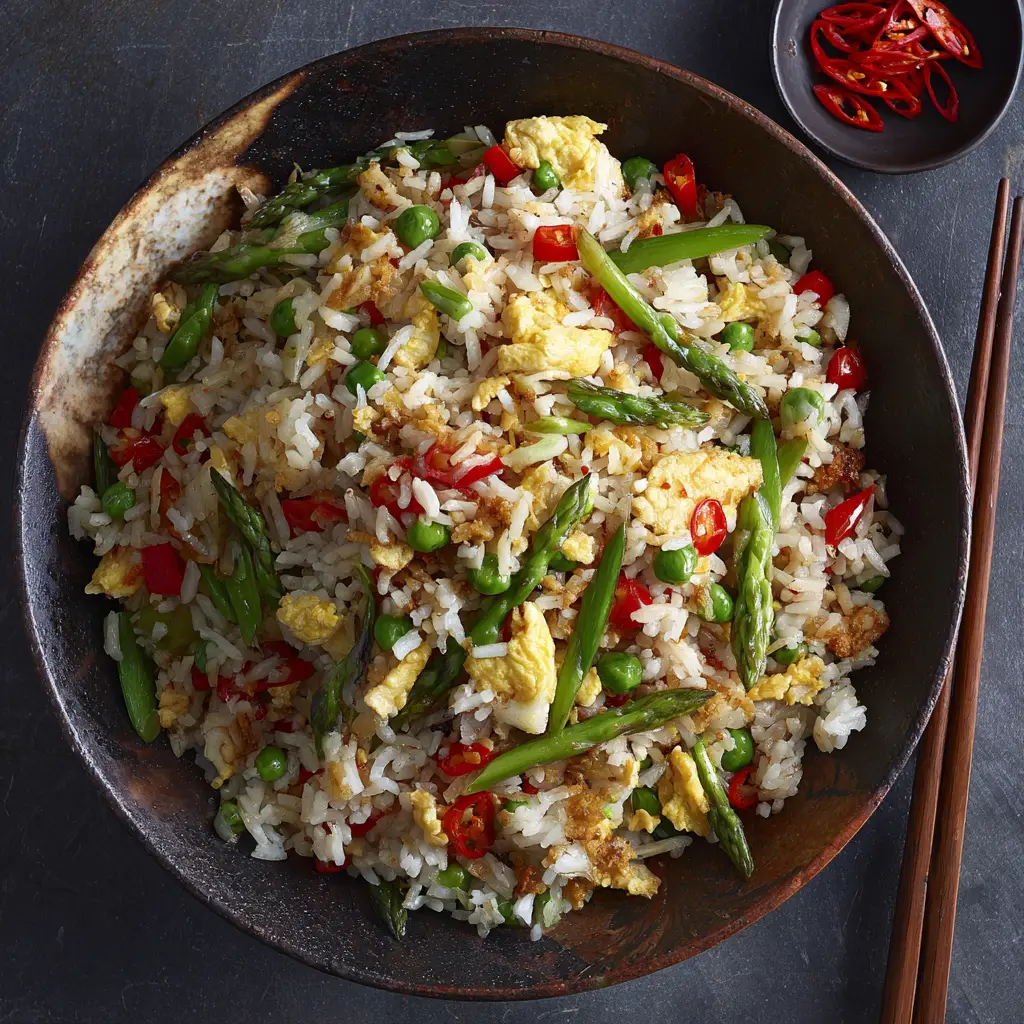
Fried rice holds a special place in kitchens around the world. Its appeal lies in the perfect balance of flavors, textures, and colors all combined in one satisfying dish.
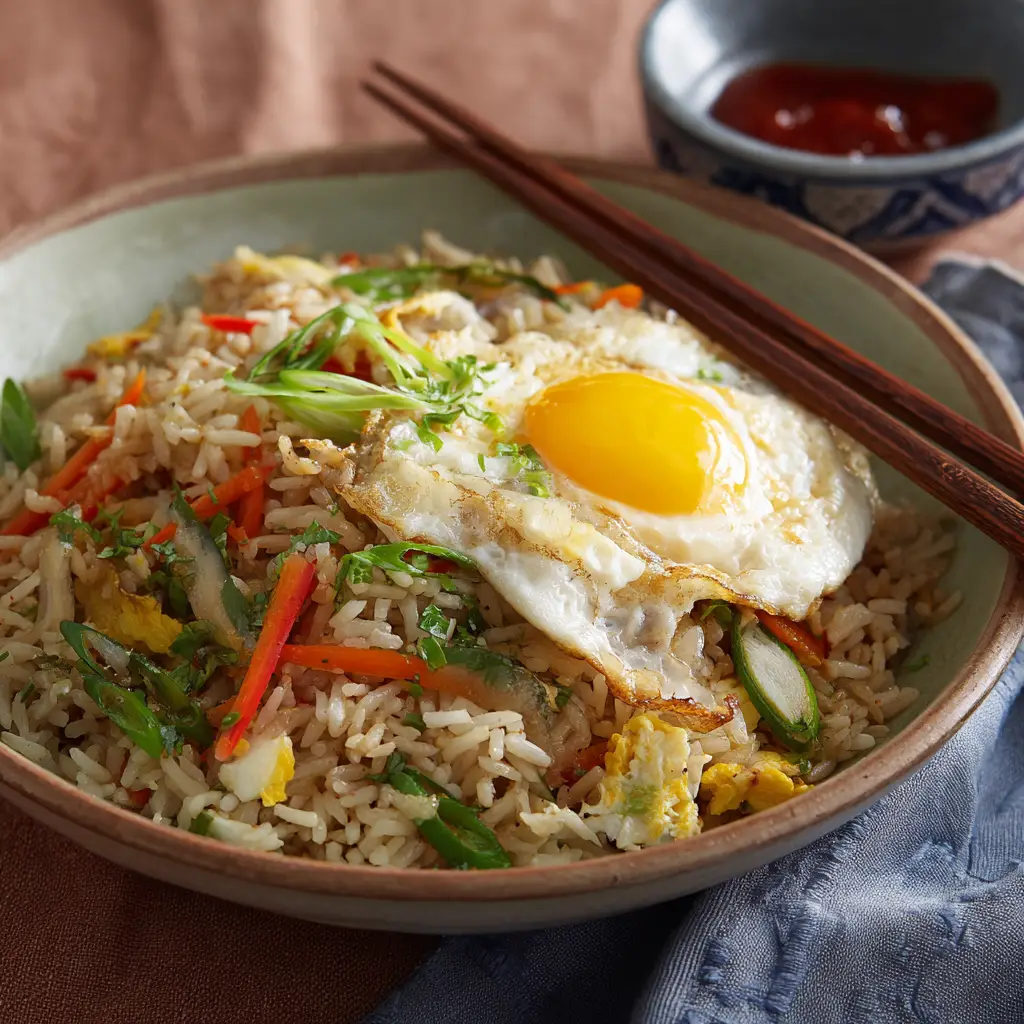
Many people often think of it as a simple side, but when made thoughtfully, it transforms into a complete meal that satisfies cravings and brings comfort. The beauty of fried rice is its versatility. You can make it with leftover rice, which absorbs flavors beautifully, and it comes together quickly, making it ideal for busy weeknights. The combination of vegetables, protein, and aromatic seasonings creates a dish that is rich, flavorful, and highly customizable. Learning the fundamentals of fried rice can elevate everyday cooking, offering endless possibilities for experimenting with tastes, textures, and ingredients.
Ingredients Needed
Creating the perfect fried rice requires fresh, quality ingredients and a mindful approach to portioning. Below is a clear table showing common ingredients along with their approximate calorie counts per serving. This helps in planning meals without compromising taste.
| Ingredient | Quantity | Calories (approx.) |
|---|---|---|
| Cooked rice | 3 cups | 600 |
| Eggs | 2 large | 140 |
| Carrots | 1 cup, diced | 50 |
| Peas | 1 cup | 120 |
| Green onions | 3 stalks, chopped | 15 |
| Garlic | 3 cloves, minced | 15 |
| Soy sauce | 3 tablespoons | 30 |
| Sesame oil | 2 teaspoons | 80 |
| Vegetable oil | 2 tablespoons | 240 |
| Chicken breast | 1 cup, diced | 220 |
This combination delivers a rich flavor profile with a moderate calorie count, making it suitable for family meals or quick lunches. The ingredients are flexible, and you can easily swap proteins or vegetables according to preference without compromising the overall taste.
Step-by-Step Cooking Instructions
Cooking fried rice involves a few key steps to achieve the perfect texture and flavor. Following these directions ensures each grain of rice is coated with flavor and remains fluffy.
- Prepare the rice: Using cold, day-old rice works best. Freshly cooked rice tends to clump together, while chilled rice allows for easier frying and better texture. Break apart any large clumps with your hands or a fork before cooking.
- Cook the protein: Heat one tablespoon of vegetable oil in a large skillet or wok over medium-high heat. Add diced chicken, shrimp, or tofu. Cook until golden brown and fully cooked, then remove from the pan and set aside.
- Sauté the aromatics: In the same pan, add the remaining vegetable oil. Add garlic and the white parts of the green onions. Stir frequently for about one minute until fragrant. Avoid burning the garlic as it can create a bitter taste.For more insights on this topic and Korean Beef and Rice-], make sure to check out our other recipe.
- Cook the vegetables: Add diced carrots, peas, and any additional vegetables you like. Stir-fry for 2 to 3 minutes until they are tender yet crisp.
- Scramble the eggs: Push the vegetables to one side of the pan. Crack the eggs into the empty space and scramble them gently. Once cooked, mix the eggs with the vegetables.
- Combine rice and protein: Add the chilled rice to the pan. Pour soy sauce and sesame oil evenly over the rice. Mix thoroughly, ensuring every grain is coated and the protein and vegetables are evenly distributed. Stir continuously for 3 to 5 minutes until the rice is heated through and slightly crispy in spots.
- Final touches: Sprinkle the green onion tops over the fried rice and give it a final stir. Taste and adjust seasoning if necessary, adding a pinch of salt or extra soy sauce as preferred. Serve immediately for the best flavor and texture.
Tips for Customizing the Recipe
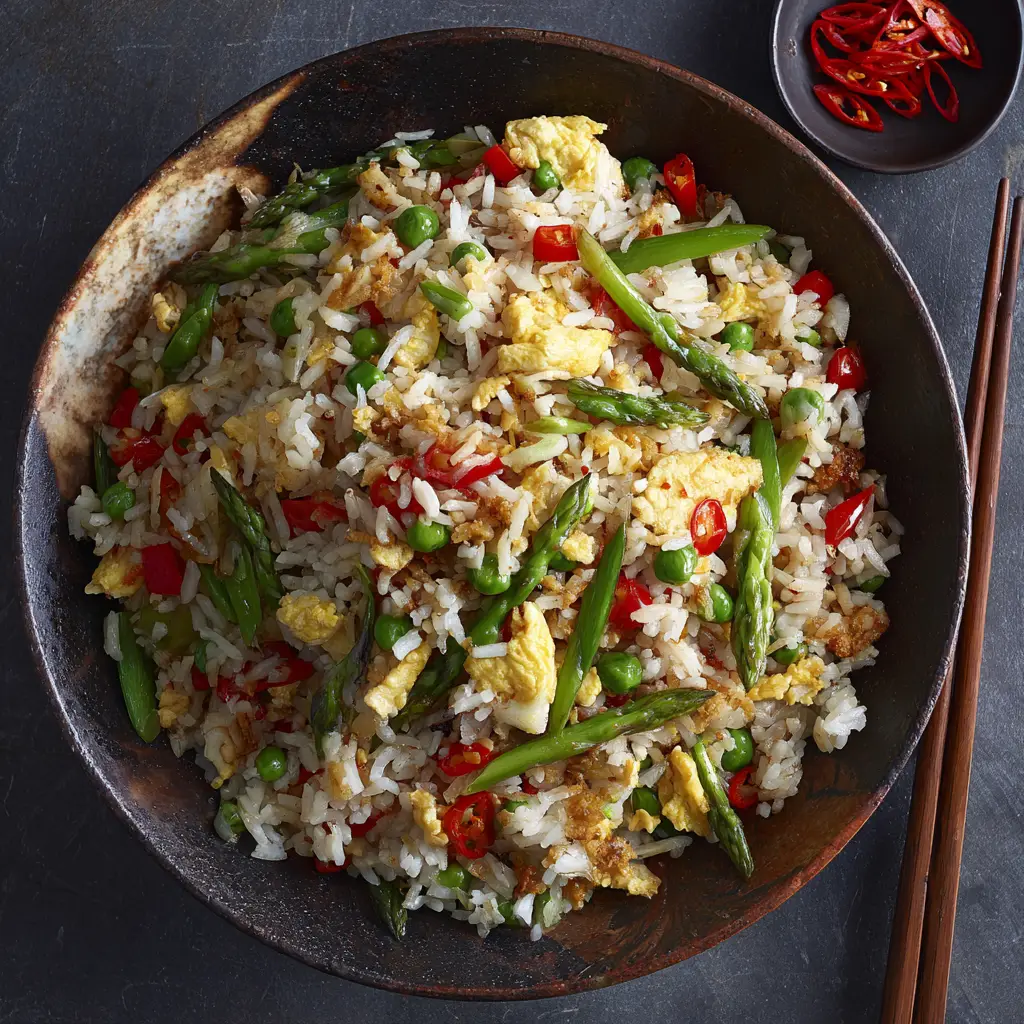
Fried rice is highly adaptable to different tastes and dietary needs. Adjusting ingredients or cooking methods can create a completely new experience each time.
- Change the protein: Chicken, beef, pork, shrimp, tofu, or tempeh all work well. You can also mix two proteins for added depth.
- Experiment with vegetables: Bell peppers, corn, broccoli, mushrooms, or zucchini can enhance both flavor and nutrition.
- Make it spicier: Add chili flakes, fresh chilies, or sriracha for heat. Start with a small amount and increase gradually.
- Use alternative grains: Brown rice, quinoa, or cauliflower rice are excellent substitutes for a healthier version.
- Enhance flavor: Ginger, oyster sauce, fish sauce, or hoisin sauce can give a restaurant-style taste. Add sparingly to balance flavors.
- Add crunch: Roasted cashews, peanuts, or water chestnuts add an interesting texture.
Customizing fried rice allows for creativity while making sure the dish suits personal tastes or nutritional goals. Each variation can feel unique, making fried rice a favorite go-to meal for experimentation.
Nutritional Information
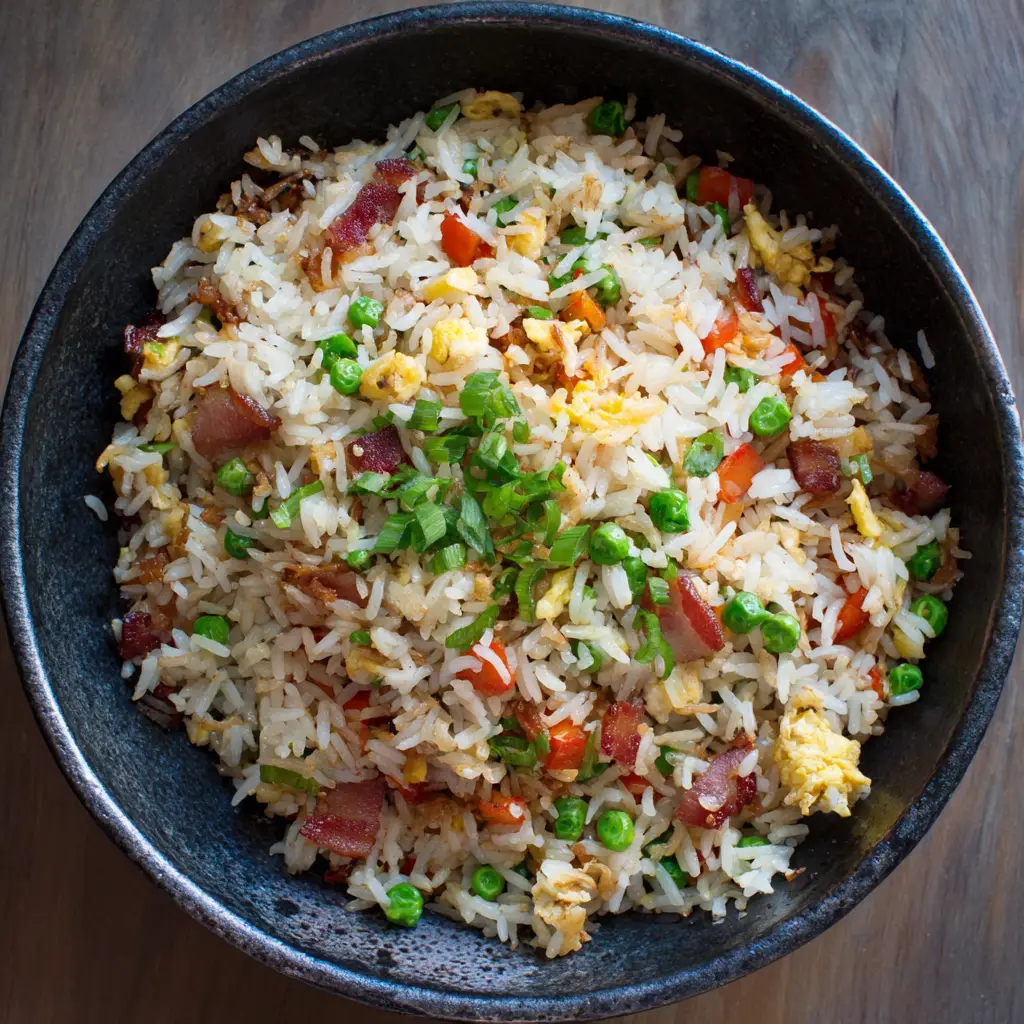
Fried rice offers a balanced mix of carbohydrates, protein, and healthy fats. The nutritional breakdown per serving (about 1.5 cups) for the basic recipe is as follows:
Including vegetables adds vitamins and minerals such as vitamin A, vitamin C, and potassium, while proteins like chicken or eggs provide essential amino acids. Adjusting oil or protein portions can make the dish lighter or more protein-rich based on dietary needs.
Serving Suggestions
Fried rice works well as both a main course and a side dish. Pairing it with other dishes enhances the meal experience.
- Serve with a side of egg drop soup or miso soup for a comforting meal.
- Pair with steamed or sautéed vegetables to increase fiber and nutrients.
- Add pickled vegetables or kimchi for a tangy contrast to the savory rice.
- Use fried rice as a filling for lettuce wraps for a light, handheld option.
- Garnish with fresh herbs like cilantro or parsley for extra aroma and color.
Fried rice also holds up well as leftovers and can be reheated with a drizzle of soy sauce and sesame oil to revive its flavor.
“Fried Rice Recipe – Easy & Delicious Homemade Fried Rice”
Course: Blog4
servings10
minutes15
minutes250
kcalIngredients
2 cups cooked rice (preferably cold)
2 tablespoons vegetable oil
1 small onion, finely chopped
2 garlic cloves, minced
1 cup mixed vegetables (carrots, peas, bell peppers)
2 eggs, lightly beaten
Directions
- Heat 1 tablespoon of oil in a large pan or wok over medium heat.
- Add onions and garlic; sauté until fragrant.
- Add mixed vegetables and cook for 3–4 minutes until tender.
- Push the vegetables to one side of the pan and pour in beaten eggs. Scramble until cooked.
- Add the cooked rice, soy sauce, oyster sauce (if using), salt, and pepper. Stir well to combine all ingredients
Recipe Video
Notes
- For best results, use day-old rice; it prevents the rice from becoming mushy.
You can add chicken, shrimp, or tofu for extra protein.
Adjust soy sauce according to your taste for saltiness.
Frequently Asked Questions
Can I use fresh rice instead of day-old rice?
Fresh rice can work, but it tends to stick together. Letting it cool completely or refrigerating for a few hours will improve texture.
Is fried rice healthy?
Yes, especially when loaded with vegetables and lean proteins. Reducing oil and choosing brown rice can make it even healthier.
Can I make fried rice vegetarian or vegan?
Absolutely. Use tofu or tempeh instead of meat and skip eggs or use a plant-based egg substitute.
How do I prevent fried rice from becoming mushy?
Using chilled, day-old rice and avoiding overcrowding the pan ensures grains stay separate and slightly crispy.
Can I freeze fried rice?
Yes, let it cool completely, then freeze in airtight containers. Reheat with a splash of water or soy sauce to refresh.
Conclusion
Fried rice is more than just a quick meal. It is a versatile, flavorful dish that allows for creativity and personalization. With simple ingredients and a clear process, anyone can achieve a restaurant-quality dish at home. It combines satisfying textures, rich aromas, and a balance of nutrients, making it ideal for lunch, dinner, or meal prep.