Charcuterie Board for Entertaining Made Easy
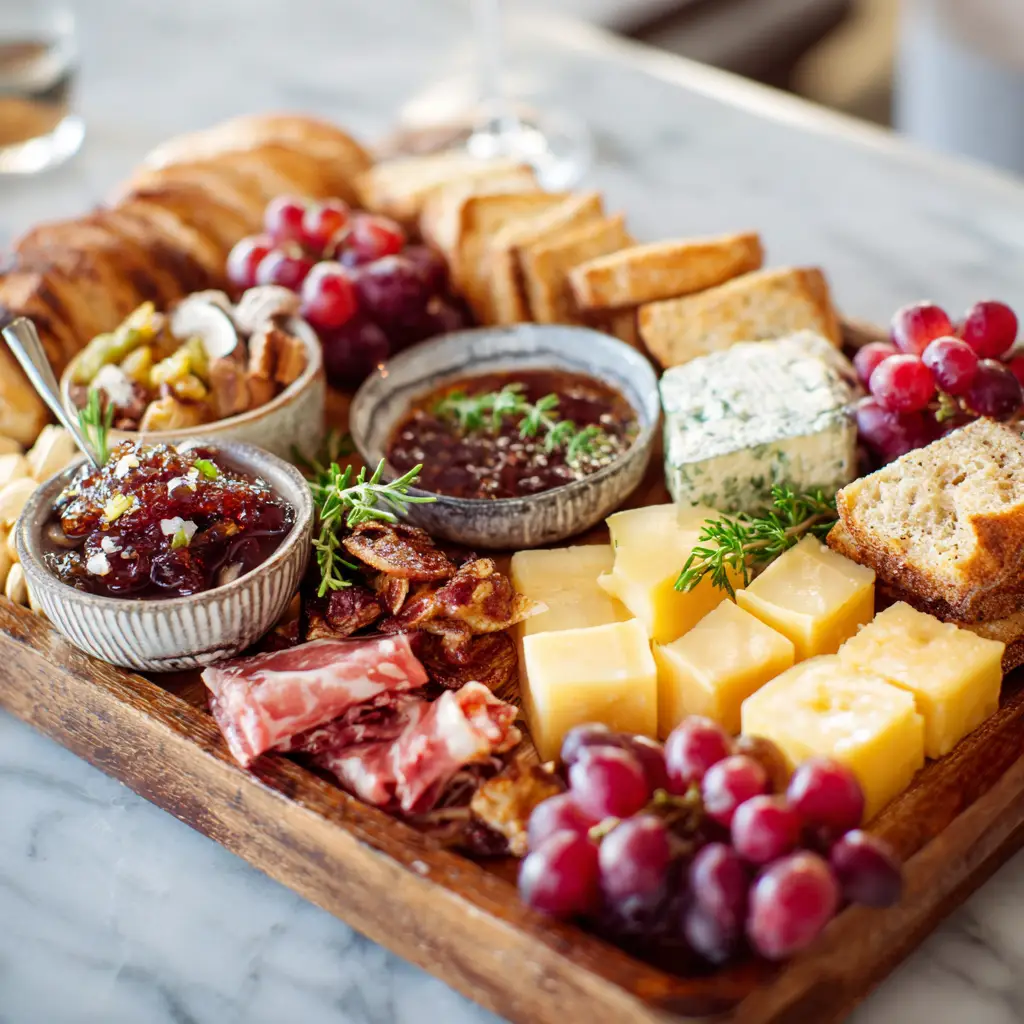
A beautifully arranged charcuterie board for entertaining turns any gathering into a memorable experience. Guests naturally gather around it. Conversations begin. Glasses clink. Laughter fills the room. A thoughtfully curated spread invites people to slow down and savor each bite while enjoying good company. Entertaining becomes effortless when a stunning board takes center stage on the table.
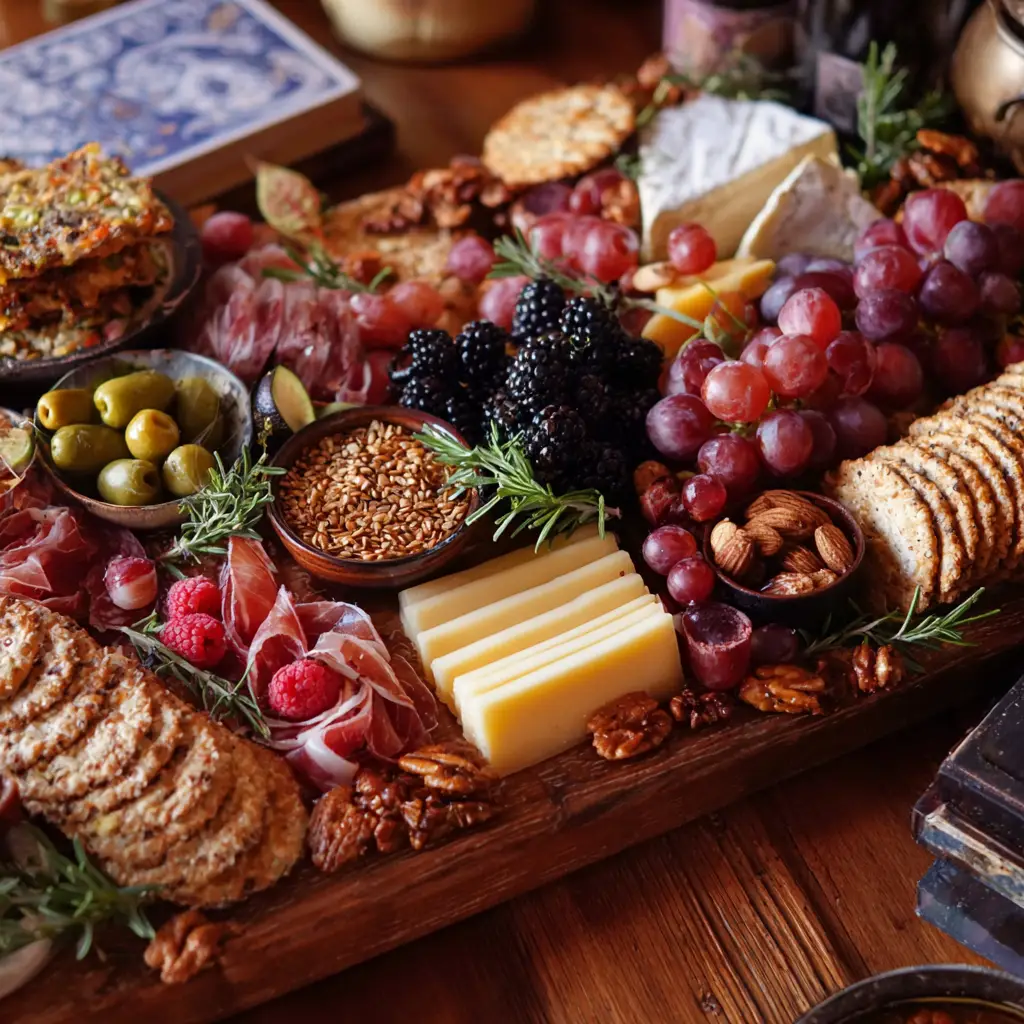
Hosting can feel overwhelming. Preparing a charcuterie board simplifies the process without sacrificing elegance. No complicated cooking techniques are required. No last minute stress in the kitchen. Just a well balanced combination of cured meats, cheeses, fruits, nuts, and spreads that create layers of flavor and texture. The visual appeal alone makes an immediate impression.
A charcuterie board works for nearly every occasion. Holiday parties. Birthday celebrations. Wine nights. Casual family get togethers. Even corporate events. Its versatility makes it one of the most popular entertaining trends in recent years. Search interest for charcuterie board ideas continues to grow as hosts look for creative and stylish ways to serve guests.
Balance defines a great board. Salty meets sweet. Creamy meets crunchy. Bold flavors contrast with mild options. Colors pop against neutral tones. Every element plays a role. With the right planning and thoughtful arrangement, your charcuterie board for entertaining becomes both a feast for the eyes and a delight for the palate.
Ingredients Needed
Creating the perfect charcuterie board begins with selecting high quality ingredients. Aim for variety in flavor, texture, and color. The following table outlines essential ingredients along with approximate calorie counts per standard serving.
| Ingredient | Serving Size | Approximate Calories |
|---|---|---|
| Prosciutto | 1 ounce | 70 calories |
| Salami | 1 ounce | 120 calories |
| Aged Cheddar Cheese | 1 ounce | 115 calories |
| Brie Cheese | 1 ounce | 95 calories |
| Goat Cheese | 1 ounce | 75 calories |
| Green Olives | 10 pieces | 40 calories |
| Mixed Nuts | 1 ounce | 170 calories |
| Crackers | 5 pieces | 80 calories |
| Baguette Slices | 1 slice | 90 calories |
| Fresh Grapes | 1 cup | 60 calories |
| Dried Apricots | 5 pieces | 100 calories |
| Honey | 1 tablespoon | 64 calories |
| Fig Jam | 1 tablespoon | 50 calories |
| Dark Chocolate | 1 ounce | 170 calories |
Feel free to adjust quantities depending on the size of your gathering. A good rule is about two ounces of meat and cheese per person for light snacking. Increase portions if the board serves as a main appetizer.
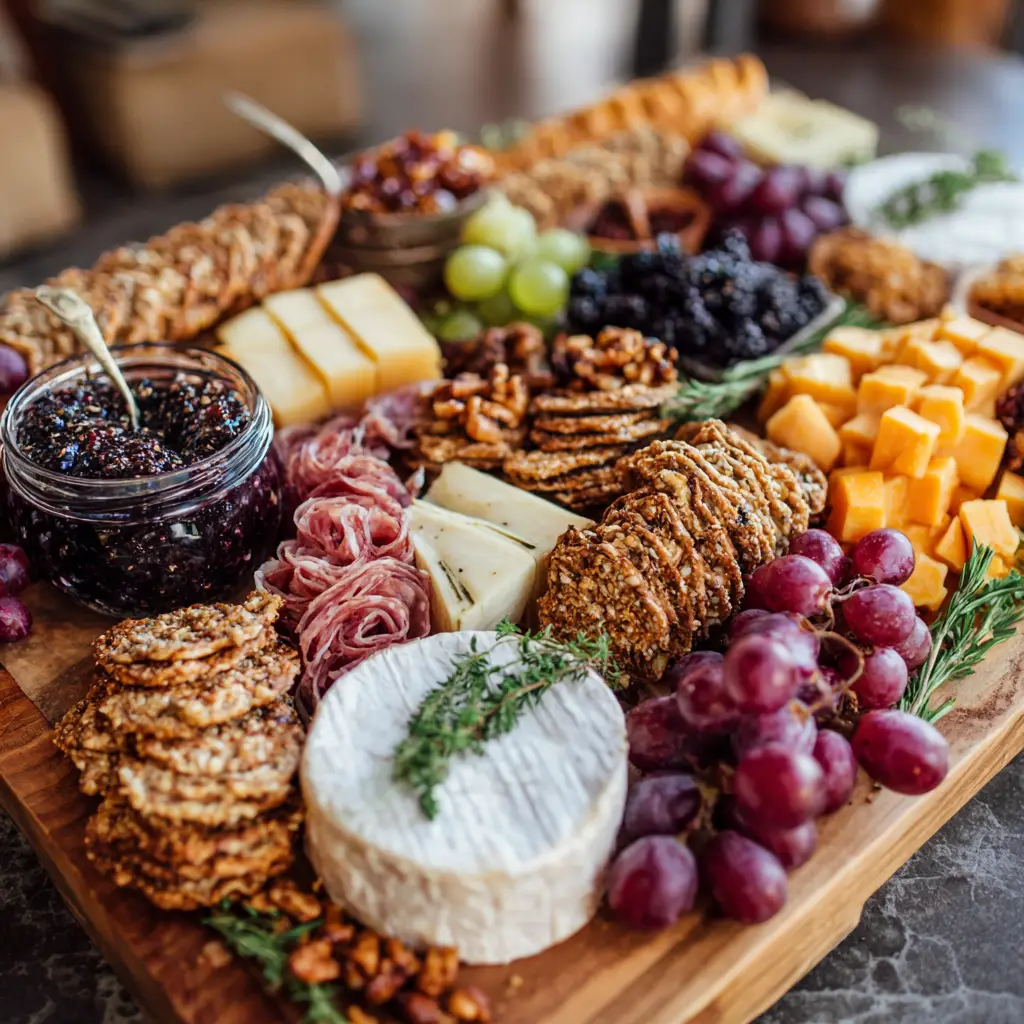
Step by Step Cooking Instructions
A charcuterie board does not require traditional cooking, yet preparation and assembly matter greatly. Follow these steps to create a visually stunning and well balanced presentation.
Step one involves selecting your board. Choose a large wooden board, marble slab, or serving tray. Space allows ingredients to shine without overcrowding. A board that is too small feels cramped and messy.
Step two focuses on cheeses. Place cheeses first since they act as anchors. Position them in different areas of the board to create balance. Leave enough room around each cheese for slicing. Hard cheeses can be pre sliced. Soft cheeses should include a separate knife.
Step three adds cured meats. Fold slices of prosciutto into loose ribbons. Arrange salami in overlapping layers or small stacks. Create height and dimension. Visual interest keeps the board dynamic rather than flat.
Step four introduces small bowls. Fill them with honey, fig jam, olives, or nuts. Bowls prevent liquids from spreading across the board. Place them strategically between meats and cheeses to fill empty spaces.
Step five incorporates fresh and dried fruits. Tuck grapes between cheese wedges. Scatter dried apricots near nuts. The natural colors brighten the entire arrangement.
Step six completes the board with crackers and bread. Fan crackers along the edges. Stack baguette slices neatly. Leave some negative space so guests can easily access items without knocking others over.
Final touches matter. Add sprigs of fresh herbs like rosemary for aroma and color. Step back and assess the layout. Adjust as needed to ensure balance and flow.
Tips for Customizing the Recipe
A charcuterie board for entertaining offers endless opportunities for personalization. Tailor your board to match the theme, season, or guest preferences.
Consider a seasonal approach. In summer, include fresh berries, melon slices, and light cheeses. Autumn calls for apples, pears, and spiced nuts. Winter gatherings pair beautifully with cranberry compote and aged cheeses. Spring invites pastel colors and fresh herbs.
Dietary needs should guide your selections. Offer gluten free crackers for sensitive guests. Include plant based cheeses and marinated vegetables for vegetarian attendees. Thoughtful accommodation makes everyone feel welcome.
Global inspiration adds excitement. An Italian themed board might feature prosciutto, mozzarella, and marinated artichokes. A Spanish inspired version could include chorizo, manchego, and quince paste. Regional flavors create a culinary journey without complicated preparation.
Texture balance remains crucial. Creamy brie pairs well with crunchy almonds. Sharp cheddar contrasts beautifully with sweet honey. Keep flavor intensity varied so one ingredient does not overpower the rest.
Portion planning prevents waste. Estimate appetite levels and event duration. Smaller gatherings require fewer options but maintain variety. Larger parties benefit from duplicate boards placed in different areas to avoid crowding.
Nutritional Information
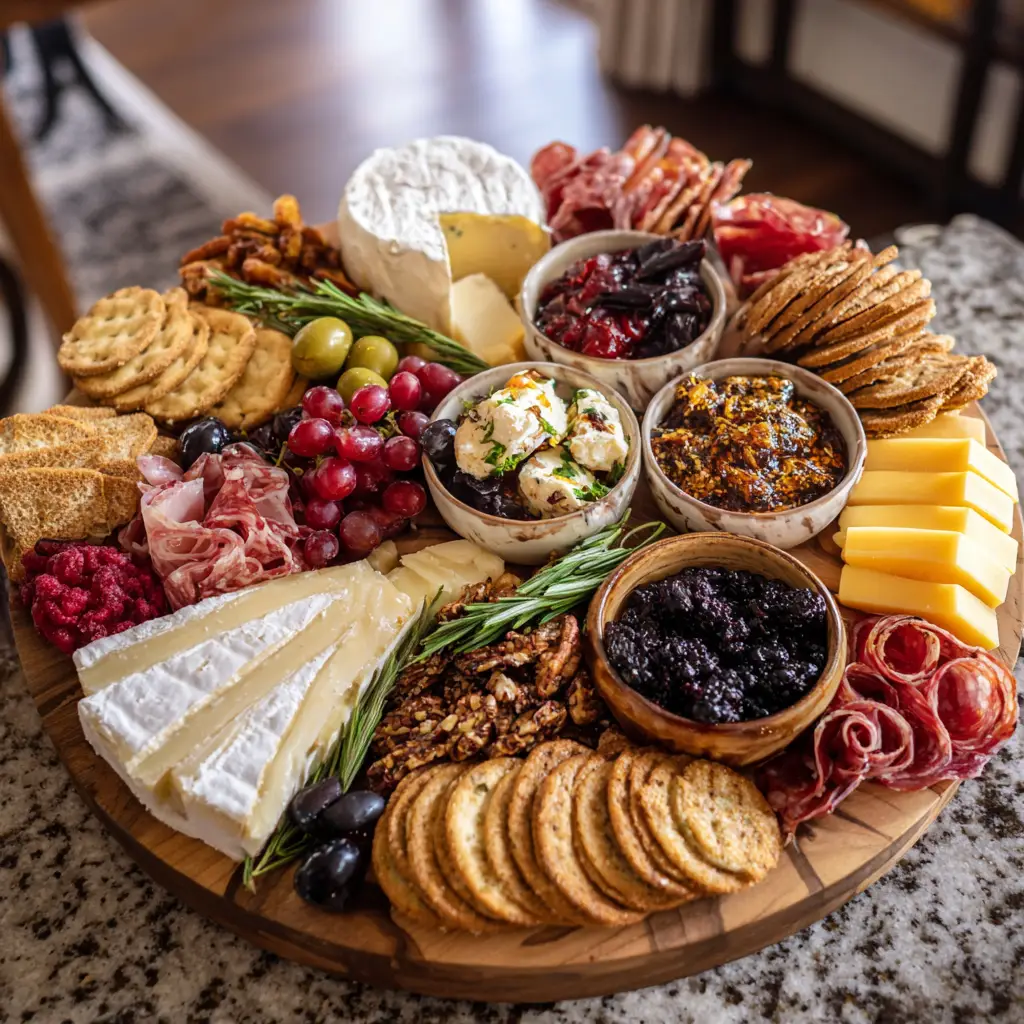
Nutritional content depends on ingredient choices and portion sizes. Charcuterie boards typically contain a mix of protein, healthy fats, carbohydrates, and fiber.
Cured meats provide protein and iron but can be high in sodium. Cheese contributes calcium and protein along with saturated fat. Nuts deliver heart healthy fats and fiber. Fresh fruits add natural sugars, vitamins, and hydration. Crackers and bread supply carbohydrates for energy.
Moderation ensures balance. Encourage guests to combine items thoughtfully. Pairing meats with fruit and nuts creates a more rounded bite. Including lighter options such as fresh vegetables can reduce overall calorie density.
Average calorie intake per serving of a mixed plate ranges from 300 to 500 calories depending on portion size. Guests can easily control portions by sampling small amounts of each item rather than loading a plate heavily.
Serving Suggestions
Presentation elevates your charcuterie board for entertaining from simple snack tray to centerpiece. Serve at room temperature for optimal flavor. Remove cheeses from refrigeration at least thirty minutes before guests arrive. Cold cheese lacks depth and aroma.
Provide proper utensils. Small knives for cheeses. Tongs for meats. Mini spoons for jams and honey. Separate tools prevent flavor mixing and maintain cleanliness.
Pair your board with complementary beverages. Wine enhances many cured meats and cheeses. Sparkling water offers a refreshing non alcoholic option. Craft beer can highlight nutty and savory flavors.
Placement matters. Set the board in a central location where guests can gather comfortably. Ensure enough lighting so colors and textures stand out. A well lit display encourages guests to indulge.
Refill as needed. Keep extra ingredients ready in the refrigerator. A refreshed board maintains its appeal throughout the event.
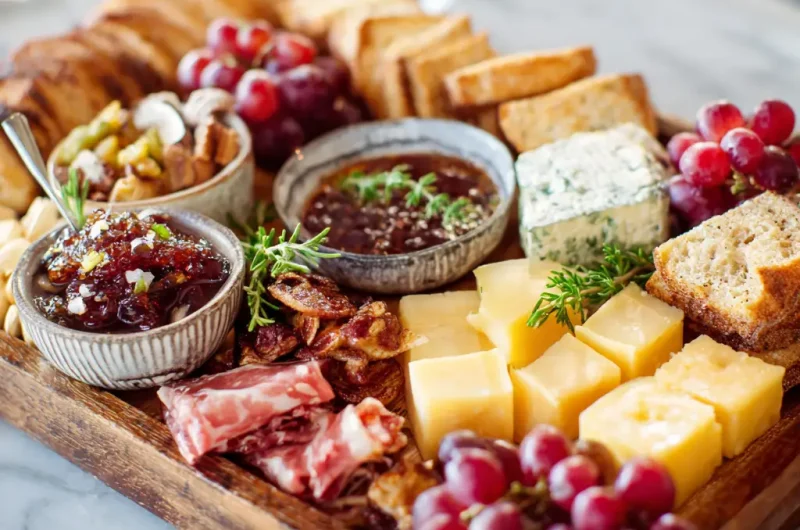
Charcuterie Board for Entertaining Made Easy
Course: Blog8
servings30
minutes450
kcalIngredients
4 ounces prosciutto
4 ounces salami
6 ounces aged cheddar cheese sliced
6 ounces brie cheese
4 ounces goat cheese
1 cup green olives
1 cup mixed nuts
1 baguette sliced
1 box assorted crackers
1 cup fresh grapes
1 cup dried apricots
3 tablespoons honey
3 tablespoons fig jam
4 ounces dark chocolate
Fresh rosemary sprigs for garnish
Directions
- Select a large wooden or marble board with enough space for all ingredients.
- Place cheeses on the board first, spacing them apart to create balance.
- Fold and arrange the prosciutto and salami around the cheeses to add height and texture.
- Add small bowls filled with honey, fig jam, and olives to prevent spreading.
- Arrange grapes and dried apricots around the board for color and sweetness.
- Scatter mixed nuts in small clusters to fill empty spaces.
- Fan out crackers and place sliced baguette along the edges of the board.
- Add dark chocolate pieces in small sections for a sweet finish.
- Garnish with fresh rosemary sprigs.
- Serve at room temperature for best flavor.
Recipe Video
Notes
- Remove cheeses from the refrigerator at least 30 minutes before serving to enhance flavor and texture.
Adjust ingredient quantities based on the number of guests.
For a lighter option, add fresh vegetables such as cucumber slices or cherry tomatoes.
Keep backup ingredients refrigerated and refill the board as needed during your event
Frequently Asked Questions
How far in advance can I prepare a charcuterie board for entertaining
Preparation can begin several hours before guests arrive. Slice cheeses and prepare fruits ahead of time. Assemble the board up to one hour before serving. Cover loosely with plastic wrap and refrigerate if necessary. Allow it to sit at room temperature before serving.
How much charcuterie should I plan per person
Plan for two to three ounces of meat and cheese per guest for appetizers. Increase quantities if the board replaces a full meal. Variety often matters more than large portions.
What is the best board size for entertaining
Board size depends on guest count. Small gatherings of four to six people work well with a medium board. Larger parties benefit from multiple boards placed around the room to prevent crowding.
Can I create a budget friendly charcuterie board
Absolutely. Choose fewer premium cheeses and balance them with affordable fruits, crackers, and nuts. Presentation plays a major role. Thoughtful arrangement can elevate even simple ingredients.
How do I keep a charcuterie board fresh during a long event
Avoid direct sunlight and heat. Replace perishable items as needed. Keep backup portions chilled and swap them in throughout the event to maintain quality.
Conclusion
A charcuterie board for entertaining brings people together in the most natural way. Rich flavors. Vibrant colors. Inviting textures. Every element encourages sharing and conversation. Hosting feels easier when such a beautiful spread greets guests at the door.
Creativity transforms simple ingredients into an impressive centerpiece. Thoughtful balance keeps flavors exciting. Personal touches make each board unique. With careful planning and attention to detail, your charcuterie board becomes more than an appetizer. It becomes an experience your guests will remember long after the last bite.