Baked Fish Recipes for Healthy and Delicious Dinners | Easy Oven-Baked Fish Ideas
Introduction
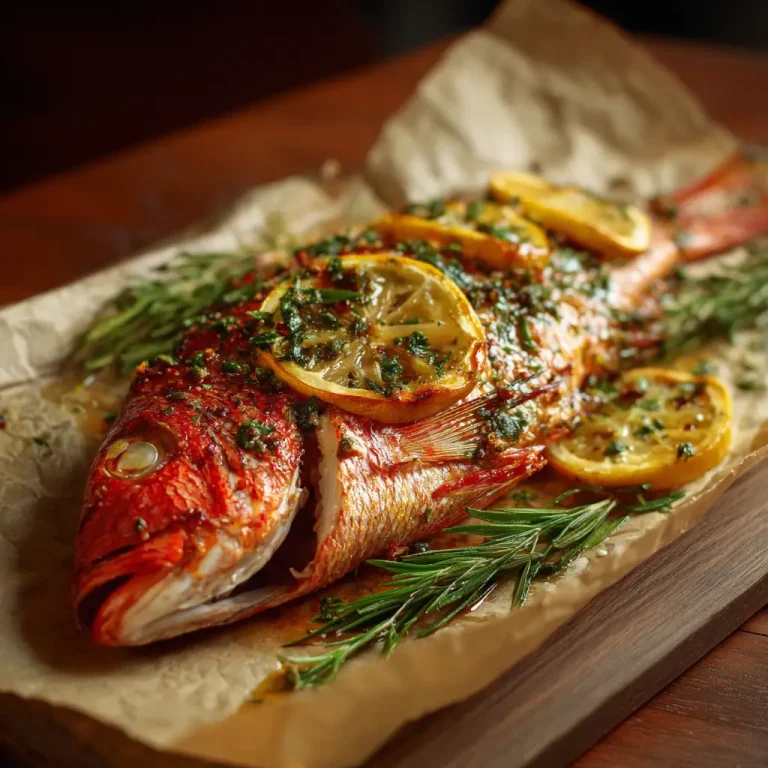
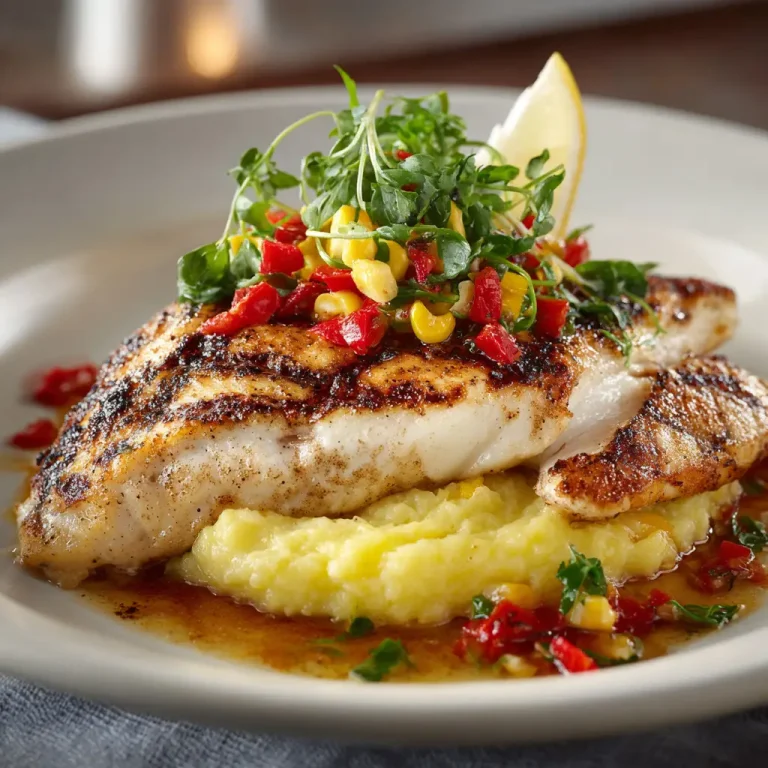
Imagine pulling a perfectly baked fillet of fish from the oven, its edges crisp and golden while the interior remains tender and moist, releasing a fragrant aroma of lemon and herbs. Cooking fish in this way brings out its delicate flavor while keeping the preparation simple and clean. Whether you are a seasoned cook or someone looking for an easy weeknight meal, baked fish offers a healthy, satisfying option that suits a wide variety of tastes. In this article I will guide you through a complete baked fish recipe—from ingredients and cooking instructions to nutrition information, customization ideas and serving suggestions—so you walk away feeling confident and inspired in the kitchen.
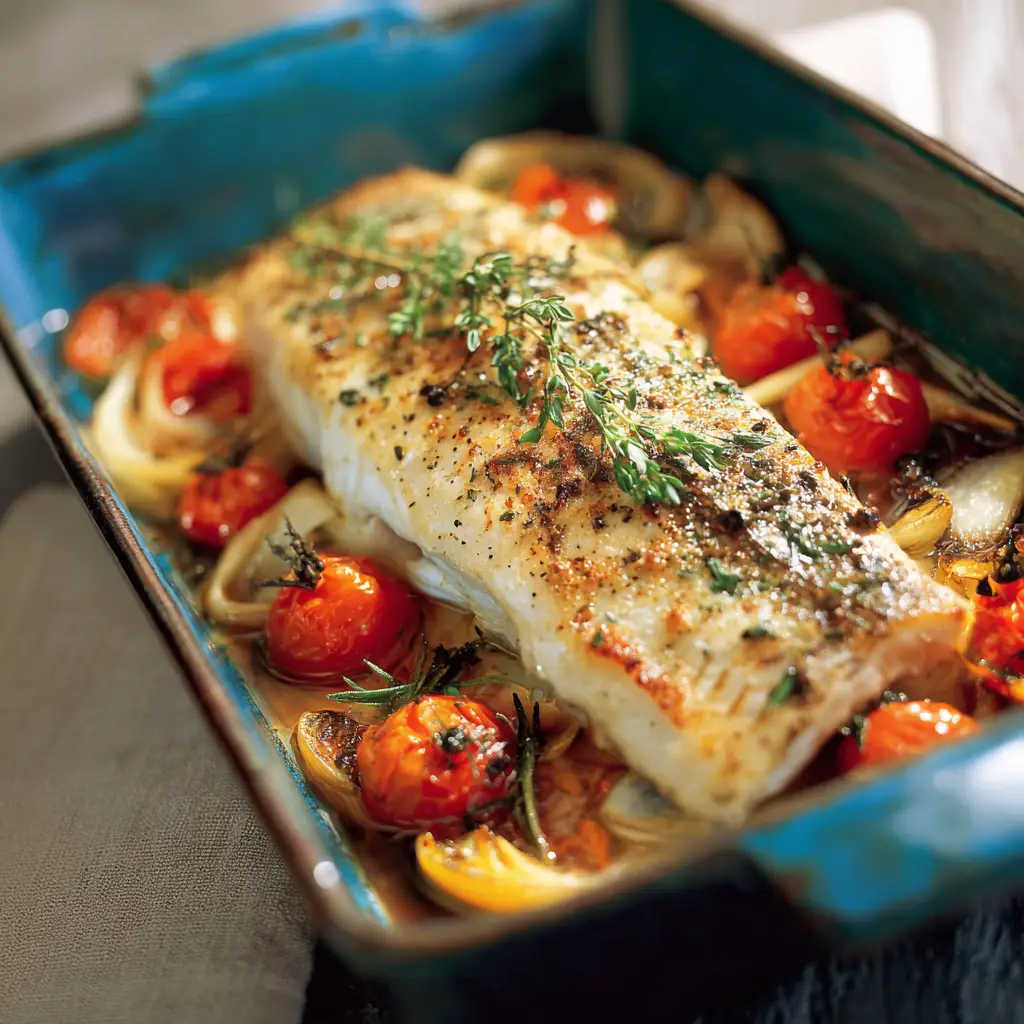
Fish is one of those ingredients that feels elegant yet accessible. With the right technique, you can transform a plain fillet into something truly delicious without relying on heavy sauces or long cooking times. Baking fish retains moisture and flavor far better than overcooking in a pan, and allows for clean, crisp finishes with minimal fuss. As more people look for meals that are both flavorful and health conscious it becomes important to know how to bake fish properly, season it well, and pair it with complementary sides. Let’s start by gathering the ingredients you’ll need for making a classic baked fish dish.
Ingredients Needed
Here is a table listing the main ingredients you will need for this baked fish dish, with approximate calorie counts per portion. Adjust quantities based on how many servings you need.
| Ingredient | Amount (for about 4 servings) | Approximate Calories per Serving* |
|---|---|---|
| White fish fillets (cod, tilapia, haddock) – 4 fillets (~150 g each) | ~600 g total | ~120 kcal |
| Olive oil – 2 Tbsp | ~30 mL | ~40 kcal |
| Lemon juice – 2 Tbsp | ~30 mL | ~5 kcal |
| Garlic – 2 cloves (minced) | ~6 g | ~3 kcal |
| Fresh parsley or cilantro – 2 Tbsp chopped | ~8 g | ~2 kcal |
| Salt – to taste | — | ~0 kcal |
| Black pepper – to taste | — | ~0 kcal |
| Optional: paprika or dried herbs (thyme/oregano) – 1 tsp | ~2 g | ~5 kcal |
*Calories are estimates and refer to the fish plus seasoning only; additional sides or sauces will increase the total. For example a heart-healthy baked fish recipe showed around 138 calories for a serving.
This table gives you a ballpark of what to use and what the calorie impact may be. The fish fillet itself provides the bulk of the calories—and the nutrition value—while the oil, lemon, garlic and herbs add flavor without too many extra calories. With these ingredients ready you can move on to the cooking instructions.
Step-by-Step Cooking Instructions
Follow these steps carefully to bake fish that is flavorful and tender, with just the right texture and doneness.
- Preheat the oven. Set your oven to around 200 °C (about 400 °F). A moderately high temperature ensures the fish cooks quickly and stays moist inside.Looking for something similar? Check out Baked Fish Recipe Oven.
- Prepare the fish. Pat the fillets dry with paper towels to remove excess moisture. This helps the seasoning stick and prevents steaming instead of baking.
- Season the fish. In a small bowl combine the olive oil, lemon juice, minced garlic, chopped fresh parsley (or cilantro), salt and black pepper. Brush this mixture evenly over both sides of each fish fillet. If you like, sprinkle a little paprika or dried herbs (like oregano or thyme) on top for extra flavor and aroma.
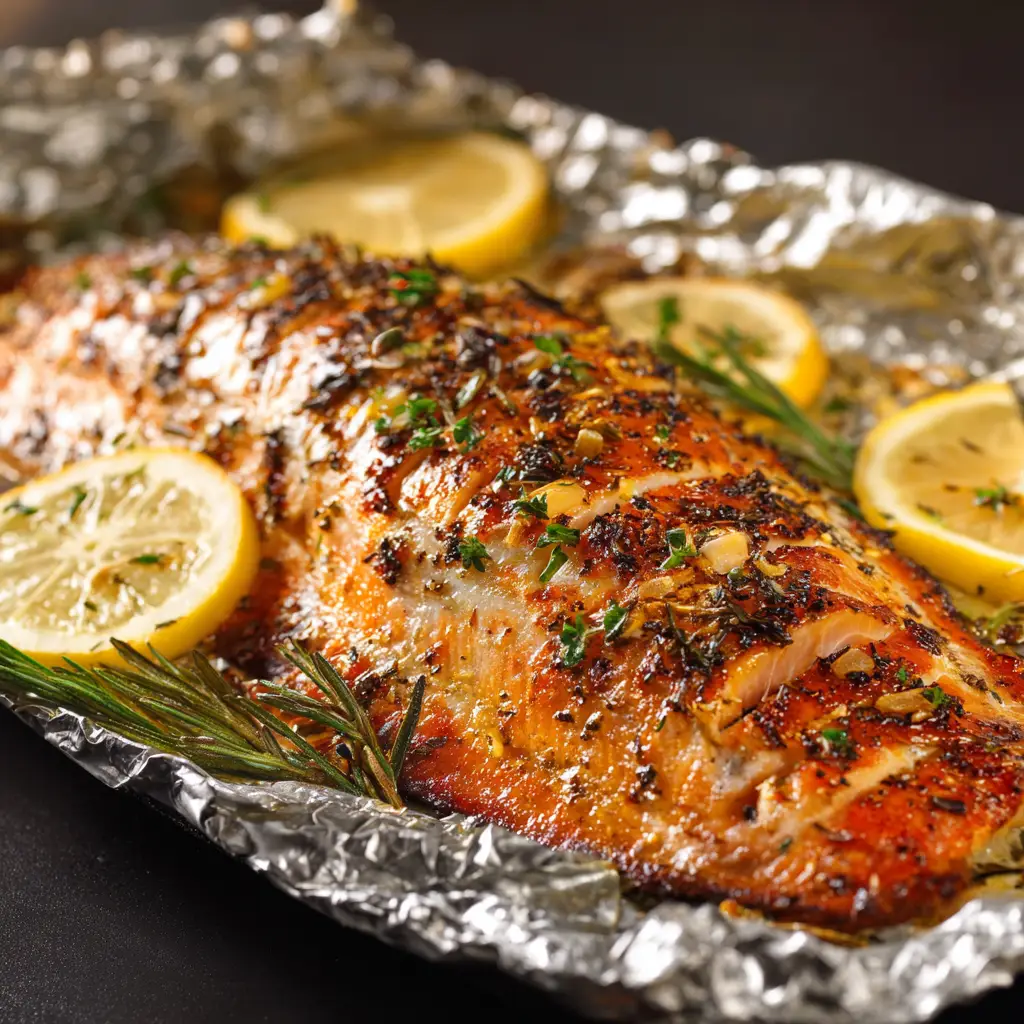
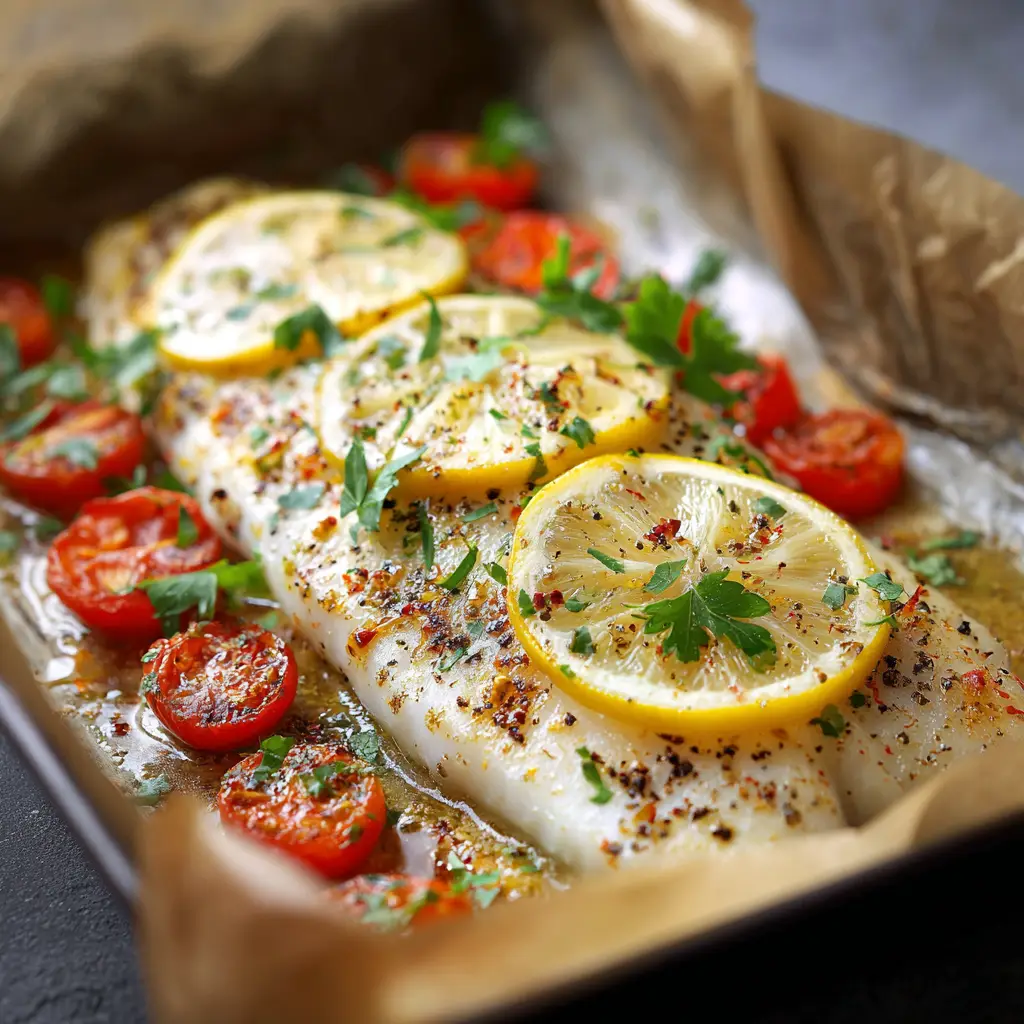
- Arrange in the baking dish. Lightly grease a baking dish or line it with foil for easier cleanup. Lay the fish fillets in a single layer so they cook evenly. If you like, you may place thin lemon slices under each fillet to infuse more citrus flavor.
- Bake the fish. Place the dish into the preheated oven. Baking time will depend on the thickness of your fillets, but generally around 12-15 minutes is sufficient for a standard fillet (~150 g). You are looking for the fish to become opaque and to flake easily with a fork. Overcooking will make it dry.
- Check doneness. Insert a fork or knife into the thickest part of a piece; if the fish flakes and is no longer translucent in the middle, it is done. According to some guidance a safe minimum internal temperature for fish is 145 °F (about 63 °C).
- Rest and serve. Remove the dish from the oven and allow the fish to rest for a minute or two. This lets the juices settle. Garnish with extra parsley or lemon wedge if you like. Serve immediately while warm for best texture and flavor.
By following these steps you ensure your fish comes out moist, well-seasoned and beautifully baked. The simplicity of the method lets the natural flavor of the fish shine. Next we will explore how you can customize this basic recipe to make it your own.
Tips for Customizing the Recipe
While the basic baked fish recipe is excellent on its own, here are several ideas to customize it according to your preferences, dietary needs or what you have on hand:
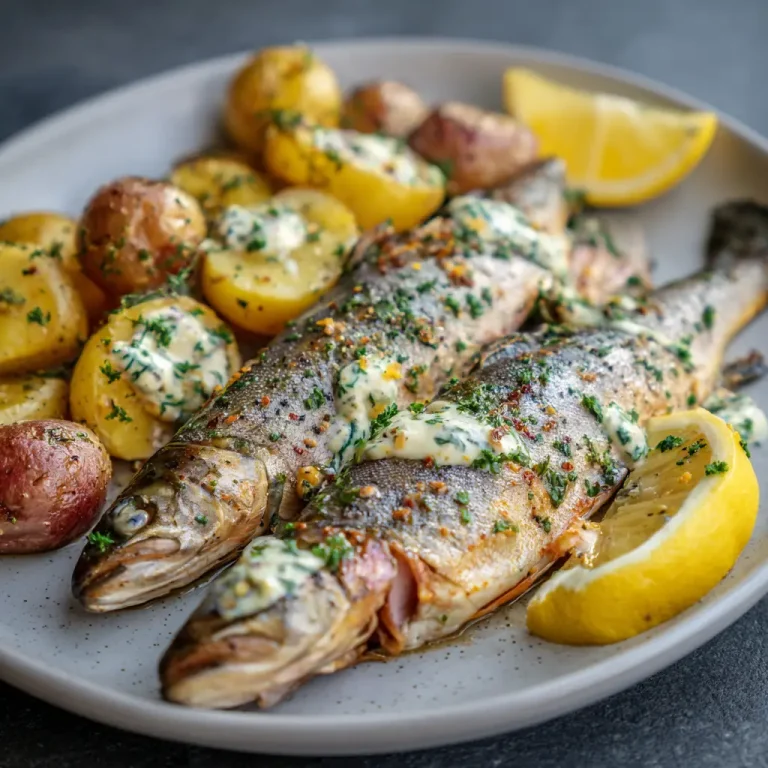
- Choose a different type of fish. While white fish such as cod, haddock or tilapia work well, you could also experiment with salmon or trout. Just remember that thicker or fattier fish may require a slightly longer baking time.
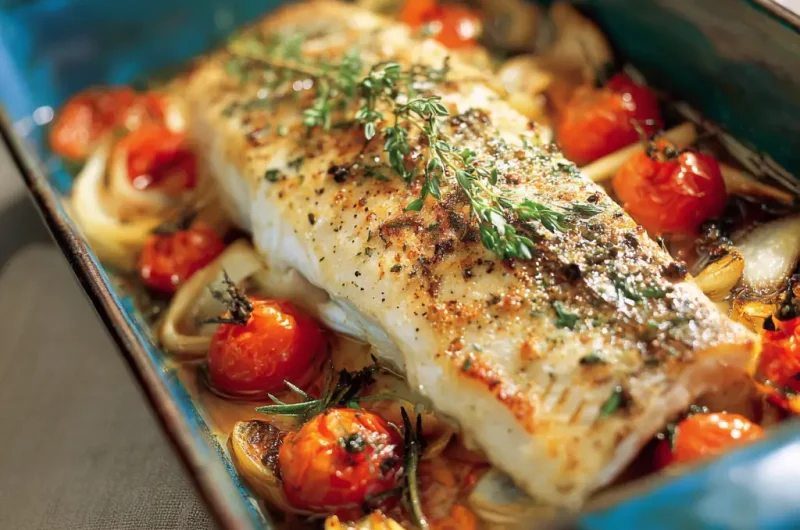
- Change the flavor profile. Swap out lemon-garlic for lime and cilantro for a Latin twist; or use orange juice and ginger for an Asian flair. You could also try a Mediterranean seasoning with olive oil, oregano, garlic and cherry tomatoes.
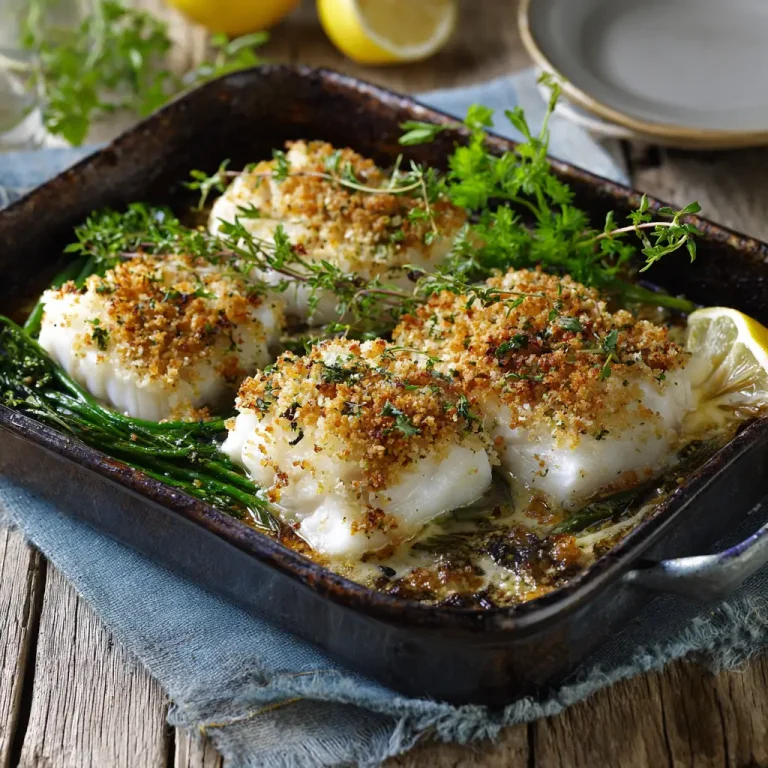
- Add a crust or topping. For a little crunch you might mix breadcrumbs with parmesan cheese and herbs, then sprinkle over the fillets before baking. One version using parmesan resulted in about 175 calories per serving.
- Use herbs and spices you prefer. Paprika, smoked paprika, cayenne pepper or cumin can add heat or smoky depth. Dried thyme, oregano or rosemary work for a more herb-forward taste.
- Include vegetables in the baking dish. You could lay the fish on a bed of sliced zucchini, cherry tomatoes and green beans, or surround it with thinly sliced potatoes or carrots for a one-pan meal.
- Adjust oil for health concerns. To reduce total fat, you could use just a light spray of olive oil instead of brushing full tablespoons. One heart-healthy recipe used minimal oil and still provided good flavor
- Marinate ahead of time. If you have time, marinade the seasoned fish for 30 minutes before baking. This can boost flavor especially if using bold ingredients like garlic, ginger, or chili flakes.
Using these customization tips you can adapt the recipe to your cuisine style, dietary goals or ingredient availability—and keep the process fresh so it doesn’t feel repetitive.
Nutritional Information
Understanding the nutrition of your baked fish meal helps you plan and balance your diet. Below are some typical estimates and notes based on general figures and published sources.
Typical Nutritional Profile (per serving)
Key Takeaways
- Baked fish can serve as a lean, high-protein main dish with minimal carbs.
- The calorie count remains modest if you keep oil and heavy toppings light.
- The biggest nutrition boost comes from choosing a quality fish (fresh if possible), seasoning smartly and avoiding heavy frying or thick sauces.
- If you add sides such as seasoned potatoes, rice or creamy sauces, be mindful the calorie and carb counts will rise significantly.
Referencing trusted sources like the National Heart, Lung, and Blood Institute and United States Department of Agriculture indicates baked fish is recommended as part of a healthy eating pattern
Serving Suggestions
Now that your fish is baked and ready, the right sides and accompaniments can turn the meal into a well-rounded dining experience. Here are some ideas:
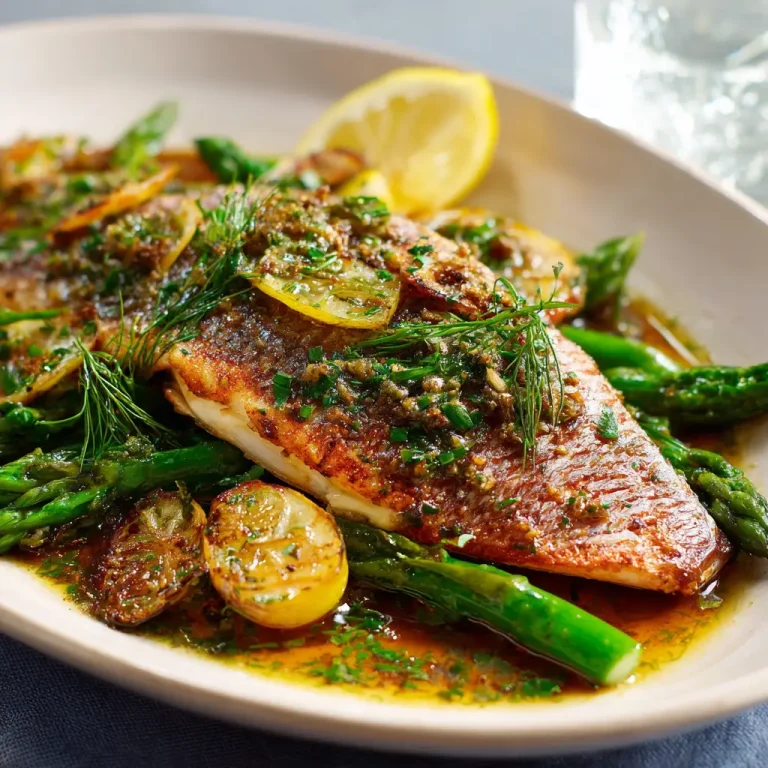
- Vegetable sides: Serve the fish with steamed or roasted green beans, asparagus, zucchini or a simple garden salad. These keep the meal light and healthy.
- Whole grains or light starches: Quinoa, brown rice, couscous or a small baked potato work well. Choose smaller portions to keep the meal balanced.
- Citrus or herb garnish: A wedge of fresh lemon or lime, a sprinkle of chopped fresh parsley or cilantro adds freshness.
- Light sauce or drizzle: For an elegant finish you might drizzle a little flavored olive oil or a simple garlic-herb butter (in moderation).
- Bread accompaniment: A slice of crusty whole-grain bread or a small dinner roll can complement the fish without overwhelming it.
- Wine or drink pairing: If you enjoy a beverage with dinner, a crisp white wine such as Sauvignon Blanc or a light herbal iced tea can pair nicely.
- Make it a whole meal: To turn this into a heartier plate, pair the fish with roasted root vegetables or a sweet potato mash and steamed greens—keeping origination of flavor simple so fish remains the star.
Serving the fish immediately after baking ensures the best texture and flavor. If it sits too long, it may dry slightly or lose its fresh appeal. With thoughtful pairings you’ll have a meal that feels special yet remains straightforward to execute.
Baked Fish Recipes for Healthy and Delicious Dinners | Easy Oven-Baked Fish Ideas
Course: Blog4
servings10
minutes15
minutes150
kcalIngredients
4 white fish fillets (cod, tilapia, haddock – about 150 g each)
2 tablespoons olive oil
2 tablespoons fresh lemon juice
2 garlic cloves, minced
2 tablespoons chopped parsley or cilantro
Salt, to taste
Black pepper, to taste
1 teaspoon paprika or mixed dried herbs (optional)
Directions
- Preheat the oven to 200°C (400°F) and lightly grease a baking dish or line it with foil.
- Pat the fish dry with paper towels to remove any excess moisture.
- Prepare the seasoning: In a small bowl, mix olive oil, lemon juice, minced garlic, chopped parsley, salt, and pepper.
- Coat the fish: Brush the mixture over both sides of each fillet, ensuring an even coating.
- Arrange the fillets in the prepared baking dish. Optionally, place lemon slices under or on top of the fish for extra flavor.
Recipe Video
Notes
- For a crispier texture, sprinkle a little parmesan or breadcrumbs before baking.
Use salmon or trout instead of white fish for a richer, omega-3-packed version.
Adjust baking time depending on the thickness of your fillets—thicker cuts may need an extra few minutes.
Frequently Asked Questions
What type of fish works best for baking?
Lean white fish fillets such as cod, haddock, tilapia or flounder bake quickly and absorb flavors well. You may also use salmon or trout if you prefer a richer fish—just adjust bake time a little.
How do I know when the fish is cooked properly?
The fillet should turn opaque throughout and flake easily when tested with a fork. The internal temperature should reach about 145 °F (63 °C) for safe consumption.
Can I use frozen fish fillets?
Yes. If using frozen, thaw in the refrigerator first or follow package directions for safe thawing. Pat dry before seasoning and bake accordingly—slight adjustments in time may be needed.
How can I make this recipe lower calorie or lower fat?
Use minimal olive oil or switch to a cooking spray, keep seasoning light, and skip heavy breadcrumb crusts or creamy sauces. Baking without much added fat yields a lean result.
Can I prepare part of this ahead of time?
You can season the fillets ahead and keep them refrigerated for up to 30 minutes before baking. Avoid baking too far in advance, as fish is best when fresh from the oven.
What if I want more flavor without heavy sauce?
Use fresh herbs, citrus zest, garlic, paprika or cumin to boost flavor without adding many calories. Marinating fish briefly in a light lemon-herb mixture works well.
Conclusion
Baking fish offers a wonderful balance of ease and elegance. By choosing a fresh fillet, applying thoughtful seasoning, and baking it just until tender, you unlock beautifully flavored results that satisfy both taste and health-goals. The recipe outlined here gives you a solid foundation, and the customization ideas mean you can adapt it week after week without losing creativity. Choose light but thoughtful sides, keep portions appropriate, and the meal will feel complete and nourishing.