Charcuterie Recipes Guide for Stunning and Delicious Boards
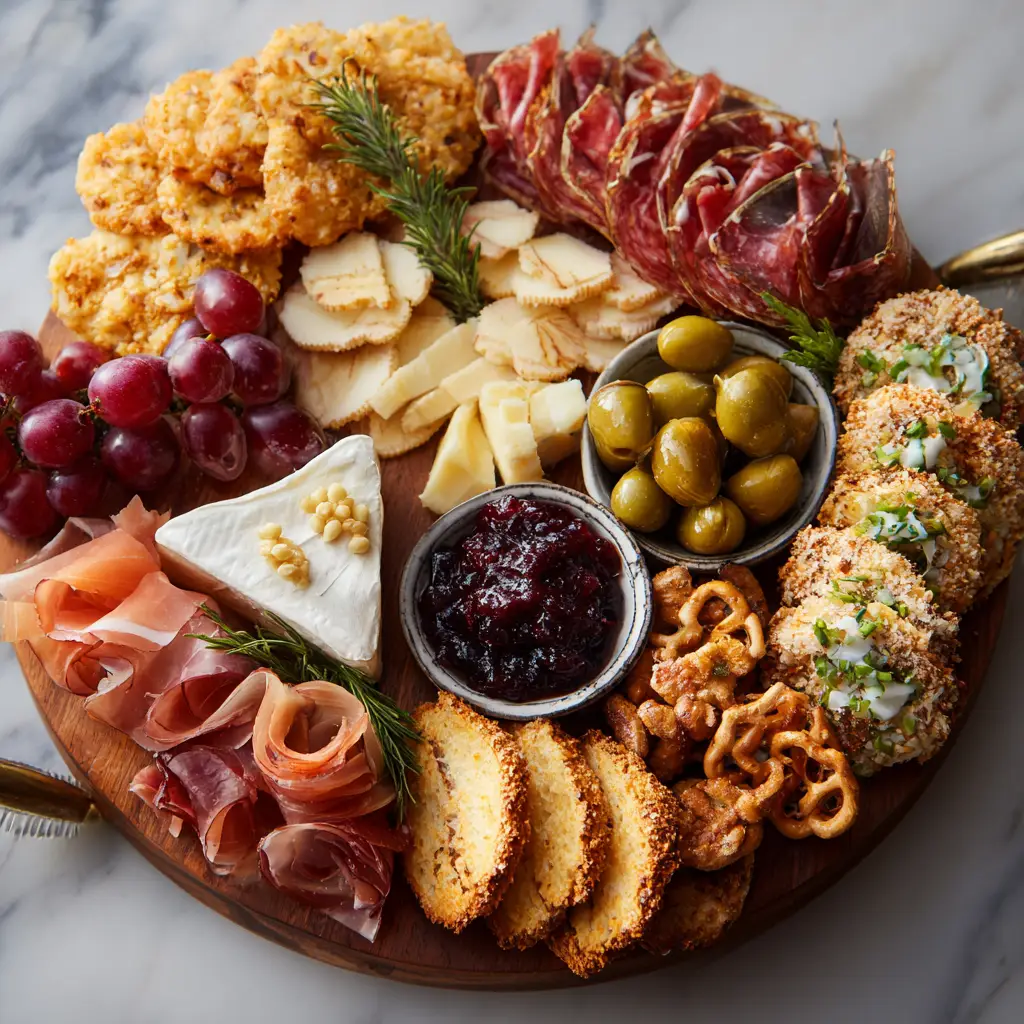
Charcuterie recipes have moved far beyond simple meat and cheese platters. Modern home cooks embrace charcuterie as an art form that blends flavor, texture, and visual appeal into one unforgettable experience. A thoughtfully arranged board can transform an ordinary gathering into something memorable. Rich cured meats sit beside creamy cheeses. Crisp crackers contrast with soft fruit. Every bite offers a new combination.
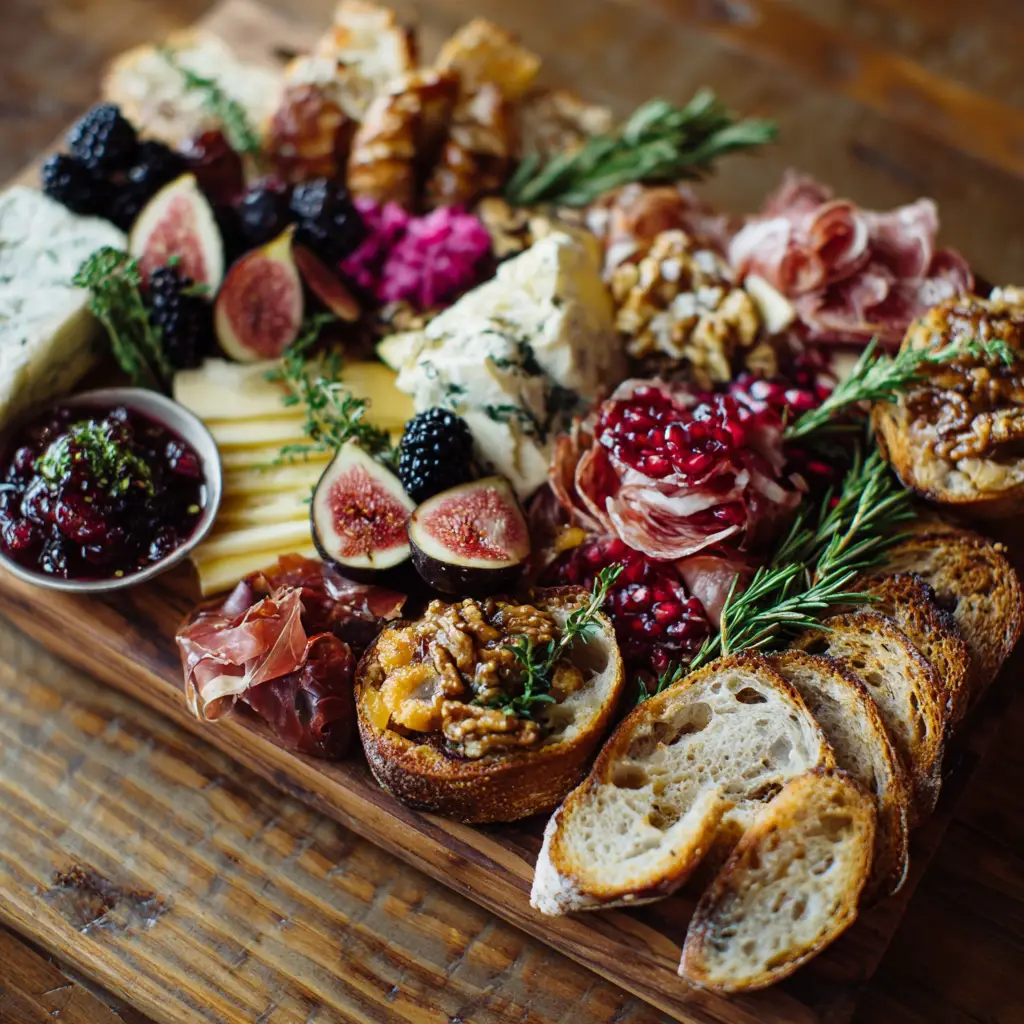
Charcuterie began in France as a way to preserve meats. Skilled artisans developed techniques to cure, smoke, and season pork and other meats to extend shelf life and deepen flavor. Over time, these preservation methods evolved into culinary traditions. Today, charcuterie recipes celebrate both heritage and creativity. Home kitchens now recreate these classic flavors while adding modern twists.
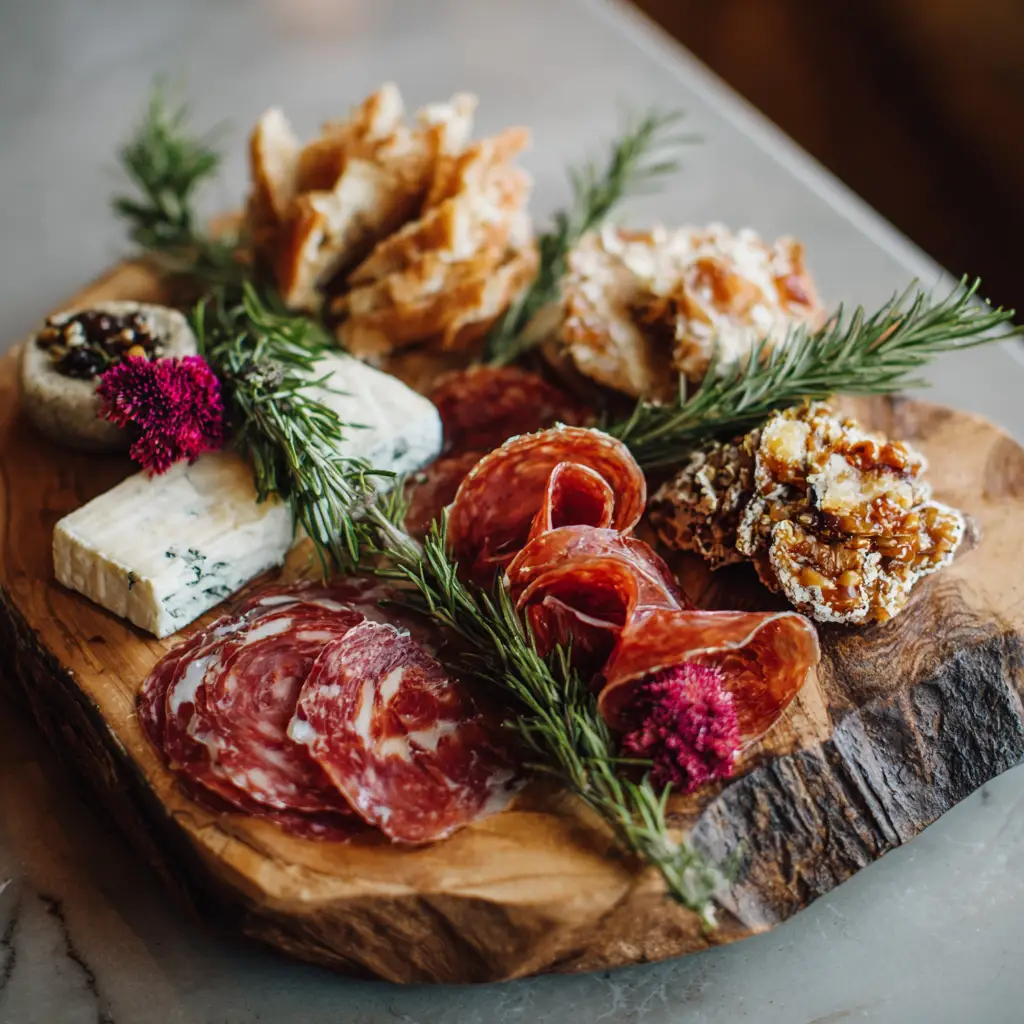
Building a charcuterie board does not require professional training. It requires balance. Salt meets sweet. Creamy meets crunchy. Bold flavors sit next to mild ones. Attention to color also matters. Deep reds of salami stand out against pale cheeses. Bright berries bring freshness. Nuts add earthiness.
Search trends show that charcuterie recipes remain popular for holidays, parties, wine nights, and even casual dinners. People appreciate the flexibility. A board can serve two guests or twenty. It can be simple or elaborate. Budget friendly or gourmet. Dietary needs can also be accommodated with thoughtful ingredient choices.
This guide will walk you through everything you need to know about charcuterie recipes. You will learn about essential ingredients, calorie awareness, step by step assembly, customization ideas, and smart serving tips. By the end, you will feel confident creating a charcuterie spread that looks impressive and tastes incredible.
Ingredients Needed
A balanced charcuterie recipe includes cured meats, cheeses, fresh elements, crunchy additions, spreads, and a base such as bread or crackers. The table below outlines common ingredients along with approximate calorie counts per serving.
| Ingredient | Serving Size | Approximate Calories |
|---|---|---|
| Salami | 1 ounce | 110 calories |
| Prosciutto | 1 ounce | 70 calories |
| Smoked turkey slices | 1 ounce | 60 calories |
| Brie cheese | 1 ounce | 95 calories |
| Aged cheddar | 1 ounce | 115 calories |
| Goat cheese | 1 ounce | 75 calories |
| Crackers | 5 pieces | 80 calories |
| Sliced baguette | 1 slice | 90 calories |
| Green olives | 5 pieces | 25 calories |
| Mixed nuts | 1 ounce | 170 calories |
| Fresh grapes | 1 half cup | 50 calories |
| Dried apricots | 4 pieces | 70 calories |
| Honey | 1 tablespoon | 60 calories |
| Fig jam | 1 tablespoon | 50 calories |
| Dark chocolate squares | 2 small squares | 100 calories |
These ingredients create a balanced and visually appealing board. You can adjust quantities based on guest count. Variety matters more than volume.
Step by Step Cooking Instructions
Charcuterie recipes do not involve traditional cooking in most cases. Assembly plays the central role. Follow these clear steps to create a professional looking board.
Step 1 Choose the Right Board
Select a large wooden board, marble slab, or serving tray. A spacious surface prevents overcrowding. Guests should be able to reach each item comfortably.
Step 2 Prepare the Cheeses
Remove cheese from refrigeration about thirty minutes before serving. Room temperature cheese tastes better and spreads more easily. Slice hard cheeses such as cheddar in advance. Leave soft cheeses like brie whole but score the rind slightly for easy cutting.
Step 3 Arrange the Cheeses First
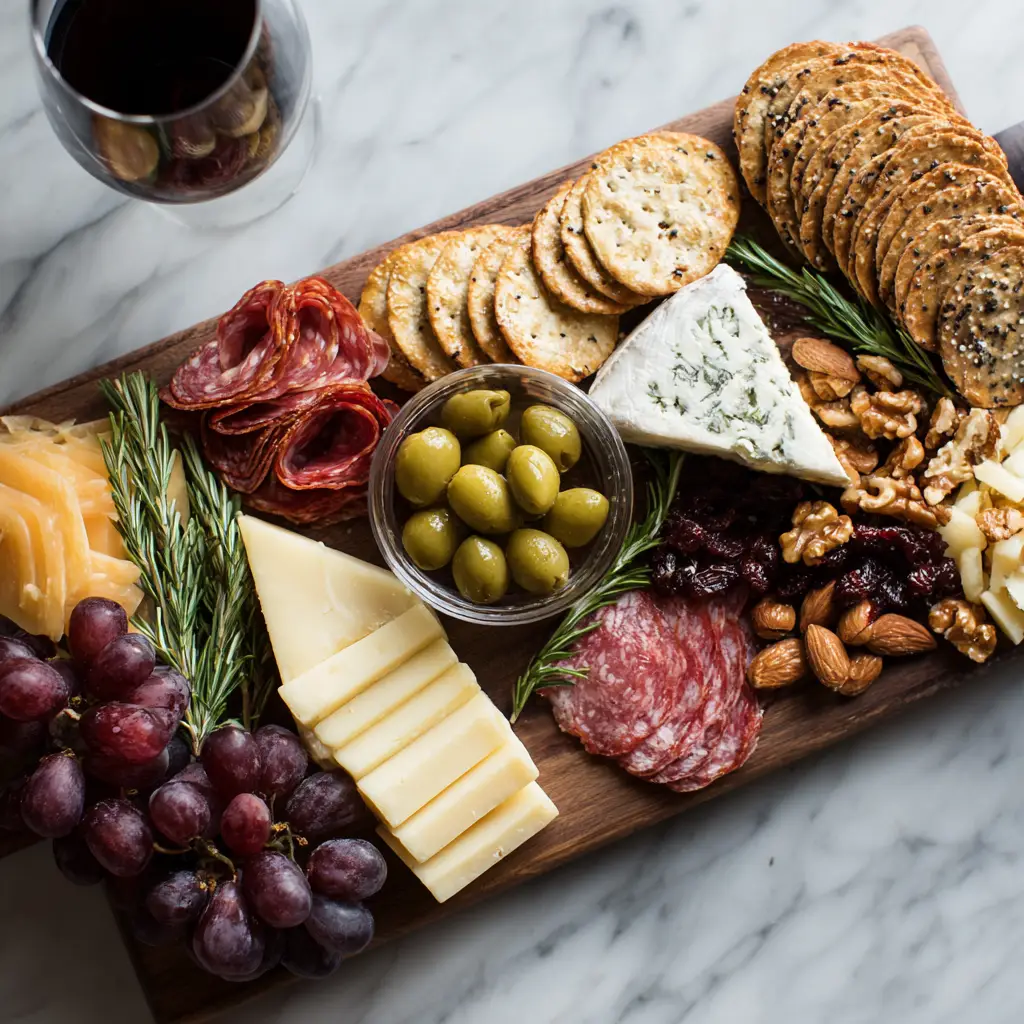
Place cheeses around the board before adding anything else. Spread them evenly. This creates anchor points. Odd numbers often look more natural and visually appealing.
Step 4 Fold and Style the Meats
Avoid laying meat slices flat. Fold salami into halves or quarters. Roll prosciutto gently into loose ribbons. Create small piles near the cheeses. This adds height and texture.
Step 5 Add Crunchy Elements
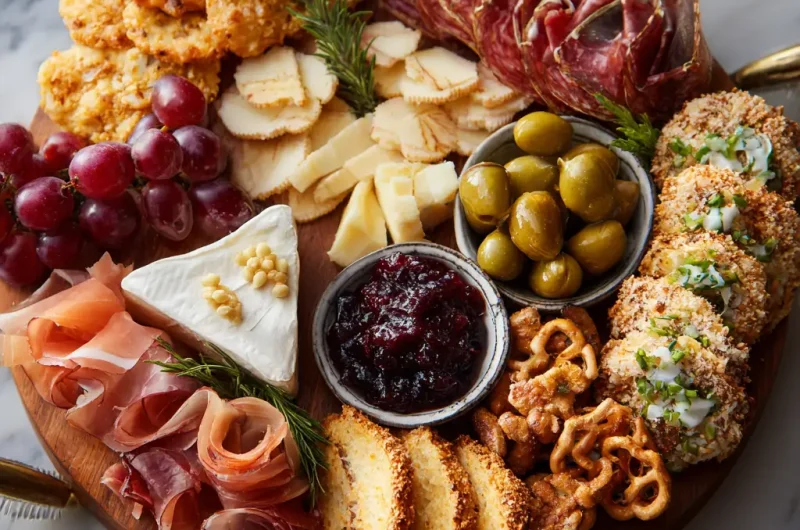
Fill small bowls with olives, nuts, honey, or jam. Place them strategically around the board. Scatter crackers and baguette slices in open spaces. Keep some stacked neatly for easy grabbing.
Step 6 Include Fresh and Sweet Components
Add grapes, dried apricots, or berries for color contrast. Sweet elements balance salty meats and cheeses. Tuck fruit into empty spaces to create fullness.
Step 7 Finish with Chocolate or Specialty Items
Dark chocolate pieces or specialty spreads elevate the board. These small touches feel luxurious and thoughtful.
Step 8 Final Touches
Step back and review your arrangement. Look for empty spots. Add a few nuts or fruit pieces to fill gaps. Wipe the board edges for a clean presentation.
Assembly usually takes about twenty to thirty minutes. Preparation becomes quicker with practice.
Tips for Customizing the Recipe
Charcuterie recipes offer endless customization. Creativity makes each board unique.
Consider dietary preferences first. Vegetarian guests can enjoy boards featuring roasted vegetables, hummus, marinated artichokes, and a variety of cheeses. Gluten free crackers and breads ensure inclusivity.
Seasonal ingredients enhance freshness. Autumn boards may include spiced nuts, apple slices, and pumpkin seed clusters. Summer boards shine with berries, melon, and fresh herbs. Winter gatherings feel cozy with dried fruits and rich aged cheeses.
Flavor themes also create cohesion. Mediterranean inspired charcuterie recipes might feature feta, roasted red peppers, olives, and pita bread. Italian style boards can highlight mozzarella, sun dried tomatoes, basil, and cured meats like soppressata.
Budget conscious hosts can focus on fewer meats and more affordable fillers such as popcorn, seasonal fruit, and homemade dips. Presentation still impresses when ingredients are arranged thoughtfully.
Texture balance matters as much as flavor. Include creamy, crunchy, chewy, and firm components. Guests enjoy variety in every bite.
Wine pairing enhances the experience. Red wines complement bold cured meats. White wines pair beautifully with soft cheeses and fruit. Sparkling options refresh the palate between bites.
Personal touches elevate the board. Handwritten labels help guests identify cheeses. Small serving knives and spoons maintain cleanliness and elegance.
Nutritional Information
Charcuterie recipes can fit into many dietary lifestyles when enjoyed in moderation. Nutritional value depends on ingredient selection and portion control.
Cured meats provide protein but also contain sodium and saturated fat. Choosing lean options like smoked turkey or limiting portion size helps balance intake. Cheese supplies calcium and protein while adding richness. Soft cheeses typically contain slightly fewer calories than aged hard varieties.
Fresh fruits contribute fiber, vitamins, and natural sweetness. Nuts offer healthy fats but are calorie dense. Small portions satisfy without excess.
A moderate serving from a balanced charcuterie board may range between 300 and 600 calories depending on selections. Guests often graze slowly, which encourages mindful eating. Combining protein, fat, and fiber promotes satiety.
Reducing sodium can be achieved by incorporating more fresh vegetables such as cucumber slices or cherry tomatoes. Swapping traditional crackers for whole grain versions increases fiber content.
Individuals monitoring calorie intake should be mindful of spreads like honey and jam. A light drizzle delivers flavor without excessive sugar.
Serving Suggestions
Presentation sets the tone for any gathering. Charcuterie recipes shine when served at room temperature. Cold meats and cheeses lose depth of flavor.
Place the board at the center of the table. Allow guests to gather around comfortably. Provide small plates and napkins. Include separate knives for each cheese to prevent flavor mixing.
For larger events, prepare multiple smaller boards instead of one oversized display. This reduces crowding and keeps food accessible. Refill items discreetly as needed.
Pair charcuterie with complementary beverages. Wine remains a classic choice. Craft beer also pairs beautifully with sharp cheeses and cured meats. Non alcoholic sparkling water with citrus slices offers a refreshing alternative.
Consider adding warm elements such as toasted baguette slices served in a basket. Warm bread contrasts nicely with cool cheeses.
Charcuterie recipes also work well as appetizers before a main meal. Smaller boards prevent guests from becoming too full. For casual evenings, the board itself can become dinner when paired with soup or salad.
Outdoor gatherings benefit from covered trays to protect ingredients. Keep boards out of direct sunlight to maintain freshness.
Charcuterie Recipes Guide for Stunning and Delicious Boards
Course: Blog4
servings10
minutes15
minutes120
kcalIngredients
2 medium yellow squash or zucchini
1 tablespoon olive oil
1 half teaspoon salt
1 half teaspoon black pepper
1 half teaspoon garlic powder
1 half teaspoon paprika
2 tablespoons grated Parmesan cheese optional
1 tablespoon chopped fresh parsley optional
Directions
- Wash the squash thoroughly and pat dry with a clean towel.
- Slice the squash into even rounds about one half inch thick to ensure even cooking.
- Place the slices in a large bowl and drizzle with olive oil. Toss gently to coat each piece evenly.
- Add salt, black pepper, garlic powder, and paprika. Mix well so the seasoning spreads across all slices.
- Preheat the air fryer to 375 degrees Fahrenheit for about 3 minutes.
- Arrange the squash slices in a single layer inside the air fryer basket. Avoid overcrowding for best crisp texture. Cook in batches if necessary.
- Air fry for 12 to 15 minutes, flipping halfway through cooking time. The squash should become tender inside and slightly golden on the outside.
- Sprinkle grated Parmesan cheese during the last 2 minutes of cooking if using.
- Remove carefully and garnish with chopped parsley before serving. Serve warm.
Recipe Video
Notes
- Cut the squash evenly to ensure uniform cooking.
Do not overcrowd the basket or the squash will steam instead of crisp.
Adjust seasoning according to taste preference.
For extra crisp texture, cook 2 to 3 minutes longer while checking frequently.
This recipe works well with both yellow squash and zucchini.
Frequently Asked Questions
What meats are best for charcuterie recipes?
Classic choices include salami, prosciutto, and smoked turkey. Variety in flavor and texture creates balance. Including both mild and bold meats enhances the experience.
How much charcuterie should I prepare per person?
Plan for about two ounces of meat and two ounces of cheese per person for appetizer portions. Increase quantities if serving as the main meal.
Can charcuterie boards be prepared in advance?
Ingredients can be sliced and stored separately a few hours ahead. Assemble the board shortly before serving to maintain freshness and texture.
How do I keep fruit from browning?
Slice fruit close to serving time. Lightly brushing apple slices with lemon juice slows oxidation without altering flavor significantly.
Are charcuterie recipes suitable for healthy eating?
Balanced boards with fresh fruit, nuts, lean proteins, and moderate cheese portions can fit into many healthy lifestyles when enjoyed mindfully.
Conclusion
Charcuterie recipes bring people together through shared flavors and creative presentation. A well crafted board feels abundant without being complicated. Each ingredient plays a role in building harmony between salty, sweet, creamy, and crunchy elements. Confidence grows with practice. Personal touches make every spread memorable. Gather your favorite ingredients, arrange them thoughtfully, and enjoy the simple pleasure of sharing good food with great company.