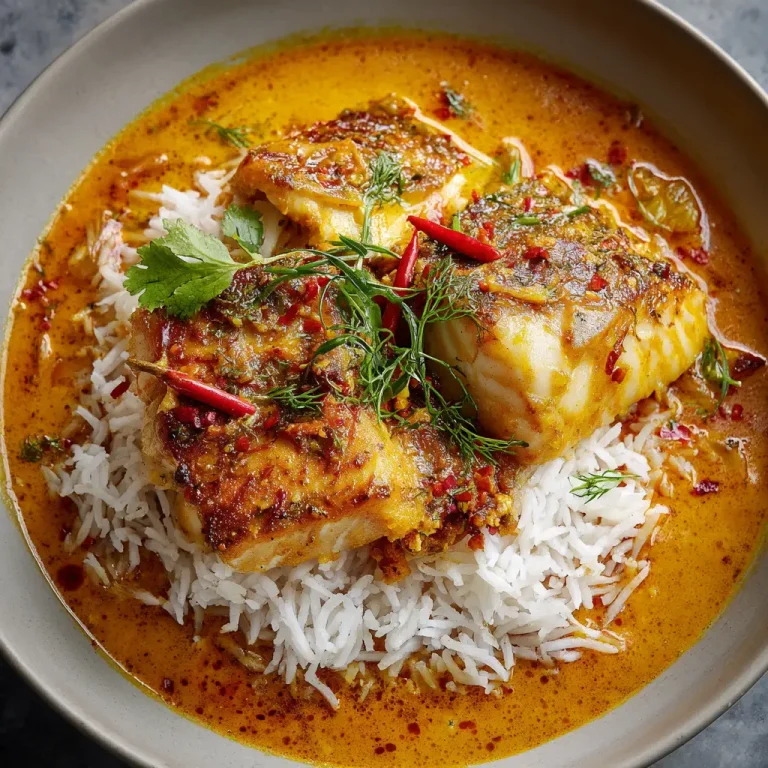
Fried Fish Recipes: Easy Crispy and Delicious Homemade Guide
Introduction
Fried fish holds a special place in the hearts of home cooks and food lovers alike. The golden, crispy exterior paired with tender, flaky flesh creates a satisfying contrast that excites the senses with every bite. Whether prepared for a casual family dinner, a festive weekend gathering, or a quick weeknight meal, fried fish has a universal appeal. Mastering the art of frying fish is about more than just heating oil. It requires understanding the type of fish that works best, the ideal batter or coating, and how to achieve perfect crispiness without overcooking the delicate fish inside. The aroma of frying fish can instantly transform a kitchen into a comforting haven, evoking memories of coastal towns, weekend barbecues, or simple homemade meals shared with loved ones. Exploring different spices, coatings, and frying techniques not only enhances flavor but also allows culinary creativity to shine. Whether you prefer a classic Southern-style coating, a light tempura-style batter, or a seasoned cornmeal crust, learning how to fry fish perfectly opens the door to endless variations and delicious possibilities.
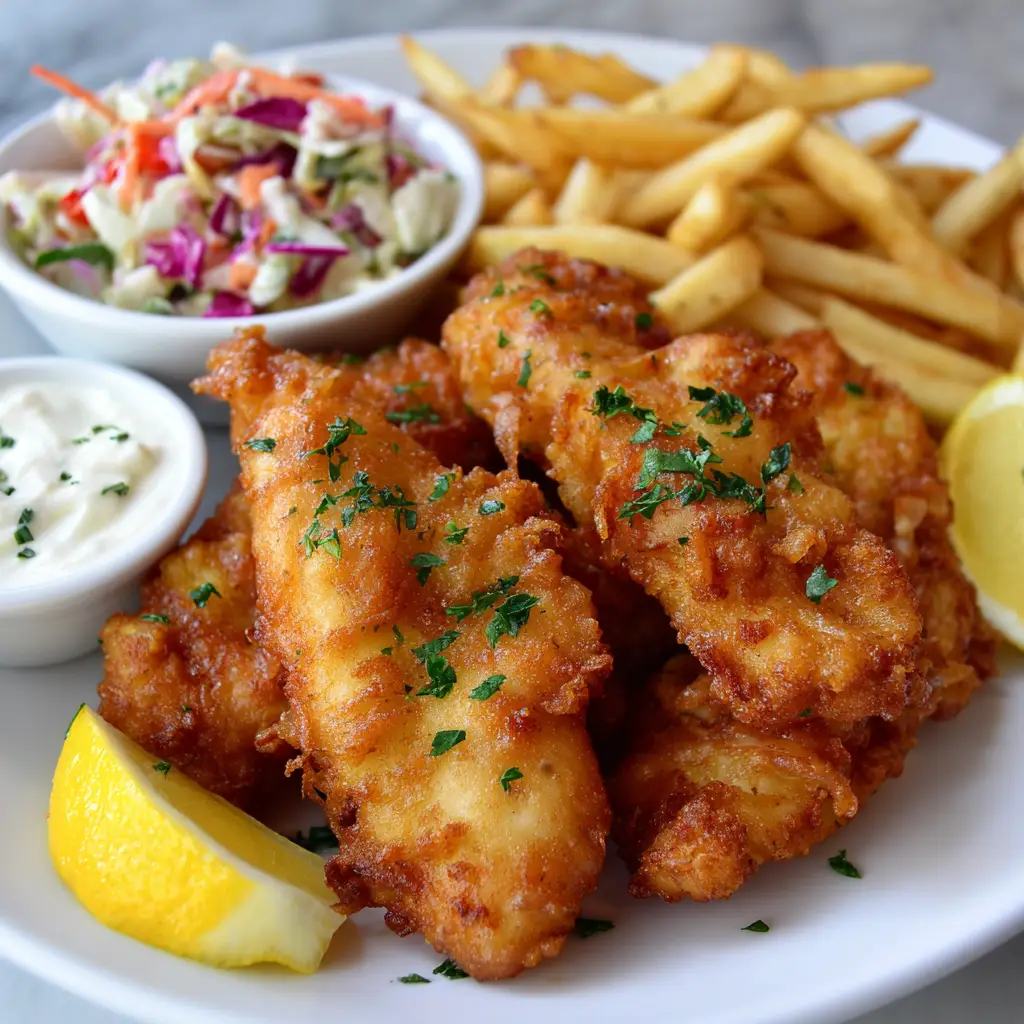
Ingredients Needed
Selecting the right ingredients is essential for achieving perfectly fried fish. Freshness is key, and combining high-quality ingredients ensures the dish is both flavorful and nutritious. Below is a table of common ingredients for a classic fried fish recipe along with their approximate calorie counts.
| Ingredient | Quantity | Calories per Serving |
|---|---|---|
| White fish fillets | 4 fillets (6 oz each) | 120 |
| All-purpose flour | 1 cup | 455 |
| Cornmeal | 1/2 cup | 220 |
| Salt | 1 teaspoon | 0 |
| Black pepper | 1/2 teaspoon | 3 |
| Paprika | 1 teaspoon | 6 |
| Garlic powder | 1/2 teaspoon | 4 |
| Eggs | 2 large | 140 |
| Milk | 1/4 cup | 30 |
| Vegetable oil | 2 cups (for frying) | 3,900 |
| Lemon wedges (optional) | 1 per serving | 5 |
The table provides an easy reference for calorie-conscious cooking and helps plan the meal accordingly.
Step-by-Step Cooking Instructions
Cooking fried fish requires attention to detail to ensure a crisp crust while keeping the fish moist and tender inside.
- Prepare the fish
Begin by rinsing the fish fillets under cold water and patting them dry with paper towels. Drying the fish ensures the coating adheres properly and prevents excess oil splatter during frying. - Season the fillets
Sprinkle salt, black pepper, paprika, and garlic powder evenly on both sides of the fish. Press the seasoning lightly so it sticks to the surface. - Prepare the coating
In a shallow bowl, mix all-purpose flour and cornmeal. For extra crunch, add a pinch of additional seasoning to the flour mixture. In a separate bowl, whisk together eggs and milk until smooth. - Coat the fish
Dip each fillet first into the egg mixture, letting excess drip off, then dredge it in the flour and cornmeal mixture. Ensure every surface is fully coated for a uniform, crispy crust. - Heat the oil
Pour vegetable oil into a large skillet or deep fryer and heat to 350 degrees Fahrenheit. Proper oil temperature is critical to achieving a golden crust without soaking the fish in grease. - Fry the fish
Carefully place the coated fillets into the hot oil. Fry in batches to avoid overcrowding the pan. Cook for approximately 3 to 5 minutes per side, depending on thickness, until the fish is golden brown and flakes easily with a fork. - Drain excess oil
Remove the fillets from the oil and place them on a plate lined with paper towels. This helps remove any excess oil and preserves the crispiness of the coating. - Serve immediately
Serve the fried fish hot with lemon wedges or your favorite dipping sauces for a fresh, tangy accent.
Tips for Customizing the Recipe
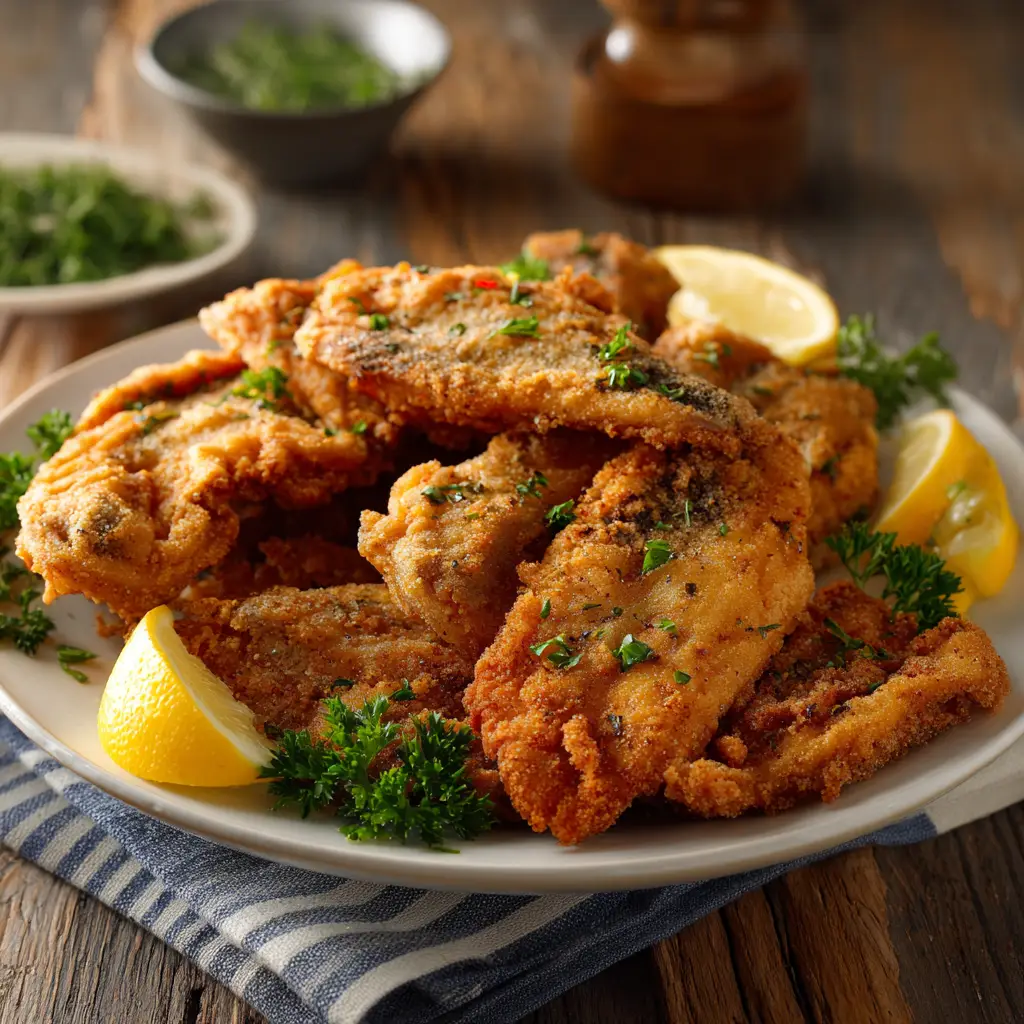
Fried fish is highly versatile, and small adjustments can transform the dish into new flavor experiences. Using different fish varieties, such as cod, tilapia, catfish, or haddock, affects the texture and flavor profile. For a spicier kick, mix cayenne pepper or chili powder into the flour mixture. Adding fresh herbs like parsley, dill, or thyme to the coating can create a fragrant, gourmet touch. For those seeking a lighter option, using panko breadcrumbs instead of flour and cornmeal produces a crispier, airier crust with less oil absorption. Another technique is marinating the fish briefly in buttermilk or lemon juice before coating, which enhances tenderness and flavor. Switching oils also impacts taste; peanut oil or sunflower oil provides a neutral flavor and high smoke point, ideal for frying. Finally, experimenting with dipping sauces, from tartar sauce to spicy aioli, allows each plate to feel unique and restaurant-quality.
Nutritional Information
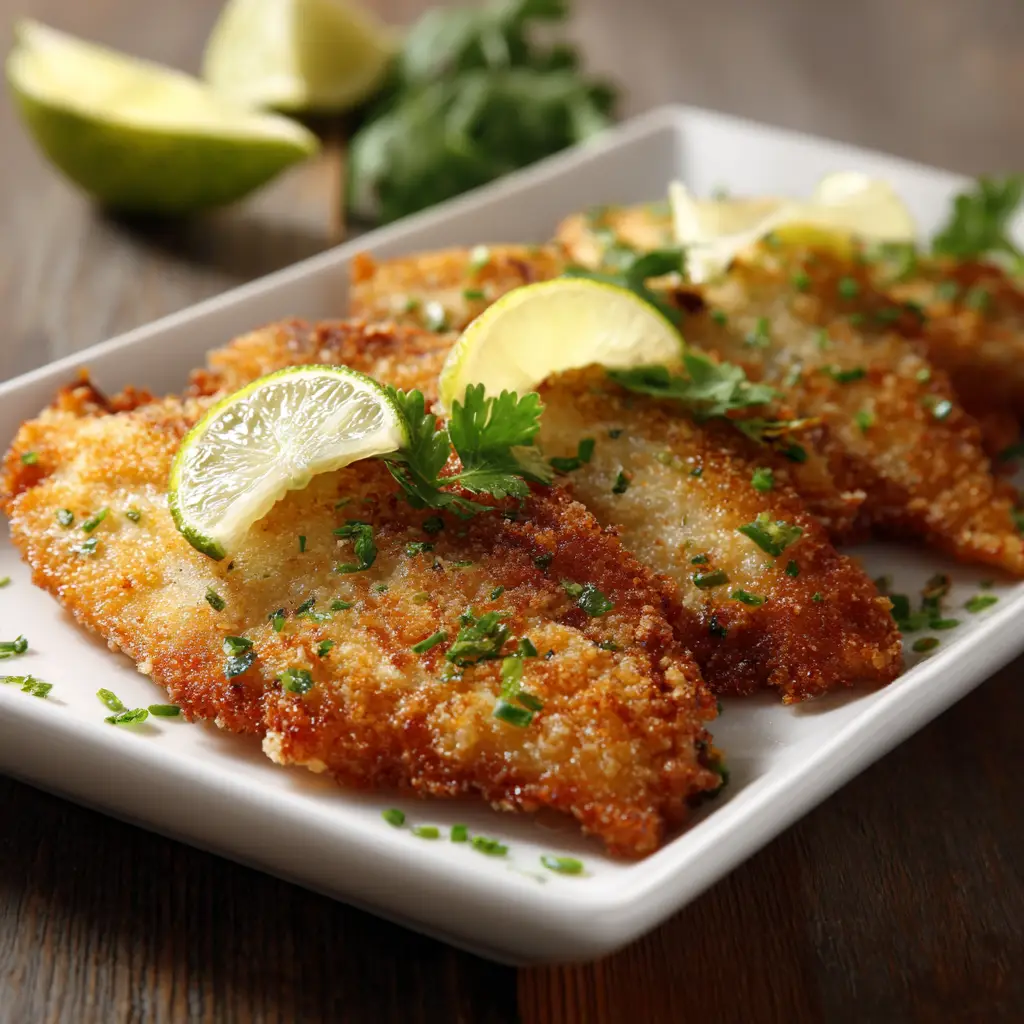
Fried fish can be part of a balanced diet if prepared thoughtfully. A single serving of classic fried fish made with the ingredients listed above contains approximately:
Incorporating fresh vegetables or whole grains as sides can help balance the meal. Using lighter coatings or air frying the fish offers a lower-calorie alternative while still maintaining flavor and texture.
Serving Suggestions
Fried fish pairs beautifully with a variety of sides. Traditional accompaniments include coleslaw, French fries, or mashed potatoes. Lemon wedges, tartar sauce, or hot sauce enhance flavor. For a healthier approach, serve with roasted vegetables, quinoa, or a crisp green salad. Pairing with a refreshing beverage, such as iced tea or a citrus-infused water, elevates the dining experience. Fried fish can also be used in sandwiches, tacos, or wraps for a quick and satisfying meal option. Presentation matters; arranging the fillets on a platter with garnishes like fresh herbs or thinly sliced radishes creates an inviting dish for family or guests.
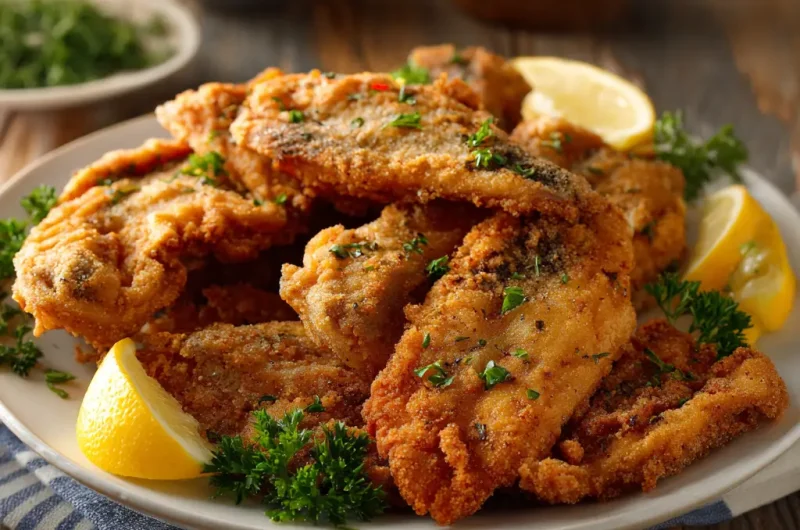
Fried Fish Recipes: Easy Crispy and Delicious Homemade Guide
Course: Blog4
servings15
minutes15
minutes550
kcalIngredients
4 white fish fillets (6 oz each)
1 cup all-purpose flour
1/2 cup cornmeal
1 teaspoon salt
1/2 teaspoon black pepper
1 teaspoon paprika
1/2 teaspoon garlic powder
2 large eggs
Directions
- Rinse fish fillets under cold water and pat dry with paper towels.
- Season both sides of the fish with salt, pepper, paprika, and garlic powder.
- In a shallow bowl, mix flour and cornmeal. In another bowl, whisk eggs and milk until smooth.
- Dip each fillet into the egg mixture, letting excess drip off. Then coat in the flour-cornmeal mixture until fully covered.
Recipe Video
Notes
- For extra crispiness, use panko breadcrumbs instead of cornmeal.
Avoid overcrowding the pan to maintain oil temperature and prevent soggy fish.
Marinating fish in buttermilk or lemon juice for 15-20 minutes before coating adds tenderness and flavor.
Frequently Asked Questions
What is the best type of fish for frying?
White, flaky fish like cod, tilapia, catfish, or haddock works best. These varieties hold up well during frying and develop a light, crispy crust.
Can I make fried fish without deep frying?
Yes, shallow frying or air frying are excellent alternatives. Shallow frying uses less oil, and air frying produces a crispy texture with minimal oil.
How can I keep the fish crispy after frying?
Place cooked fillets on a wire rack instead of paper towels. Avoid covering with a lid, which can trap steam and soften the coating.
Can I prepare the coating in advance?
The dry coating mixture can be made ahead and stored in an airtight container. However, the egg wash should be prepared just before frying to ensure proper adhesion.
What can I serve with fried fish for a balanced meal?
Pair with roasted vegetables, a fresh salad, or whole grain sides. Adding a light dipping sauce or lemon wedges enhances flavor without excessive calories.
Conclusion
Fried fish is a timeless dish that brings comfort, flavor, and joy to any table. Mastering the technique of creating a golden, crispy exterior while keeping the fish tender inside is both rewarding and satisfying. Experimenting with different fish types, seasonings, and coatings allows for endless creativity, making each meal unique.