White Rice Recipe Guide Easy Cooking Tips Nutrition and Benefits
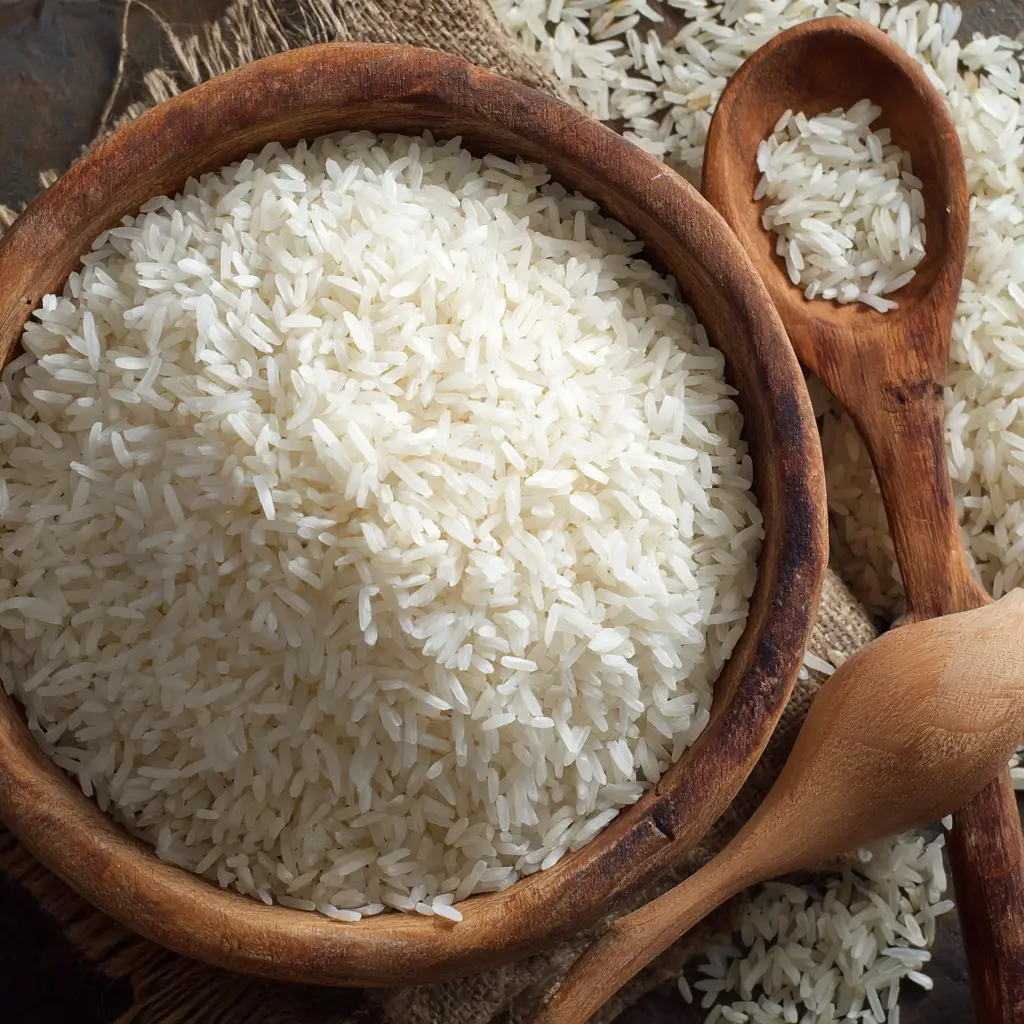
White rice holds a timeless place in kitchens around the world. Cultures across Asia Africa Europe and the Americas rely on it as a daily staple and a symbol of comfort. Warm bowls of fluffy white rice appear on family tables during ordinary evenings and special celebrations alike. The grain carries history tradition and nourishment in every bite. Many people grow up with its aroma drifting from the kitchen and its gentle flavor anchoring meals that bring everyone together.
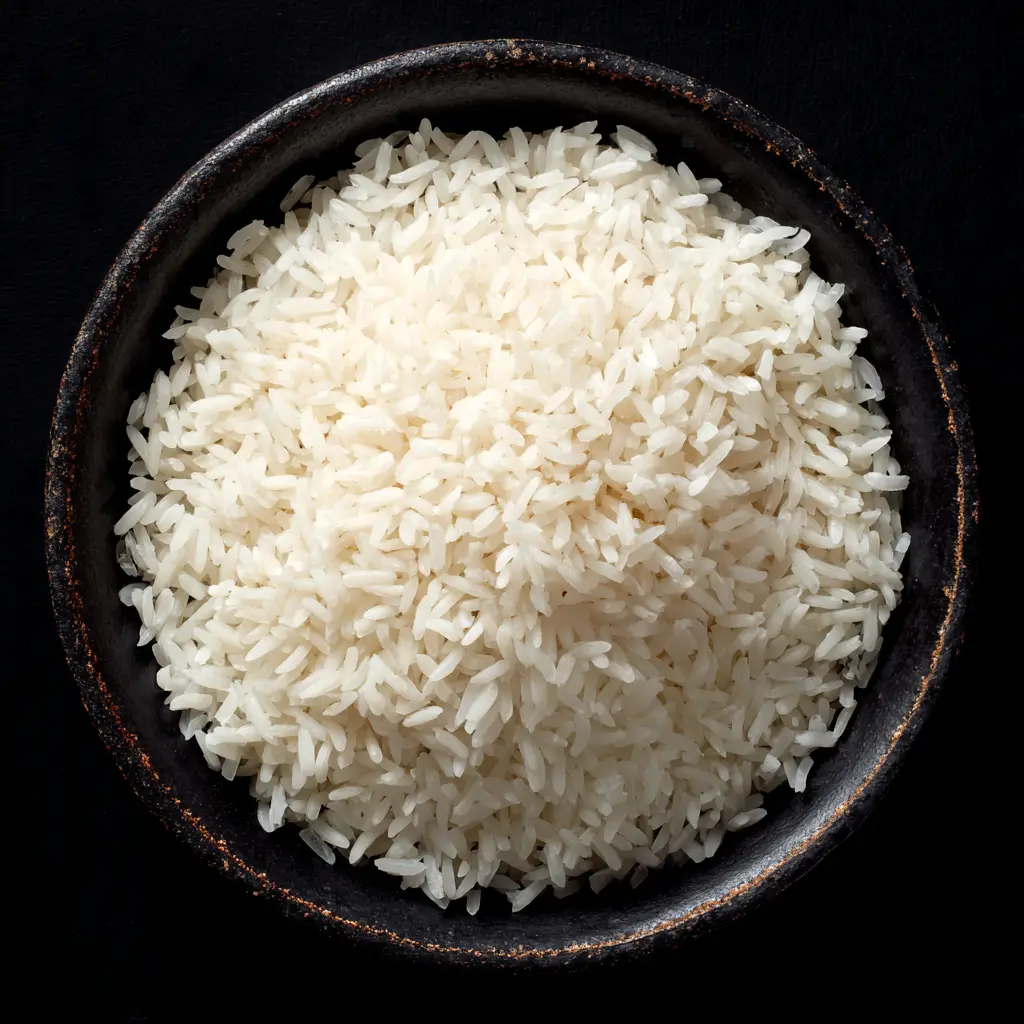
A simple bowl of white rice often feels humble yet it offers remarkable versatility. Meals feel complete when rice sits at the center of the plate. Savory sauces soak into each grain. Vegetables and proteins gain balance when paired with rice. Even the plain version has its own appeal with a soft texture and clean taste that never overwhelms other foods. Home cooks value white rice for its reliability and ease. Professional chefs respect it for its ability to elevate complex dishes.
Ingredients Needed
Preparing perfect white rice requires only a few basic ingredients. Quality and proportion make the difference. Using fresh rice and clean water ensures the best texture and flavor. Optional additions enhance aroma and richness without overpowering the grain.
Ingredients and Calorie Count Table
| Ingredient | Quantity | Approximate Calories |
|---|---|---|
| White rice uncooked | 1 cup | 675 calories |
| Water | 2 cups | 0 calories |
| Salt optional | 1 half teaspoon | 0 calories |
| Butter optional | 1 tablespoon | 102 calories |
| Olive oil optional | 1 tablespoon | 119 calories |
Calorie counts may vary slightly depending on brand and portion size. Optional ingredients add flavor and richness but remain flexible based on dietary needs.
Step by Step Cooking Instructions
Cooking white rice successfully depends on precision and patience. Each step builds toward light fluffy grains that separate easily. Rushing the process often leads to disappointment. Careful attention rewards the cook with consistent results.
Begin by measuring the rice accurately. Pour one cup of white rice into a bowl. Rinse the rice under cold water. Swirl gently with your fingers. Drain the cloudy water. Repeat this process several times until the water appears mostly clear. Rinsing removes excess starch and prevents stickiness. Some cooks skip this step but rinsing improves texture significantly.
Transfer the rinsed rice to a medium saucepan. Add two cups of water. Use a pot with a tight fitting lid. Add salt if desired. Salt enhances natural flavor without making the rice taste salty. Place the saucepan over medium high heat. Bring the water to a gentle boil. Watch closely to avoid overflow.
Once boiling begins reduce the heat to low. Cover the pot with the lid. Allow the rice to simmer quietly. Avoid lifting the lid during cooking. Trapped steam cooks the rice evenly. Let the rice cook for about eighteen to twenty minutes. Cooking time may vary slightly based on stove and pot thickness.
After the water absorbs fully remove the pot from heat. Keep the lid on. Allow the rice to rest for five minutes. Resting helps grains firm up and release excess moisture. This step often gets overlooked but plays a crucial role in texture.
After resting remove the lid. Fluff the rice gently with a fork. Use a lifting motion rather than stirring. This separates the grains without breaking them. Add butter or olive oil if desired. Fold gently until evenly distributed. Taste and adjust seasoning if needed.
Serve immediately or keep warm with the lid slightly ajar. Properly cooked white rice should feel tender yet firm. Grains should remain distinct with no sogginess.
Tips for Customizing the Recipe
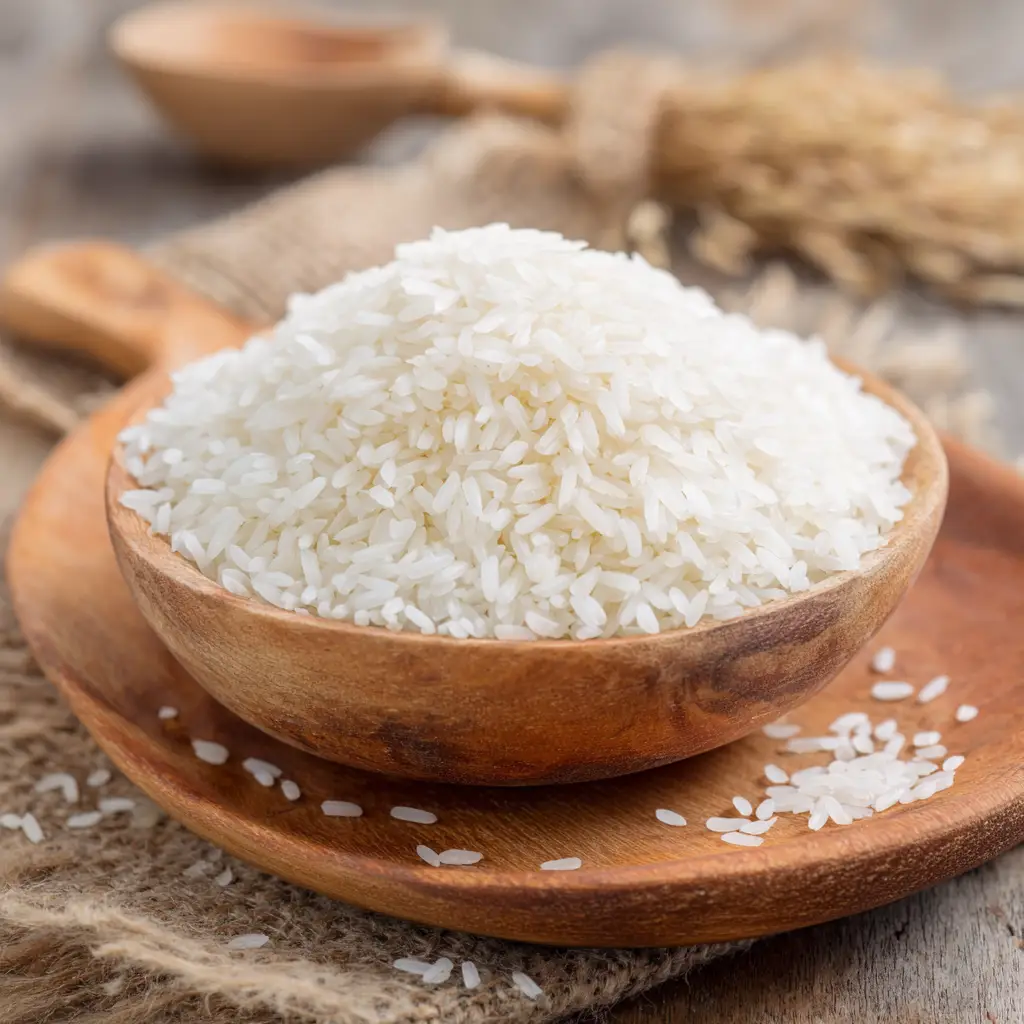
White rice serves as a blank canvas for endless customization. Small changes create new flavors and experiences. Customization allows the dish to match different cuisines and preferences.
Aromatic additions enhance the sensory appeal. Adding a bay leaf garlic clove or small piece of ginger to the cooking water infuses subtle fragrance. Remove these items before serving. The rice absorbs gentle flavor without becoming overpowering.
Broth replaces water for richer taste. Vegetable chicken or beef broth works well. Use low sodium broth to control salt levels. Broth adds depth and makes rice suitable as a standalone side dish.
Texture adjustments depend on water ratio. Using slightly less water creates firmer rice. Adding a splash more water yields softer grains. Experimentation helps find personal preference.
Oil choices influence flavor. Coconut oil adds mild sweetness. Sesame oil brings nutty aroma. Olive oil offers smooth richness. Use sparingly to avoid greasiness.
Herbs and spices open creative doors. Fresh herbs like parsley cilantro or basil add freshness when stirred in after cooking. Ground spices such as turmeric cumin or paprika color the rice and introduce warmth. Toasting spices briefly in oil before adding rice deepens flavor.
Cultural adaptations keep meals exciting. Add saffron threads for a luxurious touch. Stir in soy sauce and green onions for an Asian inspired bowl. Mix tomatoes and onions for Mediterranean style rice. Each variation respects the base while offering something new.
Nutritional Information
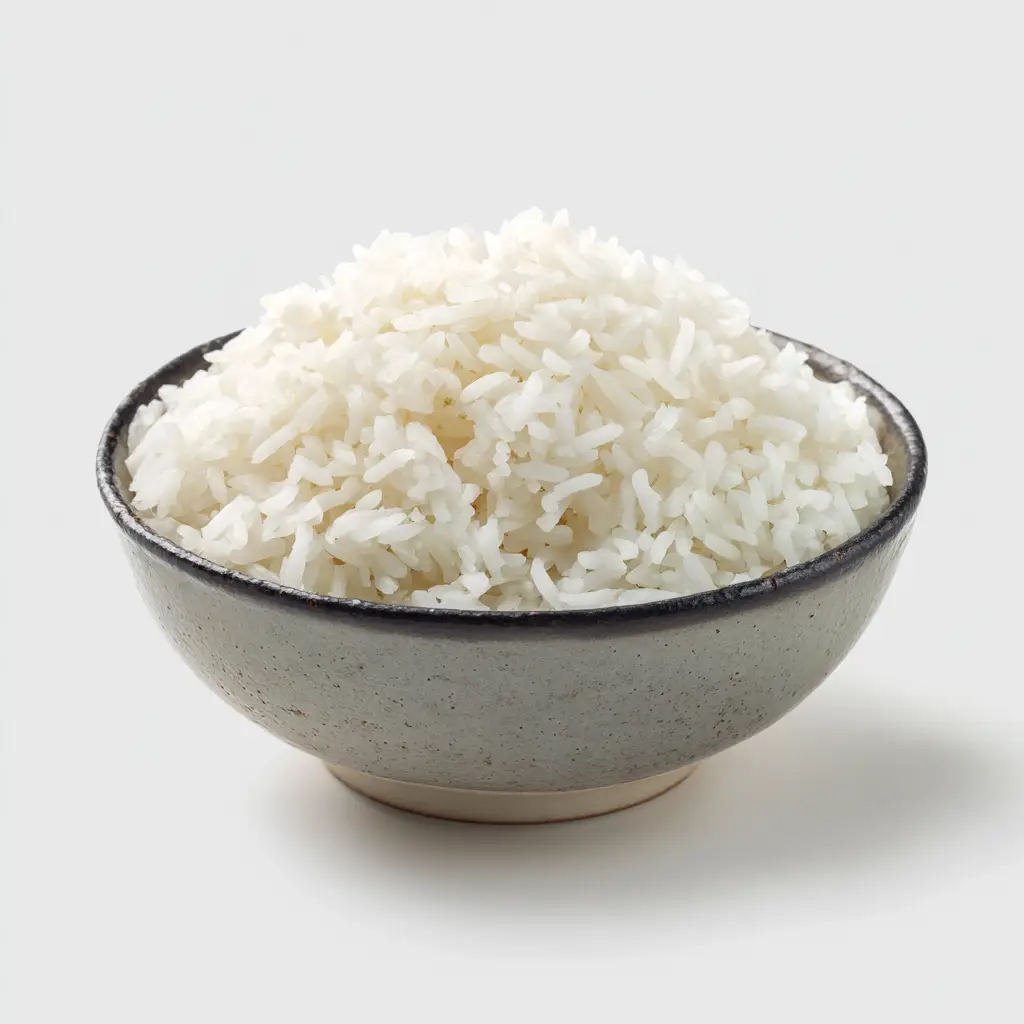
White rice provides carbohydrates that fuel the body efficiently. One cup of cooked white rice contains approximately two hundred calories. Most of these calories come from carbohydrates which serve as a primary energy source.
Protein content remains modest at about four grams per cup. Fat content stays very low unless added during cooking. This makes white rice suitable for low fat diets when prepared simply.
White rice contains small amounts of essential vitamins and minerals. These include iron magnesium and B vitamins such as niacin and thiamine. Many brands offer enriched white rice which restores nutrients lost during milling.
Fiber content remains lower compared to brown rice. Pairing white rice with fiber rich vegetables legumes and whole foods balances meals effectively. Combining foods thoughtfully supports digestive health and sustained energy.
White rice digests easily which benefits individuals with sensitive stomachs. Athletes often choose it before or after training due to quick energy release. Portion control remains important for overall health.
Sodium content depends on preparation. Plain rice contains virtually no sodium. Added salt or broth increases levels. Adjust seasoning based on dietary needs.
Serving Suggestions
White rice adapts effortlessly to countless dishes. Its neutral flavor allows bold accompaniments to shine. Thoughtful presentation enhances enjoyment and visual appeal.
Serve white rice alongside grilled meats or roasted vegetables. The rice absorbs juices and sauces beautifully. Curries stews and stir fries pair naturally with rice providing balance and comfort.
Use white rice as a base for grain bowls. Top with colorful vegetables lean proteins and flavorful dressings. This approach transforms a simple grain into a complete meal.
White rice works well in soups. Add cooked rice to broths for heartiness. The grains thicken soups slightly and add substance.
Cold rice offers new possibilities. Use chilled rice in salads with crisp vegetables and light vinaigrettes. The texture holds up well and adds satisfying chew.
Breakfast options also exist. Warm rice with milk cinnamon and honey creates a comforting morning dish. Savory versions with eggs and vegetables offer protein rich starts.
Presentation matters. Fluff rice before plating. Shape gently using a bowl or ring for elegant appearance. Garnish with herbs or seeds for color and texture.
White Rice Recipe Guide Easy Cooking Tips Nutrition and Benefits
Course: Blog4
servings5
minutes15
minutes205
kcalIngredients
1 cup white rice
2 cups water
½ teaspoon salt (optional)
1 teaspoon oil or butter (optional)
Directions
- Rinse the white rice under cold water until the water runs clear.
- In a medium pot, add rice, water, and salt.
- Bring to a boil over medium-high heat.
- Once boiling, reduce heat to low and cover the pot.
- Cook for 15–18 minutes, or until the water is absorbed and the rice is tender.
- Turn off the heat and let the rice rest (covered) for 5 minutes.
- Fluff with a fork before serving.
Recipe Video
Notes
- Rinsing the rice helps remove excess starch and makes the rice fluffier.
Do not lift the lid while cooking, as this releases steam needed to cook the rice evenly.
White rice can be served with vegetables, curries, beans, or meat dishes.
Frequently Asked Questions
How long does cooked white rice last in the refrigerator
Cooked white rice lasts about four to five days when stored properly. Place it in an airtight container and refrigerate promptly after cooling. Reheat thoroughly before eating.
Can white rice be frozen for later use
Yes white rice freezes well. Spread cooled rice on a tray to freeze individually then transfer to freezer safe bags. Frozen rice keeps for up to three months and reheats easily.
Why does my white rice turn sticky
Sticky rice often results from excess starch or too much water. Rinsing rice thoroughly and measuring water accurately prevents this issue. Avoid stirring during cooking.
Is white rice gluten free
White rice is naturally gluten free. It suits individuals with gluten intolerance or celiac disease when prepared without cross contamination.
How can I add flavor without adding many calories
Use herbs spices citrus zest or aromatics like garlic and ginger. These ingredients enhance taste without significantly increasing calorie content.
Does white rice cause weight gain
Weight gain depends on overall calorie intake and lifestyle. White rice can fit into balanced diets when portions remain moderate and meals include nutrient dense foods.
Conclusion
White rice continues to earn its place as a beloved kitchen staple across generations. Its simplicity invites creativity and its reliability brings comfort to daily meals. Cooking it well transforms ordinary ingredients into satisfying dishes that nourish both body and spirit. Mastering white rice builds confidence and opens doors to countless culinary possibilities. Warm bowls shared with loved ones remind us that good food does not need to be complicated. With thoughtful preparation and mindful pairing white rice remains a timeless companion at the table.