Authentic Thai Fried Rice Recipe
Introduction
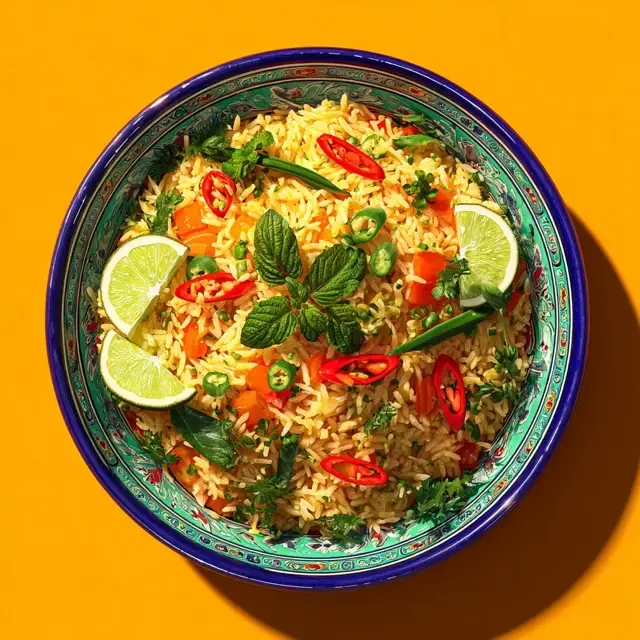
Thai fried rice is a vibrant, aromatic, and flavorful dish that captures the essence of Thai cuisine in every bite. It is a simple yet satisfying meal that balances sweet, savory, and slightly spicy flavors, often featuring fresh vegetables, protein, and fragrant jasmine rice. The combination of garlic, onions, soy sauce, fish sauce, and lime juice creates a depth of flavor that is unmistakably Thai. Cooking Thai fried rice at home allows the use of fresh, high-quality ingredients and provides the flexibility to adjust flavors according to personal preferences.

The dish is widely enjoyed across Thailand and internationally, appreciated for its quick preparation, versatility, and ability to transform leftover rice into a delicious meal. The beauty of Thai fried rice lies in its simplicity. Unlike restaurant versions that may include heavy sauces or fried components, homemade versions can remain light, fresh, and customizable. Ingredients can be tailored to what is on hand, making it a practical and efficient dish for busy home cooks.
Ingredients Needed
The following ingredients produce approximately 4 servings of Thai fried rice. Calorie counts are approximate.
| Ingredient | Amount | Approximate Calories |
|---|---|---|
| Cooked jasmine rice | 3 cups | 660 |
| Vegetable oil | 2 tablespoons | 240 |
| Garlic, minced | 3 cloves | 15 |
| Shallots, chopped | 2 medium | 30 |
| Eggs | 2 large | 140 |
| Carrots, diced | 1/2 cup | 25 |
| Peas | 1/2 cup | 60 |
| Green onions, chopped | 3 stalks | 15 |
| Chicken breast or shrimp, chopped | 1 cup | 200 |
| Soy sauce | 2 tablespoons | 20 |
| Fish sauce | 1 tablespoon | 10 |
| Sugar | 1 teaspoon | 16 |
| Lime juice | 1 tablespoon | 4 |
| Fresh cilantro | For garnish | 1 |
| Cucumber slices | For serving | 10 |
Optional: Red chili slices or chili sauce for added heat.
Step-by-Step Cooking Instructions
Heat vegetable oil in a large wok or skillet over medium-high heat. Once the oil is hot, add minced garlic and chopped shallots. Sauté until fragrant, approximately 1 to 2 minutes, taking care not to burn them. Aromatics form the foundation of Thai fried rice, infusing the oil and rice with essential flavor.
Add the protein, such as diced chicken or shrimp, to the pan. Cook until the protein is fully cooked and lightly browned. Using bite-sized pieces ensures quick and even cooking. Once cooked, push the protein and aromatics to the side of the wok to create space for scrambling eggs.

Crack the eggs into the empty space and scramble them until fully set. Incorporate the eggs into the protein and aromatics mixture, creating a cohesive base for the fried rice.
Add diced carrots, peas, and other preferred vegetables. Stir-fry for a few minutes until the vegetables are tender but still crisp. Maintaining a slight crunch in the vegetables adds texture contrast to the soft rice grains.
Add the cooked jasmine rice to the wok, breaking up any clumps. Stir well to combine the rice with the protein, eggs, and vegetables. Ensure that the rice grains are evenly coated with the oil and aromatic flavors.
Season the mixture with soy sauce, fish sauce, and sugar. Stir thoroughly to evenly distribute the seasonings. Adjust salt or soy sauce according to taste, keeping in mind that fish sauce adds saltiness.
Add chopped green onions and stir-fry for an additional minute. Finally, remove from heat and drizzle with lime juice to brighten the flavors. Garnish with fresh cilantro and serve with cucumber slices on the side. Optional chili slices or sauce can be added for heat.
Tips for Customizing the Recipe
Thai fried rice is highly versatile and can be adapted to personal preferences. Vegetarians or vegans can omit fish sauce and use tofu or tempeh as a protein alternative. For extra flavor, roasted cashews or peanuts can be added for crunch.
Adjusting the level of heat is easy by incorporating fresh chilies, chili flakes, or sriracha. The type of rice used can also impact texture. Jasmine rice is traditional, but short-grain or brown rice can be substituted depending on dietary preferences.
Adding a splash of coconut milk or a small amount of tamarind paste can provide a subtle variation in flavor. Fresh herbs, such as basil or mint, can complement the cilantro garnish. Preparing all ingredients before heating the wok ensures a smooth cooking process, as stir-frying is fast and requires constant attention.
Nutritional Information
A serving of Thai fried rice contains approximately 400 to 450 calories depending on protein choice and oil quantity. It provides a balanced mix of carbohydrates from rice, protein from eggs and meat, and healthy fats from cooking oil. Vegetables contribute fiber, vitamins, and antioxidants. Fish sauce and soy sauce provide sodium, so adjust according to dietary needs. Optional additions like cashews or extra oil will increase calories. Thai fried rice can be part of a balanced diet when served with a fresh salad or light soup.

Serving Suggestions
Thai fried rice is best served hot immediately after cooking. It pairs well with light side dishes such as cucumber salad, tom yum soup, or fresh spring rolls. A wedge of lime on the side adds a bright, tangy finish. For a more substantial meal, serve with a fried egg on top. Garnishing with fresh herbs enhances both flavor and presentation, making the dish suitable for casual meals or entertaining guests.

Authentic Thai Fried Rice Recipe
Course: Blog4
servings10
minutes15
minutes420
kcalIngredients
IngredienttAmounttApproximate Calories
Cooked jasmine ricet3 cupst660
Vegetable oilt2 tablespoonst240
Garlic, mincedt3 clovest15
Shallots, choppedt2 mediumt30
Eggst2 larget140
Carrots, dicedt1/2 cupt25
Peast1/2 cupt60
Green onions, choppedt3 stalkst15
Chicken breast or shrimp, choppedt1 cupt200
Soy saucet2 tablespoonst20
Fish saucet1 tablespoont10
Sugart1 teaspoont16
Lime juicet1 tablespoont4
Fresh cilantrotFor garnisht1
Cucumber slicestFor servingt10
Directions
- Heat Oil
- Heat vegetable oil in a large wok over medium-high heat.
- Cook Aromatics
- Add minced garlic and chopped shallots. Sauté until fragrant.
- Cook Protein
- Add chicken or shrimp. Cook until lightly browned and fully cooked.
- Scramble Eggs
- Push ingredients to the side and scramble eggs until set. Mix with protein.
- Add Vegetables
- Stir in carrots, peas, and other vegetables. Cook until tender but crisp.
- Add Rice
- Add cooked jasmine rice, breaking up clumps. Stir to combine evenly.
- Season
- Add soy sauce, fish sauce, and sugar. Mix thoroughly. Adjust to taste.
- Finish
- Stir in green onions. Remove from heat. Drizzle with lime juice and garnish with cilantro. Serve with cucumber slices and optional chili.
Recipe Video
Notes
- Day-old rice works best for preventing mushy fried rice.
Protein can be swapped for tofu or other meats.
Adjust spiciness with fresh chilies or chili sauce.
Can be stored in an airtight container for up to two days.
Frequently Asked Questions
Can I use leftover rice for Thai fried rice?
Yes. Day-old rice works best because it is drier and prevents the fried rice from becoming mushy.
What protein options can I use?
Chicken, shrimp, pork, tofu, or beef are all excellent choices.
Can I make it vegetarian or vegan?
Omit fish sauce and use soy sauce or tamari. Replace protein with tofu or tempeh.
How do I adjust the spiciness?
Add fresh chili slices, chili flakes, or sriracha to taste.
Can I make it ahead of time?
Thai fried rice is best fresh, but it can be stored in an airtight container in the refrigerator for up to two days and reheated.
Conclusion
Thai fried rice is a versatile, flavorful, and visually appealing dish that brings the essence of Thailand into the home kitchen. Its balance of textures and flavors makes it suitable for lunch, dinner, or casual gatherings. Preparing Thai fried rice allows customization of ingredients, level of spice, and protein choice. The aromatic seasonings, bright vegetables, and tender rice create a comforting yet exciting meal. Whether made for a quick weeknight dinner or for entertaining, Thai fried rice is a timeless favorite that satisfies cravings while offering endless possibilities for personalization.