Squash Recipes Yellow Easy Healthy and Delicious Cooking Ideas
Yellow squash has earned a special place in kitchens around the world. Its sunny color and gentle flavor bring comfort and freshness to everyday meals.
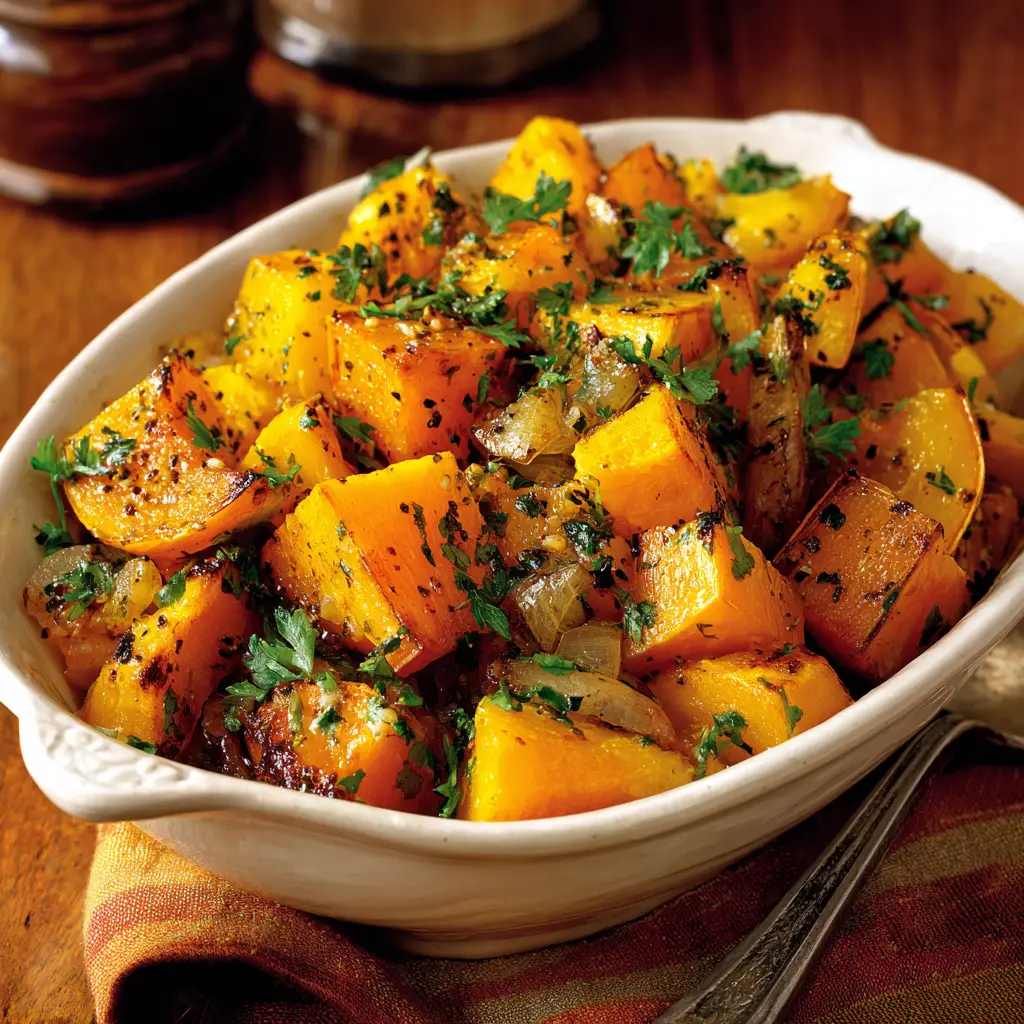
Home cooks love it because it cooks quickly and blends well with many ingredients. Gardeners enjoy it because it grows generously during warm seasons. Chefs admire it for its versatility in both simple and refined dishes.
Ingredients Needed
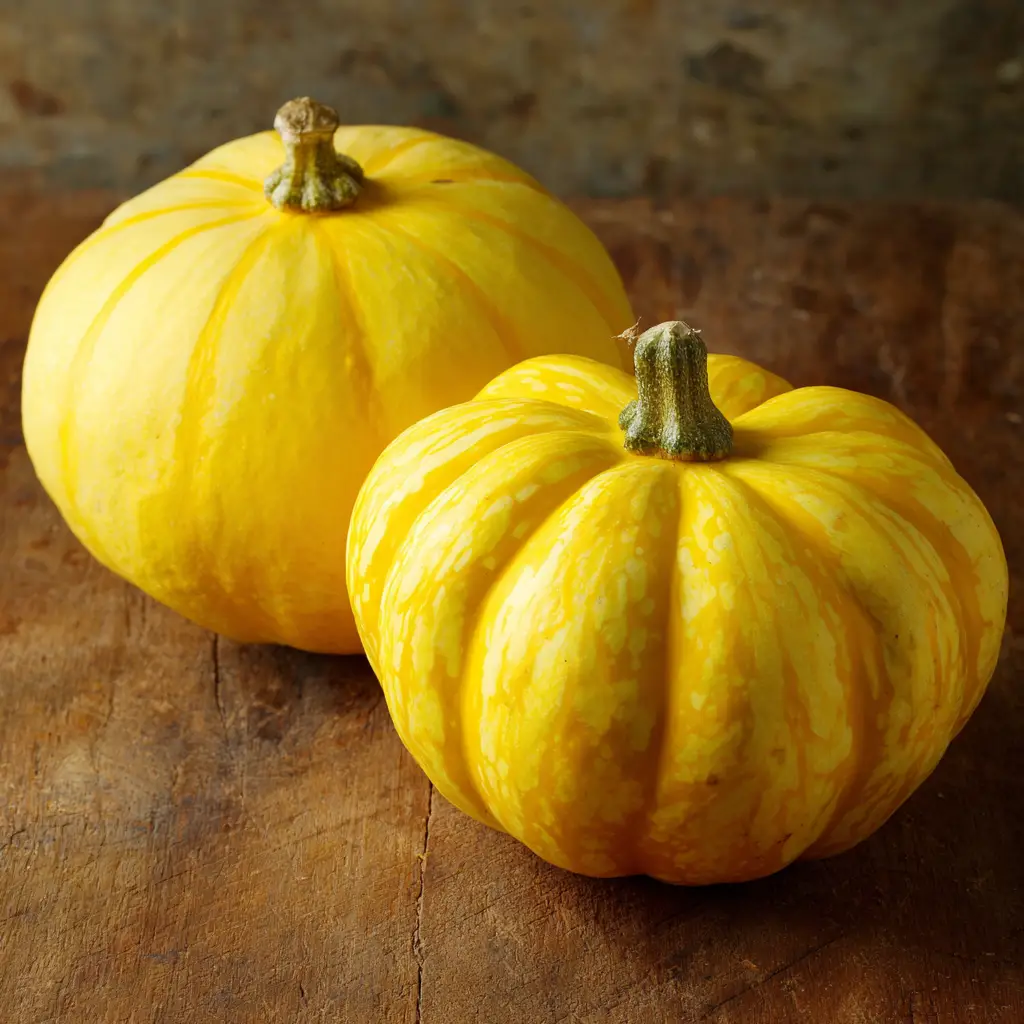
Fresh ingredients make all the difference when preparing yellow squash. Quality produce enhances flavor and texture. Choosing ripe squash with smooth skin ensures the best outcome. The following table lists the ingredients for a classic and flavorful yellow squash recipe along with approximate calorie counts per serving portion.
| Ingredient | Quantity | Approximate Calories |
|---|---|---|
| Yellow squash | 4 medium pieces | 72 |
| Olive oil | 2 tablespoons | 240 |
| Onion chopped | 1 medium | 44 |
| Garlic minced | 3 cloves | 12 |
| Fresh herbs such as parsley or basil | 2 tablespoons | 5 |
| Salt | To taste | 0 |
| Black pepper | To taste | 2 |
| Lemon juice | 1 tablespoon | 4 |
| Grated cheese optional | 1 quarter cup | 110 |
These ingredients create a balanced dish that highlights the natural taste of yellow squash. Optional additions can enhance richness or add protein depending on personal preference.
Step by Step Cooking Instructions
Preparing yellow squash does not require complicated techniques. Simple steps allow the vegetable to shine. Begin by washing the squash thoroughly under cool water. Pat them dry with a clean towel. Trim the ends and slice them into even rounds or half moons depending on desired presentation.
Heat a large skillet over medium heat. Add olive oil and allow it to warm gently. The oil should shimmer slightly but not smoke. Add chopped onion to the pan and stir slowly. Cook until the onion becomes soft and translucent. This process releases sweetness and builds a flavorful base.
Add minced garlic to the pan. Stir continuously for about one minute. Garlic should become fragrant but not brown. Burned garlic can turn bitter and overpower the dish. Patience during this step improves the final taste.You can also explore Squash Soup Recipes for a unique twist.
Place sliced yellow squash into the skillet. Spread them evenly so they cook uniformly. Stir gently to coat each piece with oil and aromatics. Allow the squash to cook for several minutes without constant stirring. This helps achieve light browning and deeper flavor.
Season the squash with salt and black pepper. Stir again and reduce heat slightly. Continue cooking until the squash becomes tender yet still holds its shape. Overcooking can make it mushy. A fork should slide in easily without resistance.
Once tender, drizzle lemon juice over the squash. The acidity brightens the dish and balances the natural sweetness. Sprinkle fresh herbs on top. If using cheese, add it now and allow it to melt gently from residual heat.
Remove the skillet from heat. Taste and adjust seasoning if needed. Serve warm for the best experience. The finished dish should look vibrant and smell inviting. Texture should be soft but not watery. Flavor should feel clean and comforting.
Tips for Customizing the Recipe
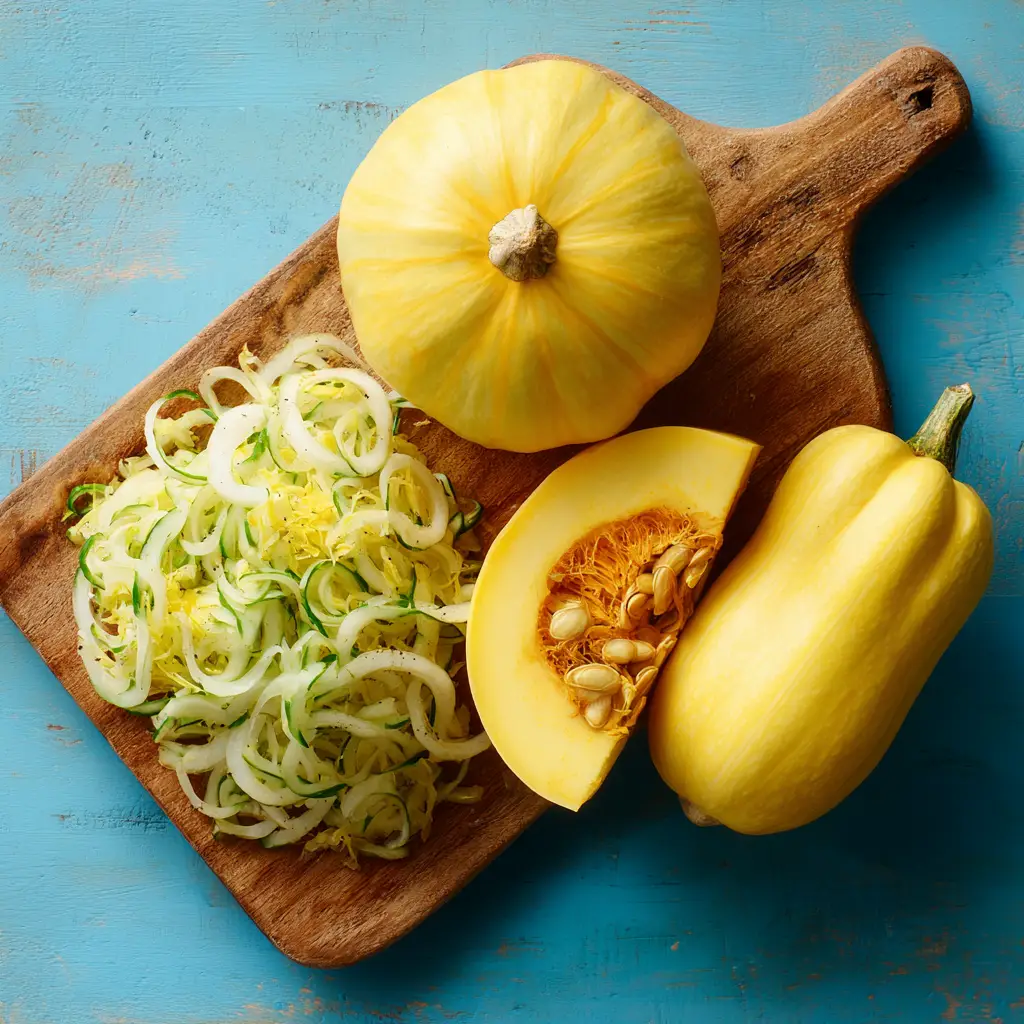
Yellow squash recipes invite creativity. Small changes can create entirely new meals. Adding sliced mushrooms introduces earthiness and depth. Bell peppers add color and mild sweetness. Cherry tomatoes bring juiciness and acidity that complement the squash beautifully.
Protein lovers can include cooked chicken pieces or shrimp. These additions turn a simple side into a satisfying main course. Plant based options such as chickpeas or white beans work equally well and boost texture.
Spices allow for endless variations. A pinch of paprika adds warmth. A touch of cumin brings subtle smokiness. Italian seasoning creates a familiar and comforting profile. Fresh thyme or rosemary enhances aroma and elegance.
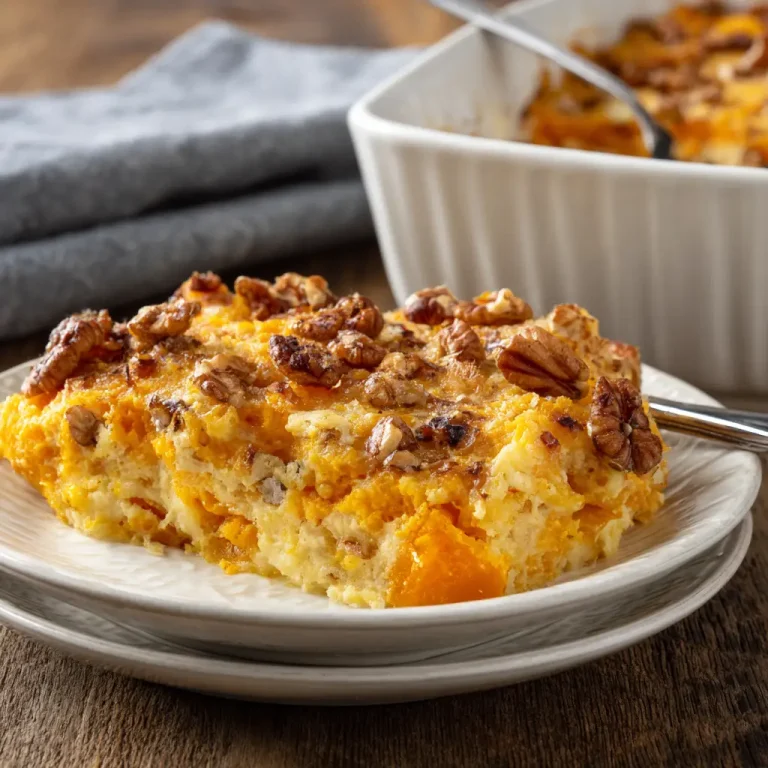
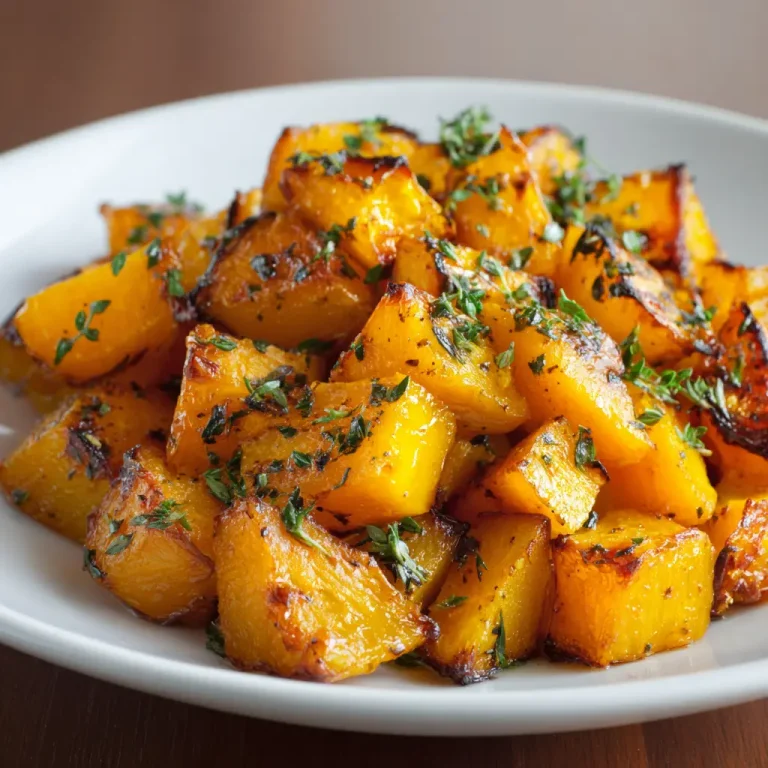
Texture can be adjusted by cooking method. Roasting in the oven produces caramelized edges and concentrated flavor. Baking with a light breadcrumb topping adds crunch. Grilling creates gentle char marks and smoky notes.
Cheese choices also matter. Parmesan offers sharpness. Mozzarella provides creamy melt. Goat cheese adds tangy richness. Each option changes the personality of the dish while keeping yellow squash at the center.
For a lighter version, reduce oil slightly and rely on herbs and lemon for flavor. For a heartier dish, add a small amount of butter at the end for silkiness. Balance is key and personal taste should guide every decision.
Nutritional Information
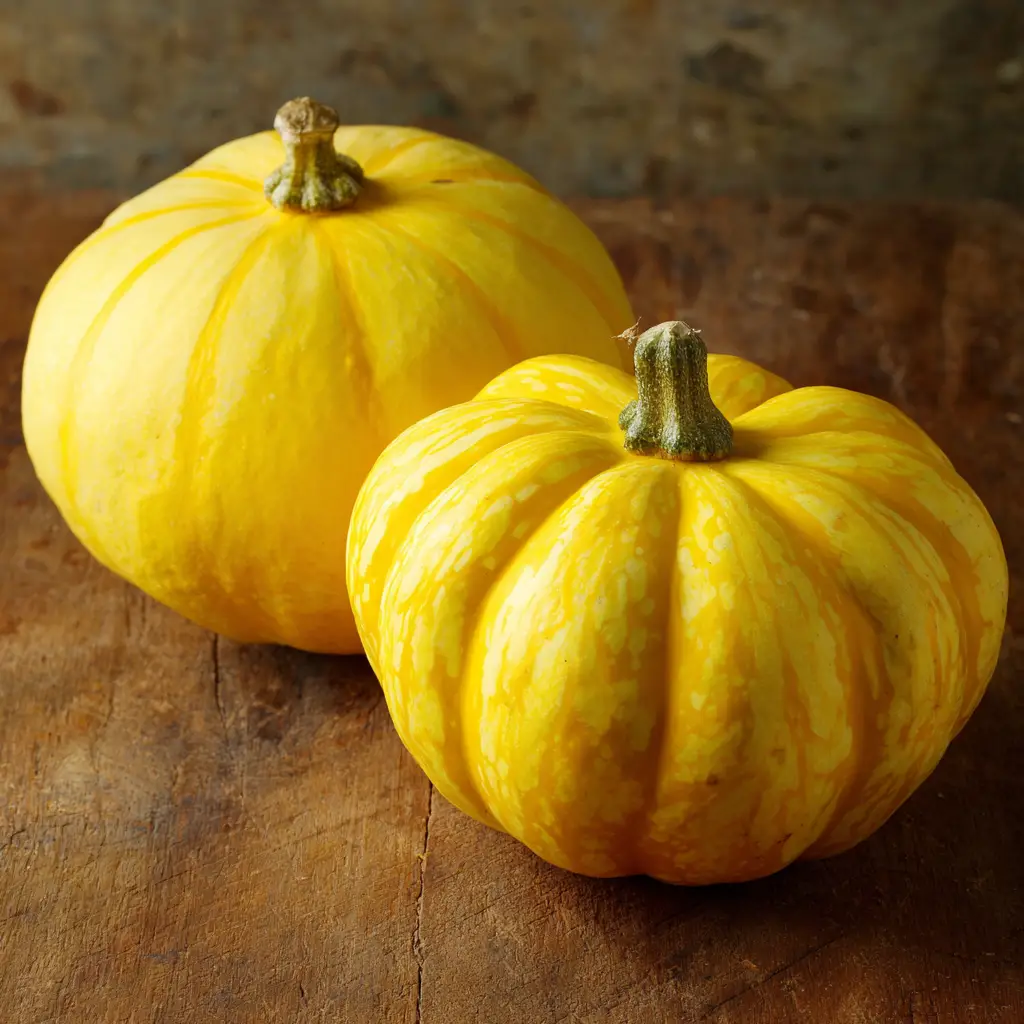
Yellow squash delivers impressive nutritional value in every bite. It contains vitamins that support overall wellness. Vitamin C supports immune health. Vitamin A contributes to eye health and skin vitality. Minerals such as potassium help maintain healthy fluid balance.
Fiber content aids digestion and promotes a feeling of fullness. Meals that include yellow squash often feel satisfying without excess heaviness. The vegetable contains a high water content which helps hydration and freshness.
The calorie content remains modest even with flavorful additions. Olive oil provides healthy fats that support heart health. Herbs contribute antioxidants and micronutrients without adding calories.
Including yellow squash in regular meals supports balanced eating habits. It pairs well with whole grains and lean proteins. This versatility makes it easy to incorporate into daily cooking routines.
Serving Suggestions
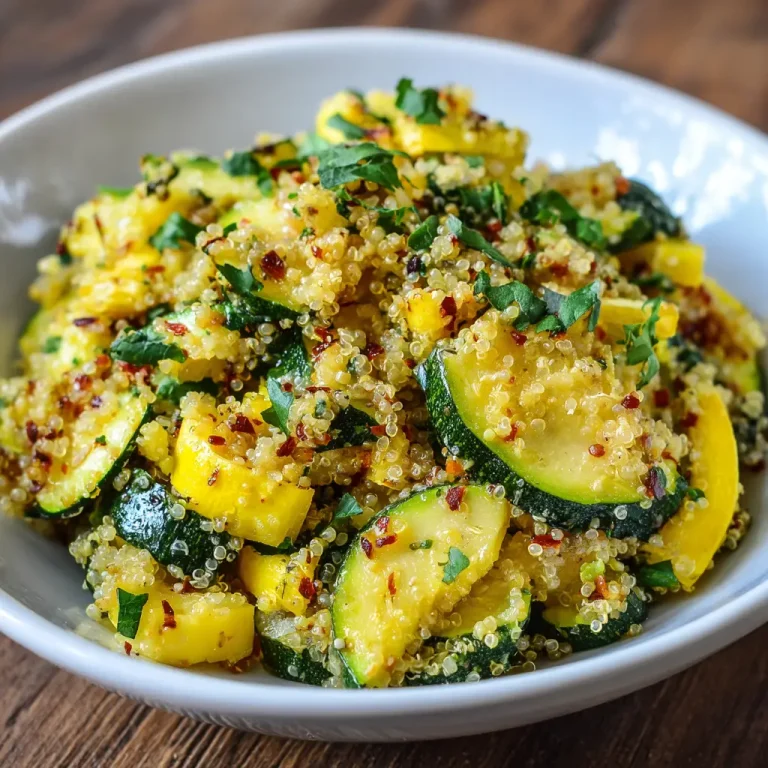
Yellow squash dishes complement many meals. Serve them alongside grilled chicken or fish for a balanced plate. Pair with brown rice or quinoa to create a complete vegetarian option. Add to pasta dishes for extra vegetables and color.
For brunch, serve yellow squash with eggs and whole grain toast. For lunch, layer it into wraps or sandwiches with fresh greens. For dinner, present it as a warm side with roasted meats or plant based mains.
Presentation matters. Garnish with fresh herbs or a light sprinkle of cheese. Serve in a shallow bowl to showcase color and texture. A squeeze of lemon just before serving adds brightness and aroma.
Leftovers store well in the refrigerator for up to two days. Reheat gently to preserve texture. Yellow squash also tastes good at room temperature which makes it suitable for picnics or packed lunches.
Squash Recipes Yellow Easy Healthy and Delicious Cooking Ideas
Course: Blog4
servings10
minutes15
minutes120
kcalIngredients
Fresh yellow squash 4 medium sliced
Olive oil 2 tablespoons
Onion 1 medium finely chopped
Garlic 3 cloves minced
Salt to taste
Black pepper to taste
Fresh parsley or basil 2 tablespoons chopped
Lemon juice 1 tablespoon
Directions
- Wash the yellow squash thoroughly and slice into even rounds or half moons. Keep slices similar in size for even cooking.
- Heat olive oil in a large skillet over medium heat. Add the chopped onion and cook until soft and lightly golden. Stir occasionally to prevent burning.
- Add the minced garlic and cook for about one minute until fragrant. Do not let the garlic brown.
- Place the sliced yellow squash into the skillet. Stir gently so all pieces are coated with oil and onion mixture.
- Season with salt and black pepper. Cook for about eight to ten minutes. Stir occasionally until the squash becomes tender but still holds its shape.
Recipe Video
Notes
- Choose firm yellow squash with smooth skin for best flavor and texture. Avoid overcooking as squash releases water and may become soft. This recipe can be customized by adding mushrooms bell peppers or cooked chicken. Leftovers can be stored in the refrigerator for up to two days and reheated gently.
Frequently Asked Questions
What makes yellow squash different from zucchini
Yellow squash has a slightly sweeter flavor and softer texture. Its skin is thinner and cooks faster than zucchini.
Can yellow squash be eaten raw
Yes raw yellow squash can be sliced thin and added to salads. Its mild taste works well with light dressings.
How do I prevent yellow squash from becoming watery
Avoid overcrowding the pan and cook over medium heat. Salting lightly during cooking helps release moisture gradually.
Is yellow squash suitable for weight focused diets
Yellow squash is naturally light and filling. It fits well into balanced eating plans when prepared with moderate fats.
Can this recipe be made ahead of time
Yes it can be prepared in advance and reheated gently. Flavor often deepens after resting for a short time.
Conclusion
Yellow squash brings warmth and simplicity to the table. Its gentle flavor and vibrant color invite creativity and comfort in equal measure. Cooking with yellow squash feels approachable yet rewarding. Each bite reflects care and freshness.