Sponge cake recipe easy guide for a light and fluffy homemade dessert
Introduction
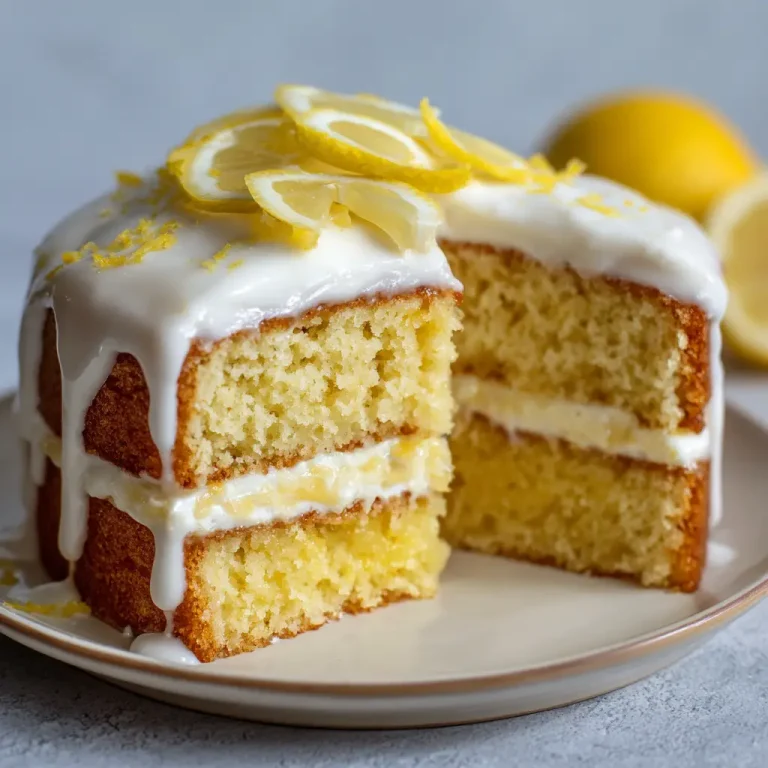
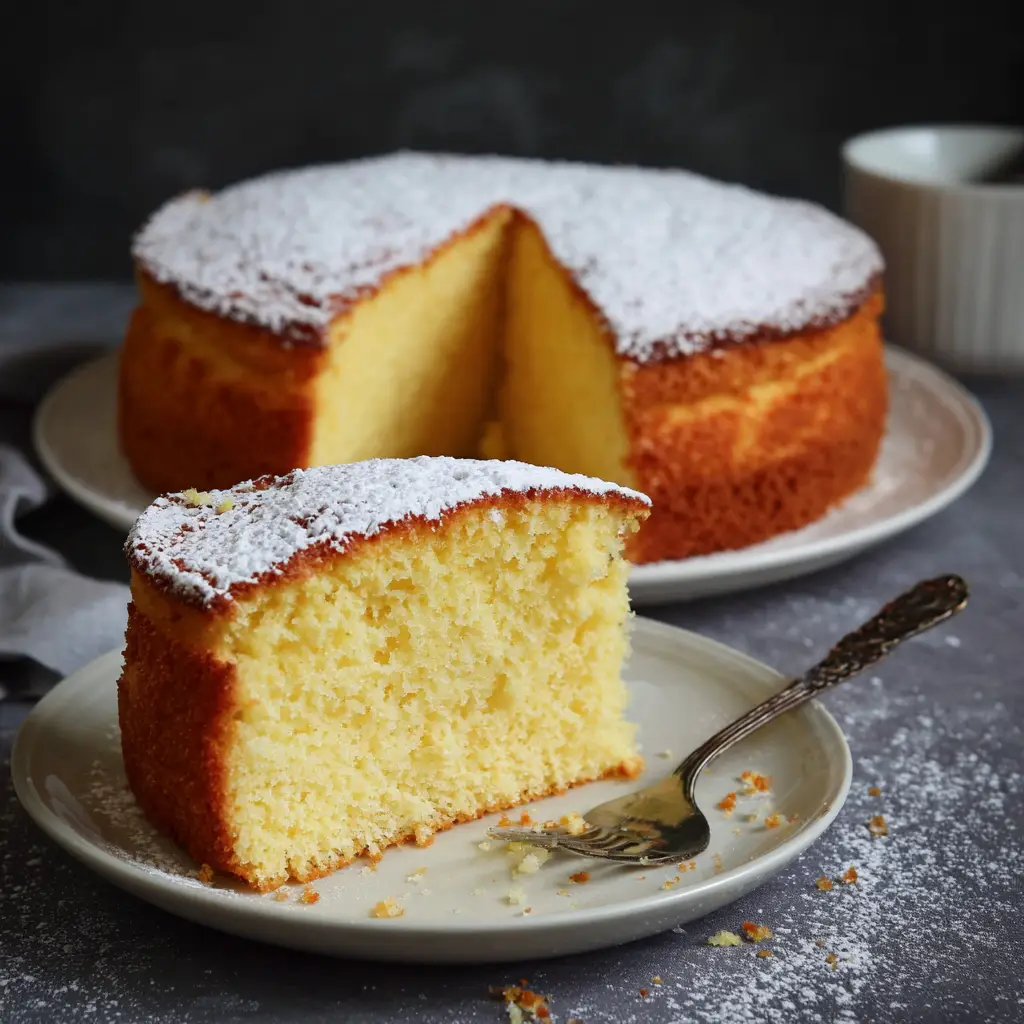
A warm and airy sponge cake always brings a sense of comfort to any kitchen. Many home bakers search for a recipe that feels reliable yet inviting, and a sponge cake fits that longing beautifully. The texture feels light and delicate while still holding a pleasing richness. When you cut into a well made sponge cake you notice a soft crumb that springs back with the perfect amount of bounce.
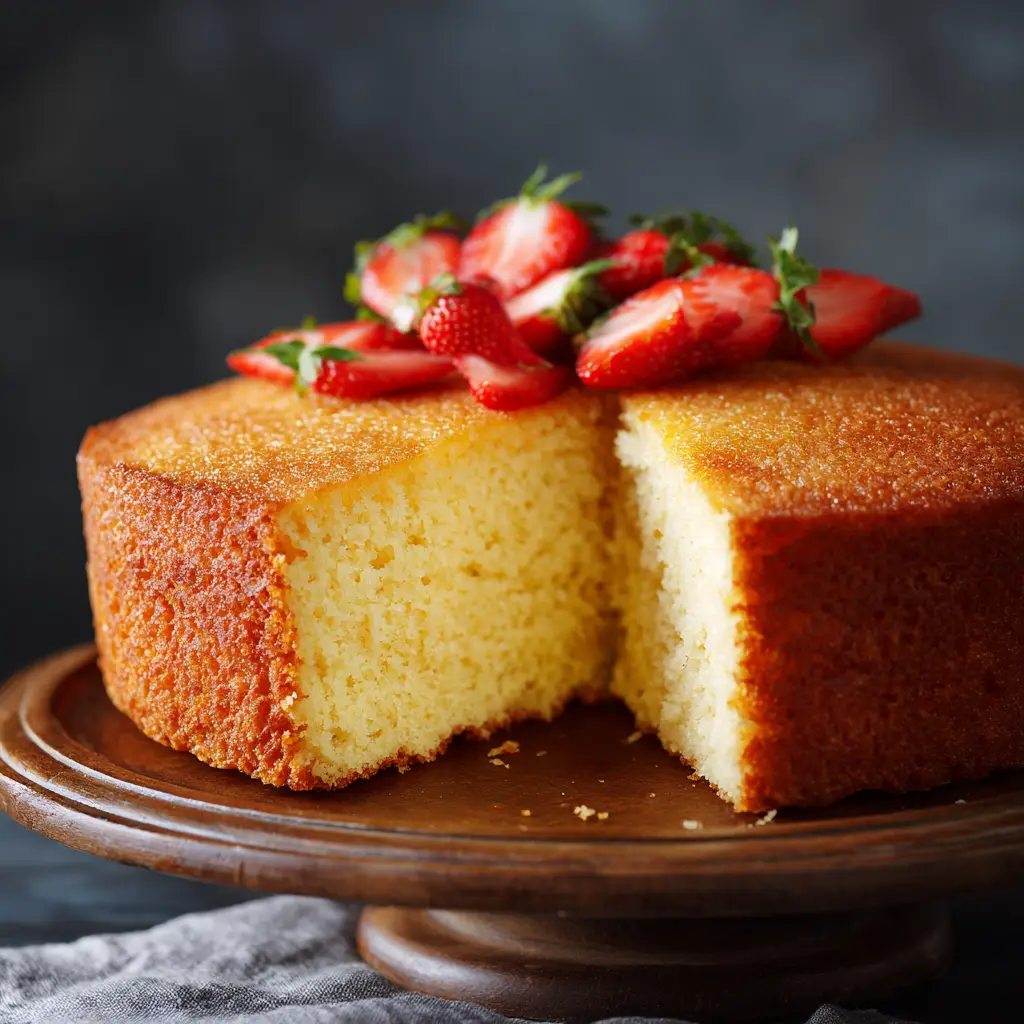
People often enjoy sponge cakes for celebrations, afternoon snacks, or simple moments that call for something sweet. A sponge cake also acts as a helpful base for layered desserts because it absorbs syrups and fillings without losing structure. This makes it a favorite for both new bakers and seasoned cooks who appreciate dependable results.
Ingredients Needed
Below is a table listing the ingredients along with an approximate calorie count for each amount used.
| Ingredient | Amount | Approximate Calories |
|---|---|---|
| Eggs | 4 large | 280 |
| Granulated sugar | 1 cup | 770 |
| All purpose flour | 1 cup | 455 |
| Baking powder | 1 teaspoon | 2 |
| Melted butter | 3 tablespoons | 305 |
| Vanilla extract | 1 teaspoon | 12 |
| Salt | A pinch | 0 |
Step by Step Cooking Instructions
Begin by preheating your oven to a moderate temperature that supports even baking. Prepare a round pan by lightly coating it with melted butter and dusting it with flour so the cake releases smoothly after baking. Set the pan aside while you work on the batter.Another classic you shouldn’t miss is Shortbread cookies which complements this dish well.
Crack the eggs into a large bowl. Beat them on medium speed until they look pale and slightly thickened. Gradually add the sugar while continuing to beat. The mixture should increase in volume as air becomes incorporated. This step determines the height and tenderness of the final cake so take your time and allow the eggs to develop a soft and airy consistency.
Sift the flour with the baking powder and salt to remove any lumps. Sifting also helps the batter stay light because less pressure is needed during mixing. Once the dry ingredients are ready you can begin folding. Use a wide spatula and make gentle sweeping motions through the center and around the bowl. Let the flour disappear slowly into the egg mixture. Avoid stirring with too much force because that would reduce the volume that provides the signature rise of a classic sponge cake.
Pour the melted butter along the side of the bowl so it slides into the batter without deflating it. Add the vanilla extract and continue folding with soft movements until everything blends into a smooth mixture. This batter should feel glossy and airy rather than heavy.
Transfer the batter into the prepared pan and smooth the top. Place the pan in the center of the oven so the heat surrounds it evenly. Allow the cake to bake until the top appears golden and a toothpick inserted in the center comes out clean. The cake should spring back when lightly pressed with a fingertip.
Remove the pan from the oven and let the cake cool for several minutes before turning it out onto a rack. Cooling helps the structure set so the cake remains tender yet sturdy once sliced.
Tips for Customizing the Recipe
A sponge cake encourages creative expression. If you enjoy fruit flavors you can add zest from lemons oranges or limes. This gives the cake a fragrant lift without altering the main structure.
For a cake with deeper sweetness you can brush the surface with simple syrup flavored with vanilla almond or citrus. The sponge absorbs liquids beautifully making every bite rich and moist.
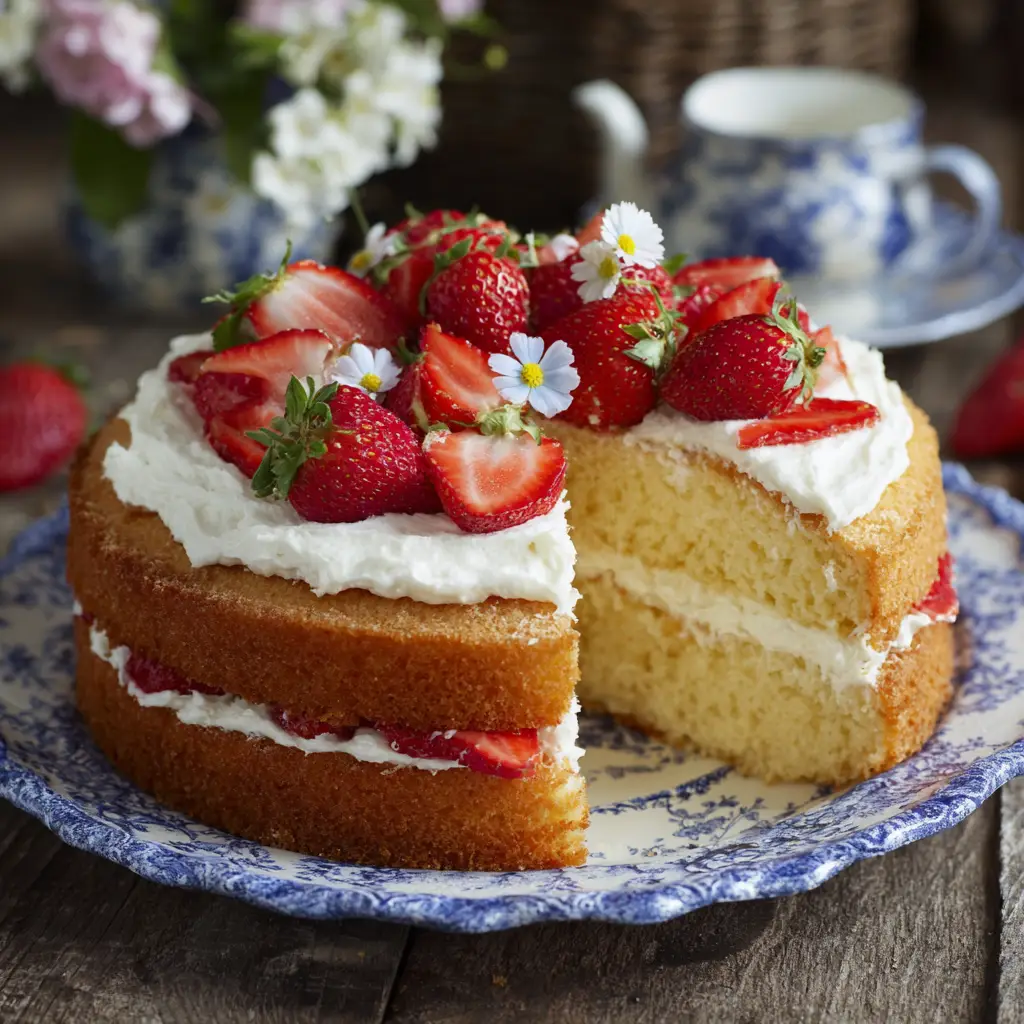
If you plan to use frosting you can try whipped cream or chocolate based creams. These pair well with the gentle sweetness of the sponge. You can also layer the cake with fresh berries or sliced peaches for a refreshing twist.
If you want a more tender crumb use cake flour instead of all purpose flour. The lower protein level produces a softer texture. You can also experiment with almond flour for a mild nutty flavor although you should only replace a small portion so the cake retains its structure.
You can turn this recipe into cupcakes by dividing the batter into a muffin tray. Adjust the baking time so the cupcakes do not overbake.
Nutritional Information
A standard slice from this recipe offers an estimated two hundred to two hundred fifty calories depending on portion size. A slice provides carbohydrates from the flour and sugar along with protein and fat from the eggs and butter. The cake contains minimal fiber but it does offer energy for active days or special occasions. Since this recipe does not rely on heavy creams or rich frostings the overall calorie count stays moderate.
Serving Suggestions
A sponge cake pairs beautifully with many accompaniments. Fresh fruit adds color and taste. Berries offer a refreshing contrast while peaches or mangoes create a tropical feel. You can add whipped cream for a soft cloud like topping that melts into the warm cake.
Tea and coffee bring out the sweetness of the cake and create a cozy moment that feels perfect for quiet mornings or relaxed gatherings. A drizzle of warm chocolate sauce or caramel also adds indulgence without overwhelming the delicate texture.
You can serve the cake as a simple everyday dessert or decorate it for celebrations. Add edible flowers for elegance or dust the top with sugar for a lovely finish. The cake adapts easily to your mood and the occasion.
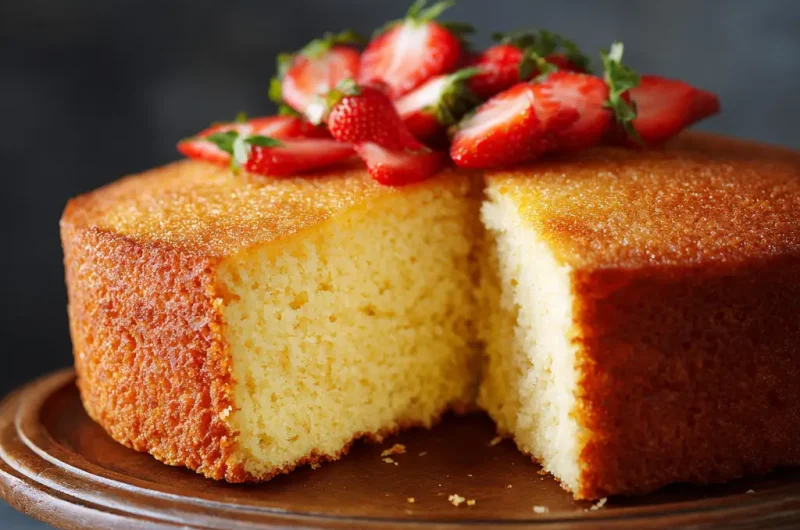
Sponge cake recipe easy guide for a light and fluffy homemade dessert
Course: Blog8
servings15
minutes30
minutes220
kcalIngredients
4 large eggs
1 cup granulated sugar
1 cup all purpose flour
1 teaspoon baking powder
3 tablespoons melted butter
1 teaspoon vanilla extract
Directions
- Preheat your oven to 350 degrees Fahrenheit.
- Grease a round cake pan and dust it lightly with flour.
- Crack the eggs into a large bowl and beat them until pale and thick.
- Add sugar slowly while mixing until the mixture becomes airy and increases in volume.
- Sift flour with baking powder and salt.
Recipe Video
Notes
- For extra flavor you can add lemon zest orange zest or a light brush of simple syrup after baking. Avoid overmixing the batter because the light texture depends on keeping as much air as possible in the mixture.
Frequently Asked Questions
What makes a sponge cake rise so well
A sponge cake rises because the beaten eggs hold air which expands during baking. This creates lift and a fluffy crumb.
Why did my sponge cake collapse
A sponge cake may collapse if the batter was overmixed or if the oven door opened too early. Gentle mixing and steady heat support proper rise.
Can I add cocoa powder to this recipe
You can add cocoa powder but reduce the flour slightly so the batter stays balanced. This creates a chocolate sponge with a soft texture.
How can I store a sponge cake
You can keep the cake in an airtight container at room temperature for two days. If you want longer storage you can refrigerate it or freeze it.
Can I fill the cake with cream
Yes you can fill it with cream fruit or custard. Slice the cake into layers and spread your chosen filling between them.
Conclusion
A homemade sponge cake brings joy to any occasion and feels comforting in its simplicity. Once you understand the gentle steps that give the cake its airy texture you gain a recipe that will serve you well for many years. You can enjoy it plain or dress it with fruits creams or flavorful syrups. Every variation gives you a chance to explore new tastes while keeping the familiar charm that makes this cake a beloved classic. With practice and a bit of imagination you can turn this recipe into a signature treat that brings warmth to your table again and again.