Mastering Sourdough Focaccia: A Step-by-Step Guide to Perfect Rustic Bread
Introduction
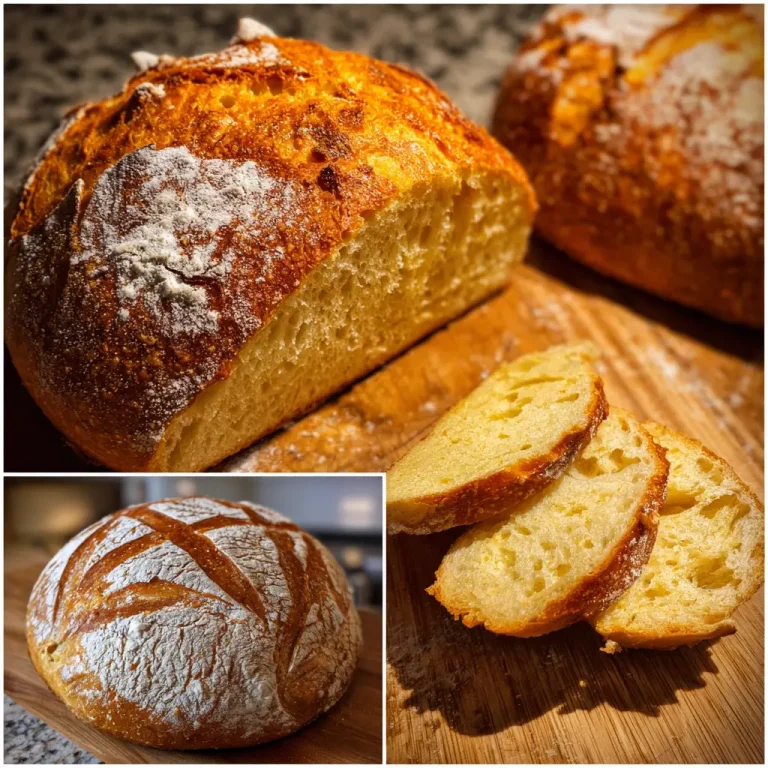
The art of baking with sourdough has been passed down through generations, cherished not only for its rich flavor but also for the slow fermentation process that brings depth and character to every bite. Among the many delicious ways to use a sourdough starter, focaccia stands out as a rustic and versatile bread. Its crispy edges, soft interior, and olive oil-kissed surface make it a favorite across cultures and cuisines.

Sourdough focaccia combines the tangy, fermented flavor of natural leavening with the fluffy texture and golden crust of classic focaccia. Whether served as a side, transformed into a sandwich base, or eaten on its own, each piece tells a story of patience and passion. What makes sourdough focaccia particularly rewarding is the simplicity of its ingredients paired with the complexity of its taste. With a little planning and care, anyone can turn their sourdough starter into a bakery-worthy loaf at home.
For home bakers looking to explore more ways to use their starter or simply elevate their bread game, this guide offers a practical, easy-to-follow approach to crafting delicious sourdough focaccia. Every step honors tradition while offering flexibility, so you can put your personal spin on it. Whether you’re baking for your family, for guests, or just for yourself, this recipe will leave your kitchen smelling divine and your taste buds satisfied.
Ingredients Needed
Below is a complete list of ingredients along with their approximate calorie content per serving. This estimation is based on the final baked product divided into 12 portions.
| Ingredient | Amount | Calories (Approx. per Serving) |
|---|---|---|
| Active Sourdough Starter | 100 grams | 45 |
| Bread Flour | 500 grams | 170 |
| Water | 400 grams | 0 |
| Olive Oil | 50 grams (plus extra for topping) | 90 |
| Sea Salt | 10 grams | 0 |
| Optional Herbs (Rosemary, Thyme) | 5 grams | 2 |
| Optional Toppings (Cherry Tomatoes, Olives, Garlic) | 100 grams | 20 |
Total Calories per Serving (approximate): 327
Keep in mind that topping choices can significantly affect nutritional values. Olive oil adds richness and flavor but also increases the calorie count, so it’s best to find the right balance for your preferences.
Step-by-Step Cooking Instructions
1. Feed Your Starter in Advance
Start by feeding your sourdough starter 4 to 6 hours before you plan to mix your dough. Make sure it’s bubbly and active. This helps the dough rise effectively and develop its signature tang.
2. Mix the Dough
In a large bowl, combine the sourdough starter with warm water and stir until fully dissolved. Add the bread flour and salt. Mix thoroughly with your hands or a spoon until no dry flour remains. The dough will be shaggy at this point but should come together easily.
3. Bulk Fermentation and Stretching
Cover the bowl with a damp towel or plastic wrap and let the dough rest at room temperature for 30 minutes. Then perform the first set of stretch and folds. Gently pull one side of the dough and fold it over itself. Repeat this on all four sides. Do this three more times every 30 minutes for a total of four sets. Let the dough rest for about four to five hours after the final fold. It should be well-risen and airy.
4. Cold Ferment Overnight
Once bulk fermentation is complete, transfer the dough to a well-oiled baking pan. Gently stretch the dough to fit the pan. Do not force it. Cover and refrigerate overnight. This long, cold fermentation deepens the flavor and improves texture.
5. Final Proof and Dimpling
Remove the dough from the fridge and allow it to come to room temperature. This can take about 1 to 2 hours. Once the dough is puffy, drizzle olive oil generously on top. Use your fingers to dimple the dough, pressing in gently to create pockets for the oil and toppings to settle into.
6. Add Toppings
Now is the perfect time to add your favorite toppings. Classic options include fresh rosemary, flaky sea salt, halved cherry tomatoes, sliced olives, or thinly sliced garlic. Push them gently into the dough so they stay in place during baking.
7. Bake
Preheat your oven to 450°F (232°C). Bake the focaccia for 25 to 30 minutes, or until the top is golden brown and the edges are crisp. Let it cool in the pan for about 10 minutes before transferring to a wire rack.
8. Slice and Enjoy
Once the focaccia has cooled slightly, slice it into squares or strips. Serve warm or at room temperature.
Tips for Customizing the Recipe
Sourdough focaccia is incredibly flexible. Here are a few ideas to make it your own:
Whether you prefer sweet, savory, or spicy additions, focaccia offers a perfect canvas for creativity.

Nutritional Information
Each serving of sourdough focaccia contains approximately:
These values may vary based on the flour used, toppings, and amount of olive oil. Despite its indulgent taste, focaccia made with natural leavening can be part of a balanced diet, especially when paired with healthy toppings or served alongside vegetables and lean proteins.The rustic flavors of Sourdough Focaccia make a delightful contrast when enjoyed with the sweetness of Classic Banana Bread.
Serving Suggestions
Sourdough focaccia shines in a variety of settings. Use it as a base for gourmet sandwiches, especially with roasted vegetables, grilled chicken, or mozzarella and basil. Serve it alongside soups like tomato basil or minestrone for a comforting meal. It also pairs beautifully with antipasti platters, olives, cheese, and cured meats.
For brunch or a casual weekend gathering, try serving focaccia with poached eggs and avocado. If you’re hosting a dinner party, cut it into small bites and serve with dips like hummus or tapenade as an appetizer.
Even leftovers hold up well. Reheat slices in the oven to restore their crispness or turn them into croutons for salads.


Mastering Sourdough Focaccia: A Step-by-Step Guide to Perfect Rustic Bread
Course: Blog12 slices
servings25
minutes25
minutesApprox. 327 kcal
kcalIngredients
100g active sourdough starter (fed and bubbly)
500g bread flour
400g water (lukewarm)
10g fine sea salt
50g olive oil (plus more for greasing and topping)
Optional toppings:
Fresh rosemary
Cherry tomatoes
Sliced olives
Thinly sliced garlic
Flaky salt
Directions
- Feed Your Starter
- Make sure your sourdough starter is active. Feed it 4 to 6 hours before you plan to start mixing the dough.
- Mix the Dough
- In a large bowl, mix sourdough starter with water until dissolved. Add bread flour and salt. Mix by hand until a shaggy dough forms. Rest for 30 minutes.
- Stretch and Fold
- Perform 4 sets of stretch-and-folds every 30 minutes over a 2-hour period. Cover dough and let it rest at room temperature until puffy (about 4 to 5 hours).
- Cold Ferment
- Transfer the dough to a generously oiled pan. Gently stretch it to fill the pan (do not force it). Cover and refrigerate overnight (8 to 14 hours).
- Final Proof
- Remove dough from fridge. Let it come to room temperature and puff up slightly (1 to 2 hours). Drizzle with olive oil.
- Dimple the Dough
- Use your fingers to press deep dimples into the dough. Add toppings like rosemary, tomatoes, or garlic.
- Bake
- Preheat oven to 450°F (232°C). Bake for 25 to 30 minutes until golden brown and edges are crisp.
- Cool and Serve
- Let focaccia cool for 10 minutes in the pan, then transfer to a wire rack. Slice and serve warm or at room temperature.
Recipe Video
Notes
- The longer the cold ferment, the deeper the flavor.
Use a well-oiled pan to prevent sticking and create a crispy crust.
For extra airiness, don’t deflate the dough when dimpling—be gentle.
Leftovers can be reheated in a toaster oven or used for sandwiches the next day.
Customize with toppings you love—roasted red peppers, feta, or caramelized onions work beautifully.
FAQs About Sourdough Focaccia
Q1: What makes sourdough focaccia different from regular focaccia?
Sourdough focaccia uses a natural sourdough starter instead of commercial yeast. This slow fermentation process gives the bread a tangy flavor, better texture, and improved digestibility compared to regular focaccia.
Q2: How long does it take to make sourdough focaccia?
The entire process typically takes about 24 hours. This includes feeding the starter, bulk fermentation, cold fermenting overnight, and baking. While it requires patience, much of the time is hands-off.
Q3: Can I use whole wheat flour instead of bread flour?
Yes, you can substitute part or all of the bread flour with whole wheat flour. Keep in mind whole wheat absorbs more water and may require adjusting hydration. The flavor will be nuttier and denser.
Q4: How should I store leftover sourdough focaccia?
Store leftover focaccia in an airtight container or wrapped in foil at room temperature for up to two days. For longer storage, freeze it wrapped tightly and reheat in the oven to restore crispness.
Q5: What toppings work best on sourdough focaccia?
Classic toppings include rosemary, sea salt, cherry tomatoes, olives, garlic, and caramelized onions. You can also experiment with herbs like thyme or oregano and add ingredients like cheese or roasted vegetables.
Q6: Can I make sourdough focaccia without a starter?
Traditional sourdough focaccia requires a starter for natural fermentation and flavor. If you don’t have one, you can substitute commercial yeast, but the flavor and texture will differ.
Q7: Why does my sourdough focaccia sometimes turn out dense?
Density can result from under-proofing, insufficient gluten development, or using too little hydration. Make sure your starter is active, perform stretch and folds during bulk fermentation, and allow enough time for the dough to rise.
Q8: How do I get those signature dimples in focaccia?
Use your fingertips to gently press into the dough just before baking. This creates dimples that hold olive oil and toppings, contributing to the classic focaccia texture and flavor.
Conclusion
Baking sourdough focaccia at home brings together tradition, creativity, and satisfaction. The process takes time but rewards you with a bread that’s rich in flavor, wonderfully textured, and endlessly customizable. Whether you’re just starting your sourdough journey or looking to expand your repertoire, focaccia offers a forgiving yet rewarding bake. Each batch carries the signature of your hands and your kitchen, making it more than just food—it becomes a reflection of care and craft. So pull out your starter, gather your ingredients, and let your next loaf be one to remember.