Classic Rice Red Beans Recipe
Introduction
Rice and red beans is a classic dish that combines simplicity with wholesome flavor. Its origins are rooted in diverse cultures across the globe, from the Southern United States to the Caribbean and Latin America. The dish offers more than just nourishment. It embodies tradition, comfort, and the ability to bring families together around the table.
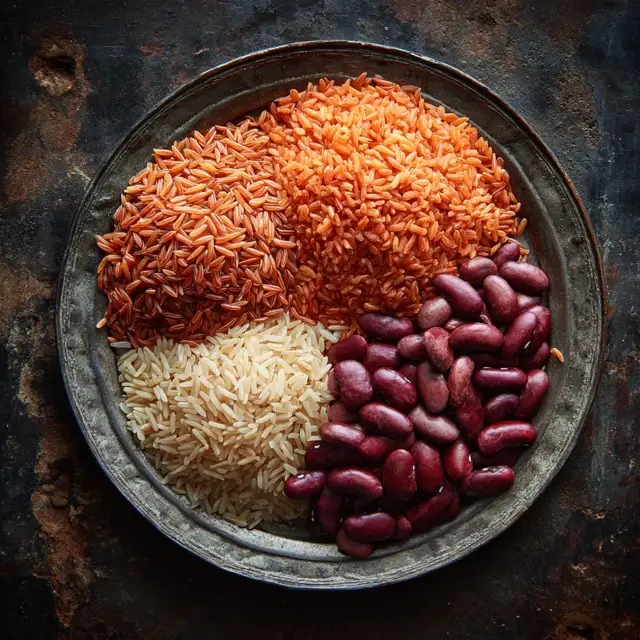
The creamy texture of well-cooked red beans paired with tender, fluffy rice creates a balance that is both satisfying and versatile. Many people enjoy it as a hearty lunch, a family dinner, or even a special occasion meal. Its appeal lies in how the beans absorb flavors from spices and aromatics, while the rice provides a neutral base that highlights those tastes. With careful preparation, a simple pot of rice and red beans can transform into a dish that feels indulgent without being heavy. Home cooks often discover that experimenting with seasonings, cooking methods, and accompaniments can elevate the dish further. Learning to cook rice and red beans properly opens the door to countless variations and allows one to experience its rich cultural significance firsthand. The following guide provides detailed steps, tips, and insights to help anyone create a perfect pot of rice and red beans.
Ingredients Needed
Below is a table of essential ingredients for rice and red beans, including an approximate calorie count per serving. The values may vary slightly depending on the brand or type of ingredients used.
| Ingredient | Approximate Calories Per Serving |
|---|---|
| Red beans one cup (uncooked) | 225 |
| Long grain white rice one cup | 200 |
| Onion one medium | 45 |
| Garlic three cloves | 15 |
| Bell pepper one medium | 25 |
| Celery two stalks | 10 |
| Olive oil one tablespoon | 120 |
| Salt one teaspoon | 0 |
| Black pepper one teaspoon | 5 |
| Thyme one teaspoon | 2 |
| Bay leaf one leaf | 0 |
| Water four cups | 0 |
Step by Step Cooking Instructions
Start by rinsing the red beans thoroughly under cold water. Soaking them for six to eight hours helps reduce cooking time and creates a creamier texture. Drain and rinse the beans again before cooking.
In a medium pot, heat the olive oil over medium heat. Add chopped onions, garlic, bell pepper, and celery. Sauté until the vegetables are soft and aromatic. The combination of these aromatics forms the foundation of flavor for the beans.
Add the drained beans to the pot along with four cups of water, bay leaf, thyme, salt, and black pepper. Stir to combine. Bring the mixture to a boil over medium heat, then reduce to a gentle simmer. Cover partially with a lid and allow the beans to cook for about sixty to seventy minutes, stirring occasionally. The beans should be tender but not mushy.
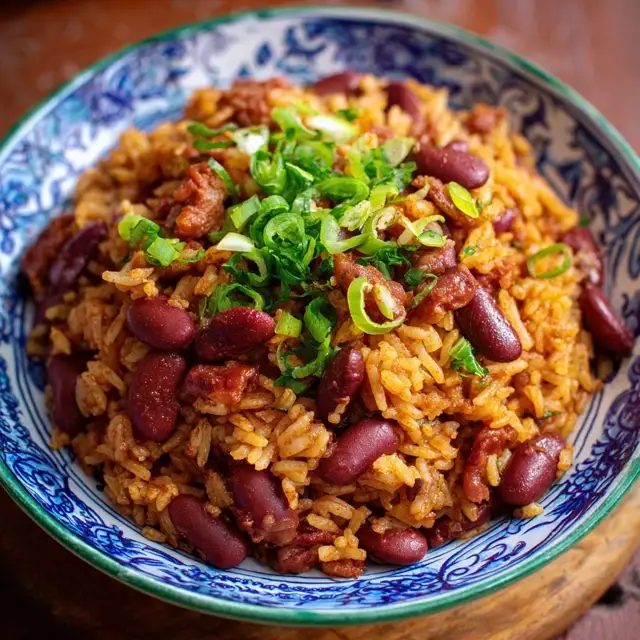
While the beans cook, rinse the rice under cold water until the water runs clear. Bring two cups of water to a boil in a separate pot. Add the rice and a pinch of salt. Reduce the heat to low, cover, and cook for about fifteen to twenty minutes, or until the water is absorbed and the rice is tender. Fluff with a fork before serving.
Once the beans are tender, adjust the seasoning as needed. Remove the bay leaf and serve the beans over or alongside the rice. Some people prefer to mix the rice and beans together for a more cohesive dish, while others enjoy keeping the components separate to savor the distinct flavors of each.
Tips for Customizing the Recipe
Rice and red beans are highly adaptable. Adding smoked sausage or bacon can introduce a savory depth that complements the natural earthiness of the beans. For a vegetarian version, you can incorporate extra vegetables such as carrots, zucchini, or mushrooms to enhance texture and flavor.
Spices such as paprika, cayenne, or cumin can add warmth and complexity. Experimenting with herbs like parsley or cilantro at the end of cooking can introduce fresh notes that brighten the dish. For those who enjoy a creamier consistency, stirring in a small amount of coconut milk or broth near the end of cooking adds richness and subtle flavor.
Cooking the rice in broth instead of water enhances flavor without overpowering the beans. Leftover rice and red beans can be repurposed in burritos, bowls, or even fried rice variations, making the dish versatile for meal planning.
Nutritional Information
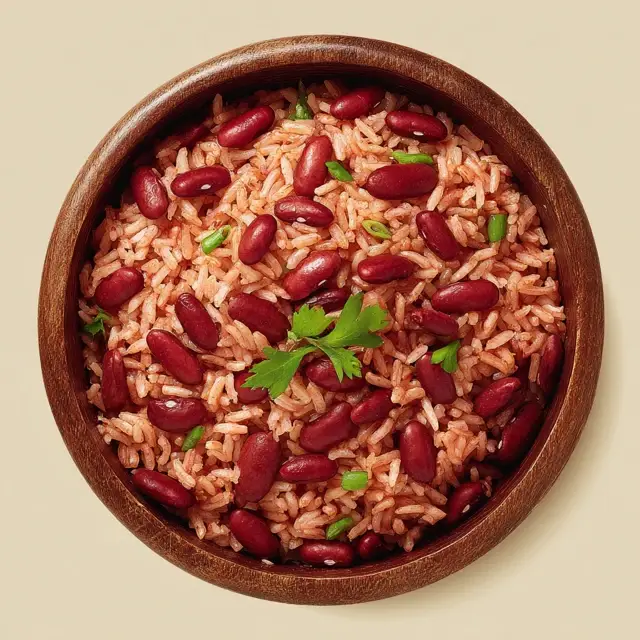
Rice and red beans provide a balanced combination of carbohydrates, protein, and fiber. The beans are a good source of plant-based protein and complex carbohydrates, while the rice contributes energy-sustaining carbs. This combination helps maintain stable blood sugar levels and provides lasting energy.
The vegetables in the dish supply vitamins and minerals, including vitamin C, folate, and potassium. Olive oil contributes healthy fats that support heart health. One serving of rice and red beans averages around five hundred to six hundred calories, depending on portion size and added ingredients. The dish is naturally low in saturated fat and can easily be adapted for a high fiber, vegetarian, or gluten-free diet.
Serving Suggestions
Rice and red beans can be served in many ways. Pairing it with cornbread or crusty bread adds a comforting touch. A side of sautéed greens or fresh salad balances the meal with additional nutrients and texture.
For a festive presentation, top the dish with sliced green onions or a sprinkle of chopped fresh herbs. A dash of hot sauce or a wedge of lime can introduce brightness and a hint of acidity that complements the beans. Leftover rice and beans can also be served over baked potatoes, in tacos, or in grain bowls with roasted vegetables for a creative twist.
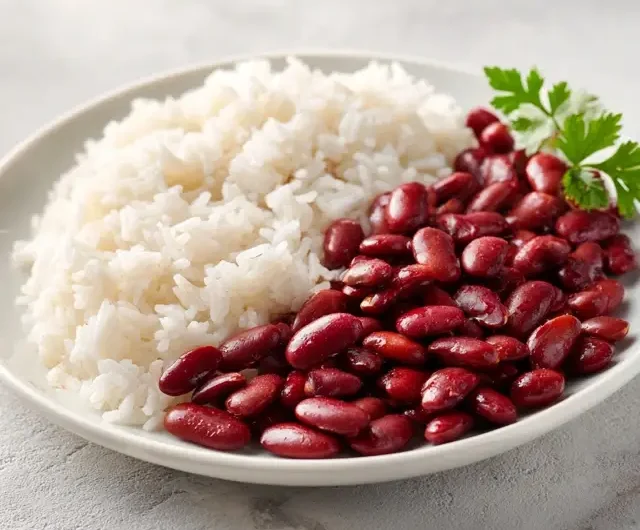
Classic Rice Red Beans Recipe
4
servings10
minutes1
hour10
minutes550
kcalIngredients
Red beans one cup (uncooked)
Long grain white rice one cup
Onion one medium, chopped
Garlic three cloves, minced
Bell pepper one medium, chopped
Celery two stalks, chopped
Olive oil one tablespoon
Salt one teaspoon
Black pepper one teaspoon
Thyme one teaspoon
Bay leaf one leaf
Water four cups
Directions
- Rinse the red beans under cold water. Soak for six to eight hours, then drain.
- Heat olive oil in a medium pot over medium heat. Sauté onions, garlic, bell pepper, and celery until soft.
- Add the drained beans, water, bay leaf, thyme, salt, and black pepper. Stir and bring to a boil.
- Reduce to a gentle simmer, cover partially, and cook for sixty to seventy minutes until beans are tender. Stir occasionally.
- Meanwhile, rinse rice until the water runs clear. Bring two cups of water to a boil in a separate pot. Add rice and a pinch of salt. Reduce heat to low, cover, and cook for fifteen to twenty minutes until tender. Fluff with a fork.
- Remove the bay leaf from the beans and adjust seasoning. Serve beans over or alongside the rice, or mix together for a cohesive dish.
Recipe Video
Notes
- For added flavor, cook rice in vegetable or chicken broth instead of water.
Smoked sausage or bacon can be added for a non vegetarian version.
For creamier beans, mash a few beans while cooking.
Frequently Asked Questions
Can I use canned red beans instead of dried
Yes, canned beans can reduce cooking time significantly. Drain and rinse them before adding to the pot. Reduce the simmering time as canned beans are already cooked.
Can I freeze rice and red beans
Cooked rice and beans can be stored in airtight containers in the freezer for up to three months. Reheat thoroughly before serving.
What type of rice works best
Long grain white rice or jasmine rice works well. Brown rice can be used but requires a longer cooking time and extra liquid.
Can I make this dish spicy
Yes, adding cayenne pepper, hot sauce, or chili flakes allows you to control the heat level to your preference.
How do I make the beans creamy
Soaking the beans and cooking them slowly with occasional mashing of a few beans creates a creamy consistency naturally.
Conclusion
Rice and red beans remain a comforting and versatile dish that celebrates tradition and flavor. The combination of tender beans, aromatic vegetables, and fluffy rice creates a satisfying meal for any occasion. Preparing it at home allows complete control over seasoning, texture, and customization. Sharing this dish with family or friends adds warmth and enjoyment to every bite. With a little practice and attention to detail, rice and red beans can become a favorite staple in your kitchen, offering both nourishment and the joy of a well crafted meal.