Rice Paper Guide for Fresh and Flavorful Homemade Rolls
Introduction
Rice paper invites cooks of every skill level into a world of gentle flavors and soft textures that feel comforting and fresh at the same time. Many people discover it while enjoying spring rolls wrapped in a delicate sheet that seems almost transparent. Others find it while exploring new ways to prepare light meals that are easy on the stomach yet full of inviting aromas. The appeal of rice paper continues to grow because it adapts easily to any kitchen and supports both simple recipes and creative experiments. Its pleasant chew and clean taste allow nearly any filling to shine which encourages people to return to it again and again.
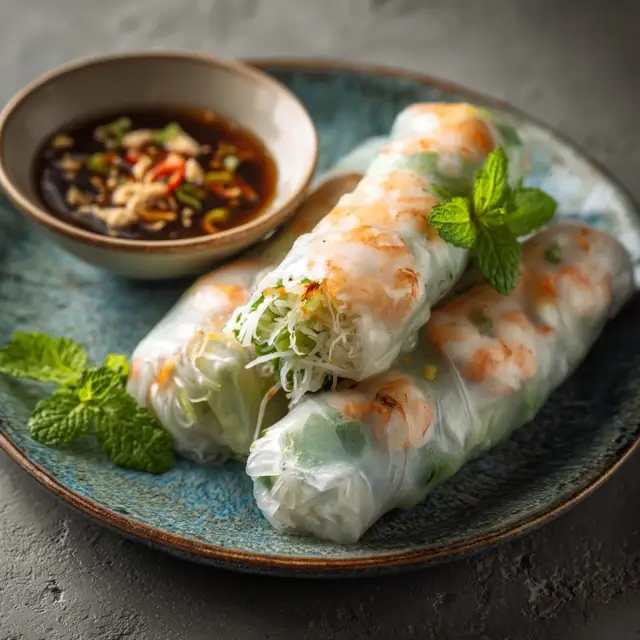
Cooks appreciate how approachable it feels especially when preparing meals for busy days. The sheets become pliable with only a brief soak in warm water which makes the process almost effortless even for beginners. The texture softens into a silky wrap that holds fresh vegetables, herbs, noodles, seafood, or tender slices of cooked meat. The flavor remains neutral enough to blend with many ingredients which is part of its charm. Rice paper also supports healthier cooking choices because it requires very little added fat.
Ingredients Needed
Below is a simple list of common ingredients used to prepare fresh rice paper rolls. You may adjust the list to fit your taste, but these basics work well for many kitchens.
| Ingredient | Estimated Calories |
|---|---|
| Rice paper sheets | 35 per sheet |
| Cooked rice noodles | 190 per cup |
| Sliced cucumber | 16 per half cup |
| Sliced carrots | 25 per half cup |
| Fresh lettuce | 5 per cup |
| Fresh mint leaves | 1 per tablespoon |
| Cooked shrimp or chicken | 80 per three ounces |
| Soy dipping sauce or peanut sauce | 90 per two tablespoons |
Step by Step Cooking Instructions
Begin by preparing all fillings before handling the rice paper. This keeps the process smooth and prevents the sheets from becoming too soft while you search for ingredients. Place sliced vegetables on a clean surface. Keep cooked noodles in a bowl. Set herbs within reach so the assembly flows easily. Many cooks find that neat preparation leads to well shaped rolls with firm structure and balanced taste.
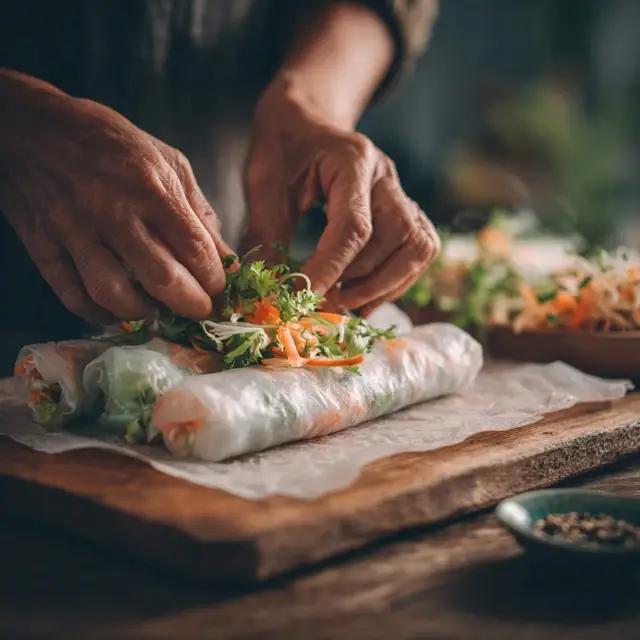
Fill a wide bowl with warm water. The water should feel comfortable to the touch rather than hot. Hold a sheet of rice paper by the edges and lower it slowly into the water. Let it rest for just a few seconds. The sheet softens quickly so remove it before it becomes overly delicate. Lay it on a clean plate or board and smooth it gently if it curls.
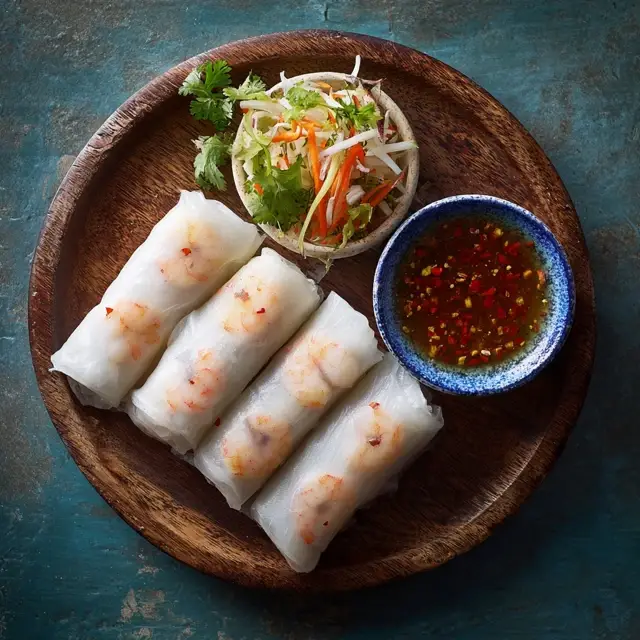
Place a small amount of noodles near the lower third of the softened sheet. Add cucumber, carrots, lettuce, herbs, and your choice of protein. Keep the filling light so the roll closes easily. Begin lifting the bottom of the sheet over the filling and tuck it snugly. Fold the sides inward to secure the contents and continue rolling upward until the entire sheet forms a tight bundle. Repeat the process for each roll.
Set the finished rolls on a plate and cover lightly with a damp cloth to prevent dryness. Serve them fresh with your preferred dipping sauce. If you want the rolls to feel crisp on the outside, brush them lightly with oil and cook them in a warm pan until the outer surface becomes golden. This produces a pleasant contrast between soft fillings and crisp exterior.
Tips for Customizing the Recipe
Rice paper welcomes imagination so you can easily adjust flavor, texture, and nutrition. Many cooks enjoy adding mango slices for a sweet and bright touch that pairs well with shrimp or herbs. Others use tofu seasoned with garlic or ginger to create a plant based option with satisfying taste and depth. You can also add cooked quinoa, sliced avocado, or small strips of grilled vegetables to bring more variety to the rolls.
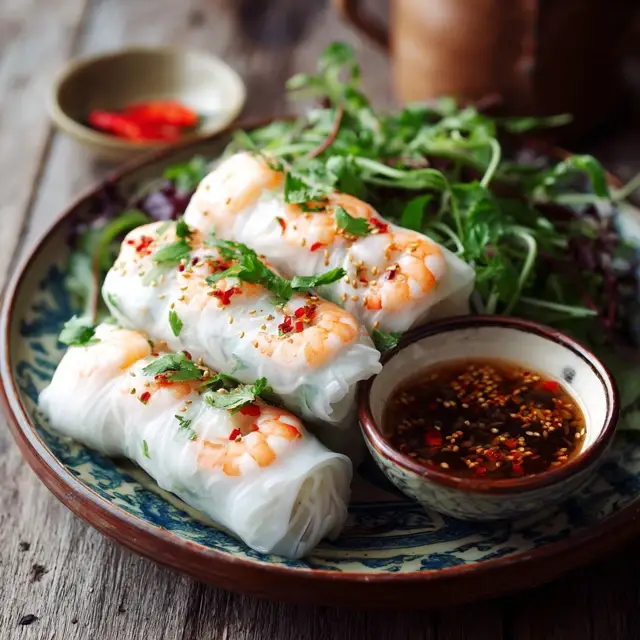
Those who enjoy bold seasoning may sprinkle chili flakes or crushed peanuts inside before rolling. A generous spoon of fresh herbs such as basil or cilantro also adds fragrance and personality. For a heartier meal use larger fillings that create a thicker roll. For a light snack create small rolls with minimal ingredients that feel refreshing and clean. You can also experiment with different dipping sauces such as sweet chili sauce, tamarind sauce, or a simple mix of lime juice and soy sauce.
Nutritional Information
Rice paper rolls offer a gentle balance of calories and nutrients. The sheets themselves contribute only a small amount of energy which makes them appealing for low calorie meals. Most of the nutritional value comes from the fillings. Vegetables provide fiber and essential vitamins that support digestion and overall wellness. Herbs introduce antioxidants and fresh aroma without adding significant calories.
Proteins such as shrimp, chicken, or tofu bring strength to the meal by offering essential amino acids. When paired with vegetables they create a satisfying dish that feels nourishing without heaviness. A modest amount of noodles adds comfort and fullness. Dipping sauces contribute flavor but also increase calories so mindful use can help maintain a balanced meal. Overall rice paper rolls deliver a pleasant combination of lightness and satisfaction that appeals to many lifestyles.
Serving Suggestions
Rice paper rolls work beautifully as a main dish during warm afternoons. They also shine as appetizers during family gatherings or casual dinners with friends. You can place them on a large platter with several dipping sauces so guests can choose their favorite flavor. For a colorful presentation arrange the rolls with sliced fruit and fresh herbs around the edges.
If you prefer a more filling meal serve the rolls with a warm bowl of soup or a plate of steamed vegetables seasoned with simple spices. They also complement grilled items during outdoor meals. When serving children consider making smaller rolls with mild ingredients and sweet dipping sauces. For parties create a build your own station so everyone assembles rolls according to personal taste.

Rice Paper Guide for Fresh and Flavorful Homemade Rolls
Course: Blog4
servings20
minutes10
minutes180
kcalIngredients
Eight rice paper sheets
One cup cooked rice noodles
One cup shredded lettuce
One half cup sliced cucumber
One half cup sliced carrots
Two tablespoons fresh mint leaves
Eight pieces cooked shrimp or one cup cooked chicken or tofu
Four tablespoons peanut sauce or soy sauce for dipping
Directions
- Prepare all vegetables and protein before softening the rice paper. Keep them organized on a clean surface for easy assembly.
- Fill a wide bowl with warm water. Place one rice paper sheet in the water for a few seconds until soft.
- Lay the softened sheet on a clean plate.
- Add a small portion of noodles, lettuce, cucumber, carrots, herbs, and your protein choice near the lower center of the sheet.
- Fold the bottom over the filling and tuck it gently. Fold the sides inward, then roll it tightly to form a smooth and firm roll.
- Repeat the steps with the remaining sheets.
- Serve the rolls fresh with your dipping sauce. You may also lightly pan cook the rolls for a crisp finish if desired.
Recipe Video
Notes
- Rice paper becomes very soft quickly so brief soaking is best. Over soaking may cause tearing. Keep completed rolls covered with a damp cloth to maintain moisture.
Frequently Asked Questions
What is the best way to soften rice paper
A brief soak in warm water works beautifully. The sheet becomes pliable within seconds so remove it quickly to avoid tearing.
Can rice paper be cooked
Yes. It can be lightly pan fried or baked until crisp. This gives a pleasant crunch that pairs well with soft fillings.
How long do prepared rolls stay fresh
Fresh rolls taste best when eaten immediately. You can store them for a few hours in the refrigerator covered with a damp cloth to prevent dryness.
Can I prepare rice paper rolls the night before
It is possible but the texture may become slightly chewy. If you prepare them ahead store them well wrapped and add sauce only before serving.
Are rice paper rolls gluten free
Most rice paper sheets are naturally gluten free because they use rice flour. Always check packaging to be sure.
Conclusion
Rice paper supports cooks of all backgrounds with its gentle character and remarkable versatility. It allows flavorful fillings to shine while keeping the process relaxed and enjoyable. Many people return to it because it encourages creativity and feels comforting during both busy and restful days. With a little practice every roll becomes smoother and more satisfying. Enjoy the freedom to experiment with new fillings and sauces while appreciating the simple pleasure of a meal that feels light and inviting.