Healthy Protein Salad Recipe for Quick and Nutritious Meals
Introduction
Protein salad has become a popular choice for those seeking meals that are both satisfying and nourishing. Its appeal lies in the balance of flavors, textures, and nutrients that make it more than just a side dish. A well-prepared protein salad combines fresh vegetables, protein-rich ingredients, and flavorful dressings to create a dish that is filling yet light. People often choose it for lunch, dinner, or as a post-workout meal because it delivers sustained energy and supports overall wellness. Preparing a protein salad allows flexibility in selecting ingredients based on dietary preferences, seasonal produce, or nutritional goals. The combination of protein, fiber, and healthy fats ensures a meal that keeps hunger at bay and helps maintain focus throughout the day.
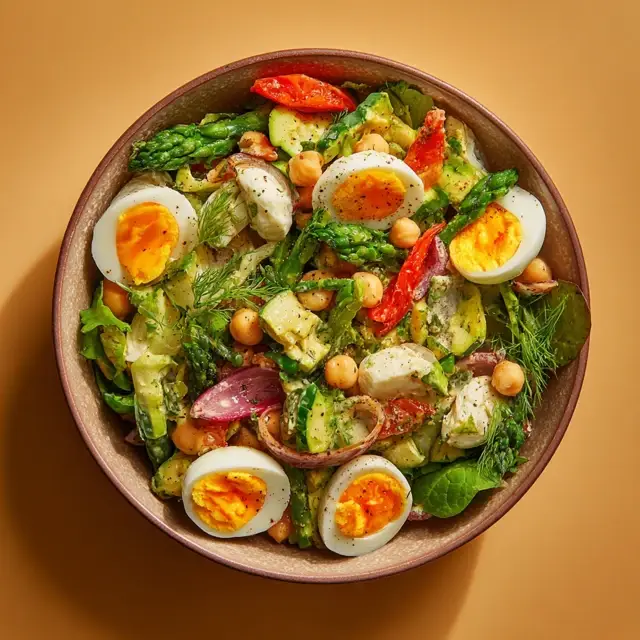
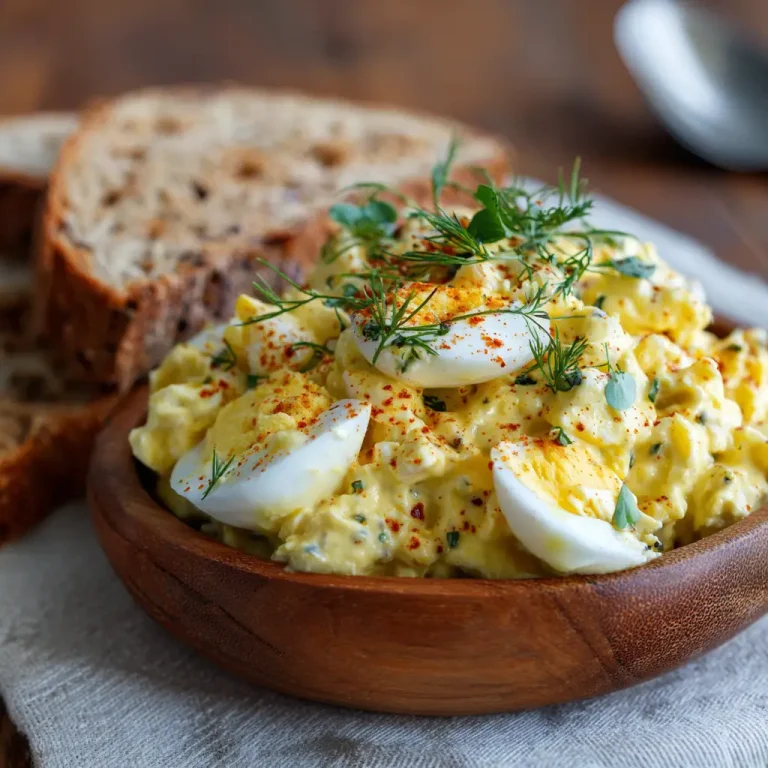
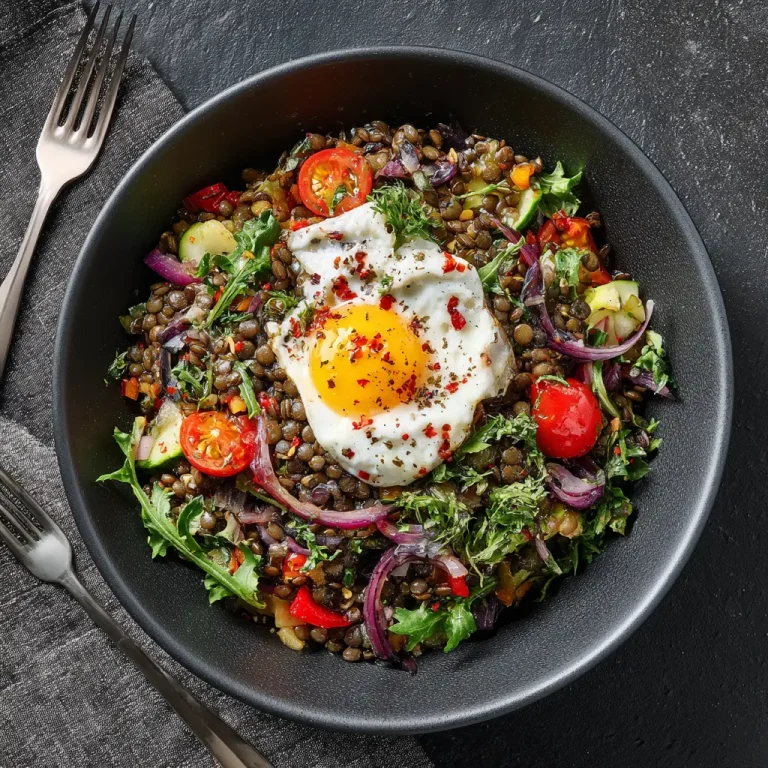
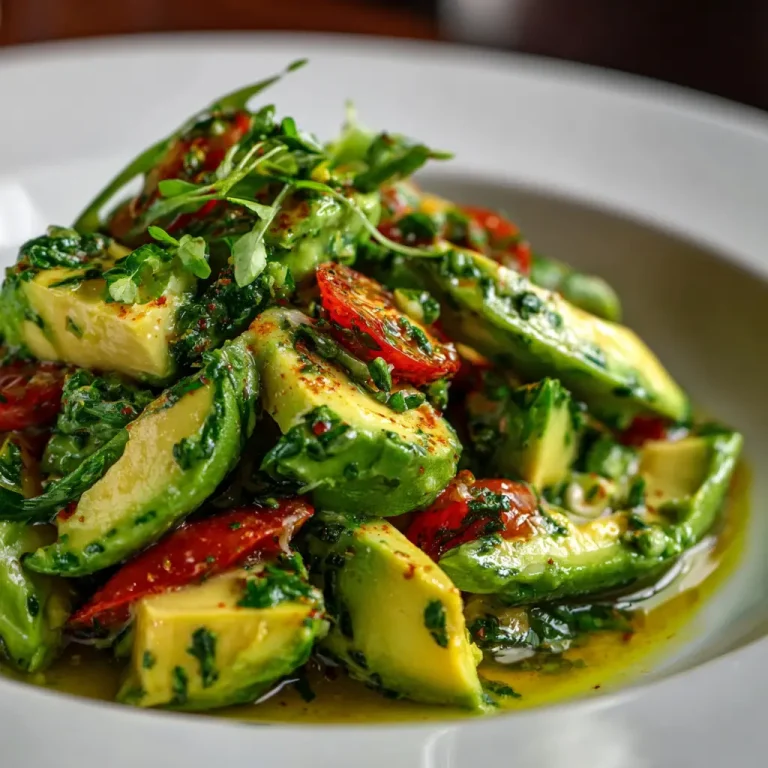
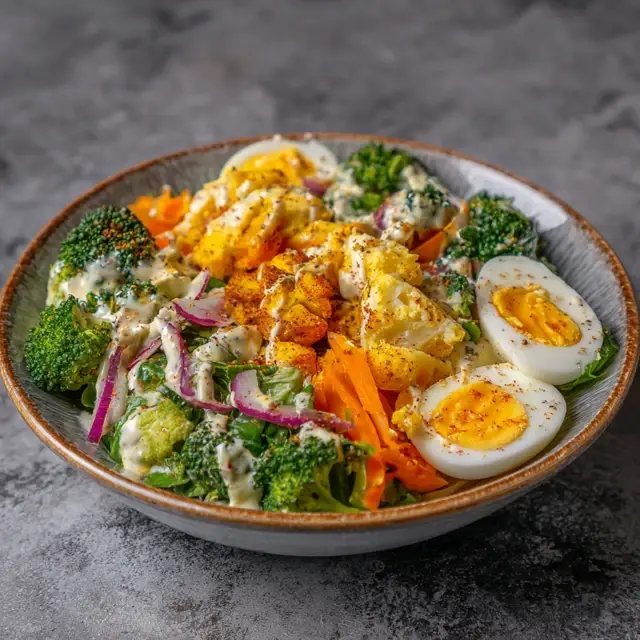
A protein salad is not limited to one type of protein or vegetable. It can include chicken, turkey, boiled eggs, beans, lentils, tofu, or cottage cheese. Fresh greens such as spinach, kale, or arugula provide crispness and vitamins. Adding colorful vegetables like bell peppers, tomatoes, cucumbers, and carrots enhances the visual appeal and nutritional value. Nuts, seeds, and avocado contribute healthy fats and texture, making each bite interesting and satisfying. Choosing the right dressing elevates the flavors without overpowering the natural taste of the ingredients. Protein salads also travel well, making them a practical option for meal prep or office lunches. With careful selection of ingredients, they can cater to vegetarian, vegan, gluten free, or low carb diets, making them versatile for any lifestyle.
Ingredients Needed
Below is a table of ingredients for a classic protein salad along with approximate calorie counts. This recipe serves two to three people depending on portion size.
| Ingredient | Amount | Estimated Calories |
|---|---|---|
| Cooked chicken breast | 200 grams | 330 |
| Mixed greens (spinach, arugula, lettuce) | 3 cups | 20 |
| Cherry tomatoes | 1 cup | 30 |
| Cucumber | 1 medium | 15 |
| Bell pepper | 1 medium | 25 |
| Hard boiled eggs | 2 | 140 |
| Avocado | 1/2 medium | 120 |
| Feta cheese | 50 grams | 130 |
| Olive oil | 2 tablespoons | 240 |
| Lemon juice | 1 tablespoon | 5 |
| Salt | to taste | 0 |
| Black pepper | to taste | 0 |
| Sunflower seeds | 2 tablespoons | 100 |
Step by Step Cooking Instructions
Start by preparing the protein. If using chicken, season it lightly with salt and black pepper and grill or pan-cook until fully cooked and golden on the outside. Allow it to rest for a few minutes before slicing into bite-sized pieces. Boiled eggs should be peeled and sliced or chopped into halves or quarters. If using beans or tofu as a protein alternative, ensure they are drained, cooked, and seasoned appropriately.
Prepare the vegetables while the protein cools. Wash and dry the mixed greens thoroughly to remove excess water. Slice cucumbers, bell peppers, and cherry tomatoes into bite-sized pieces. Dice the avocado and crumble the feta cheese. The goal is to ensure all ingredients are uniform in size to make mixing and serving easier.
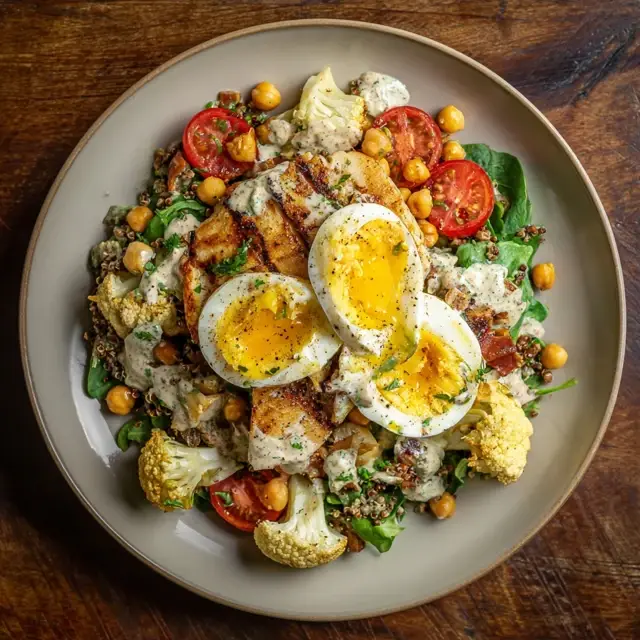
In a large mixing bowl, combine the greens, tomatoes, cucumber, bell pepper, avocado, and feta. Toss gently to mix the ingredients evenly. Add the cooked protein and mix carefully to avoid crushing the vegetables. Sprinkle sunflower seeds on top for added crunch and nutrition.
Prepare the dressing by combining olive oil and lemon juice in a small bowl. Whisk together until emulsified. Season with a pinch of salt and black pepper. Pour the dressing over the salad just before serving and toss lightly to coat all ingredients evenly. Serve immediately to enjoy the fresh flavors and crisp textures.
Tips for Customizing the Recipe
Protein salads are highly adaptable. For vegetarian or vegan options, replace chicken and eggs with grilled tofu, tempeh, chickpeas, or black beans. Different greens such as kale, romaine, or watercress can change the texture and taste. You can swap feta for vegan cheese, nutritional yeast, or omit cheese entirely for a lighter salad.
Add fruits for natural sweetness. Apples, pears, berries, or pomegranate seeds balance the savory flavors of the protein and vegetables. Nuts such as almonds, walnuts, or pecans provide crunch and healthy fats, while seeds like pumpkin or chia add extra nutrients. For extra flavor, consider herbs like parsley, basil, or cilantro, and spices such as paprika, cumin, or garlic powder.
The dressing can also be varied. Olive oil and lemon juice is classic, but vinaigrettes, tahini, balsamic reduction, or yogurt-based dressings work beautifully. Adjust seasoning based on taste preference, and consider making the dressing separately if you plan to store the salad for later consumption to maintain crispness.
Nutritional Information
Protein salads are a rich source of essential nutrients. The protein from chicken, eggs, or plant-based sources supports muscle maintenance, satiety, and energy levels. Vegetables provide fiber, vitamins, and antioxidants that promote digestion and overall health. Healthy fats from avocado, olive oil, and seeds improve nutrient absorption and contribute to heart health.
A typical serving contains approximately 500 to 600 calories, depending on portion size and added ingredients. Protein content ranges from 30 to 40 grams per serving, which is ideal for post-workout meals or high-protein diets. Fiber content from greens and vegetables supports fullness and digestion, while the combination of healthy fats and carbohydrates ensures sustained energy throughout the day.

Serving Suggestions
Protein salad can be served as a main meal or a hearty side. Pair it with whole grain bread, crackers, or a light soup for a balanced lunch or dinner. For meal prep, store the protein separately from the vegetables and dressing to prevent sogginess. Assemble just before eating to maintain freshness and crisp texture.
For visual appeal, serve in a large bowl or on individual plates, garnished with herbs or seeds. Adding colorful vegetables or fruits enhances the presentation. Protein salads are suitable for casual meals, lunch boxes, office lunches, or light dinner parties. They are also ideal for post-workout meals due to their high protein content and balanced nutrition.
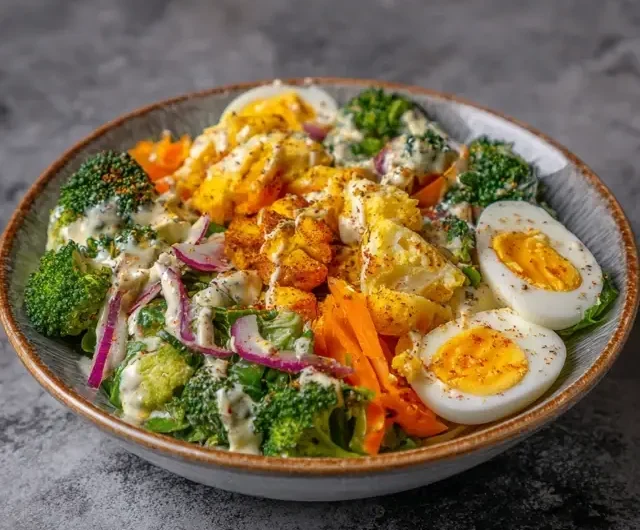
Healthy Protein Salad Recipe for Quick and Nutritious Meals
Course: Blog, Salad recipes2-3
servings15
minutes10
minutes500
kcalIngredients
IngredienttAmounttEstimated Calories
Cooked chicken breastt200 gramst330
Mixed greens (spinach, arugula, lettuce)t3 cupst20
Cherry tomatoest1 cupt30
Cucumbert1 mediumt15
Bell peppert1 mediumt25
Hard boiled eggst2t140
Avocadot1/2 mediumt120
Feta cheeset50 gramst130
Olive oilt2 tablespoonst240
Lemon juicet1 tablespoont5
Salttto tastet0
Black peppertto tastet0
Sunflower seedst2 tablespoonst100
Directions
- Season chicken with salt and black pepper. Grill or pan-cook until fully cooked. Slice into bite-sized pieces.
- Boil eggs, peel, and slice or chop.
- Wash and dry greens thoroughly. Slice cucumbers, bell peppers, and cherry tomatoes. Dice avocado and crumble feta cheese.
- In a large bowl, combine greens, tomatoes, cucumber, bell pepper, avocado, and feta. Toss gently.
- Add chicken and eggs. Mix carefully to avoid crushing vegetables.
- Sprinkle sunflower seeds on top.
- In a small bowl, whisk olive oil and lemon juice with a pinch of salt and pepper. Pour over the salad just before serving and toss lightly.
Recipe Video
Notes
- Substitute chicken and eggs with tofu, tempeh, or chickpeas for vegetarian or vegan versions.
Use different greens such as kale, romaine, or arugula for texture variation.
Add fruits like berries, apples, or pomegranate seeds for natural sweetness.
Frequently Asked Questions
Can I make this salad in advance
Yes. Store the protein separately from the vegetables and dressing. Assemble just before serving to keep everything fresh.
What other proteins can I use
Grilled tofu, tempeh, chickpeas, black beans, or turkey slices are excellent alternatives.
Can I use other greens
Absolutely. Kale, romaine, watercress, or mixed spring greens all work well.
Is this salad suitable for vegan diets
Yes, by replacing chicken, eggs, and feta with plant-based proteins and vegan cheese or seeds.
How should I store leftovers
Store in airtight containers in the refrigerator. Consume within two days for optimal freshness.
Conclusion
Protein salads offer a perfect balance of nutrition, flavor, and convenience. They are versatile, allowing for endless variations based on protein choice, vegetables, and dressings. Each ingredient contributes unique textures and nutrients, creating a satisfying and energizing meal. Preparing a protein salad can be quick, enjoyable, and adaptable to different dietary needs. Serving it with thoughtful presentation or including seasonal produce elevates the experience. Enjoying a protein salad not only supports health but also provides a visually appealing, flavorful, and filling meal that can be shared with family and friends. These salads combine simplicity with nourishment, making them a practical and enjoyable choice for everyday life.