The Ultimate Guide to Making Delicious Poke Bowls at Home
Introduction
Poke bowls have captured the hearts of food lovers worldwide. Originating from Hawaii, this dish combines fresh ingredients in a way that is both visually stunning and nutritionally satisfying. Each bowl typically features a base of rice or greens topped with marinated raw fish, vegetables, and flavorful sauces. Over the years, poke bowls have evolved from a simple Hawaiian staple to a global phenomenon, appearing in restaurants, meal prep services, and home kitchens.
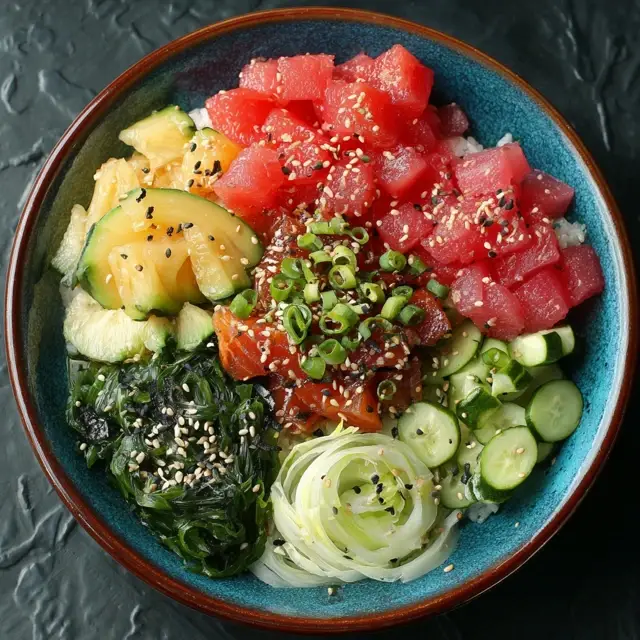
What makes poke bowls particularly appealing is their versatility. They offer a perfect balance between taste, nutrition, and convenience. Preparing a poke bowl at home allows you to control every ingredient, from the freshness of the fish to the richness of the sauce, resulting in a meal that feels both indulgent and health-conscious. The combination of textures, colors, and flavors creates a dish that is satisfying in every sense. From the silky raw fish to the crunch of fresh vegetables and the creaminess of avocado, every bite is an explosion of taste that leaves a lasting impression.
Ingredients Needed
Creating a poke bowl requires fresh and carefully selected ingredients. The following table provides a clear list of items needed along with their approximate calorie counts per serving.
| Ingredient | Quantity | Calories |
|---|---|---|
| Sushi-grade tuna | 150 grams | 184 |
| Sushi rice | 1 cup cooked | 242 |
| Avocado | 1/2 medium | 120 |
| Cucumber | 1/2 cup sliced | 8 |
| Carrot | 1/2 cup shredded | 25 |
| Edamame | 1/2 cup shelled | 120 |
| Seaweed salad | 1/2 cup | 70 |
| Soy sauce | 2 tablespoons | 20 |
| Sesame oil | 1 teaspoon | 40 |
| Scallions | 2 tablespoons chopped | 5 |
| Sesame seeds | 1 teaspoon | 16 |
| Pickled ginger | 2 tablespoons | 10 |
| Sriracha or spicy mayo | 1 tablespoon | 45 |
These ingredients form a classic poke bowl. Variations can be introduced by swapping tuna for salmon, adding different vegetables, or experimenting with sauces. Choosing fresh fish and organic vegetables enhances flavor and provides maximum nutritional benefits.
Step-by-Step Cooking Instructions
- Prepare the Rice
Rinse one cup of sushi rice thoroughly under cold water until the water runs clear. Cook the rice using a rice cooker or stovetop method following standard instructions. Once cooked, allow the rice to cool slightly to room temperature. Adding a small amount of rice vinegar can enhance flavor. - Marinate the Fish
Cut 150 grams of sushi-grade tuna into bite-sized cubes. In a small bowl, combine 2 tablespoons of soy sauce, 1 teaspoon of sesame oil, and a pinch of sesame seeds. Gently toss the tuna cubes in this marinade and let them sit for 10 to 15 minutes. This step enhances flavor without overpowering the natural taste of the fish. - Prepare Vegetables and Toppings
Slice cucumber into thin rounds or half-moons, shred carrots, and chop scallions. Halve an avocado and slice it carefully. If using edamame, cook according to package instructions. Prepare any additional toppings, such as seaweed salad or pickled ginger, ensuring they are fresh and visually appealing. - Assemble the Bowl
Place a generous scoop of cooked sushi rice in the bottom of a bowl. Arrange marinated tuna on top of the rice. Neatly add cucumber, carrot, edamame, avocado, and seaweed salad around the fish. Drizzle spicy mayo or sriracha on top and sprinkle sesame seeds for added texture. - Final Touches
Garnish with scallions and pickled ginger. Serve immediately for the best flavor and texture. The combination of warm rice and chilled ingredients creates a unique contrast that defines the poke bowl experience.
Tips for Customizing the Recipe
Poke bowls are highly adaptable, and you can adjust them to suit dietary preferences or flavor profiles.
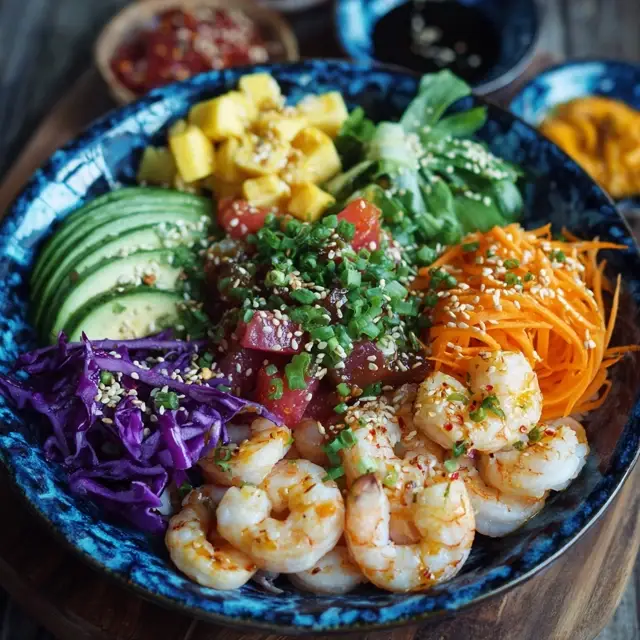
- Protein Options
Swap tuna for salmon, shrimp, or even tofu for a vegetarian version. Each protein brings a unique texture and nutritional value. - Rice Alternatives
Consider brown rice, cauliflower rice, or quinoa for a healthier twist. These options increase fiber content and make the bowl more filling. - Vegetable Variations
Add bell peppers, radish, or mango for a sweet and crunchy element. Seasonal vegetables can be rotated to keep the dish fresh throughout the year. - Sauces and Dressings
Experiment with ponzu sauce, ginger dressing, or creamy sesame sauce to create new flavor profiles. Adjust spice levels according to personal preference. - Texture Enhancements
Top the bowl with crushed nuts, crispy onions, or seaweed flakes for added crunch. These small touches elevate the eating experience.
Nutritional Information
A standard poke bowl provides a balance of macronutrients and essential vitamins. On average, one serving contains approximately 850 calories. Protein comes primarily from the fish and edamame, while healthy fats are contributed by avocado and sesame oil. The combination of vegetables offers fiber, vitamins A and C, and essential minerals.
The dish is also relatively low in sugar while being rich in omega-3 fatty acids if using fatty fish like tuna or salmon. Sodium content is moderate, largely coming from soy sauce, but it can be reduced by using low-sodium versions. Overall, a poke bowl is a nutritious choice for a complete meal that satisfies taste buds and supports a healthy diet.
Serving Suggestions
Poke bowls are versatile in presentation and consumption. Serve them in deep bowls to highlight the vibrant colors of the ingredients. Pair the bowl with light sides such as miso soup or a simple green salad to complement the meal without overwhelming the palate.
For gatherings, serve poke bowls as a build-your-own station, allowing guests to customize toppings and sauces. This approach is visually impressive and interactive, making the meal an experience rather than just food.
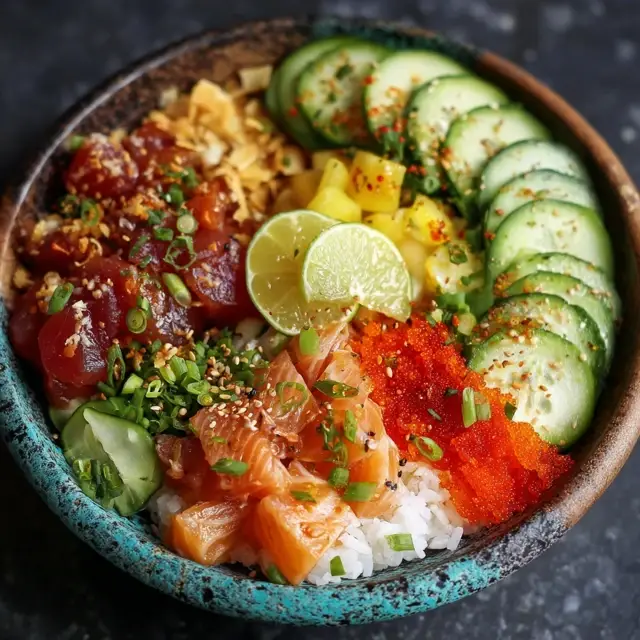
For a quick lunch option, assemble poke bowls in reusable containers. Keep sauces separate until ready to eat to maintain freshness and texture. Cold poke bowls travel well, making them ideal for meal prep or office lunches.
The Ultimate Guide to Making Delicious Poke Bowls at Home
2
servings15
minutes20
minutes850
kcalIngredients
150 grams sushi-grade tuna, cubed
1 cup cooked sushi rice
1/2 medium avocado, sliced
1/2 cup cucumber, sliced
1/2 cup carrot, shredded
1/2 cup shelled edamame
1/2 cup seaweed salad
2 tablespoons soy sauce
1 teaspoon sesame oil
2 tablespoons chopped scallions
1 teaspoon sesame seeds
2 tablespoons pickled ginger
1 tablespoon sriracha or spicy mayo
Directions
- Cook the Rice
- Rinse 1 cup of sushi rice under cold water until the water runs clear. Cook rice according to instructions and let it cool slightly. Optionally, add a splash of rice vinegar for extra flavor.
- Marinate the Fish
- Cut sushi-grade tuna into bite-sized cubes. In a small bowl, combine soy sauce, sesame oil, and sesame seeds. Gently toss the tuna in this marinade and let it sit for 10 to 15 minutes.
- Prepare Vegetables
- Slice cucumber, shred carrots, chop scallions, and slice avocado. Cook edamame if needed. Prepare any additional toppings like seaweed salad or pickled ginger.
- Assemble the Bowl
- Place a scoop of rice in the bottom of the bowl. Arrange marinated tuna on top. Add cucumber, carrot, edamame, avocado, and seaweed salad around the fish. Drizzle with sriracha or spicy mayo. Sprinkle sesame seeds and garnish with scallions and pickled ginger.
- Serve and Enjoy
- Serve immediately for the freshest taste.
Recipe Video
Notes
- You can replace tuna with salmon, shrimp, tofu, or tempeh for variety.
For a lower-calorie option, use cauliflower rice or reduce the amount of avocado and sauce.
Keep sauces separate if preparing in advance to maintain freshness.
FAQs
Can I use cooked fish instead of raw fish?
Yes, cooked fish like grilled salmon or shrimp can replace raw fish. It changes the texture slightly but maintains flavor.
How long can poke bowls be stored in the refrigerator?
For best results, store components separately. Raw fish should be consumed within 24 hours, while vegetables and rice can last up to three days if properly stored.
Can I make poke bowls vegetarian or vegan?
Absolutely. Replace fish with tofu, tempeh, or marinated mushrooms. Use plant-based sauces to keep it vegan-friendly.
What sauces work best with poke bowls?
Soy sauce, ponzu, spicy mayo, sesame dressing, and ginger dressing are popular options. Mixing sauces can create unique flavor profiles.
Is it possible to reduce calories in a poke bowl?
Yes. Use cauliflower rice, reduce avocado, and minimize oil-based sauces. Increasing vegetables adds volume without extra calories.
Conclusion
Poke bowls offer a perfect combination of freshness, flavor, and nutrition. They are simple to prepare yet impressive in presentation, making them ideal for everyday meals or special occasions. By choosing high-quality ingredients and experimenting with toppings and sauces, you can create a bowl that is uniquely your own.