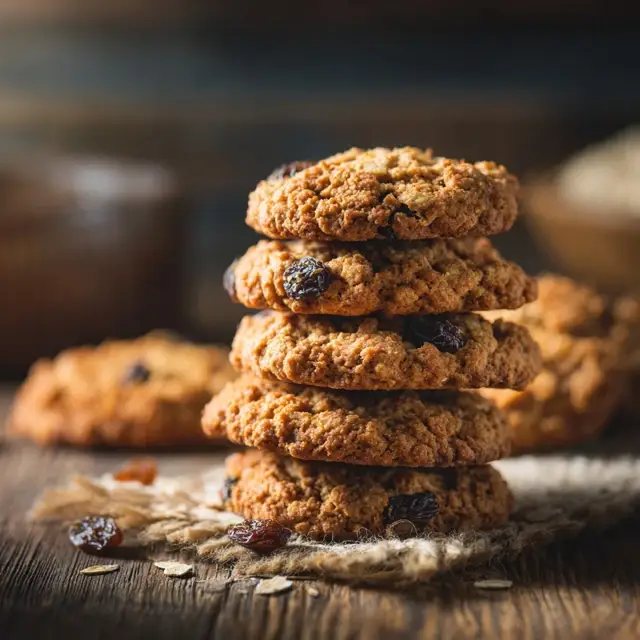
Oatmeal Cookies Recipe Easy Homemade Soft and Chewy Treat
Warm aromas drifting from the oven often signal comfort and care, and oatmeal cookies capture that feeling better than most homemade treats. These cookies bring together wholesome oats, gentle sweetness, and a satisfying texture that appeals to both children and adults. Kitchens across the world rely on oatmeal cookies as a trusted classic because they feel familiar yet adaptable to modern tastes. Every bite carries a balance of softness and chewiness that makes them hard to resist.
Ingredients Needed
Choosing quality ingredients makes a noticeable difference in oatmeal cookies. Each component contributes to taste, texture, and nutritional value. Fresh oats create a hearty bite. Butter offers richness and aroma. Natural sweeteners balance flavor without overpowering the oats. The table below outlines common ingredients along with approximate calorie counts per typical recipe portion.
| Ingredient | Quantity | Approximate Calories |
| Oats | 2 cups | 300 |
| All purpose flour | 1 cup | 455 |
| Unsalted butter | 1 cup | 1620 |
| Brown sugar | 1 cup | 830 |
| Granulated sugar | 0.5 cup | 387 |
| Eggs | 2 large | 140 |
| Baking soda | 1 teaspoon | 0 |
| Cinnamon | 1 teaspoon | 6 |
| Salt | 0.5 teaspoon | 0 |
| Vanilla extract | 1 teaspoon | 12 |
Calorie values remain estimates and vary based on brand and measurement style. Using fresh ingredients improves both flavor and texture. Oats should smell clean and slightly nutty. Butter should feel firm yet pliable. Eggs should be at room temperature to blend smoothly.
Step by Step Cooking Instructions
- Preheat the oven to 350 degrees Fahrenheit. Prepare a baking sheet with parchment paper. This step ensures even baking and easy cleanup.
- Place butter in a large mixing bowl. Beat until smooth and creamy. Add brown sugar and granulated sugar. Mix until light and fluffy. Proper creaming incorporates air which helps the cookies rise gently.
- Add eggs one at a time. Mix well after each addition. Stir in vanilla extract. The mixture should appear glossy and cohesive.
- In a separate bowl combine flour, baking soda, cinnamon, and salt. Whisk gently to distribute the leavening evenly.
- Gradually add the dry ingredients to the wet mixture. Mix until just combined. Over mixing can lead to dense cookies.
- Fold in oats using a spatula. Ensure the oats distribute evenly through the dough. The dough should feel thick yet manageable.
- Scoop portions of dough onto the prepared baking sheet. Leave enough space between cookies to allow spreading.
- Bake for 10 to 12 minutes. Edges should appear lightly golden while centers remain soft.
- Remove the baking sheet from the oven. Let cookies cool for several minutes before transferring to a wire rack. Cooling allows the structure to set without drying out.
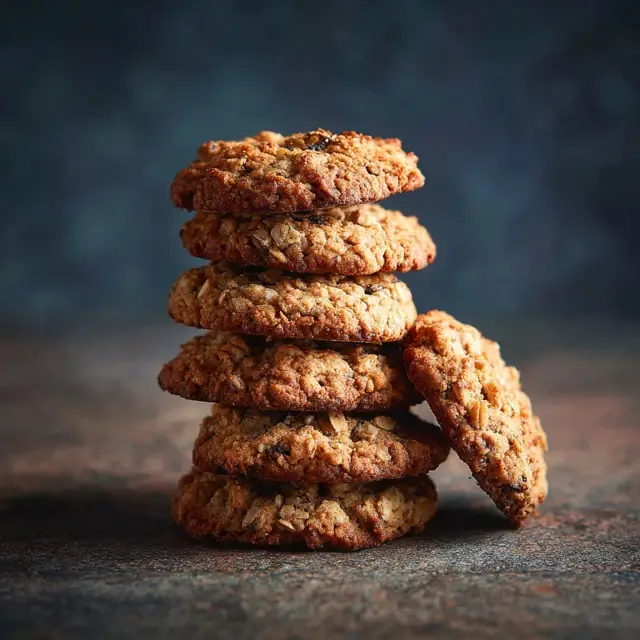
The result should be oatmeal cookies with crisp edges and tender centers. Baking time may vary slightly based on oven performance and cookie size.
Tips for Customizing the Recipe
Oatmeal cookies welcome creativity. Adjustments allow bakers to tailor flavor and texture without compromising structure. Swapping ingredients or adding extras creates unique variations.
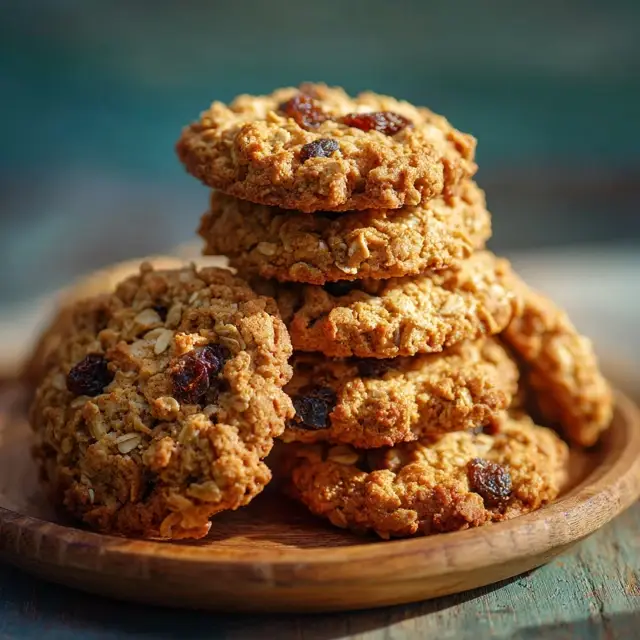
Adding dried fruit introduces natural sweetness and chewiness. Raisins remain traditional, but dried cranberries or chopped dates add brightness. Nuts provide crunch and depth. Walnuts and pecans complement oats beautifully.
Chocolate lovers enjoy folding in chocolate chips or chunks. Dark chocolate pairs well with the earthy oats. Milk chocolate offers a sweeter profile that appeals to children.
Reducing sugar suits those seeking a lighter cookie. Using more brown sugar than white sugar creates moisture and a caramel like taste. Honey or maple syrup can replace part of the sugar though texture may change slightly.
Whole wheat flour can replace half of the all purpose flour for added fiber. This change results in a heartier cookie with a rustic feel. Gluten free blends also work well when measured carefully.
Spices enhance aroma and warmth. Nutmeg, allspice, or ginger add complexity without overwhelming the base flavor. Small amounts go a long way.
Texture adjustments come from baking time. Shorter baking yields softer cookies. Longer baking produces crisp results. Observing the cookies near the end of baking ensures the desired outcome.
Nutritional Information
Oatmeal cookies provide more nutritional value than many traditional cookies. Oats deliver dietary fiber which supports digestion and promotes fullness. Whole grains contribute minerals such as magnesium and iron.
Butter supplies fat which aids flavor and satiety. Using moderate portions helps maintain balance. Eggs contribute protein and essential nutrients like choline and vitamin D.
Sugar content varies by recipe. Reducing sugar lowers calorie density without eliminating enjoyment. Choosing natural sweeteners adds trace minerals though moderation remains important.
A typical oatmeal cookie contains approximately 150 to 200 calories depending on size and ingredients. Fiber content ranges from 2 to 3 grams per cookie. Protein content averages 3 grams. Fat content sits around 7 to 9 grams.
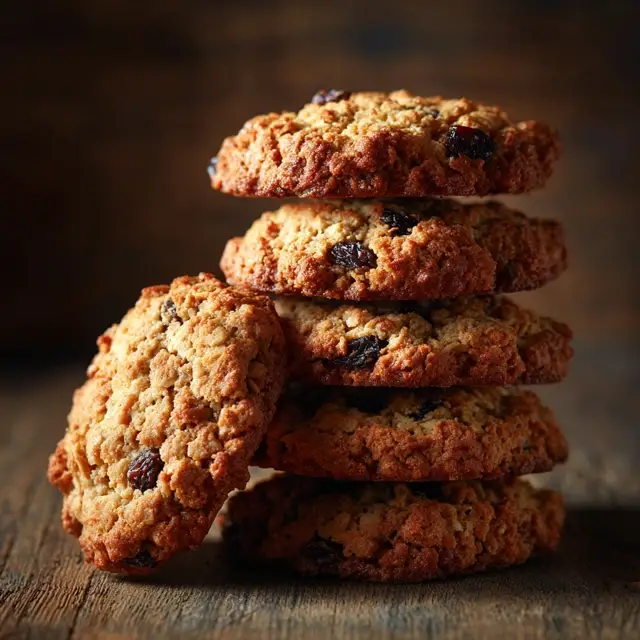
These cookies fit well into a balanced diet when enjoyed mindfully. Pairing them with fruit or yogurt creates a satisfying snack. Homemade versions allow control over portion size and ingredient quality.
Serving Suggestions
Oatmeal cookies shine in many settings. Serving them warm enhances aroma and texture. A glass of milk remains a classic companion. The contrast between warm cookie and cool milk creates comfort.
Coffee and tea pair beautifully with oatmeal cookies. The mild sweetness complements bitter or earthy beverages. Spiced teas echo the cinnamon notes in the cookies.
For gatherings, arrange cookies on a platter with fresh fruit. The combination offers balance and visual appeal. Drizzling a light glaze over cooled cookies adds elegance for special occasions.
Oatmeal cookies also work well as dessert bases. Crumble them over yogurt or ice cream for added texture. Sandwiching ice cream between two cookies creates a simple yet indulgent treat.
Packaging cookies in airtight containers preserves freshness. They remain soft for several days and freeze well for longer storage. Thawing at room temperature restores texture without loss of flavor.

Oatmeal Cookies Recipe Easy Homemade Soft and Chewy Treat
Course: Blog24
servings15
minutes12
minutes150
kcalIngredients
1 cup (230 g) unsalted butter, softened
1 cup (200 g) brown sugar, packed
½ cup (100 g) granulated sugar
2 large eggs
1 teaspoon vanilla extract
1 ½ cups (190 g) all-purpose flour
1 teaspoon baking soda
1 teaspoon ground cinnamon
½ teaspoon salt
3 cups (240 g) old-fashioned rolled oats
1 cup (150 g) raisins or chocolate chips (optional)
Directions
- Preheat oven to 350°F (175°C) and line baking sheets with parchment paper.
- In a large bowl, cream together butter, brown sugar, and granulated sugar until smooth and fluffy.
- Beat in eggs one at a time, then add vanilla extract.
- In another bowl, whisk together flour, baking soda, cinnamon, and salt. Gradually mix into the wet ingredients.
- Stir in oats and raisins or chocolate chips, if using.
- Bake the Cookies:
- Drop rounded tablespoons of dough onto the prepared baking sheets, spacing about 2 inches apart.
- Bake for 12–15 minutes or until edges are lightly golden.
- Let cookies cool on the baking sheet for 5 minutes, then transfer to a wire rack to cool completely.
Recipe Video
Notes
- For chewier cookies, slightly underbake them and let them set on the baking sheet.
You can add nuts, coconut, or dried cranberries for extra flavor.
Store cookies in an airtight container at room temperature for up to one week.
FAQs
What type of oats works best for oatmeal cookies
Old fashioned oats deliver the ideal balance of chewiness and structure. Quick oats create a softer cookie while steel cut oats remain too firm for most recipes.
Can oatmeal cookie dough be refrigerated
Yes dough can rest in the refrigerator for up to two days. Chilling enhances flavor and controls spreading during baking.
How can cookies be made softer
Using more brown sugar than white sugar helps retain moisture. Slightly under baking also keeps centers tender.
Are oatmeal cookies suitable for children
Oatmeal cookies suit children well because of their mild sweetness and wholesome ingredients. Reducing sugar further improves suitability.
Can butter be replaced with oil
Butter provides superior flavor but oil can substitute in equal amounts. Texture may become slightly softer.
Conclusion
Oatmeal cookies represent more than a simple dessert. They reflect tradition, comfort, and adaptability in one familiar form. Baking them brings warmth into the kitchen and satisfaction to the table. Each batch tells a story shaped by ingredient choices and personal touches.