Mutton Shawarma Recipe: Easy Step by Step Homemade Shawarma
Introduction
Mutton shawarma has become a favorite street food and home-cooked delight for many food lovers around the world. Its rich flavors, aromatic spices, and tender meat make it an irresistible choice for lunch, dinner, or even a hearty snack.

Unlike the traditional chicken shawarma, mutton offers a deeper, more robust flavor that pairs perfectly with garlic sauce, fresh vegetables, and soft flatbreads. The process of making mutton shawarma at home may seem elaborate at first, but it is actually straightforward and rewarding when done step by step.
Ingredients Needed
Creating the perfect mutton shawarma begins with selecting high-quality ingredients. Fresh mutton, fragrant spices, and creamy sauces all contribute to an unforgettable taste. The following table lists the essential ingredients along with their approximate calorie counts per serving size to help you keep track of nutritional intake.
| Ingredient | Quantity | Approximate Calories |
|---|---|---|
| Mutton (boneless) | 500 grams | 1190 |
| Yogurt | 100 grams | 59 |
| Lemon juice | 2 tablespoons | 8 |
| Garlic cloves | 4-5 cloves | 22 |
| Olive oil | 2 tablespoons | 239 |
| Ground cumin | 1 teaspoon | 8 |
| Ground coriander | 1 teaspoon | 5 |
| Paprika | 1 teaspoon | 6 |
| Turmeric | 1/2 teaspoon | 4 |
| Ground black pepper | 1/2 teaspoon | 3 |
| Salt | To taste | 0 |
| Arabic bread or pita | 4 pieces | 400 |
| Fresh vegetables (lettuce, tomatoes, cucumber) | 1 cup | 50 |
| Garlic sauce or tahini | 4 tablespoons | 200 |
These ingredients provide enough mutton shawarma for four servings. Adjusting spices or portion sizes can cater to individual preferences without compromising flavor.
Step-by-Step Cooking Instructions
Cooking mutton shawarma at home involves careful marination, proper roasting, and perfect assembly. Following each step ensures tender meat with rich and layered flavors.
Step 1: Preparing the Marinade
In a large bowl, combine yogurt, lemon juice, minced garlic, olive oil, cumin, coriander, paprika, turmeric, black pepper, and salt. Mix thoroughly until a smooth paste forms. The yogurt not only tenderizes the meat but also allows the spices to penetrate deeply, resulting in enhanced flavor.
Step 2: Marinating the Mutton
Cut the mutton into thin strips or bite-sized pieces. Add the meat to the marinade and coat each piece evenly. Cover the bowl and refrigerate for at least four hours or overnight for maximum tenderness. Marinating overnight allows the mutton to absorb the spices and become succulent when cooked.
Step 3: Cooking the Meat
Heat a nonstick pan or skillet over medium-high heat. Add the marinated mutton in small batches to ensure even cooking. Sauté the meat for eight to ten minutes until it is browned and cooked through. Alternatively, the mutton can be roasted in the oven at 200 degrees Celsius for 20 to 25 minutes for a more authentic shawarma texture. Basting with a little olive oil during roasting enhances the meat’s juiciness.
Step 4: Preparing the Bread and Sauce
While the meat cooks, warm the Arabic bread or pita on a skillet or in the oven for a few minutes. Prepare garlic sauce or tahini sauce by mixing garlic, yogurt, olive oil, and a pinch of salt until smooth. A creamy sauce balances the richness of the mutton and adds a layer of flavor to each bite.
Step 5: Assembling the Shawarma
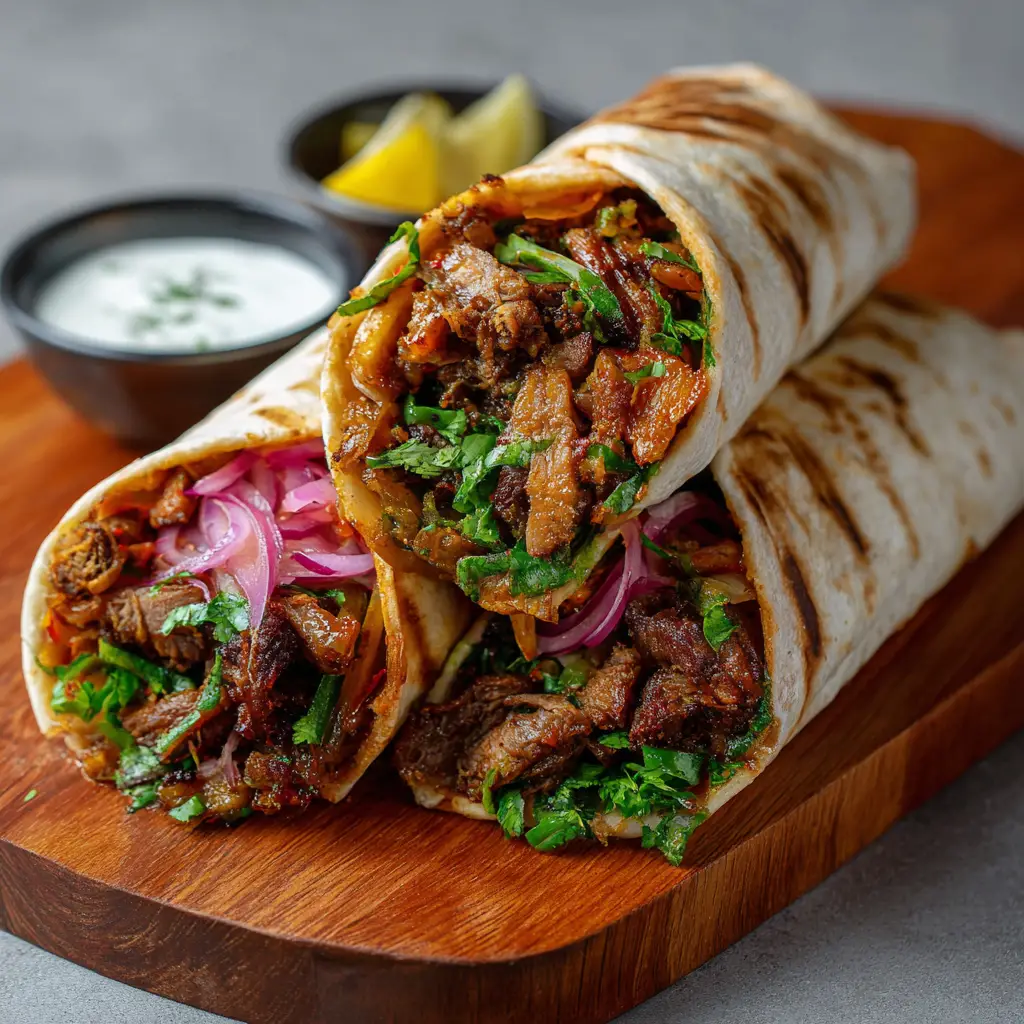
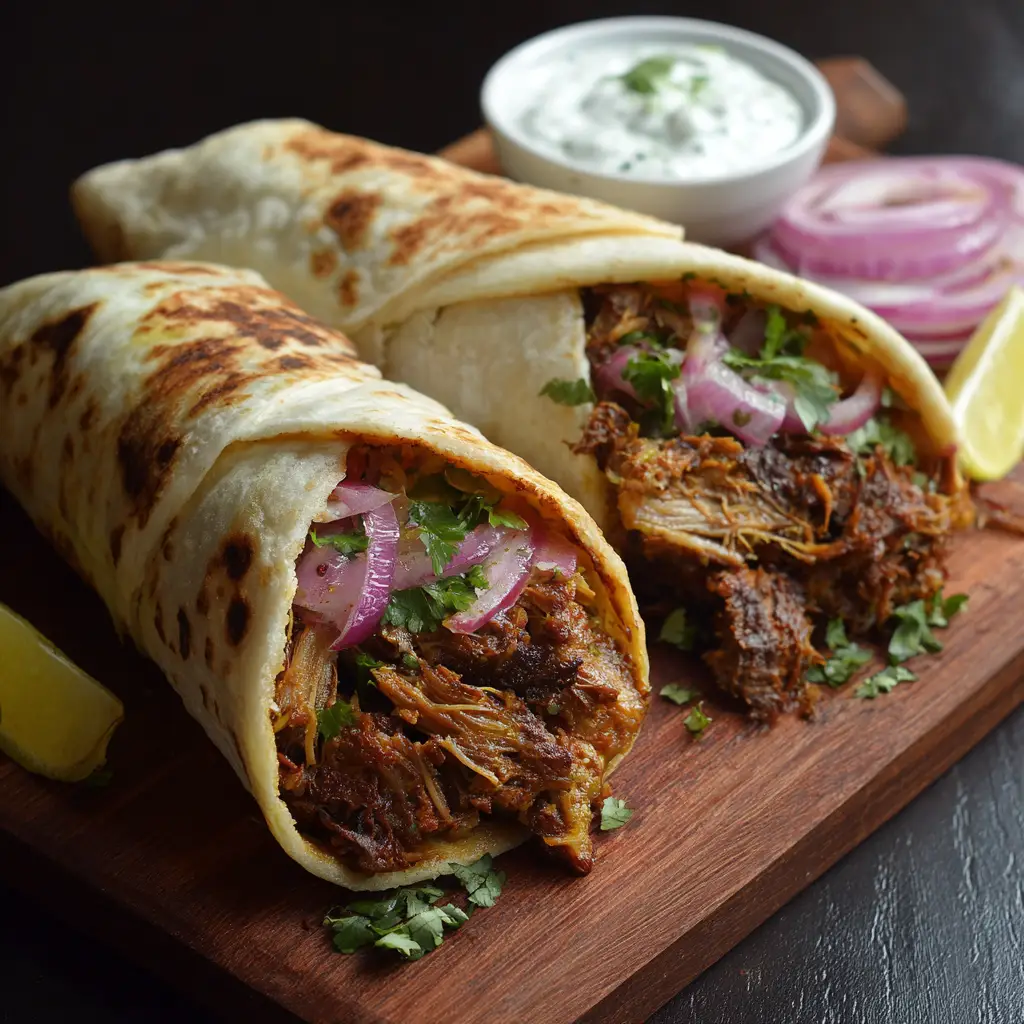
Lay a piece of warmed bread on a plate. Add a generous portion of mutton on top, followed by fresh vegetables. Drizzle the garlic or tahini sauce over the meat and vegetables. Fold the bread over the filling and serve immediately. The combination of tender meat, crisp vegetables, and creamy sauce creates a perfect harmony of taste and texture.
Tips for Customizing the Recipe
Mutton shawarma is versatile and can be tailored to suit different preferences. Adding a touch of chili powder or cayenne pepper during marination intensifies the flavor for those who enjoy heat. Using fresh herbs like mint or parsley in the filling provides a refreshing contrast to the richness of the mutton. Swapping yogurt for coconut milk creates a slightly sweeter and creamier marinade. Vegetables can be changed seasonally or according to availability. Pickled cucumbers, red onions, or even carrots add crunch and tanginess to the wrap. For a lower calorie option, use whole wheat pita or lettuce wraps instead of traditional bread. Experimenting with sauces such as spicy sriracha, hummus, or yogurt mint sauce introduces new flavor layers and keeps the dish exciting.
Nutritional Information
Mutton shawarma is not only flavorful but also rich in protein and essential nutrients. A standard serving with bread and sauce provides a balanced combination of carbohydrates, proteins, and healthy fats. Mutton itself is an excellent source of iron, zinc, and vitamin B12, which are essential for energy metabolism and immune health. The yogurt-based marinade adds calcium and probiotics that support digestion. Olive oil contributes heart-healthy monounsaturated fats, while fresh vegetables provide fiber, vitamins, and antioxidants. Choosing lean cuts of mutton and controlling the amount of oil or sauce can make the dish lighter while maintaining its authentic taste.
Serving Suggestions
Mutton shawarma can be enjoyed in multiple ways beyond a simple wrap. It pairs wonderfully with a side of roasted vegetables, fries, or a fresh salad. Serving with pickled vegetables or a drizzle of tahini sauce elevates the presentation and adds complexity to the flavor. Shawarma can also be served as part of a larger Middle Eastern meal alongside hummus, tabbouleh, or baba ganoush. For a party or gathering, cutting the shawarma into bite-sized rolls makes it easy to serve as an appetizer or finger food. A light sprinkle of sumac or fresh parsley before serving adds a visual and flavor appeal that impresses guests.

Mutton Shawarma Recipe: Easy Step by Step Homemade Shawarma
Course: Blog4
servings15
minutes20
minutes350
kcalIngredients
500 grams boneless mutton, thinly sliced
100 grams yogurt
2 tablespoons lemon juice
4-5 garlic cloves, minced
2 tablespoons olive oil
1 teaspoon ground cumin
1 teaspoon ground coriander
1 teaspoon paprika
1/2 teaspoon turmeric powder
Directions
- Prepare the Marinade: In a large bowl, mix yogurt, lemon juice, minced garlic, olive oil, cumin, coriander, paprika, turmeric, black pepper, and salt until smooth.
- Marinate the Mutton: Add mutton slices to the marinade and coat evenly. Cover and refrigerate for at least 4 hours or overnight for best results.
- Cook the Meat: Heat a nonstick pan over medium-high heat. Cook the marinated mutton in batches for 8-10 minutes until browned and fully cooked. For oven cooking, roast at 200°C for 20-25 minutes, turning halfway.
Recipe Video
Notes
- For extra flavor, add a pinch of chili powder or cayenne to the marinade.
Use whole wheat pita or lettuce wraps for a healthier version.
Marinating overnight enhances tenderness and taste.
Frequently Asked Questions
Can I use lamb instead of mutton?
Yes, lamb can be substituted for mutton. The cooking time may be slightly shorter as lamb tends to be more tender.
How long can marinated mutton be stored in the fridge?
Marinated mutton can be stored in the refrigerator for up to 24 hours. Beyond that, the texture may become too soft due to the yogurt.
Can I make shawarma without yogurt?
Yes, yogurt is mainly for tenderizing. Alternatives like coconut milk, buttermilk, or a simple lemon and olive oil marinade work well.
Is it possible to cook mutton shawarma in an oven only?
Absolutely. Preheat the oven to 200 degrees Celsius and roast the marinated meat for 20 to 25 minutes, turning halfway for even browning.
What sauces go best with mutton shawarma?
Garlic sauce, tahini, yogurt mint sauce, or spicy chili sauce all complement mutton shawarma beautifully.
Conclusion
Mutton shawarma is a perfect blend of aromatic spices, tender meat, and fresh accompaniments. Preparing it at home allows full control over the ingredients and flavor, resulting in a dish that is both satisfying and healthy. The process of marinating, cooking, and assembling the shawarma is enjoyable and encourages creativity in the kitchen.