Mediterranean Salad Recipes Fresh Healthy And Easy Homemade Ideas
Mediterranean salad recipes have earned a special place in kitchens around the world. Bright colors fill the bowl. Fresh aromas rise as soon as the ingredients meet.
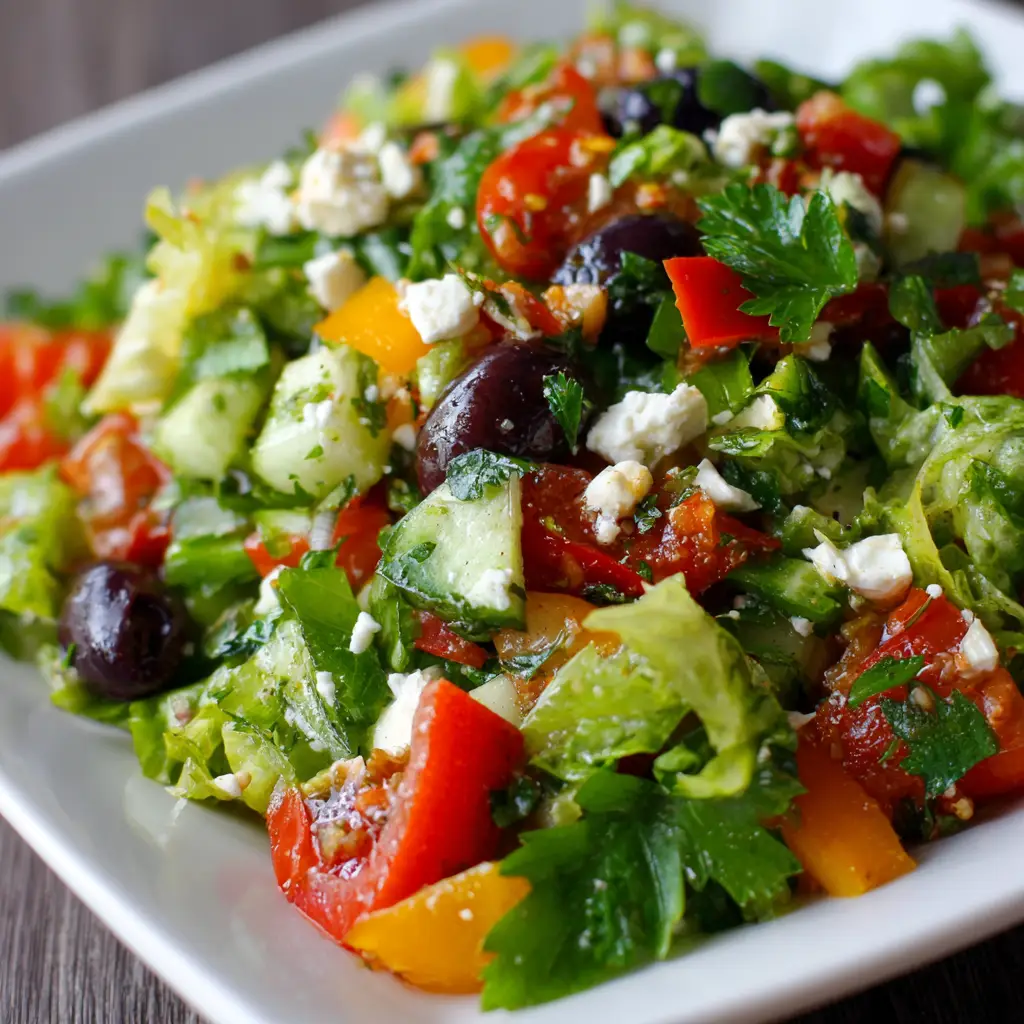
Each bite delivers a balance of crisp vegetables creamy elements and vibrant herbs. Home cooks and professional chefs alike turn to Mediterranean salads because they offer flavor depth without heaviness. The ingredients feel honest. The preparation feels joyful. The result feels nourishing in both body and spirit.
Ingredients Needed
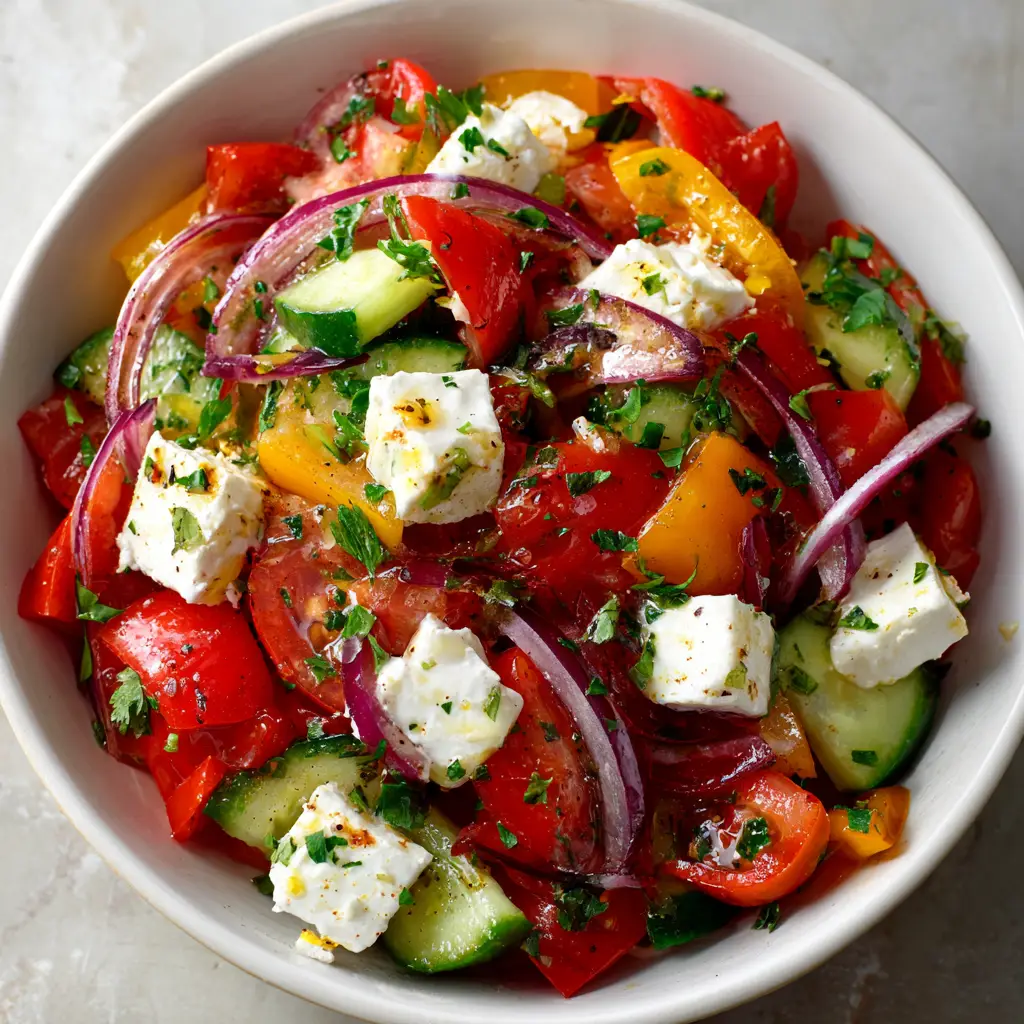
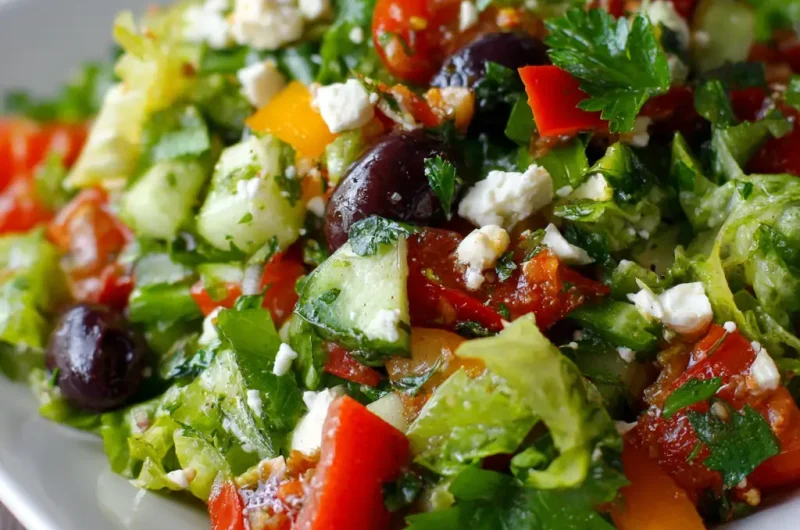
The beauty of Mediterranean salad recipes lies in their simplicity. Quality ingredients matter more than quantity. Fresh vegetables create the foundation. Olive oil provides richness. Herbs elevate every bite. Below is a classic ingredient list with approximate calorie counts per common serving size.
| Ingredient | Typical Amount | Approximate Calories |
|---|---|---|
| Ripe tomatoes | 1 cup chopped | 32 |
| Cucumber | 1 cup sliced | 16 |
| Red onion | 1 quarter cup sliced | 15 |
| Kalamata olives | 10 olives | 50 |
| Feta cheese | 1 quarter cup crumbled | 100 |
| Extra virgin olive oil | 1 tablespoon | 120 |
| Fresh parsley | 2 tablespoons chopped | 2 |
| Fresh oregano | 1 tablespoon chopped | 3 |
| Lemon juice | 1 tablespoon | 4 |
| Sea salt | to taste | 0 |
| Black pepper | to taste | 0 |
Ingredient quality influences the final taste. Choose tomatoes that feel heavy and fragrant. Look for cucumbers with firm skin. Select olives stored in brine rather than dry packaging. Use real feta made from sheep milk if available. Fresh herbs always outperform dried ones in Mediterranean salad recipes.
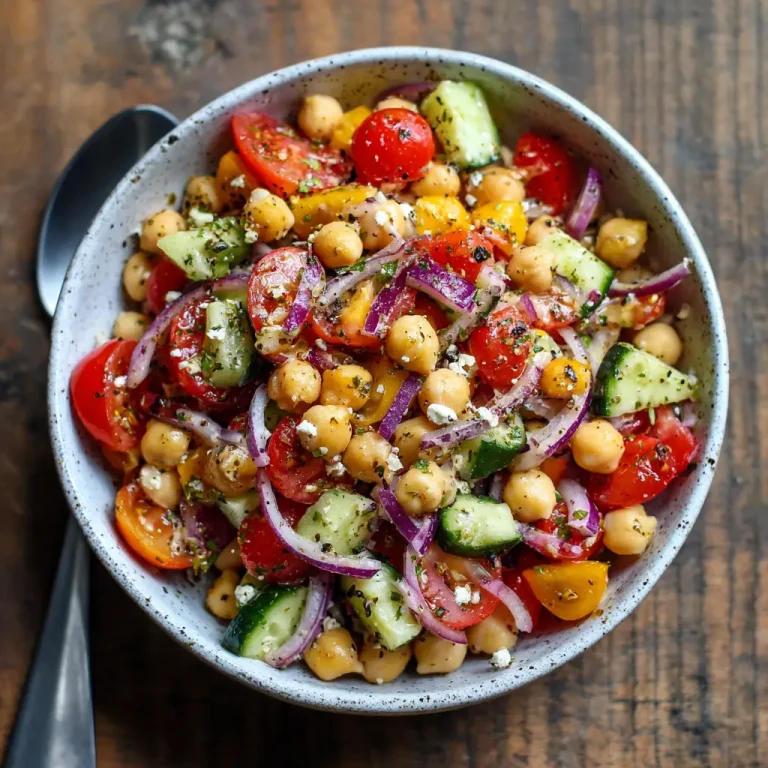
Optional additions can expand the salad into a full meal. Chickpeas add plant based protein. Grilled chicken suits those who prefer meat. Shrimp pairs well with citrus dressing. Quinoa or farro offer hearty texture. Each option integrates smoothly with the core ingredients.
Step by Step Cooking Instructions
- Wash all vegetables thoroughly under cool water. Pat them dry with a clean towel. Clean produce ensures pure flavor and proper texture.
- Chop the tomatoes into bite sized pieces. Remove excess seeds if they release too much liquid. Place them into a large mixing bowl.Looking for something similar? Check out Mediterranean rice recipe
- Slice the cucumber into rounds or half moons depending on preference. Add them to the bowl with the tomatoes.
- Thinly slice the red onion. Separate the rings gently. Add them to the vegetable mixture. For a milder flavor soak the slices in cold water for ten minutes before adding.
- Pit the olives if needed. Slice them in half. Scatter them over the vegetables.
- Crumble the feta cheese using clean hands. Sprinkle it evenly across the bowl. Avoid over mixing at this stage to preserve texture.
- Chop the fresh parsley and oregano finely. Add the herbs to the salad. Their aroma will release instantly.
- In a small bowl combine olive oil and lemon juice. Whisk gently until blended. Season with sea salt and black pepper.
- Pour the dressing over the salad. Use a large spoon to toss gently. Aim to coat every ingredient without crushing them.
- Taste and adjust seasoning. Add more lemon juice for brightness or olive oil for richness.
- Let the salad rest for five minutes before serving. This allows flavors to meld naturally.
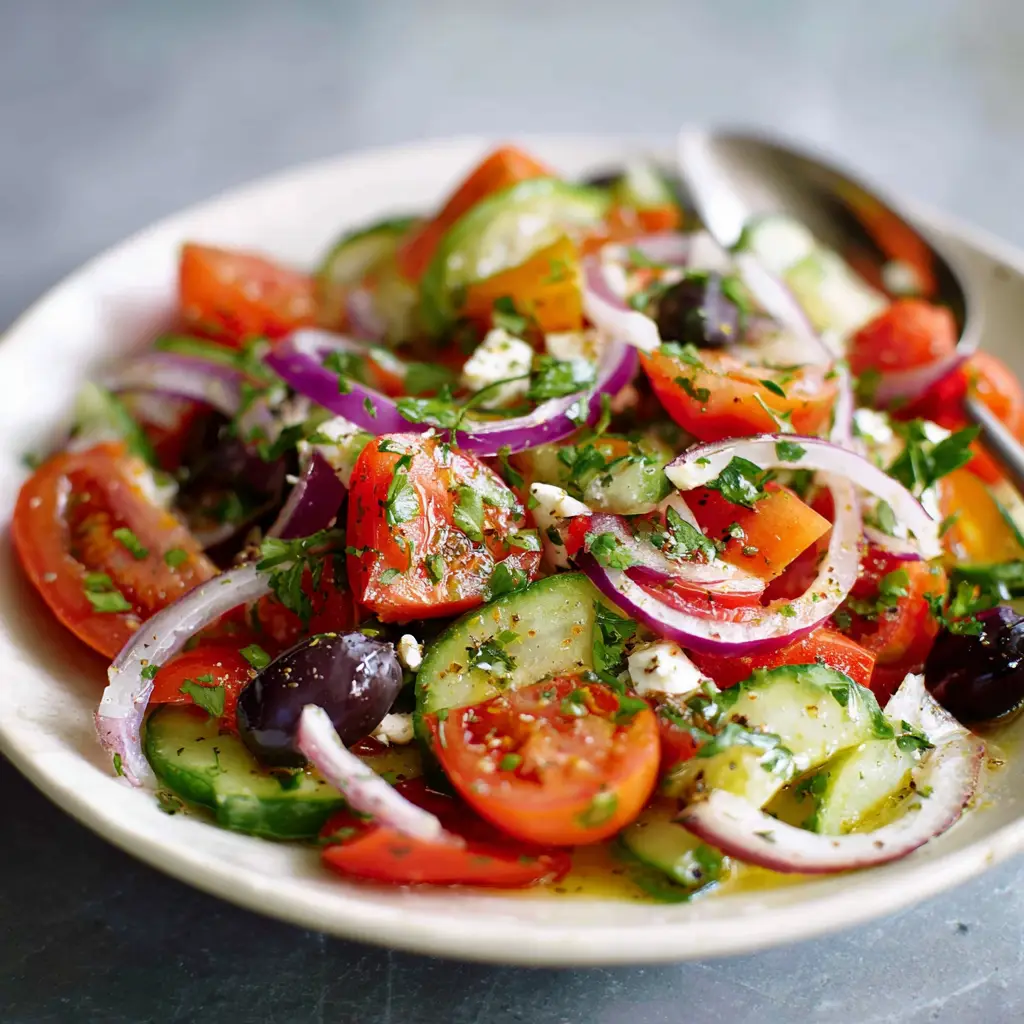
Mediterranean salad recipes reward patience. Gentle handling keeps vegetables crisp. Balanced seasoning highlights natural sweetness. The final result should feel fresh vibrant and satisfying.
Tips for Customizing the Recipe
Mediterranean salad recipes invite creativity. Customization keeps them exciting across seasons and preferences. Start with the base vegetables then adapt thoughtfully.
Protein additions transform the salad into a complete meal. Grilled chicken breast adds lean richness. Canned tuna packed in olive oil brings coastal flavor. Chickpeas offer plant based satisfaction. Hard boiled eggs contribute creaminess and nutrients.
Grains introduce heartiness. Cooked quinoa blends well with herbs and lemon. Farro adds chewy texture. Couscous absorbs dressing beautifully. Use small portions to maintain balance.
Vegetable swaps keep the recipe flexible. Bell peppers add sweetness. Artichoke hearts provide tang. Zucchini ribbons create elegance. Roasted vegetables bring warmth during cooler months.
Cheese variations suit different palates. Goat cheese offers tangy creaminess. Halloumi adds savory depth when grilled. Ricotta salata delivers mild saltiness.
Dressings can evolve while staying true to Mediterranean roots. Red wine vinegar pairs well with tomatoes. Balsamic vinegar adds subtle sweetness. A touch of honey balances acidity if desired.
Herbs change the mood of the salad. Basil brings Italian flair. Mint adds freshness. Dill complements cucumber beautifully. Use herbs generously for aroma and color.
Mind the balance. Mediterranean salad recipes thrive on harmony. Avoid overcrowding the bowl. Let each ingredient speak.
Nutritional Information
Mediterranean salad recipes align with balanced nutrition. They emphasize whole foods and healthy fats. A standard serving provides a wide range of nutrients.
Calories typically range from 250 to 350 depending on portion size and additions. Healthy fats from olive oil and olives support heart health. Fiber from vegetables aids digestion and satiety. Protein content varies based on cheese and optional additions.
Vitamins and minerals appear in abundance. Tomatoes offer vitamin C and lycopene. Cucumbers hydrate the body. Herbs supply antioxidants. Feta contributes calcium. Olive oil contains beneficial monounsaturated fats.
Sodium levels depend on olives and cheese. Adjust portions to suit dietary needs. Using fresh herbs and lemon reduces reliance on salt.
Mediterranean salad recipes suit many eating patterns. They fit vegetarian diets easily. They adapt to gluten free lifestyles. They support mindful eating habits focused on quality rather than restriction.
Serving Suggestions
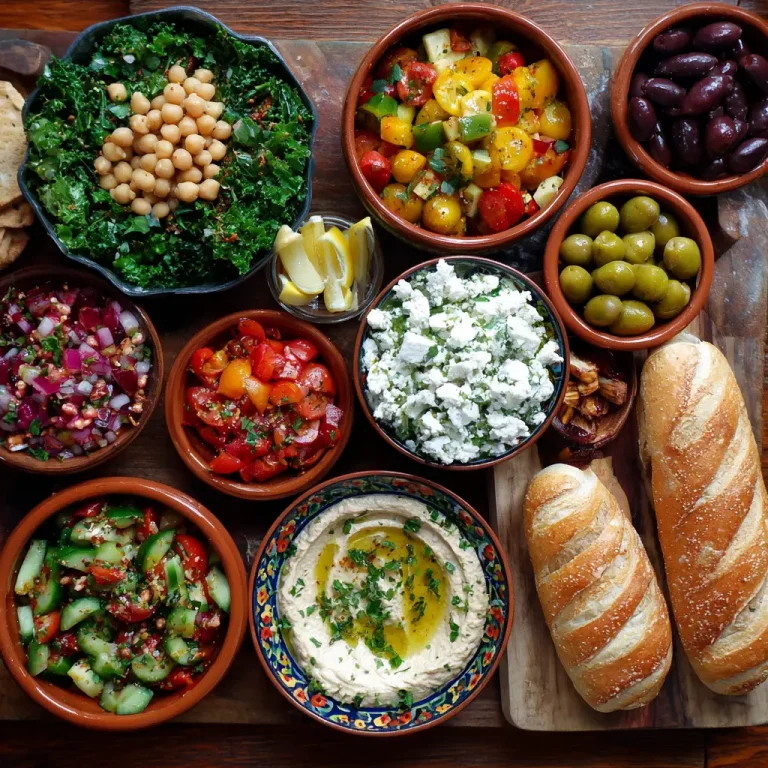
Mediterranean salad recipes shine in many settings. Serve them as a light lunch with warm bread. Pair them with grilled fish or chicken at dinner. Present them alongside mezze spreads at gatherings.
For picnics and potlucks use sturdy vegetables that hold up well. Add dressing just before serving to maintain texture. Transport in airtight containers.
For elegant presentations layer ingredients on a platter rather than tossing. Drizzle dressing lightly on top. Finish with fresh herbs.
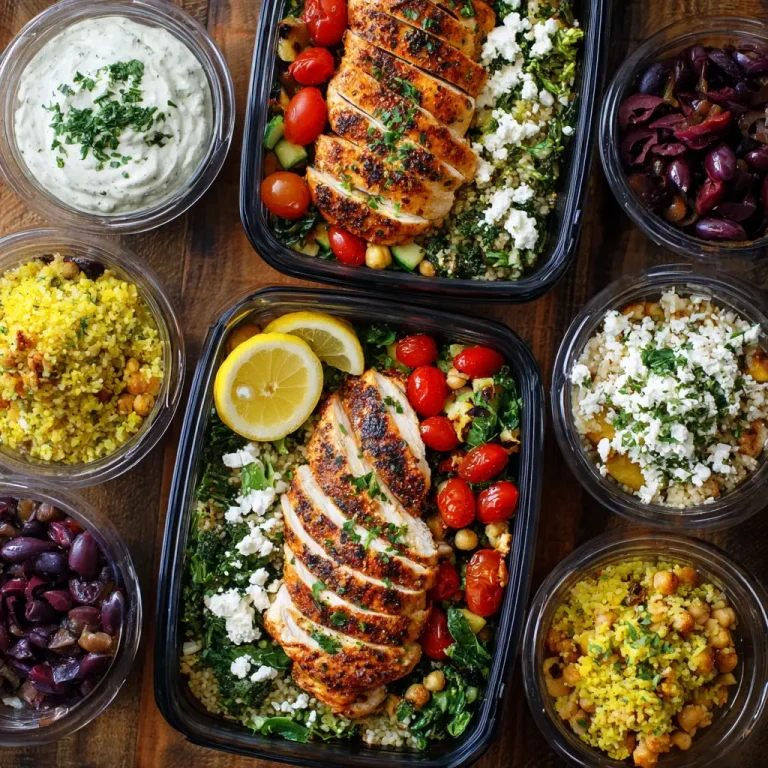
Mediterranean salad recipes also work well for meal prep. Store components separately. Assemble portions as needed. Flavors remain vibrant for two days when refrigerated properly.
Seasonal adjustments keep the recipe exciting. Summer favors raw vegetables and citrus. Autumn welcomes roasted elements. Winter benefits from heartier grains. Spring invites tender herbs.
Mediterranean Salad Recipes Fresh Healthy And Easy Homemade Ideas
Course: Blog4
servings15
minutes280
kcalIngredients
Ripe tomatoes 1 cup chopped
Cucumber 1 cup sliced
Red onion one quarter cup thinly sliced
Kalamata olives 10 pitted and halved
Feta cheese one quarter cup crumbled
Extra virgin olive oil 1 tablespoon
Fresh lemon juice 1 tablespoon
Fresh parsley 2 tablespoons chopped
Fresh oregano 1 tablespoon chopped
Sea salt to taste
Directions
- Wash all vegetables well and dry them completely. Clean produce gives better flavor and texture.
- Chop the tomatoes into bite sized pieces and place them in a large salad bowl.
- Slice the cucumber into thin rounds or half moons and add them to the bowl.
- Thinly slice the red onion and separate the slices. Add them to the vegetables.
- Add the olives and spread them evenly through the salad.
Recipe Video
Notes
- For best flavor use fresh and high quality ingredients. Let the salad rest for five minutes before serving so the flavors blend naturally. Add the dressing just before serving if you want extra crunch. This salad tastes best when eaten fresh but can be stored in the refrigerator for one day. Always keep it covered to maintain freshness.
Frequently Asked Questions
What makes Mediterranean salad recipes different from other salads
Mediterranean salad recipes focus on fresh vegetables healthy fats and herbs. They avoid heavy sauces. The flavor comes from ingredient quality rather than complex techniques.
Can Mediterranean salad recipes be made ahead of time
Preparation works best when ingredients stay separate until serving. Chopping vegetables ahead saves time. Dress just before serving for optimal texture.
Are Mediterranean salad recipes suitable for weight management
Yes they emphasize nutrient dense foods. Healthy fats promote satiety. Portion awareness keeps calorie intake balanced.
What olive oil works best for Mediterranean salad recipes
Extra virgin olive oil offers the best flavor and nutrition. Choose one with fruity notes and low bitterness.
How long do Mediterranean salads stay fresh
Once dressed they stay fresh for one day refrigerated. Undressed components last up to three days when stored properly.
Conclusion
Mediterranean salad recipes bring together flavor tradition and nourishment in a way few dishes can match. Each ingredient plays a role. Each bite tells a story of sun soaked fields and shared meals. Preparing these salads feels rewarding rather than complicated. Serving them feels generous and thoughtful.