Mediterranean Pasta Recipe: Easy, Healthy, and Flavorful Meal
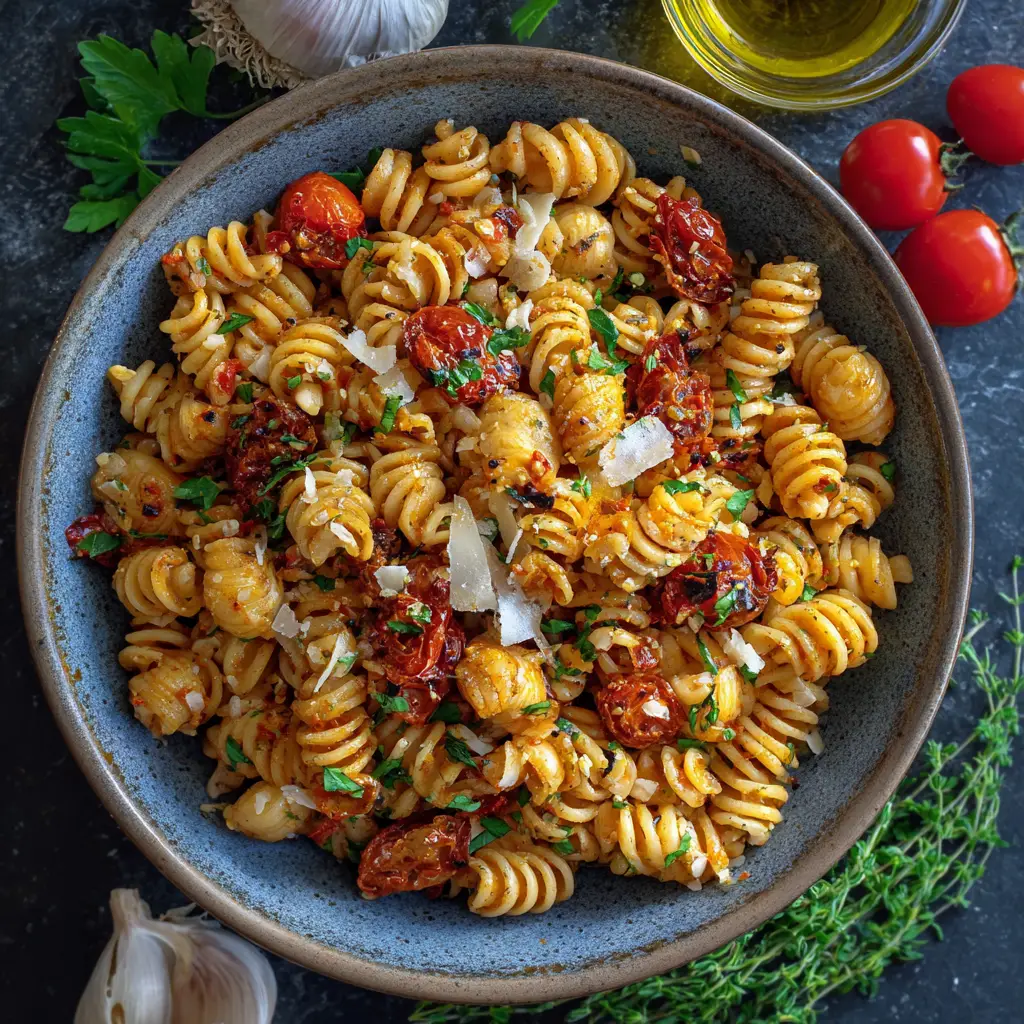
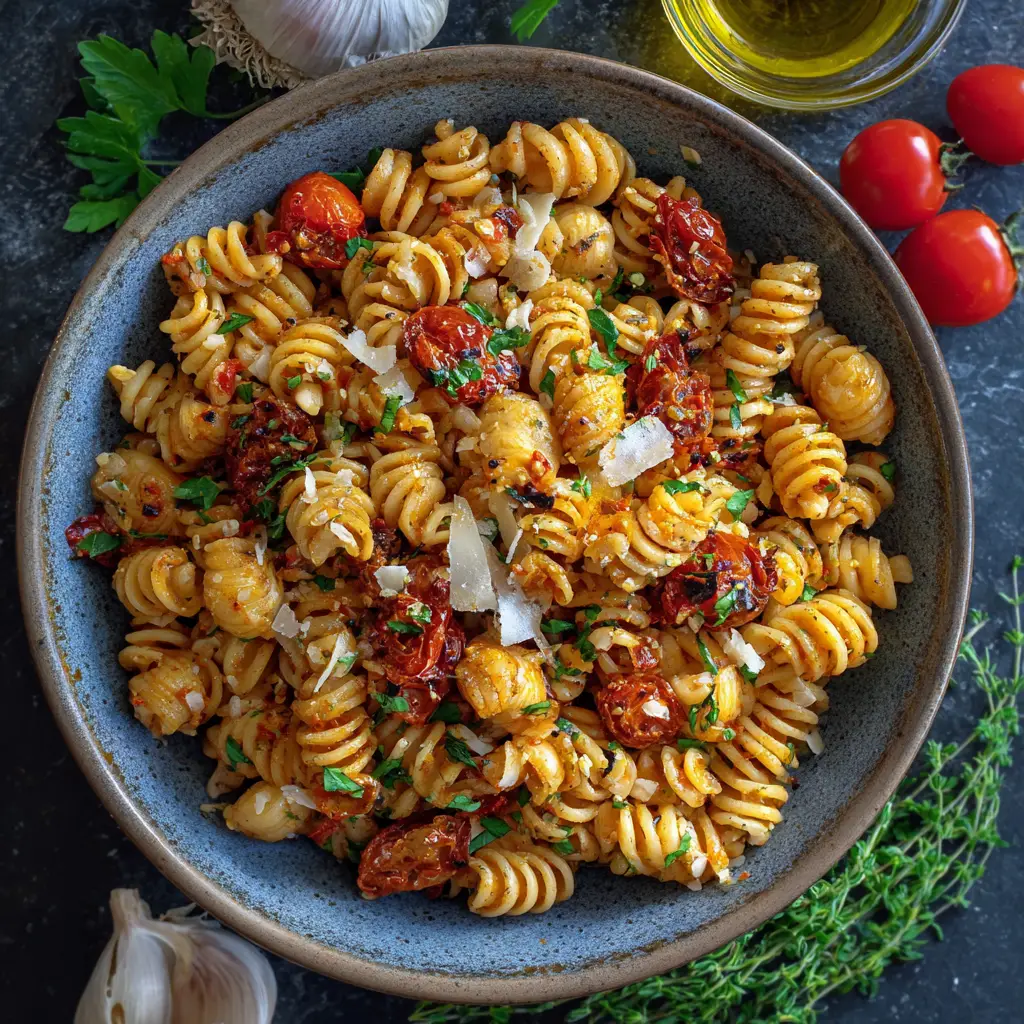
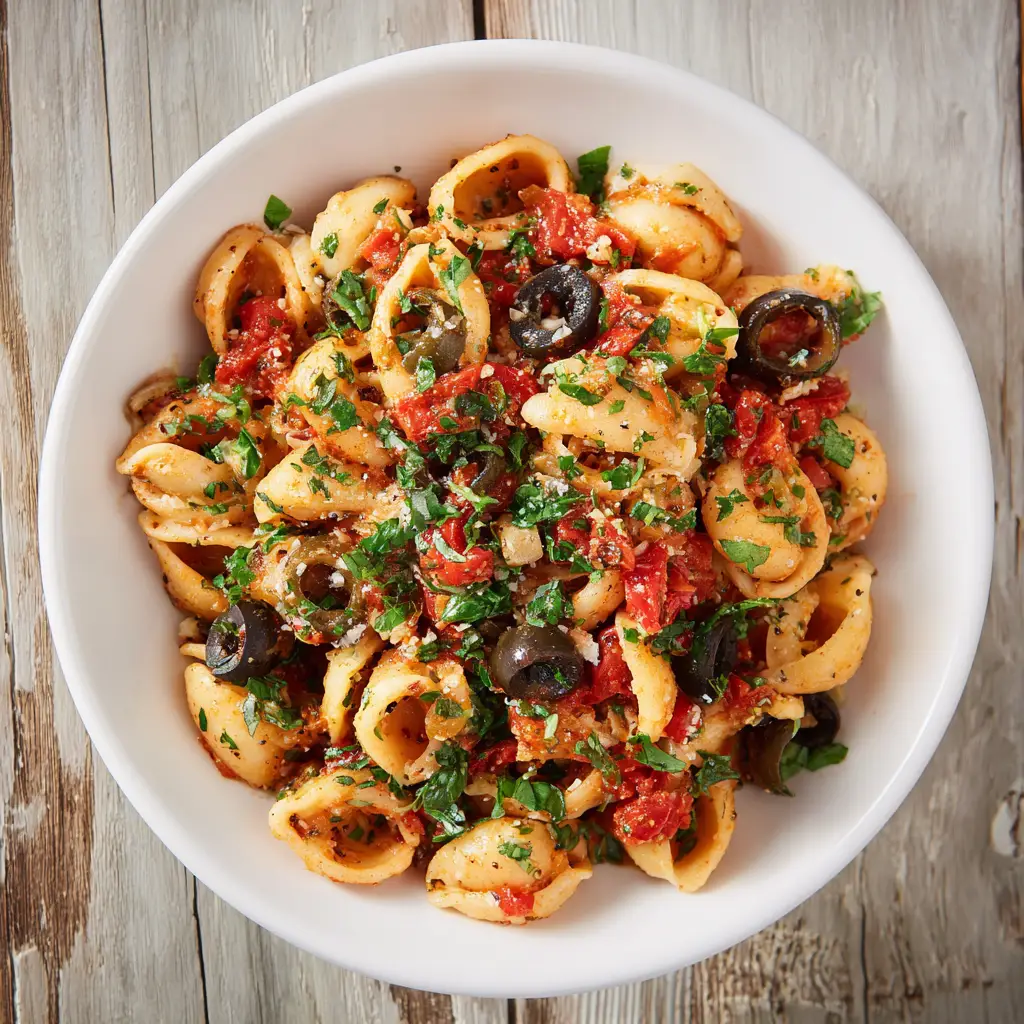
Mediterranean pasta captures the essence of vibrant coastal cuisine in every bite. The blend of fresh vegetables, olive oil, herbs, and perfectly cooked pasta creates a dish that feels light yet satisfying.

This recipe draws inspiration from the rich culinary traditions of countries bordering the Mediterranean Sea, where meals are often colorful, aromatic, and healthful. The flavors of ripe tomatoes, briny olives, and fragrant basil transport you straight to sun-drenched shores. Cooking Mediterranean pasta is more than just preparing a meal. It is an experience that celebrates simplicity, quality ingredients, and the joy of sharing food with loved ones.
Ingredients Needed
Here is a simple list of ingredients to prepare a classic Mediterranean pasta along with their approximate calorie content per serving.
| Ingredient | Amount | Calories (per serving) |
|---|---|---|
| Spaghetti or Penne | 200 grams | 280 |
| Extra Virgin Olive Oil | 2 tablespoons | 240 |
| Garlic | 3 cloves, minced | 15 |
| Cherry Tomatoes | 1 cup, halved | 30 |
| Kalamata Olives | 1/4 cup, sliced | 60 |
| Red Bell Pepper | 1 medium, diced | 25 |
| Zucchini | 1 medium, sliced | 33 |
| Feta Cheese | 1/4 cup, crumbled | 100 |
| Fresh Basil Leaves | 1/4 cup | 5 |
| Salt | To taste | 0 |
| Black Pepper | To taste | 0 |
| Lemon Juice | 1 tablespoon | 4 |
| Optional Protein (chicken/shrimp) | 150 grams | 200-250 |
These ingredients provide a balance of healthy fats, protein, and fiber, making the dish wholesome and satisfying.
Step by Step Cooking Instructions
- Begin by bringing a large pot of salted water to a boil. Add the pasta and cook according to the package instructions until it is al dente. Drain the pasta and set it aside, reserving a small cup of the pasta water.
- While the pasta cooks, heat extra virgin olive oil in a large skillet over medium heat. Add the minced garlic and sauté for one to two minutes until it becomes fragrant but not browned.
- Add the diced red bell pepper and sliced zucchini to the skillet. Stir frequently and cook for three to four minutes until the vegetables begin to soften.
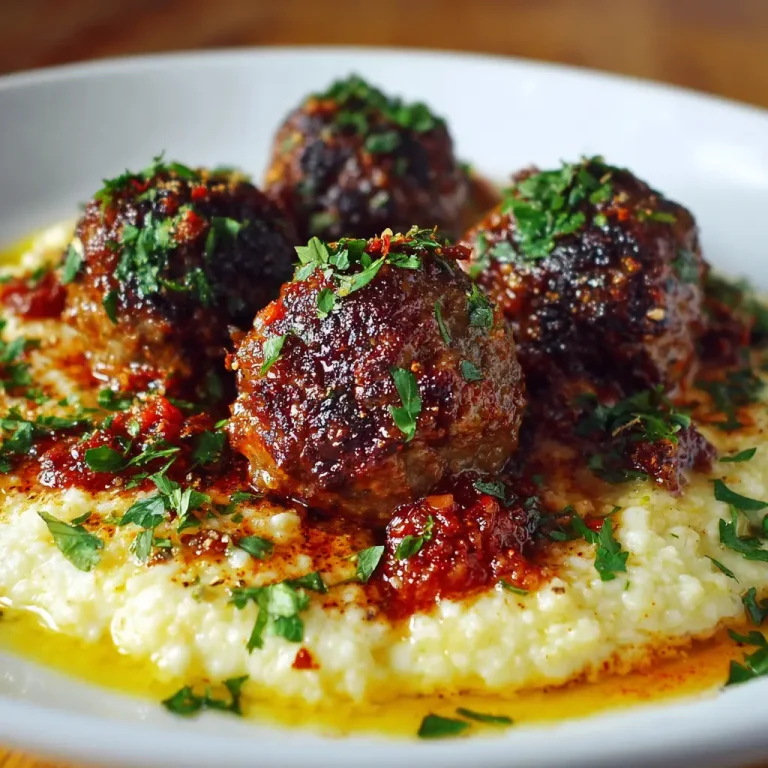
- Introduce the cherry tomatoes and Kalamata olives to the skillet. Continue cooking for another two to three minutes, allowing the tomatoes to release their juices and create a light sauce.You can also explore Mediterranean Meatballs for a unique twist.
- If using a protein such as chicken or shrimp, cook it in a separate pan with a bit of olive oil until fully cooked. Then combine it with the vegetables in the skillet.
- Add the cooked pasta to the skillet and toss it with the vegetables. Pour in a tablespoon of the reserved pasta water to help the sauce coat the noodles evenly. Season with salt, black pepper, and a squeeze of fresh lemon juice.
- Remove the skillet from the heat and gently fold in crumbled feta cheese and fresh basil leaves. Toss the pasta lightly so that the flavors are evenly distributed.
- Serve immediately while warm, garnished with additional basil leaves and a drizzle of olive oil if desired.
Tips for Customizing the Recipe
Mediterranean pasta is highly versatile, allowing you to experiment with ingredients based on personal taste and seasonal availability. Swap vegetables for others like spinach, artichoke hearts, or eggplant for a different flavor profile. Try different types of pasta such as whole wheat, gluten free, or even spiralized zucchini for a low carbohydrate option. Protein can be varied depending on preference. Chickpeas, grilled chicken, or shrimp are popular choices, but even tofu works well for a vegetarian twist. Adjust the intensity of flavors by increasing the amount of garlic or lemon juice. Fresh herbs like parsley, oregano, or thyme can replace basil to create subtle variations. Incorporating sun dried tomatoes or capers can give the dish a more robust Mediterranean taste. Lightly toasting the pasta in olive oil before adding vegetables can provide a nutty flavor, adding another layer of complexity.
Nutritional Information
A single serving of Mediterranean pasta provides a nutritious balance of macronutrients. Pasta supplies complex carbohydrates, offering sustained energy throughout the day. Olive oil contributes monounsaturated fats that support heart health. Vegetables add fiber, vitamins, and antioxidants, helping to maintain overall wellness. Feta cheese introduces calcium and a creamy texture, while optional proteins enhance satiety. The dish is naturally low in added sugars and contains minimal processed ingredients. This combination makes it suitable for a wide range of dietary preferences, including vegetarian and pescatarian diets. With mindful portion control, Mediterranean pasta is a meal that nourishes both the body and the palate.
Serving Suggestions
Serve Mediterranean pasta in a wide shallow bowl to highlight the vibrant colors of the vegetables. Pair it with a light green salad dressed in olive oil and lemon to complement the main dish. Crusty whole grain bread or garlic bread can make the meal more indulgent without overpowering the freshness of the pasta. A glass of chilled white wine or sparkling water with lemon creates a refreshing accompaniment. Leftovers can be stored in an airtight container in the refrigerator for up to two days and reheated gently to preserve flavor and texture. For special occasions, garnish with toasted pine nuts or a sprinkle of Parmesan cheese to elevate presentation.

Mediterranean Pasta Recipe: Easy, Healthy, and Flavorful Meal
Course: Blog2-3
servings15
minutes20
minutes350-400
kcalIngredients
200 grams spaghetti or penne
2 tablespoons extra virgin olive oil
3 cloves garlic, minced
1 cup cherry tomatoes, halved
1/4 cup Kalamata olives, sliced
1 medium red bell pepper, diced
1 medium zucchini, sliced
Directions
- Bring a large pot of salted water to a boil. Cook pasta until al dente according to package instructions. Drain and reserve 1/4 cup of pasta water.
- In a large skillet, heat olive oil over medium heat. Add minced garlic and sauté for 1-2 minutes until fragrant.
- Add diced red bell pepper and sliced zucchini. Cook for 3-4 minutes until vegetables soften.
- Add cherry tomatoes and Kalamata olives. Cook for another 2-3 minutes until tomatoes release juice.
Recipe Video
Notes
- For a vegan version, omit feta or replace with vegan cheese.
Use any seasonal vegetables such as spinach, eggplant, or artichokes for variety.
Whole wheat or gluten free pasta works equally well.
Frequently Asked Questions
Can I make Mediterranean pasta ahead of time?
Yes, prepare the pasta and vegetables separately and combine them when ready to serve. Avoid adding fresh herbs and feta until just before serving.
Is it possible to make this recipe vegan?
Absolutely. Replace feta with vegan cheese or omit it entirely and use olive oil liberally to enhance flavor.
What pasta works best for this recipe?
Spaghetti, penne, or fusilli work well. Whole wheat or gluten free pasta are also excellent options.
Can I freeze Mediterranean pasta?
It is not recommended to freeze the dish with fresh vegetables and feta as the texture can change. You can freeze cooked pasta separately if needed.
How can I make the pasta more flavorful?
Roast the vegetables before adding them to the pasta or add sun dried tomatoes, capers, or extra garlic for a stronger taste.
Conclusion
Mediterranean pasta is a celebration of flavor, health, and culinary creativity. It combines fresh vegetables, aromatic herbs, and quality olive oil to create a dish that feels both satisfying and nourishing. Each bite captures the essence of the Mediterranean lifestyle, offering a vibrant and colorful meal that is simple yet elegant.