Mediterranean Meals: Easy, Healthy Recipes for Every Day
Mediterranean meals have earned global admiration for their balance of flavor, nutrition, and cultural richness.
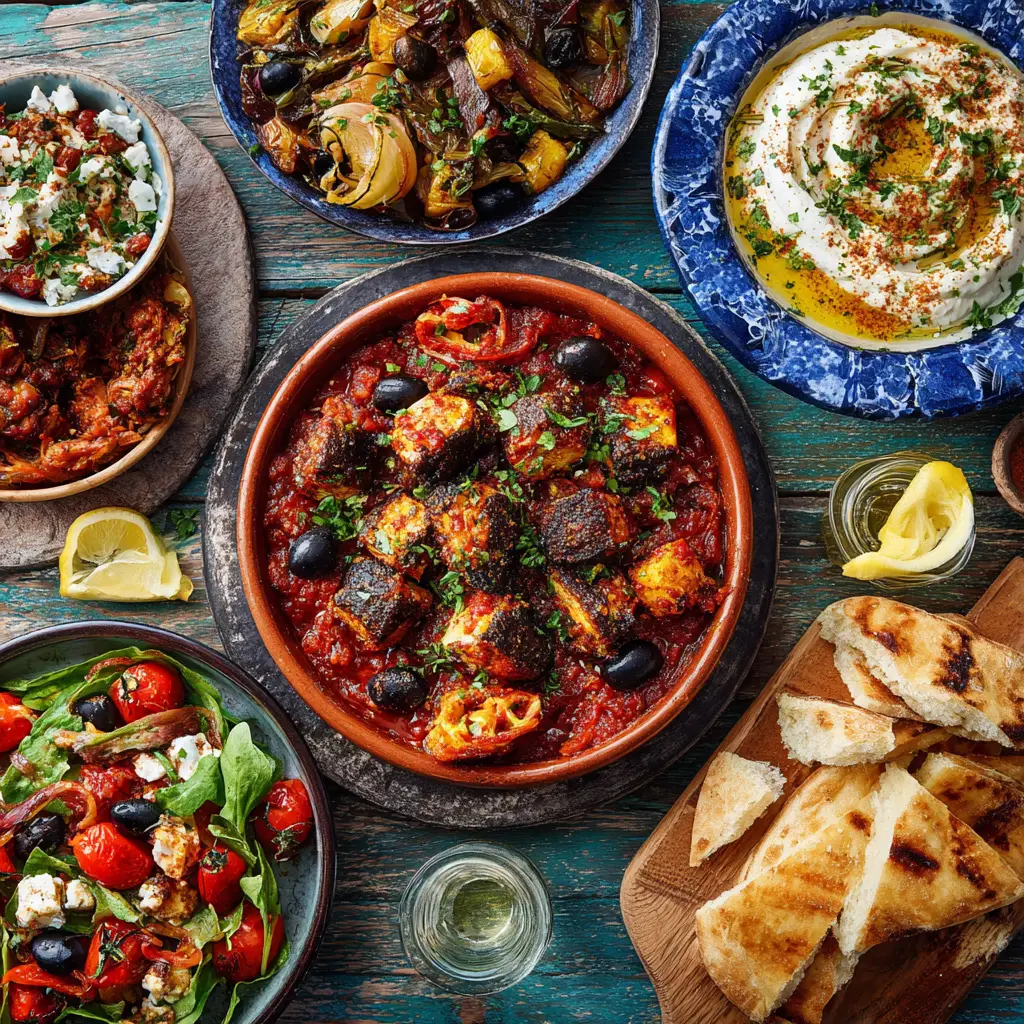
Sun soaked coastal regions inspired these meals, blending simple ingredients with time honored cooking methods. Olive oil glistens at the heart of the cuisine. Fresh vegetables add color and crunch. Herbs bring aroma that fills the kitchen. Every dish reflects a lifestyle that values slow cooking, shared tables, and mindful eating.
Ingredients Needed
The ingredients below reflect staples commonly used in Mediterranean meals. Each item contributes flavor, texture, and nutritional value. Calorie counts are approximate and based on standard serving sizes.
| Ingredient | Quantity | Approximate Calories |
|---|---|---|
| Extra virgin olive oil | 3 tablespoons | 360 |
| Garlic cloves | 4 minced | 18 |
| Cherry tomatoes | 2 cups | 54 |
| Red onion | 1 medium sliced | 44 |
| Bell peppers | 2 chopped | 60 |
| Zucchini | 2 sliced | 66 |
| Chickpeas cooked | 2 cups | 540 |
| Fresh spinach | 3 cups | 21 |
| Kalamata olives | 1 cup sliced | 180 |
| Feta cheese | 1 cup crumbled | 400 |
| Fresh parsley | 1 quarter cup | 5 |
| Fresh basil | 1 quarter cup | 6 |
| Lemon juice | 3 tablespoons | 12 |
| Dried oregano | 1 teaspoon | 5 |
| Sea salt | to taste | 0 |
| Black pepper | to taste | 0 |
Step by Step Cooking Instructions
Begin by preparing all vegetables. Wash everything thoroughly. Slice the zucchini into thin rounds. Chop the bell peppers into bite sized pieces. Halve the cherry tomatoes. Slice the red onion thinly. Mince the garlic cloves carefully to release their aroma. Set all ingredients aside in separate bowls to keep the process organized.
Heat a large skillet over medium heat. Add extra virgin olive oil and allow it to warm slowly. The oil should shimmer but not smoke. Add minced garlic and sliced red onion. Stir gently and cook for several minutes until the onion becomes soft and translucent. Aromas will fill the kitchen at this stage.
Add bell peppers and zucchini to the skillet. Stir well to coat them with olive oil. Cook for about eight minutes. Vegetables should soften while retaining some texture. Avoid overcooking to preserve nutrients and color.
Add cherry tomatoes and dried oregano. Stir gently and let the mixture simmer for five minutes. Tomatoes will release their juices, creating a light sauce. Season with sea salt and black pepper according to taste.
Add cooked chickpeas to the skillet. Stir thoroughly to combine all ingredients. Allow everything to cook together for another seven minutes. Chickpeas absorb flavors and add a hearty texture to Mediterranean meals.
Lower the heat and add fresh spinach. Stir gently until the spinach wilts completely. This should take only two minutes. Remove the skillet from heat once the spinach has softened.
Drizzle lemon juice over the mixture. Sprinkle chopped parsley and basil evenly across the dish. Add sliced olives and crumbled feta cheese last. Stir gently to avoid breaking the feta too much. Taste and adjust seasoning if needed.
Allow the dish to rest for a few minutes before serving. Flavors will meld together during this time. The final result should look vibrant and smell fresh.
Tips for Customizing the Recipe
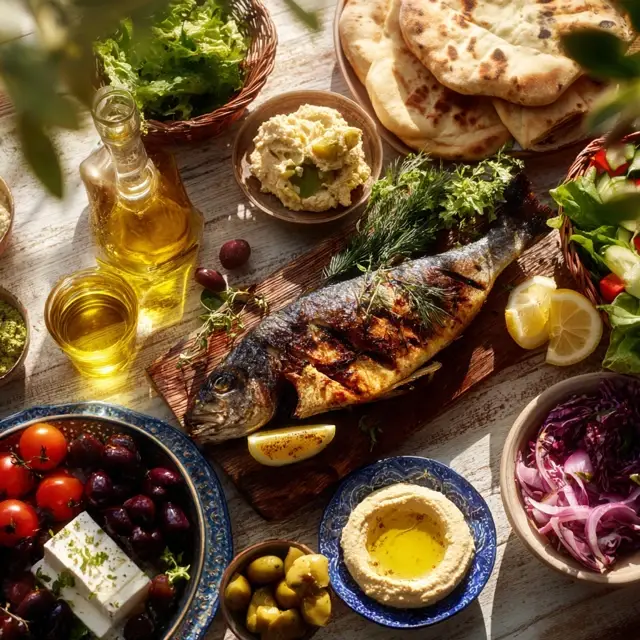
Mediterranean meals thrive on flexibility. Ingredients can change based on season, preference, or dietary needs. Protein options like grilled chicken, shrimp, or baked fish can be added for extra substance. Plant based eaters can include lentils or white beans instead of chickpeas.
Grains pair beautifully with this dish. Serve it over cooked quinoa, brown rice, or farro for a more filling meal. Whole grain pasta also works well and absorbs the light sauce.
Herbs can vary depending on availability. Dill, thyme, or rosemary add distinct flavors while staying true to Mediterranean traditions. Fresh herbs always provide the best aroma, though dried versions work when necessary.
Cheese choices can change too. Goat cheese offers a tangy alternative. Fresh mozzarella creates a softer texture. Those avoiding dairy can skip cheese entirely without losing flavor.
Spice lovers may add crushed red pepper flakes or a touch of smoked paprika. These additions bring warmth without overpowering the dish. Always add spices gradually and taste along the way.
Nutritional Information
Mediterranean meals are known for their balanced nutrition. This recipe provides healthy fats from olive oil and olives. Chickpeas contribute plant based protein and fiber. Vegetables offer vitamins, minerals, and antioxidants.
A single serving contains approximately 450 to 500 calories depending on portion size. Fat content comes primarily from monounsaturated fats which support heart health. Fiber levels remain high, aiding digestion and promoting fullness. Sodium levels stay moderate when seasoning remains controlled.

This meal supports stable blood sugar due to its fiber and protein balance. It suits many dietary patterns including vegetarian and Mediterranean focused lifestyles. Regular consumption supports long term wellness when paired with an active routine.
Serving Suggestions
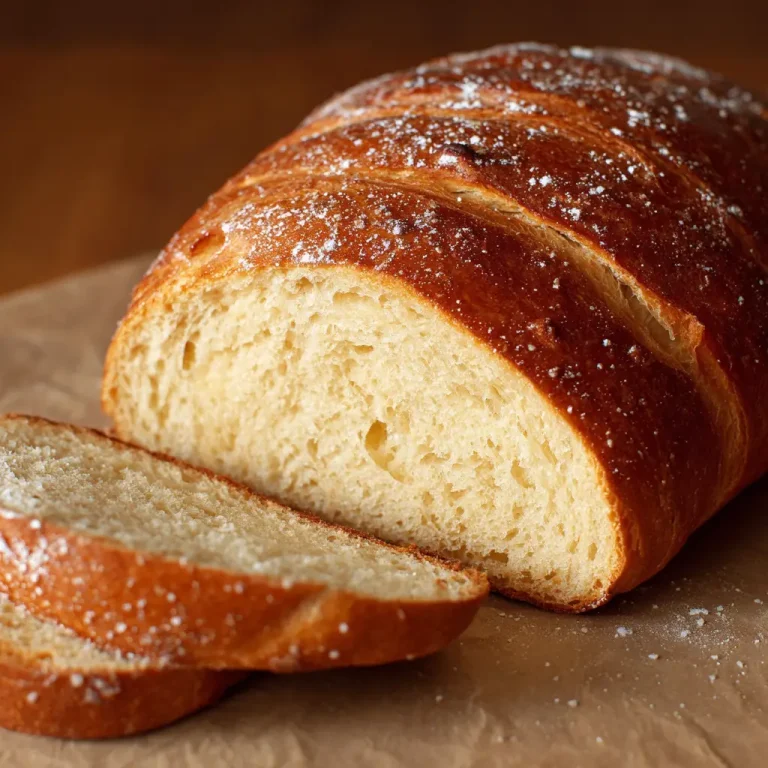
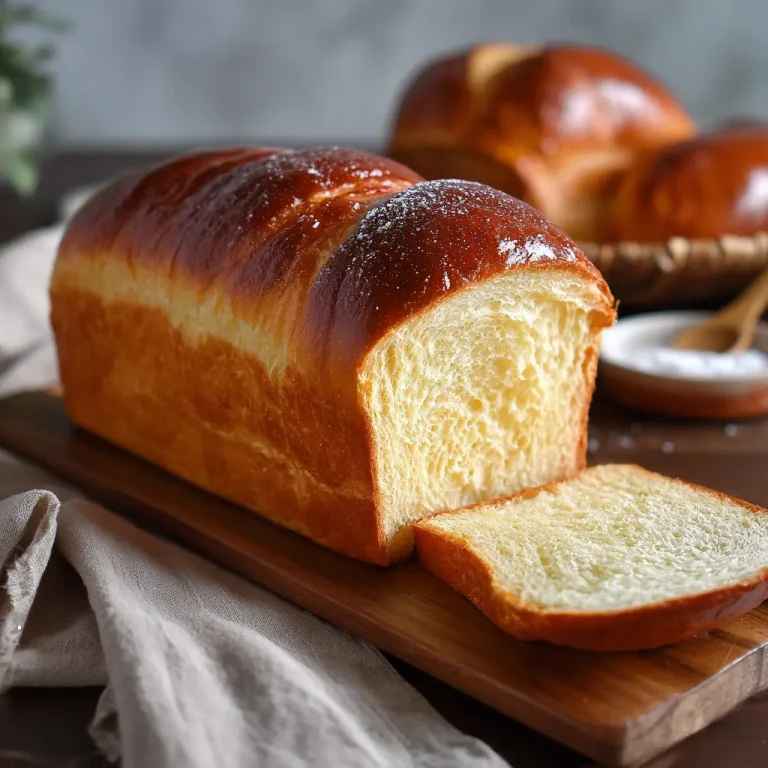
Serve Mediterranean meals warm or at room temperature. This dish pairs well with crusty whole grain bread or warm pita. A simple side salad with cucumber and lemon complements the flavors nicely.
For entertaining, present the dish in a wide serving bowl. Garnish with extra herbs and a drizzle of olive oil. Guests can help themselves, encouraging a relaxed dining atmosphere.
Leftovers store well in the refrigerator for up to three days. Flavors deepen over time, making it ideal for meal preparation. Reheat gently or enjoy cold as a salad style dish.
This recipe works well for lunch, dinner, or even as a hearty side. Its versatility fits many occasions from casual family meals to festive gatherings.
Mediterranean Meals: Easy, Healthy Recipes for Every Day
Course: Blog4
servings20
minutes25
minutes450
kcalIngredients
For the Grilled Chicken:
4 boneless, skinless chicken breasts
2 tablespoons olive oil
2 cloves garlic, minced
1 teaspoon dried oregano
1 teaspoon paprika
½ teaspoon salt
½ teaspoon black pepper
Juice of 1 lemon
For the Quinoa Salad:
1 cup quinoa
2 cups water or vegetable broth
1 cup cherry tomatoes, halved
1 cucumber, diced
½ red onion, finely chopped
½ cup Kalamata olives, sliced
¼ cup feta cheese, crumbled
2 tablespoons fresh parsley, chopped
2 tablespoons olive oil
1 tablespoon lemon juice
Salt and pepper to taste
Directions
- Prepare the Chicken:
- In a bowl, combine olive oil, garlic, oregano, paprika, salt, pepper, and lemon juice.
- Add the chicken breasts and marinate for at least 15 minutes.
- Preheat the grill or a grill pan over medium-high heat.
- Grill chicken for 6–7 minutes on each side, or until fully cooked and juices run clear.
- Prepare the Quinoa Salad:
- Rinse quinoa under cold water.
- In a pot, bring water or vegetable broth to a boil. Add quinoa, reduce heat, cover, and simmer for 15 minutes until liquid is absorbed.
- Fluff quinoa with a fork and let it cool slightly.
- In a large bowl, combine cooked quinoa, cherry tomatoes, cucumber, red onion, olives, feta, and parsley.
- Drizzle with olive oil and lemon juice. Season with salt and pepper. Toss gently to combine.
- Serve:
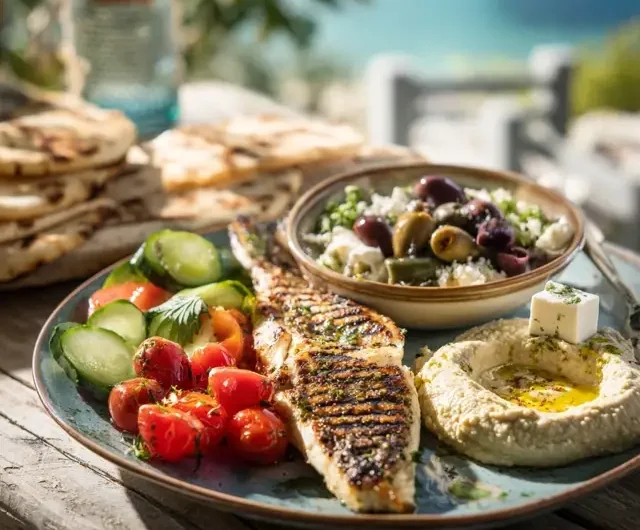
- Place grilled chicken on a plate alongside a generous portion of quinoa salad.
Recipe Video
Notes
- You can substitute chicken with salmon or shrimp for a different Mediterranean twist.
For extra flavor, marinate chicken overnight.
Quinoa salad can be served cold or at room temperature.
Add avocado or roasted red peppers for extra nutrition and color.
Frequently Asked Questions
What makes Mediterranean meals healthy
Mediterranean meals focus on whole foods, healthy fats, and balanced portions. Olive oil replaces saturated fats. Vegetables and legumes provide fiber and nutrients. This combination supports heart health and overall wellness.
Can Mediterranean meals help with weight management
Many people find Mediterranean meals helpful for weight control. High fiber content promotes fullness. Balanced fats prevent overeating. Meals feel satisfying without excess calories.
Are Mediterranean meals suitable for vegetarians
Mediterranean meals adapt easily to vegetarian diets. Legumes, grains, vegetables, nuts, and seeds provide sufficient protein and nutrients. Cheese and yogurt can be included or excluded based on preference.
How often should Mediterranean meals be eaten
Mediterranean meals can be enjoyed daily. Variety remains key. Rotating ingredients ensures balanced nutrition and prevents monotony.
Do Mediterranean meals require expensive ingredients
Most Mediterranean meals rely on affordable staples. Seasonal produce, beans, grains, and herbs keep costs manageable. Quality olive oil remains a worthwhile investment due to its flavor and health benefits.
Conclusion
Mediterranean meals bring together nourishment, flavor, and tradition in a way few cuisines can match. Each dish tells a story of sunlit coasts, shared tables, and mindful preparation. Cooking these meals at home invites a slower pace and deeper appreciation for food.