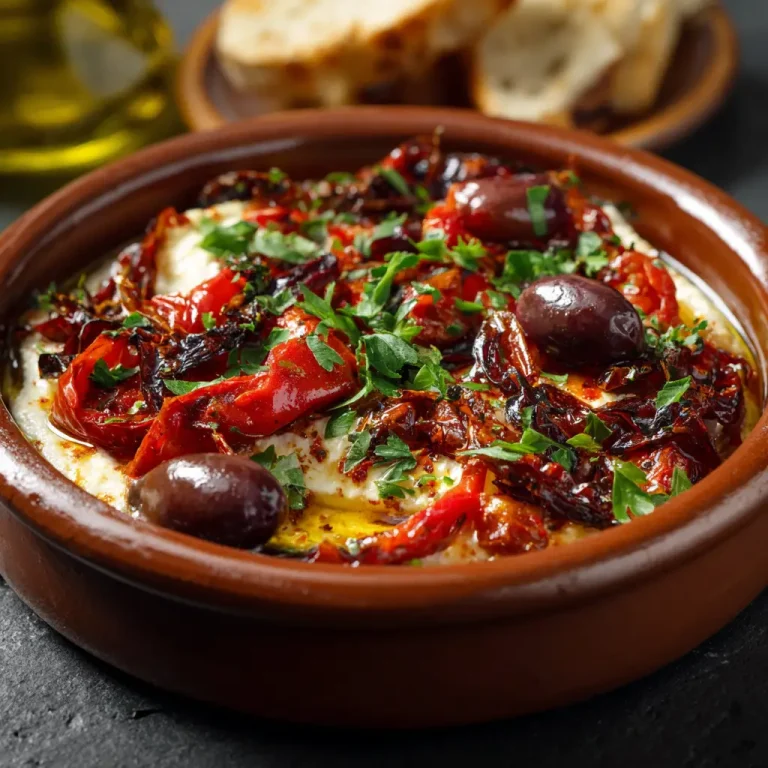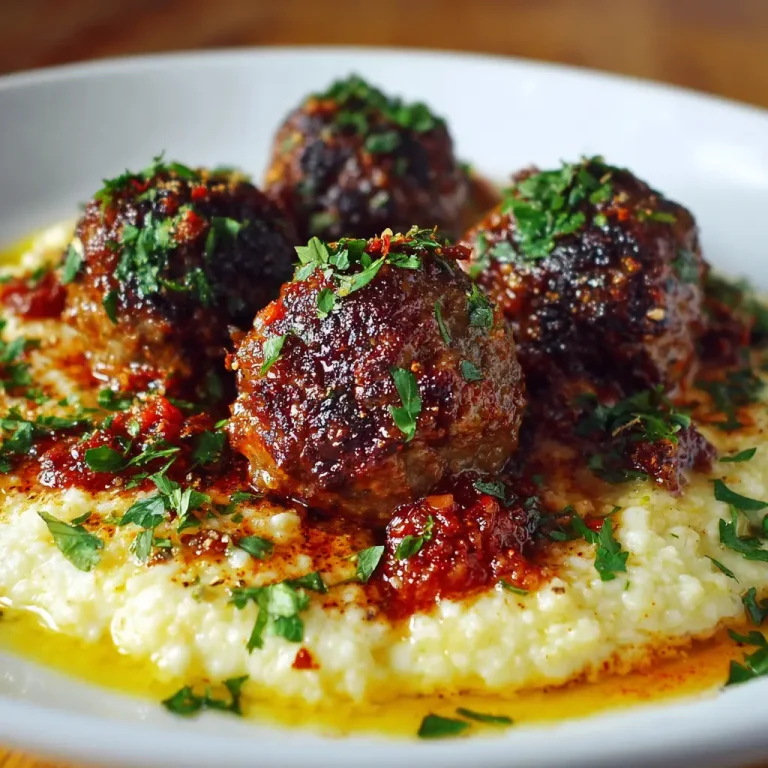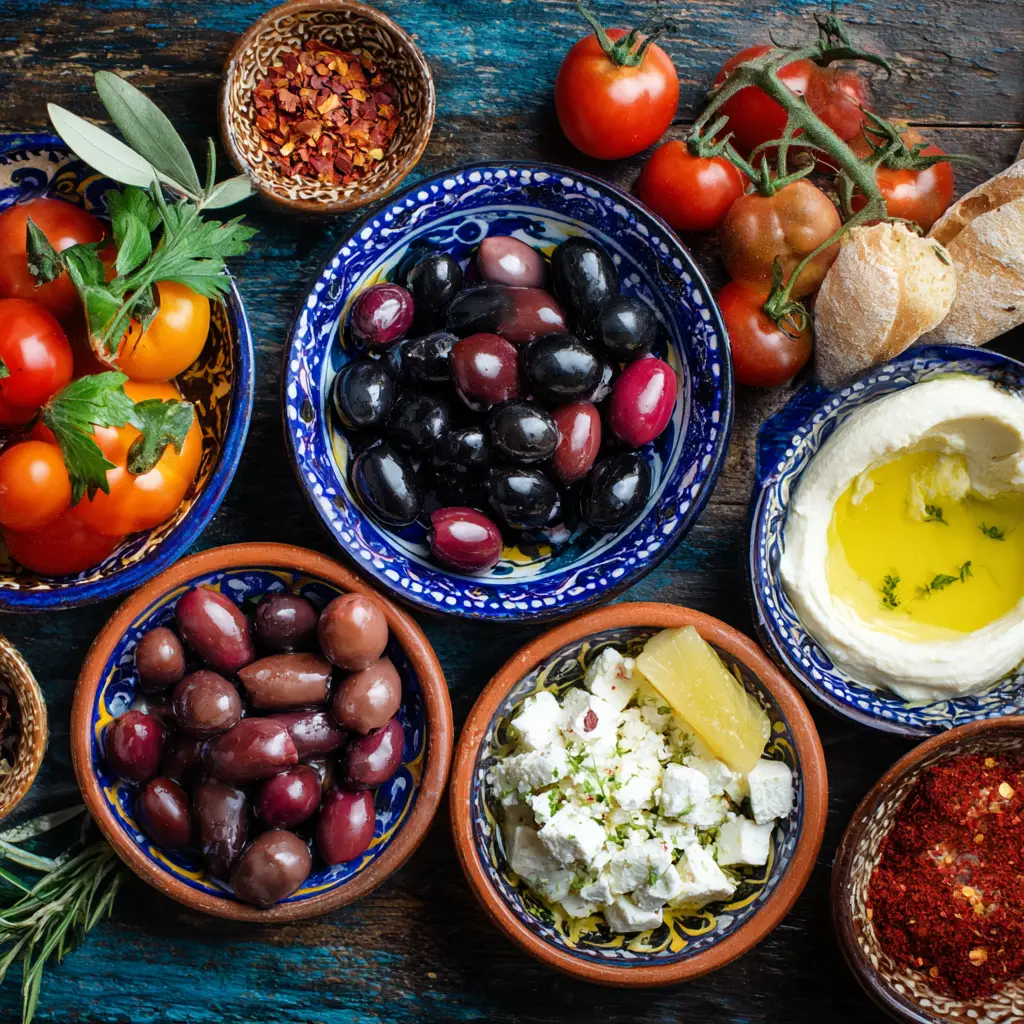
Mediterranean Diet Recipes Easy Healthy and Flavorful Meals for Everyday Cooking
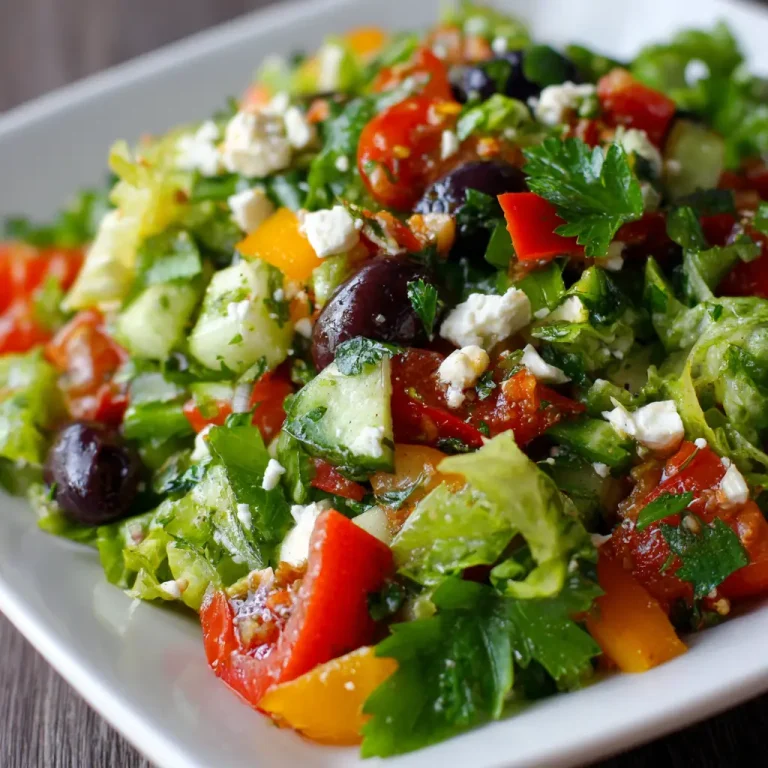
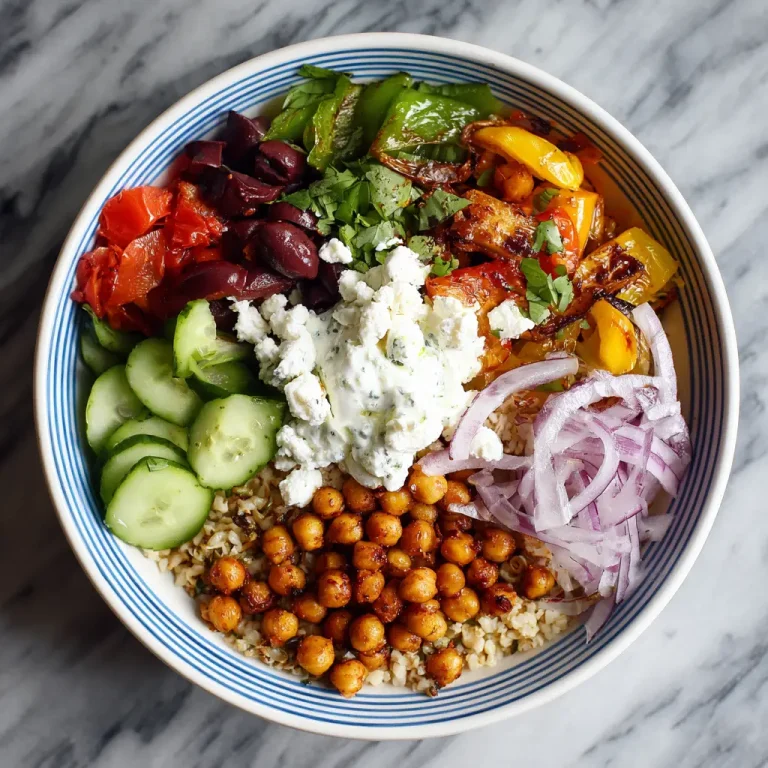
Mediterranean diet recipes have gained global attention for their rich flavors, vibrant colors, and powerful health benefits.
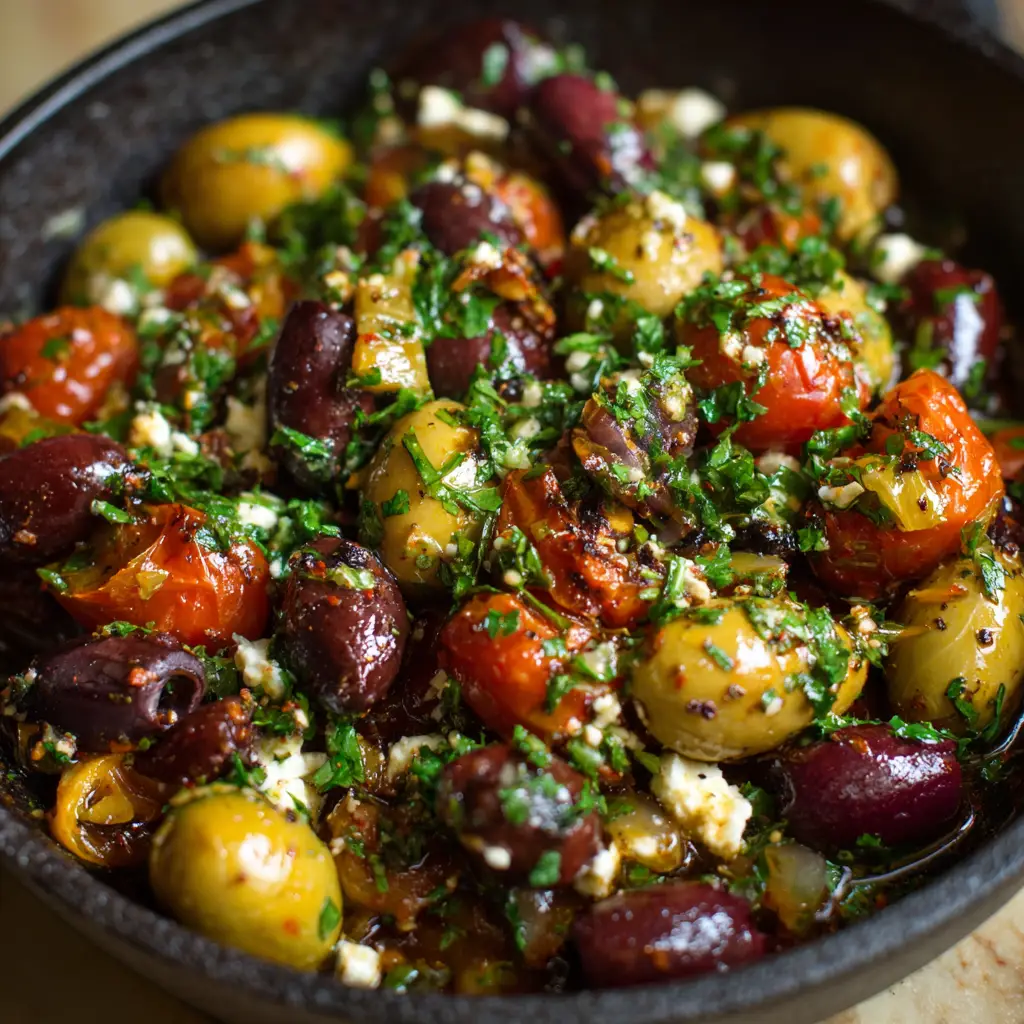
Kitchens across coastal regions of Greece, Italy, and southern Spain have inspired generations to cook with fresh vegetables, olive oil, whole grains, legumes, herbs, and seafood. Meals built around these ingredients feel comforting yet light, making them ideal for daily living. The Mediterranean approach to cooking focuses on balance, enjoyment, and nourishment rather than restriction. Each dish tells a story of tradition, seasonality, and respect for natural ingredients.
Ingredients Needed
Freshness defines Mediterranean cooking. Quality matters more than complexity. Each ingredient plays a role in flavor and nutrition. The following table outlines the core ingredients for a classic Mediterranean vegetable and chickpea dish with olive oil and herbs. Calorie counts remain approximate and reflect standard serving sizes.
| Ingredient | Quantity | Approximate Calories |
|---|---|---|
| Extra virgin olive oil | 3 tablespoons | 360 |
| Chickpeas cooked | 2 cups | 540 |
| Cherry tomatoes | 2 cups | 60 |
| Red onion | 1 medium | 45 |
| Garlic cloves | 4 cloves | 20 |
| Zucchini | 2 medium | 70 |
| Bell peppers | 2 medium | 100 |
| Fresh parsley | 1 cup chopped | 20 |
| Fresh basil | 1 cup chopped | 25 |
| Lemon juice | 3 tablespoons | 10 |
| Sea salt | to taste | 0 |
| Black pepper | to taste | 0 |
| Dried oregano | 2 teaspoons | 10 |
These ingredients come together to form a dish rich in fiber, antioxidants, and healthy fats. Olive oil provides depth. Chickpeas add protein. Vegetables deliver color and crunch. Herbs lift the entire recipe with fragrance and brightness.
Step by Step Cooking Instructions
- Begin by preparing all vegetables. Wash thoroughly. Pat dry with a clean towel. Cut zucchini into bite sized rounds. Slice bell peppers into thin strips. Halve the cherry tomatoes. Finely chop the red onion. Mince the garlic cloves. Set everything aside in separate bowls.
- Place a large skillet over medium heat. Add the extra virgin olive oil. Allow the oil to warm gently. Aromas should release without smoking. Add the chopped red onion. Stir slowly. Cook for about five minutes until soft and translucent.
- Add minced garlic to the skillet. Stir continuously for one minute. Garlic should release fragrance without browning. Lower the heat slightly if needed. Patience ensures balanced flavor.To try another comforting dish, see Mediterranean Diet Meal Plan
- Add zucchini and bell peppers to the skillet. Stir well to coat with olive oil. Cook for eight to ten minutes. Vegetables should soften while retaining some texture. Stir occasionally to prevent sticking.
- Add cherry tomatoes and dried oregano. Stir gently. Cook for five minutes. Tomatoes will release juices and create a light sauce. The skillet will look vibrant and inviting.
- Add cooked chickpeas to the mixture. Stir carefully to combine. Allow the dish to simmer for ten minutes. Flavors will meld together. Chickpeas absorb the seasoning and juices.
- Season with sea salt and black pepper according to taste. Adjust seasoning gradually. Mediterranean cooking favors balance rather than excess salt.
- Remove skillet from heat. Add fresh parsley and basil. Drizzle lemon juice over the dish. Stir gently. Fresh herbs and citrus brighten the flavors and add freshness.
- Let the dish rest for five minutes before serving. Resting allows flavors to settle and deepen. Serve warm or at room temperature depending on preference.
This step by step process reflects the simplicity of Mediterranean diet recipes. No complex techniques appear. Attention to timing and quality makes the difference.
Tips for Customizing the Recipe
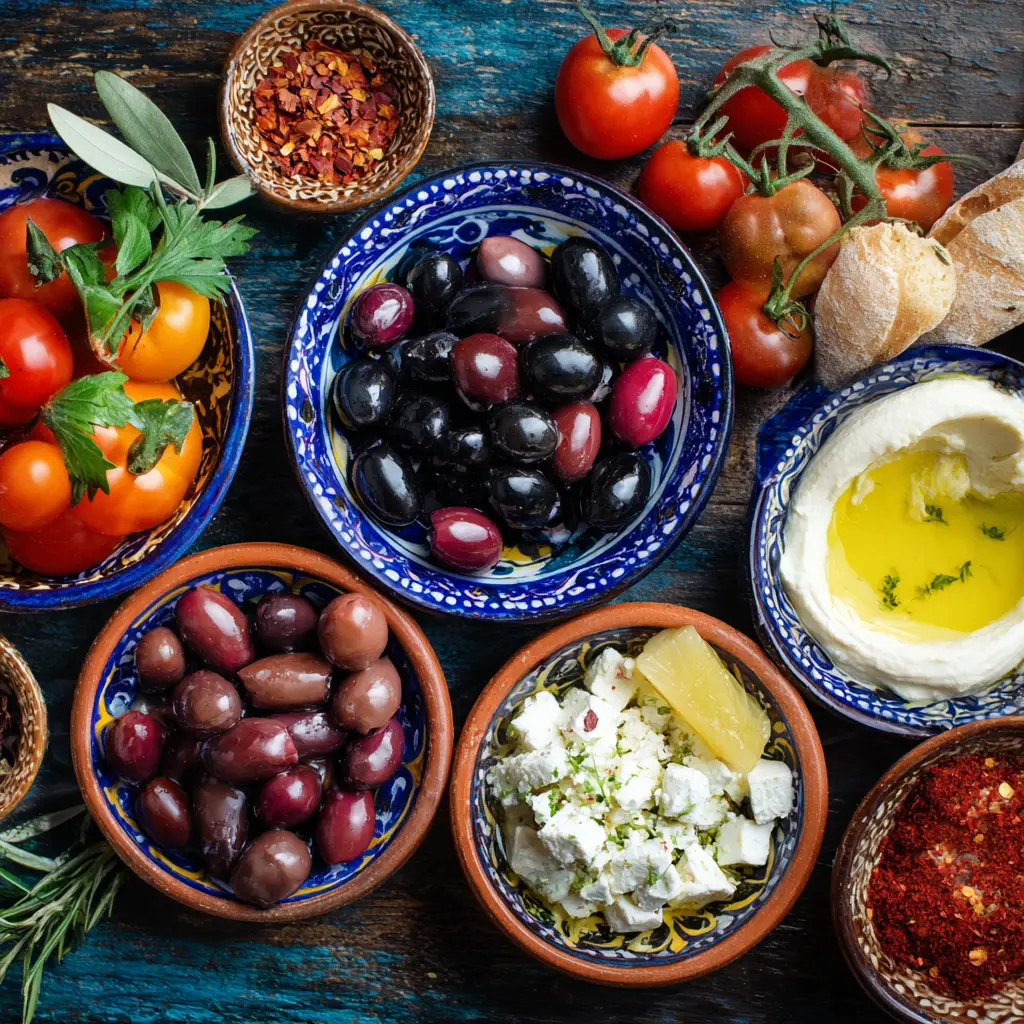
Mediterranean diet recipes encourage creativity. Adaptation comes naturally. Ingredients change with seasons. Preferences vary from household to household. The base recipe above welcomes countless modifications.
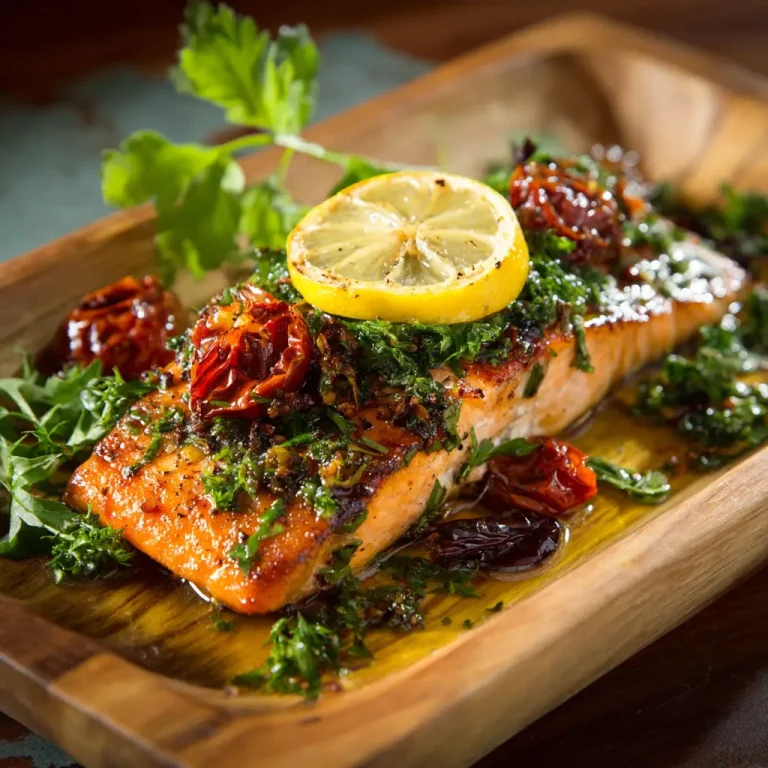
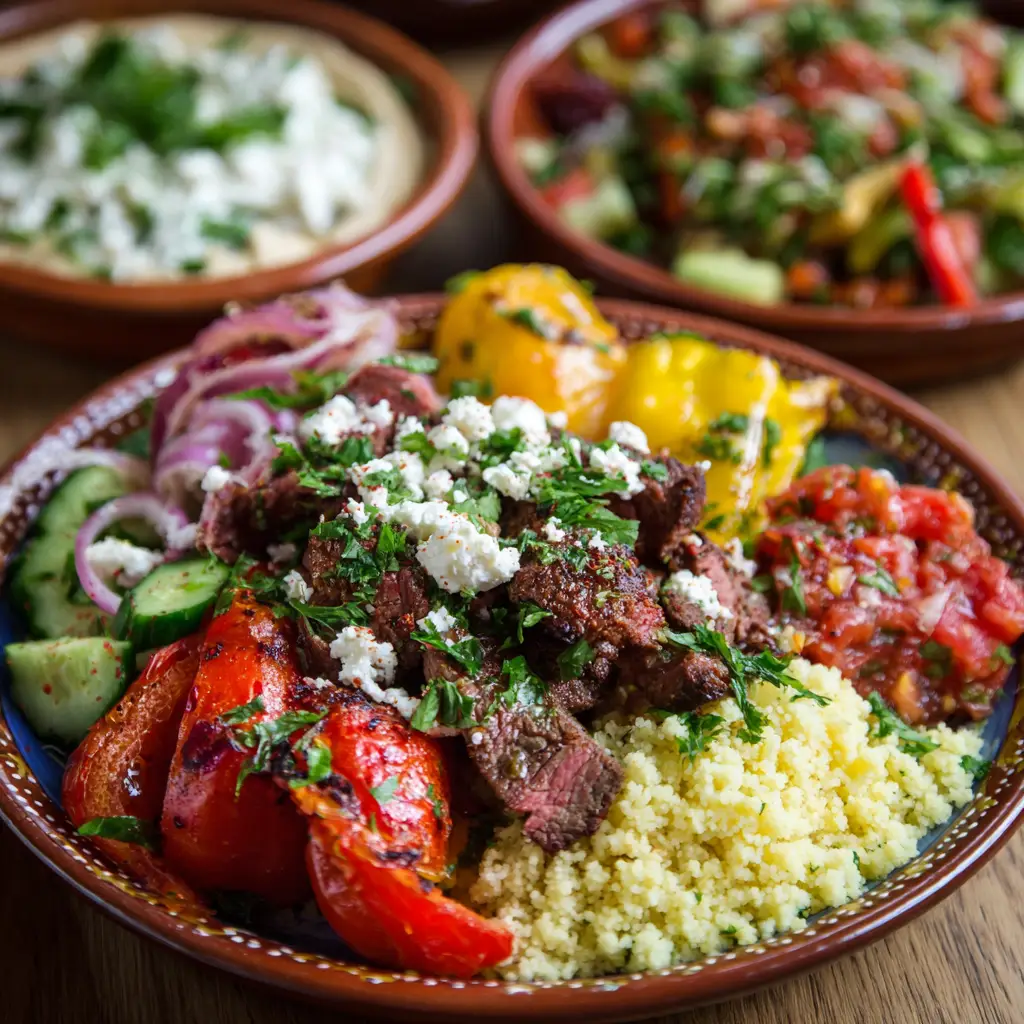
Protein additions work beautifully. Grilled chicken breast slices add substance. Pan seared shrimp bring a coastal touch. Baked salmon flakes offer richness and omega fatty acids. Keep seasoning light to maintain balance.
Vegetable choices can shift easily. Eggplant adds depth and creaminess. Spinach wilts gently into the dish. Artichoke hearts contribute a tangy note. Use what feels fresh and available.
Grain pairings enhance heartiness. Serve the dish over cooked farro or brown rice. Quinoa adds protein and texture. Whole wheat couscous absorbs the sauce well. Grains transform the recipe into a complete meal.
Herb combinations offer variety. Mint adds cooling freshness. Dill introduces brightness. Thyme deepens earthiness. Fresh herbs always elevate flavor more than dried options.
Spice levels remain adjustable. A pinch of red pepper flakes adds warmth. Smoked paprika offers subtle depth. Keep spices restrained to preserve Mediterranean character.
Dietary needs remain easy to address. The recipe stays naturally gluten free. Vegan and vegetarian friendly elements dominate. Low sodium versions simply reduce added salt and rely on herbs.
Each variation keeps the soul of Mediterranean diet recipes intact while allowing personal expression.
Nutritional Information
Mediterranean diet recipes provide more than flavor. Nutrition remains central. The featured recipe delivers a balanced profile suitable for daily enjoyment.
Healthy fats dominate from extra virgin olive oil. These fats support heart health and reduce inflammation. Chickpeas contribute plant based protein and fiber. Fiber aids digestion and promotes fullness.
Vegetables supply vitamins and minerals. Tomatoes offer lycopene known for antioxidant properties. Bell peppers provide vitamin C. Zucchini supports hydration and digestion. Onions and garlic contain compounds linked to immune support.
Fresh herbs add micronutrients and antioxidants. Parsley supports vitamin K intake. Basil contributes anti inflammatory compounds. Lemon juice enhances iron absorption from plant foods.
Calorie density remains moderate. The dish satisfies without excess energy intake. Blood sugar stability benefits from fiber rich ingredients. Satiety lasts longer compared to processed meals.
Overall nutritional balance reflects why Mediterranean diet recipes earn praise among nutrition professionals worldwide.
Serving Suggestions
Presentation enhances enjoyment. Mediterranean meals celebrate communal dining and visual appeal. Serve the dish in a wide shallow bowl. Garnish with extra herbs and a drizzle of olive oil.
Pair with warm whole grain bread. Bread soaks up flavorful juices. Choose sourdough or whole wheat options for added nutrition.
Serve alongside a crisp green salad. Mixed greens with cucumber and olives complement the dish. A light lemon and olive oil dressing maintains harmony.
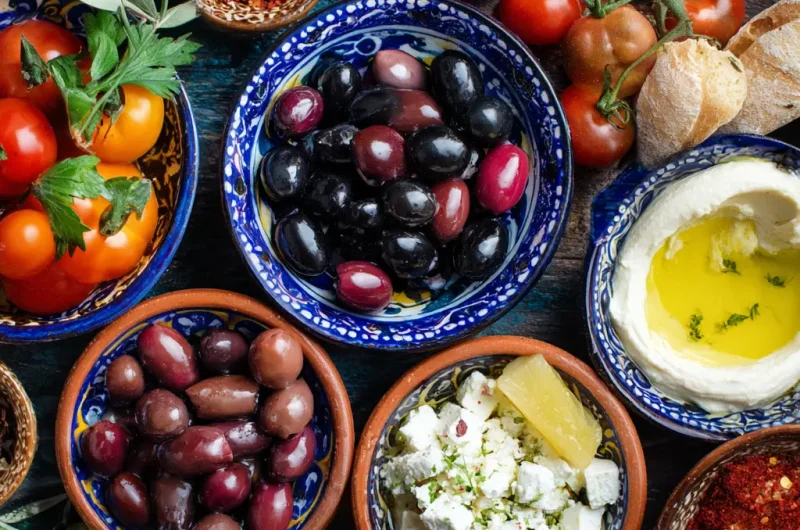
Add a small bowl of olives or marinated artichokes to the table. Simple sides enrich the dining experience without overwhelming the main dish.
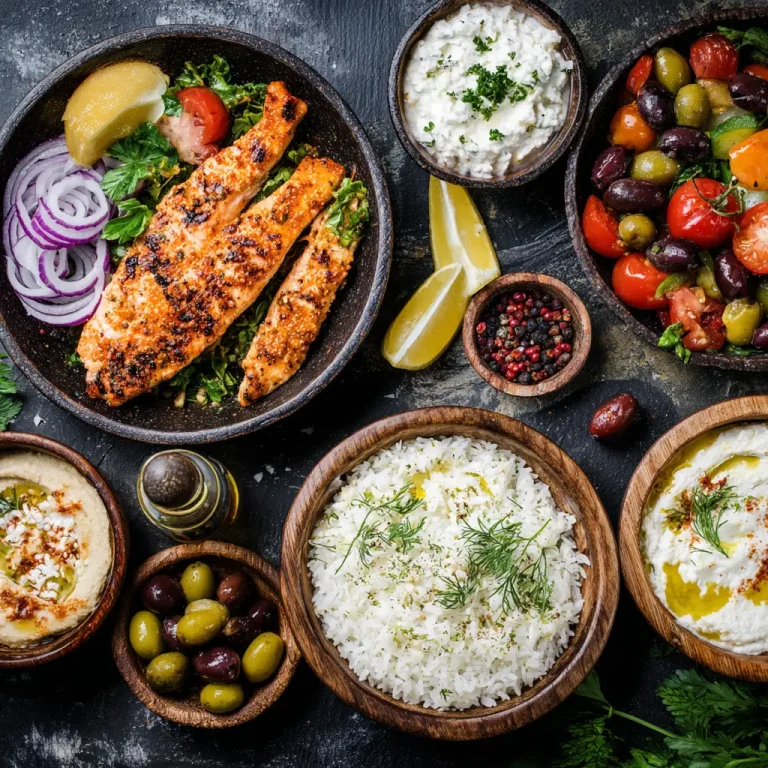
For gatherings, present the recipe as part of a larger spread. Include hummus, roasted vegetables, and grilled fish. Mediterranean dining thrives on variety and sharing.
Leftovers store well. Refrigerate in an airtight container. Flavors deepen overnight. Enjoy cold as a salad or gently reheated.
Mediterranean Diet Recipes Easy Healthy and Flavorful Meals for Everyday Cooking
Course: Blog4
servings15
minutes30
minutes315
kcalIngredients
IngredienttQuantity
Extra virgin olive oilt3 tablespoons
Cooked chickpeast2 cups
Cherry tomatoest2 cups
Red oniont1 medium
Garlic clovest4 cloves
Zucchinit2 medium
Directions
- Wash all vegetables thoroughly. Slice zucchini into rounds, bell peppers into strips, halve cherry tomatoes, chop red onion, and mince garlic.
- Heat olive oil in a large skillet over medium heat. Add chopped red onion and cook for 5 minutes until soft and translucent.
- Add minced garlic and cook for 1 minute, stirring constantly.
- Add zucchini and bell peppers. Cook 8 to 10 minutes until slightly tender, stirring occasionally.
- Add cherry tomatoes and dried oregano. Cook for 5 minutes until tomatoes release juices.
- Stir in cooked chickpeas and simmer for 10 minutes, allowing flavors to blend.
- Season with sea salt and black pepper to taste.
Recipe Video
Notes
- Can be served with whole grains like farro, quinoa, or brown rice for a complete meal.
Add grilled chicken, shrimp, or salmon for extra protein.
Leftovers taste great the next day and can be enjoyed cold or reheated.
Keep spices light to preserve the authentic Mediterranean flavor.
Frequently Asked Questions
What makes Mediterranean diet recipes healthy
Mediterranean diet recipes emphasize whole foods, healthy fats, and plant based ingredients. Olive oil replaces processed fats. Vegetables and legumes provide fiber and antioxidants. Balanced meals support long term wellness.
Can Mediterranean diet recipes help with weight management
Yes. These recipes promote satiety and stable energy levels. Fiber rich foods reduce overeating. Healthy fats improve satisfaction. Balanced portions support sustainable weight management.
Are Mediterranean diet recipes suitable for beginners
Absolutely. Techniques remain simple. Ingredients feel familiar. Cooking methods encourage confidence. Beginners often find success and enjoyment quickly.
How often should Mediterranean meals be eaten
Daily enjoyment works well. Many cultures following this pattern eat Mediterranean style meals most days of the week. Consistency delivers the greatest health benefits.
Can Mediterranean diet recipes be budget friendly
Yes. Beans, grains, seasonal vegetables, and herbs remain affordable. Quality olive oil lasts long and enhances many meals. Smart shopping keeps costs manageable.
Conclusion
Mediterranean diet recipes bring warmth, nourishment, and joy to the table. Each meal reflects respect for ingredients and appreciation for simple pleasures. Cooking this way encourages mindful eating and shared moments. Flavors feel honest and satisfying. Health benefits arrive naturally through balance and variety. Home kitchens transform into spaces of creativity and comfort. Embracing Mediterranean cooking invites a lifestyle that values wellness, tradition, and delicious food prepared with care.