Mediterranean Diet Meal Plan | Easy Recipes for Healthy Eating
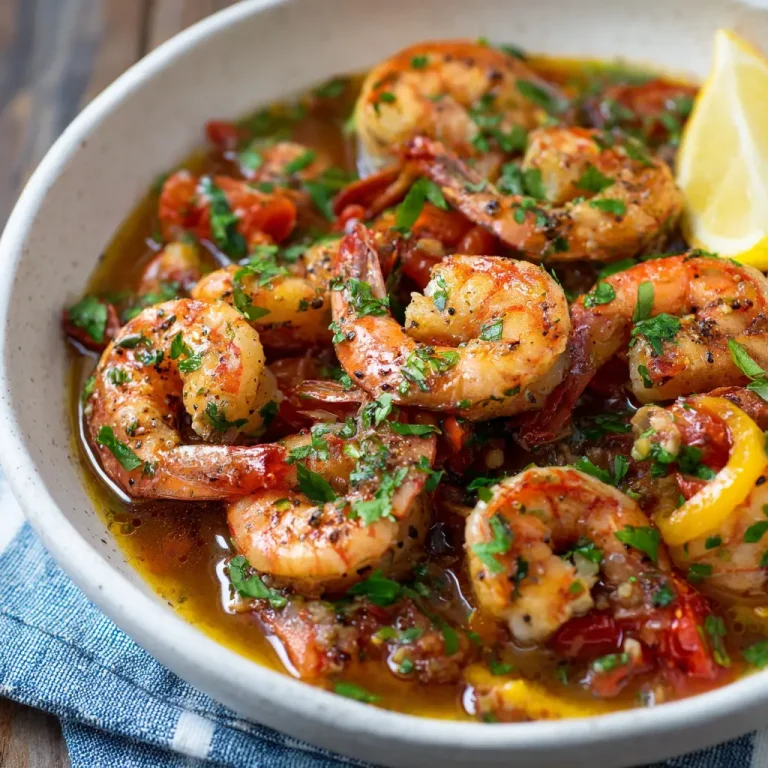
The Mediterranean diet is more than a way of eating; it is a lifestyle rooted in centuries of tradition. It emphasizes fresh vegetables, fruits, whole grains, lean proteins, and healthy fats, all while celebrating bold flavors and simple preparation methods.
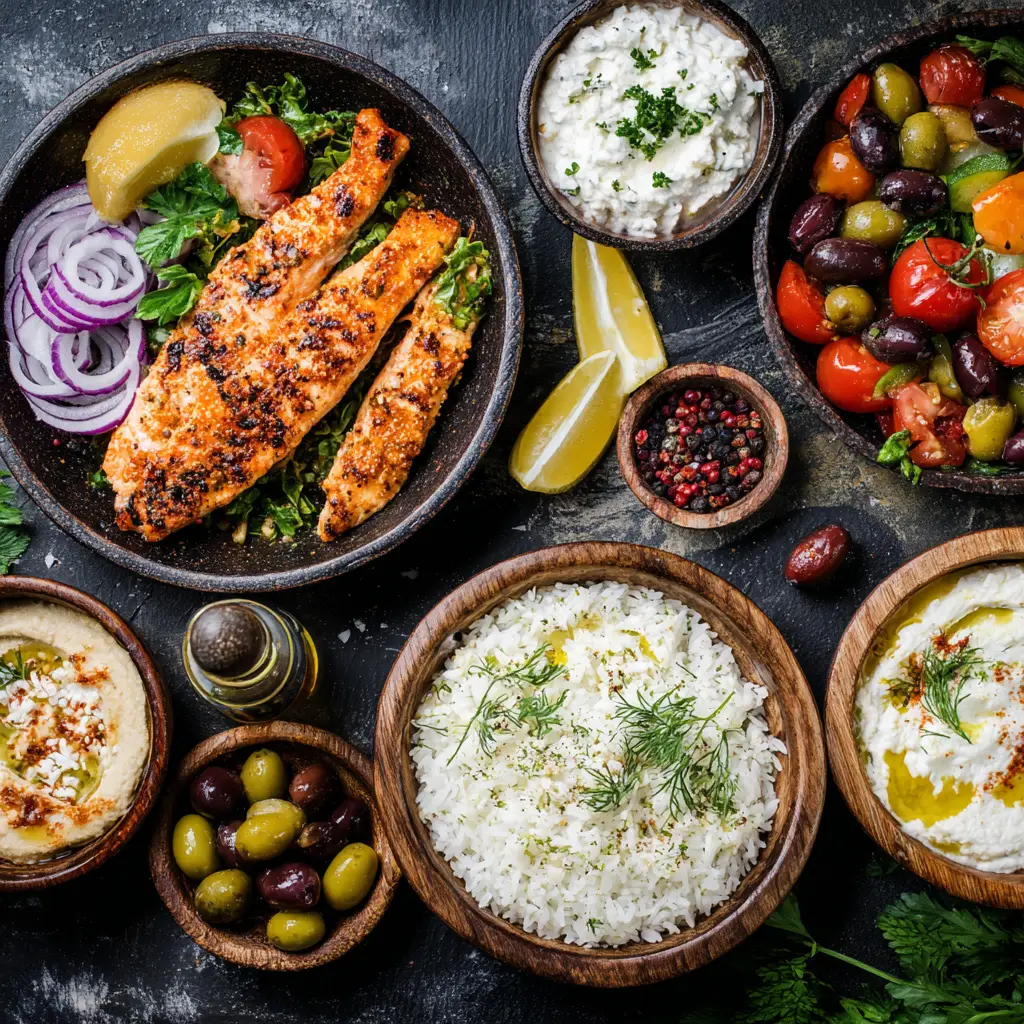
People who adopt this approach often report improvements in heart health, weight management, and overall energy levels. Unlike restrictive diets that focus solely on counting calories, the Mediterranean diet encourages balance and variety, making meals satisfying and enjoyable.
Ingredients Needed
Creating a Mediterranean diet meal plan requires fresh and wholesome ingredients. Below is a detailed table of common items along with their approximate calorie counts per serving:
| Ingredient | Serving Size | Calories |
|---|---|---|
| Olive oil | 1 tablespoon | 120 |
| Garlic | 1 clove | 4 |
| Onion | 1 medium | 44 |
| Bell pepper | 1 medium | 25 |
| Zucchini | 1 cup sliced | 20 |
| Cherry tomatoes | 1 cup | 27 |
| Spinach | 1 cup | 7 |
| Chickpeas | 1 cup cooked | 269 |
| Quinoa | 1 cup cooked | 222 |
| Salmon | 3 ounces | 175 |
| Feta cheese | 1 ounce | 75 |
| Lemon juice | 1 tablespoon | 4 |
| Cucumber | 1 medium | 16 |
| Fresh herbs (parsley, basil) | 2 tablespoons | 2 |
| Whole grain bread | 1 slice | 70 |
These ingredients serve as the foundation of Mediterranean meals, offering a balance of protein, fiber, healthy fats, and essential vitamins and minerals. Fresh produce, legumes, whole grains, and seafood form the core of the diet, while herbs and spices enhance flavors without relying on excessive salt or sugar.
Step-by-Step Cooking Instructions
A simple Mediterranean meal can be prepared in a few steps, ensuring it remains fresh, nutritious, and flavorful. One example is a Mediterranean quinoa salad with salmon:
- Begin by rinsing one cup of quinoa under cold water. Add it to a pot with two cups of water and a pinch of salt. Bring to a boil, then reduce the heat and let it simmer for fifteen minutes until the quinoa absorbs all the water. Remove from heat and let it cool slightly.
- While the quinoa cooks, prepare the vegetables. Dice one medium onion, one bell pepper, and one cucumber. Slice one cup of cherry tomatoes in half. Mince two cloves of garlic and chop fresh herbs such as parsley and basil.
- In a large mixing bowl, combine the cooled Pair this meal with Mediterranean Diet Recipes for a complete experience.quinoa with the chopped vegetables, garlic, and herbs. Drizzle two tablespoons of olive oil and one tablespoon of lemon juice over the mixture. Toss gently to combine all ingredients evenly.
- For the protein, season three ounces of salmon with a pinch of salt and pepper. Heat a non-stick skillet over medium heat and add one teaspoon of olive oil. Cook the salmon for three to four minutes on each side until it flakes easily with a fork.
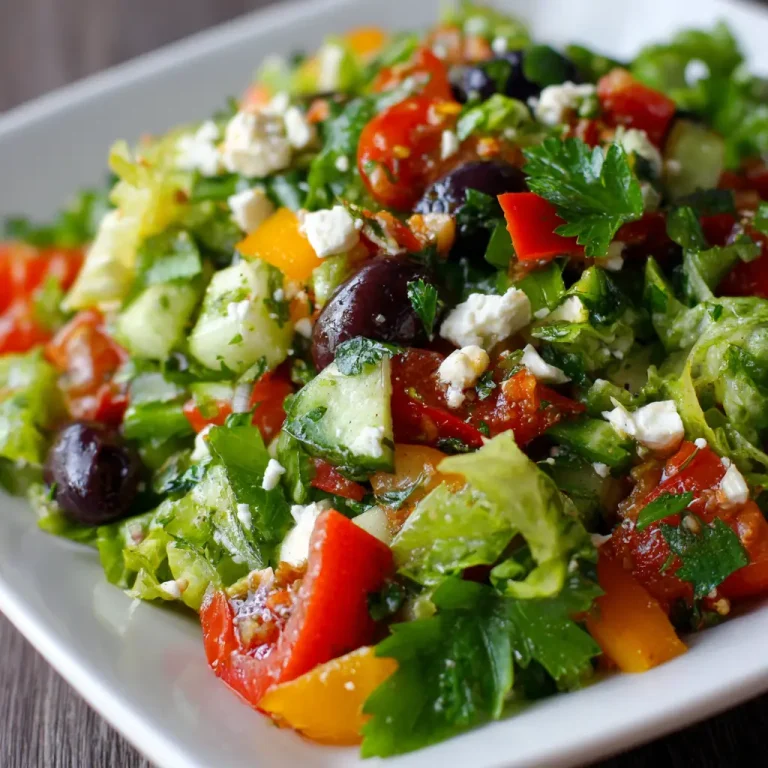
- Add the cooked salmon to the quinoa salad, crumbling some feta cheese over the top. Adjust seasoning as needed and garnish with additional fresh herbs or a squeeze of lemon juice.
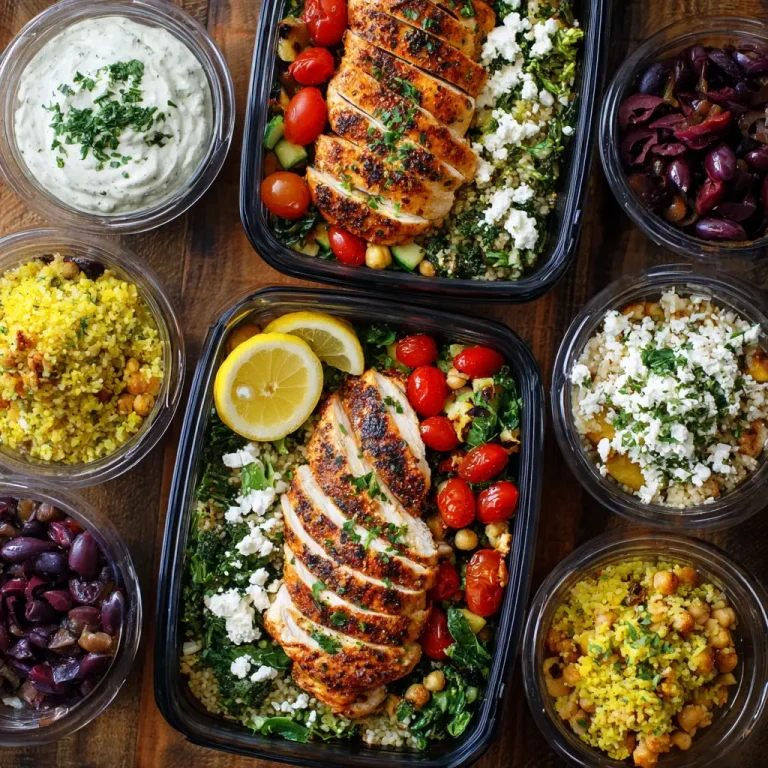
- Serve immediately or refrigerate for later. The salad retains flavor and texture for up to two days, making it an ideal option for meal prepping.
Tips for Customizing the Recipe
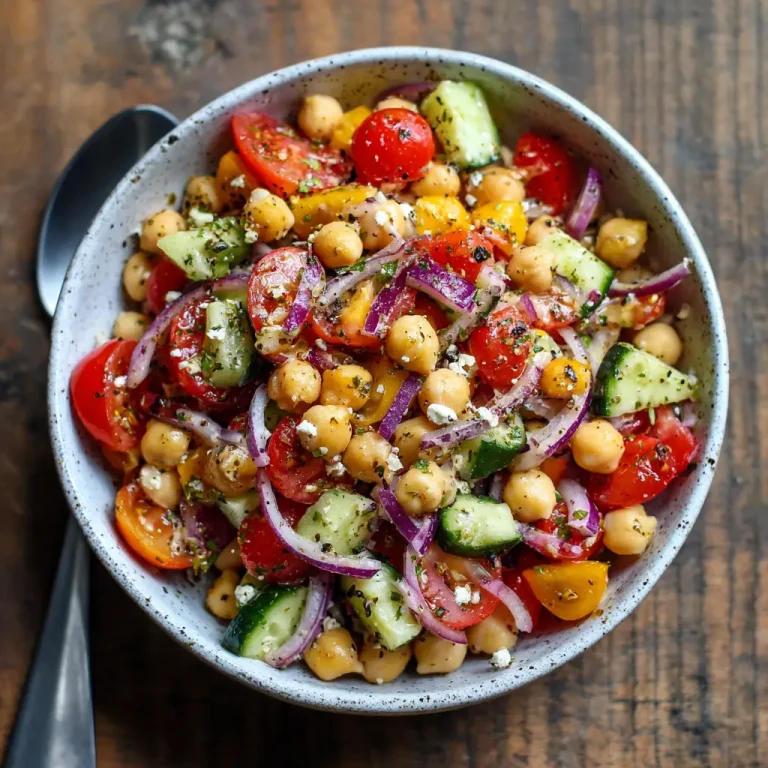
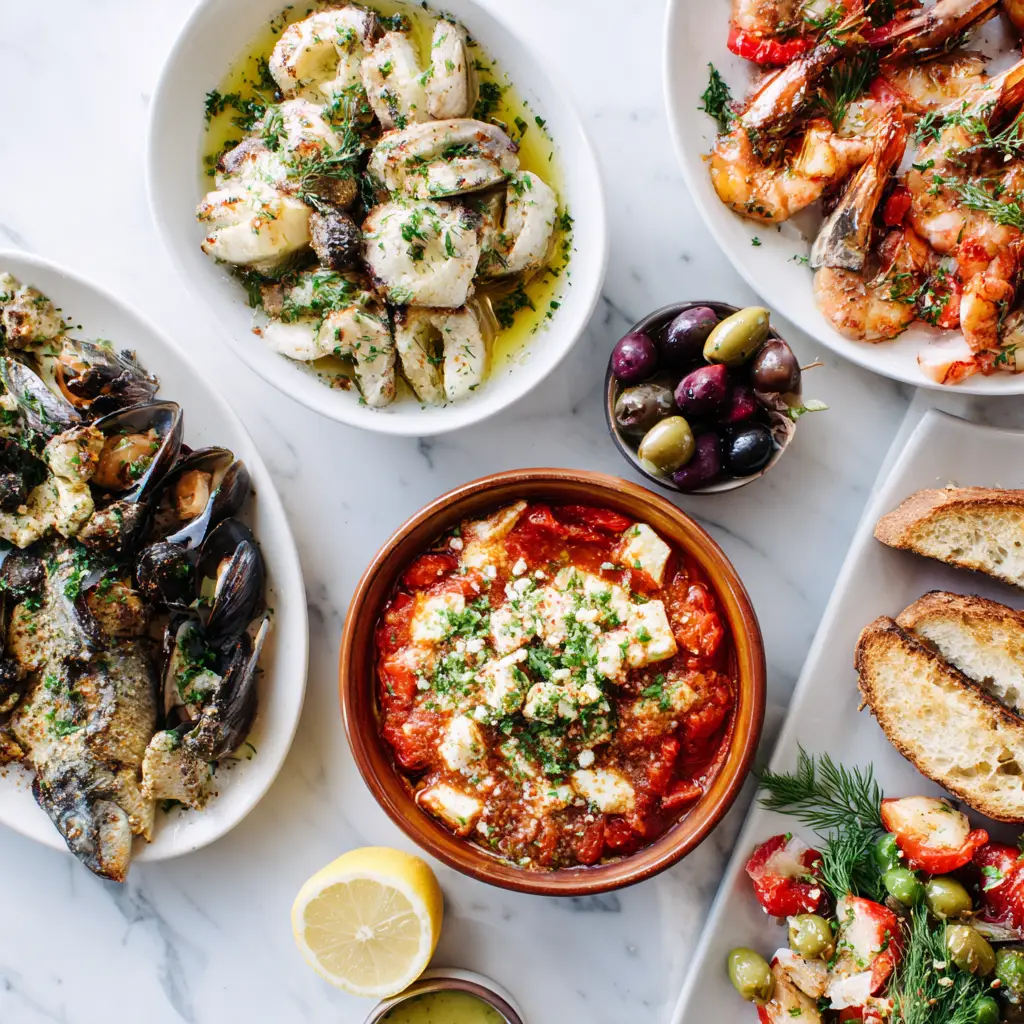
The Mediterranean diet is highly adaptable, allowing adjustments to suit individual preferences and dietary needs. For vegetarians, replacing salmon with chickpeas, lentils, or tofu provides sufficient protein. For those seeking extra richness, adding avocado or olives enhances healthy fat content. Spices such as paprika, cumin, or oregano can bring a new dimension of flavor without adding calories.
Portion sizes can be modified to meet specific nutritional goals. For weight management, reducing grains and increasing vegetables ensures satiety while keeping calories controlled. Conversely, athletes or highly active individuals may increase whole grains or legumes to provide additional energy. Seasonal vegetables can also be rotated throughout the year to maintain freshness and variety.
Experimenting with herbs and dressings can transform a standard salad into a unique culinary experience. For instance, adding roasted red peppers or sun-dried tomatoes adds natural sweetness, while a sprinkle of toasted nuts provides crunch and healthy fats. Even the method of cooking proteins can vary, from baking and grilling to poaching or lightly sautéing, allowing for diversity in taste and texture.
Nutritional Information
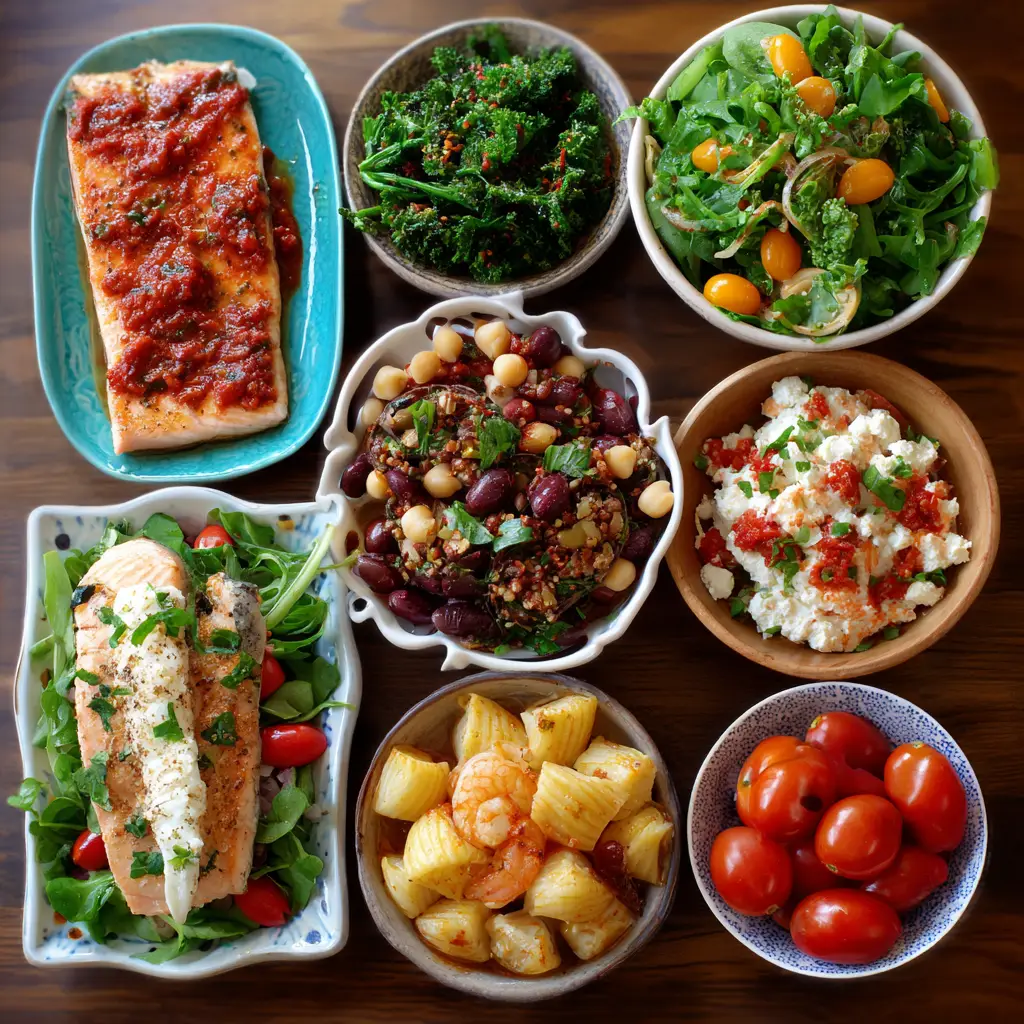
The Mediterranean diet meal plan emphasizes nutrient-dense foods that support overall health. A typical meal, such as the quinoa salad with salmon, provides:
Daily adherence to this eating style can lower LDL cholesterol, improve blood pressure, enhance cognitive function, and support long-term wellness. The combination of macronutrients ensures sustained energy throughout the day without causing spikes in blood sugar or sudden hunger pangs.
Serving Suggestions
Serving Mediterranean meals can be both simple and visually appealing. Pair the quinoa salad with whole grain pita bread for a complete meal. Drizzle extra olive oil and lemon juice for enhanced flavor. Fresh fruit such as orange slices or berries works well as a refreshing dessert or snack.
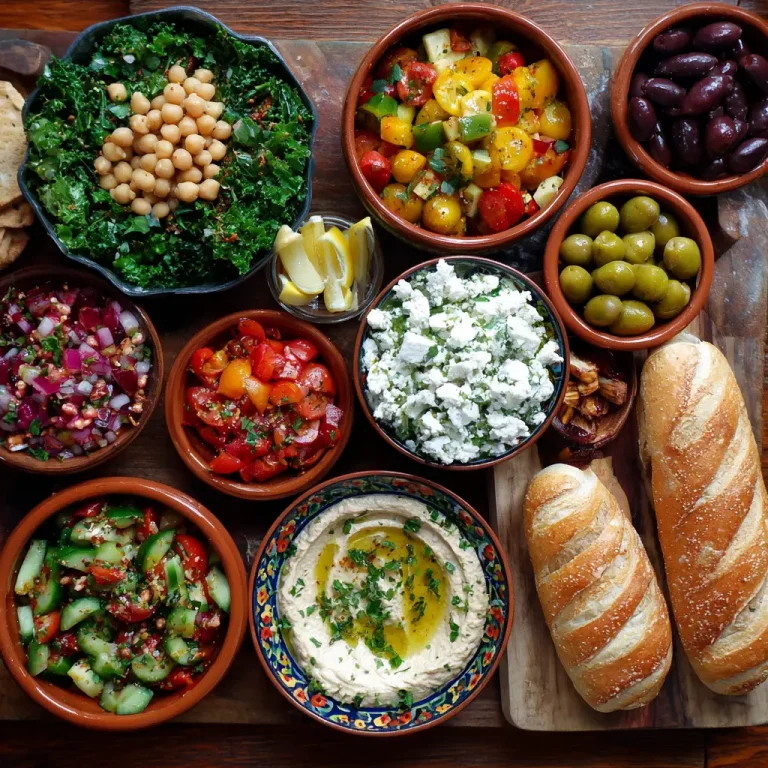
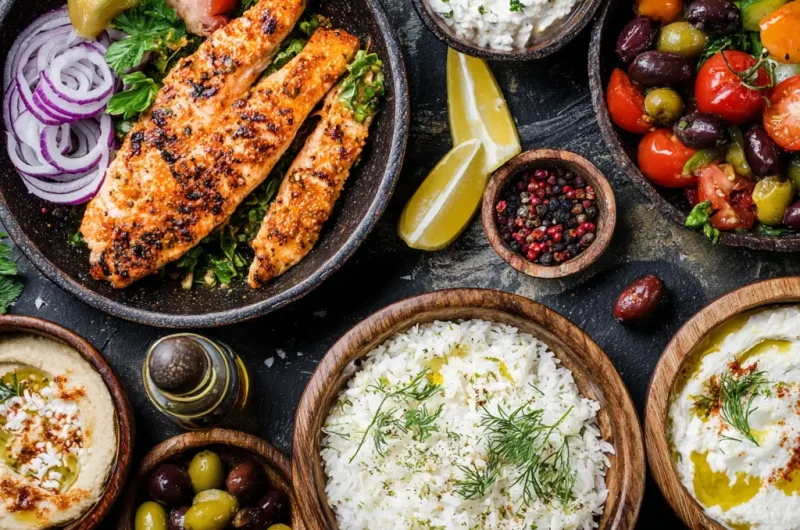
For larger gatherings, prepare a Mediterranean platter with hummus, roasted vegetables, olives, whole grain crackers, and slices of lean roasted chicken or fish. Fresh herbs like dill, mint, or parsley elevate presentation while adding aromatic flavor.
Light soups such as lentil or minestrone complement Mediterranean meals, providing warmth and additional nutrients. A glass of water infused with cucumber or lemon can replace sugary beverages while maintaining hydration.
Mediterranean Diet Meal Plan | Easy Recipes for Healthy Eating
Course: Blog2
servings15
minutes15
minutes450
kcalIngredients
1 cup quinoa (uncooked)
2 cups water
3 ounces salmon fillet per person
1 medium onion, diced
1 medium bell pepper, diced
1 medium cucumber, diced
1 cup cherry tomatoes, halved
2 cloves garlic, minced
2 tablespoons fresh parsley, chopped
Directions
- Rinse the quinoa under cold water. In a medium pot, combine quinoa and water. Bring to a boil, then reduce heat and simmer for 15 minutes or until water is absorbed. Let quinoa cool slightly.
- While the quinoa cooks, chop the onion, bell pepper, cucumber, cherry tomatoes, garlic, and fresh herbs.
- In a large mixing bowl, combine the cooled quinoa with chopped vegetables, garlic, and herbs. Drizzle with olive oil and lemon juice. Toss gently to mix.
- Season the salmon with salt and pepper. Heat a skillet over medium heat with 1 teaspoon olive oil. Cook salmon for 3-4 minutes on each side until it flakes easily.
- Add cooked salmon to the quinoa salad. Top with crumbled feta cheese and garnish with extra herbs if desired.
- Serve immediately or refrigerate for up to two days.
Recipe Video
Notes
- For a vegetarian version, replace salmon with chickpeas or grilled tofu.
Add olives or avocado for extra healthy fats.
Use seasonal vegetables for variety and freshness.
This salad works well as a meal prep option for lunches or quick dinners.
Frequently Asked Questions
What is the Mediterranean diet best for?
It is excellent for heart health, weight management, and supporting long-term energy levels.
Can I follow the Mediterranean diet if I am vegetarian?
Yes, it is easily adaptable. Legumes, tofu, nuts, and seeds can replace animal protein.
How many meals a day should I eat on this diet?
Typically three balanced meals with one or two healthy snacks is ideal, but flexibility is encouraged.
Is olive oil necessary?
It is a core component because of its heart-healthy fats, but small amounts can be substituted with other healthy oils.
How soon can I see benefits?
Some improvements, such as better energy and digestion, may appear within weeks, while long-term heart and metabolic benefits occur over months.
Conclusion
Adopting a Mediterranean diet meal plan transforms eating into a pleasurable and nourishing experience. It prioritizes fresh ingredients, balanced meals, and natural flavors while supporting overall wellness. Recipes like quinoa salad with salmon illustrate the simplicity, versatility, and deliciousness of this lifestyle. With small adjustments, the diet can fit any preference, making healthy eating accessible for everyone.