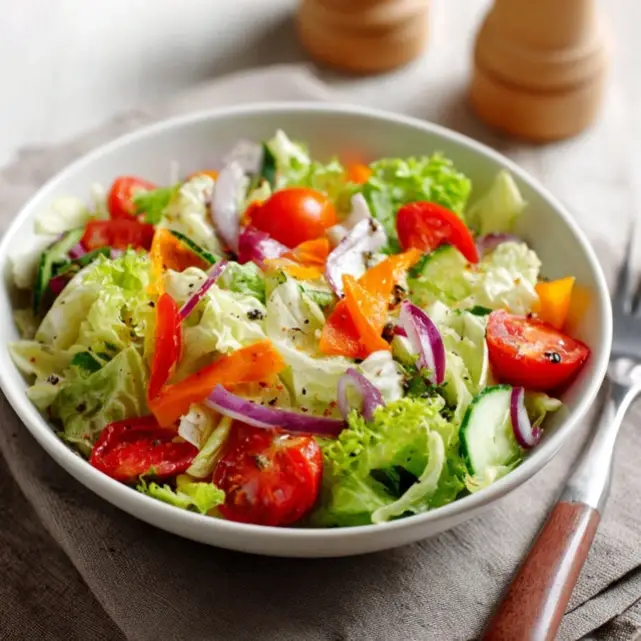
Fresh and Healthy Low Carb Salad Recipe
Introduction
Low carb salads offer a refreshing way to enjoy a healthy, satisfying meal without the heavy carbohydrate load that often comes with traditional dishes. They are versatile, colorful, and packed with nutrients that support energy, digestion, and overall wellbeing. The combination of fresh vegetables, lean proteins, and flavorful dressings creates a meal that is both visually appealing and deeply satisfying.
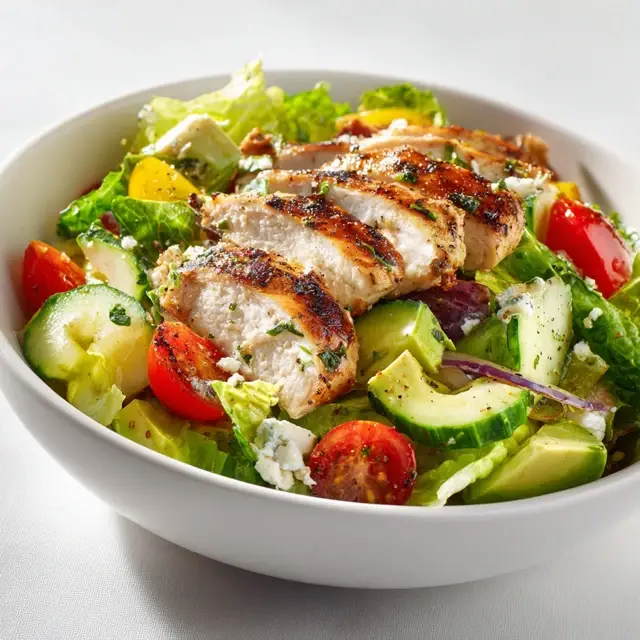
Many people turn to low carb salads not only for weight management but also for improved energy levels and better blood sugar control. Eating a salad does not have to feel restrictive or bland. With careful selection of ingredients, textures, and flavors, these salads can become a highlight of your day. From crunchy greens to creamy avocados and roasted proteins, each element plays a role in creating a balanced and enjoyable eating experience. Preparing low carb salads at home allows complete control over freshness, quality, and seasoning. With a variety of vegetables, proteins, and dressings, you can craft a salad that meets your personal taste and nutritional needs. The following guide provides a detailed look at ingredients, preparation methods, tips for customization, and ways to enjoy these salads as part of a well rounded diet.
Ingredients Needed
The table below outlines a classic low carb salad with a mix of fresh vegetables, protein, and a light dressing. Calorie counts are approximate and can vary depending on brand and portion size.
| Ingredient | Approximate Calories Per Serving |
|---|---|
| Romaine lettuce two cups | 15 |
| Spinach one cup | 7 |
| Cucumber half cup, sliced | 8 |
| Cherry tomatoes half cup | 15 |
| Red bell pepper half cup | 20 |
| Avocado half medium | 120 |
| Grilled chicken breast 100 grams | 165 |
| Feta cheese 30 grams | 80 |
| Olive oil one tablespoon | 120 |
| Lemon juice one tablespoon | 4 |
| Salt one teaspoon | 0 |
| Black pepper one teaspoon | 5 |
Step-by-Step Cooking Instructions
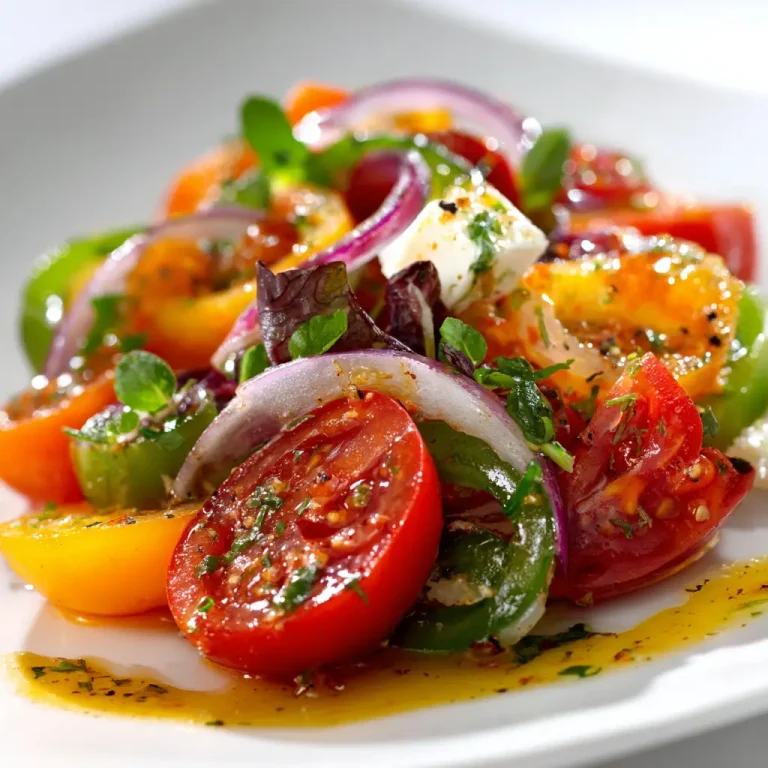
Begin by thoroughly washing all vegetables under cold running water to remove any dirt or residues. Pat them dry with a clean towel to prevent excess water from diluting the dressing. Chop the romaine lettuce and spinach into bite sized pieces and place them in a large mixing bowl. Slice cucumber, cherry tomatoes, and red bell pepper evenly and add them to the bowl, distributing the colors for an appealing presentation.
Prepare the avocado by cutting it in half, removing the pit, and scooping out the flesh. Slice it into thin pieces or cubes and add it to the vegetables just before dressing the salad. This prevents browning and maintains the creamy texture of the avocado.
Cook the chicken breast by grilling or pan-searing until the internal temperature reaches one hundred sixty five degrees Fahrenheit. Season lightly with salt and black pepper for simple flavor. Once cooked, slice the chicken into strips and allow it to rest for a few minutes before adding it to the salad. Resting ensures the juices remain locked in for tender, flavorful meat.
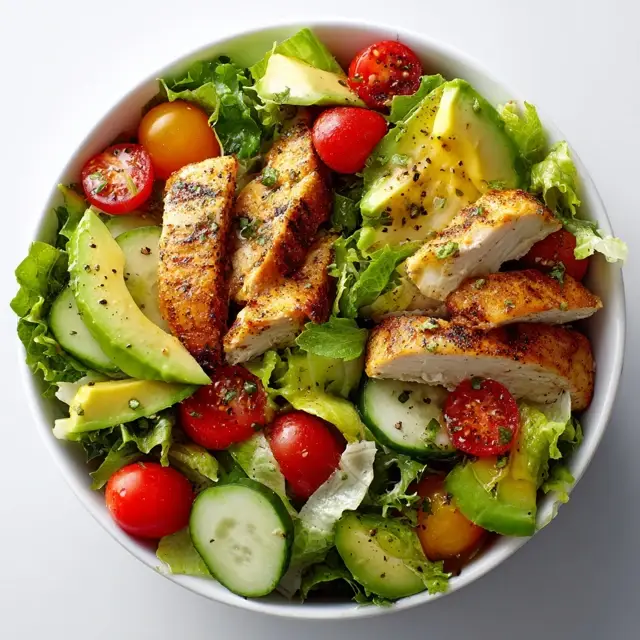
For the dressing, mix olive oil, lemon juice, a pinch of salt, and black pepper in a small bowl or jar. Whisk or shake until fully combined. Pour the dressing over the salad just before serving to maintain crispness in the vegetables. Toss gently to coat all ingredients evenly, taking care not to crush delicate greens or avocado pieces.
Sprinkle feta cheese over the top for a salty, tangy accent that complements the freshness of the vegetables and the richness of the avocado. Divide into individual servings and enjoy immediately for the best texture and flavor.
Tips for Customizing the Recipe
Low carb salads are highly adaptable to individual preferences. For additional protein, incorporate hard-boiled eggs, tuna, shrimp, or turkey slices. For a plant-based variation, replace chicken with grilled tofu, tempeh, or chickpeas, keeping in mind that chickpeas are slightly higher in carbs.
Experiment with different vegetables based on seasonality or taste preferences. Roasted zucchini, asparagus, or cauliflower can add warmth and a different texture. Nuts and seeds, such as almonds, pumpkin seeds, or sunflower seeds, provide crunch and healthy fats. Fresh herbs like basil, parsley, or cilantro introduce bright aromatic notes that elevate flavor complexity.
Dressings can also be varied. Swap lemon juice for balsamic vinegar or apple cider vinegar for a different tang. Add a teaspoon of mustard or minced garlic for a more pronounced flavor profile. For creamier dressings, consider blending Greek yogurt with herbs and lemon juice, keeping carbs low while adding a rich consistency.
Nutritional Information
Low carb salads provide a balanced combination of vitamins, minerals, fiber, protein, and healthy fats. Leafy greens supply vitamin K, folate, and antioxidants. Avocado contributes monounsaturated fats that support heart health and enhance absorption of fat-soluble vitamins. Lean protein from chicken or plant sources helps maintain muscle mass and satiety.
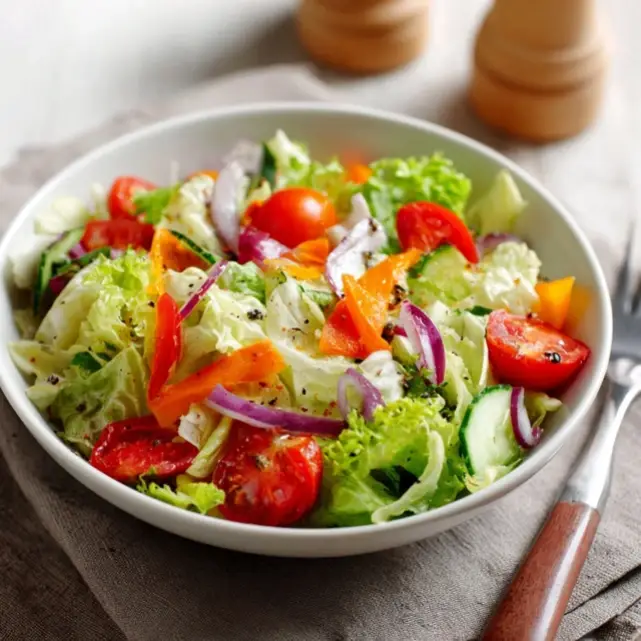
The calorie content of a single serving ranges from approximately four hundred to five hundred calories, depending on protein and dressing choices. Carbohydrates are minimized primarily through the choice of non-starchy vegetables. Fiber from greens and vegetables supports digestive health and helps regulate blood sugar levels. Healthy fats from olive oil and avocado add flavor, promote fullness, and contribute to overall nutritional balance.
Serving Suggestions
Low carb salads can be served as a main meal or alongside other dishes. Pairing with a light soup or broth provides warmth and additional nutrients. For a heartier meal, add roasted or grilled vegetables, or serve with a side of low carb bread or crackers for texture contrast.
Presentation enhances enjoyment. Layer ingredients for visual appeal, using colorful vegetables and garnishes. Sprinkle seeds or finely chopped herbs on top for added flavor and a polished look. These salads also travel well, making them suitable for lunch boxes or picnic meals when packed with dressing separately to prevent wilting.
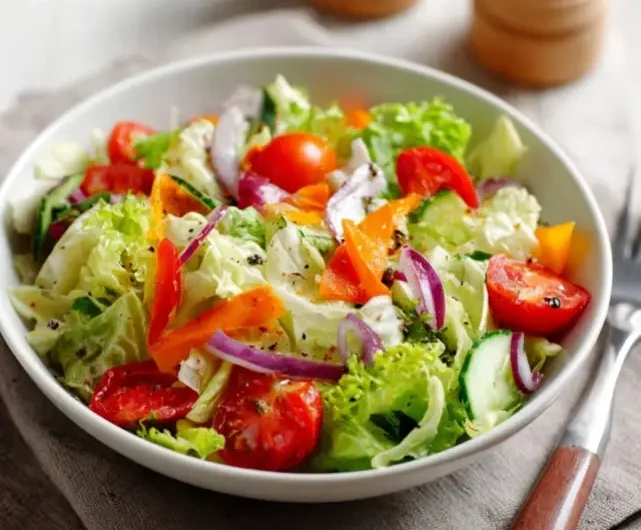
Fresh and Healthy Low Carb Salad Recipe
2-3
servings10
minutes10
minutes400-450
kcalIngredients
Romaine lettuce two cups
Spinach one cup
Cucumber half cup, sliced
Cherry tomatoes half cup
Red bell pepper half cup, chopped
Avocado half medium, sliced
Grilled chicken breast 100 grams
Feta cheese 30 grams
Olive oil one tablespoon
Lemon juice one tablespoon
Salt one teaspoon
Black pepper one teaspoon
Directions
- Wash all vegetables thoroughly under cold water and pat dry.
- Chop romaine lettuce and spinach into bite-sized pieces and place in a large bowl.
- Slice cucumber, cherry tomatoes, and red bell pepper evenly and add to the bowl.
- Cut avocado into cubes or slices and add just before dressing to prevent browning.
- Cook chicken breast by grilling or pan-searing until fully cooked, then slice and add to the salad.
- Prepare dressing by mixing olive oil, lemon juice, salt, and black pepper in a small bowl or jar.
- Pour dressing over the salad and toss gently to coat all ingredients evenly.
- Sprinkle feta cheese on top before serving. Serve immediately for best freshness and texture.
Recipe Video
Notes
- For vegetarian options, replace chicken with tofu, tempeh, or chickpeas.
Add seeds or nuts such as almonds, sunflower seeds, or pumpkin seeds for extra crunch and healthy fats.
Frequently Asked Questions
Can I prepare this salad in advance
Yes, vegetables can be chopped and protein cooked ahead. Keep avocado and dressing separate until serving to maintain freshness.
What are some low carb protein alternatives
Chicken, turkey, shrimp, tuna, eggs, tofu, tempeh, and seitan are excellent options.
How can I make the salad more filling
Adding extra protein or nuts increases satiety. Avocado and cheese also add richness and fullness.
Are all dressings suitable for low carb diets
Choose dressings with minimal sugar. Olive oil and vinegar based dressings are ideal. Creamy dressings made with Greek yogurt or avocado are also low carb friendly.
Can I include fruit in a low carb salad
Yes, but choose low sugar fruits like berries in moderation to keep carbs low.
Conclusion
Low carb salads provide a delicious, nutritious, and satisfying way to enjoy meals without excess carbohydrates. The combination of fresh vegetables, lean protein, healthy fats, and flavorful dressings creates a versatile dish suitable for everyday eating or special occasions. Preparing salads at home ensures control over ingredient quality, taste, and nutritional balance. With careful attention to textures, flavors, and presentation, low carb salads can be both visually appealing and deeply fulfilling. Enjoying these salads contributes to overall wellbeing, supports energy levels, and makes healthy eating an enjoyable, sustainable practice.