Layer Cake Recipe Guide Easy Homemade Baking Tips
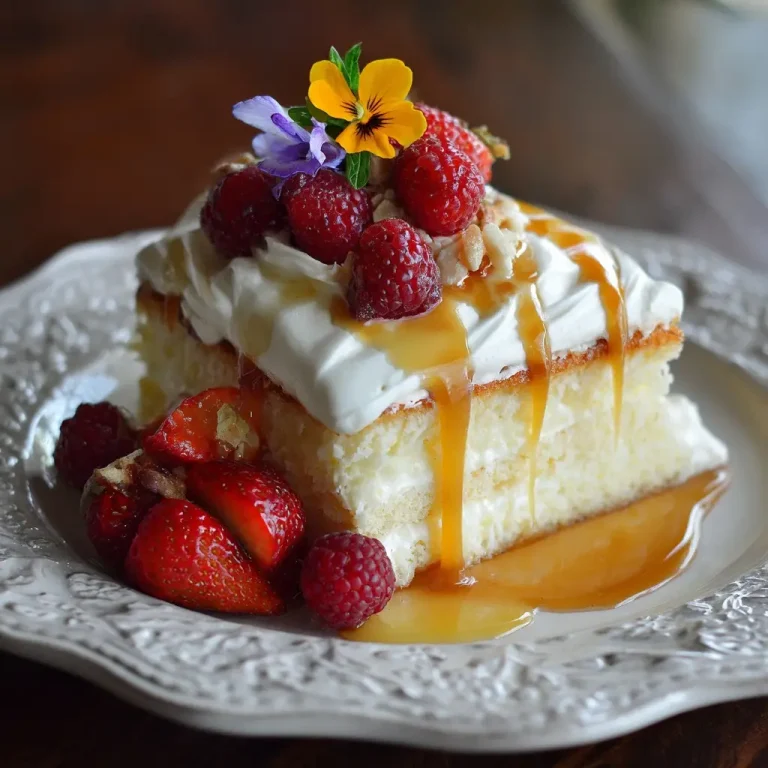
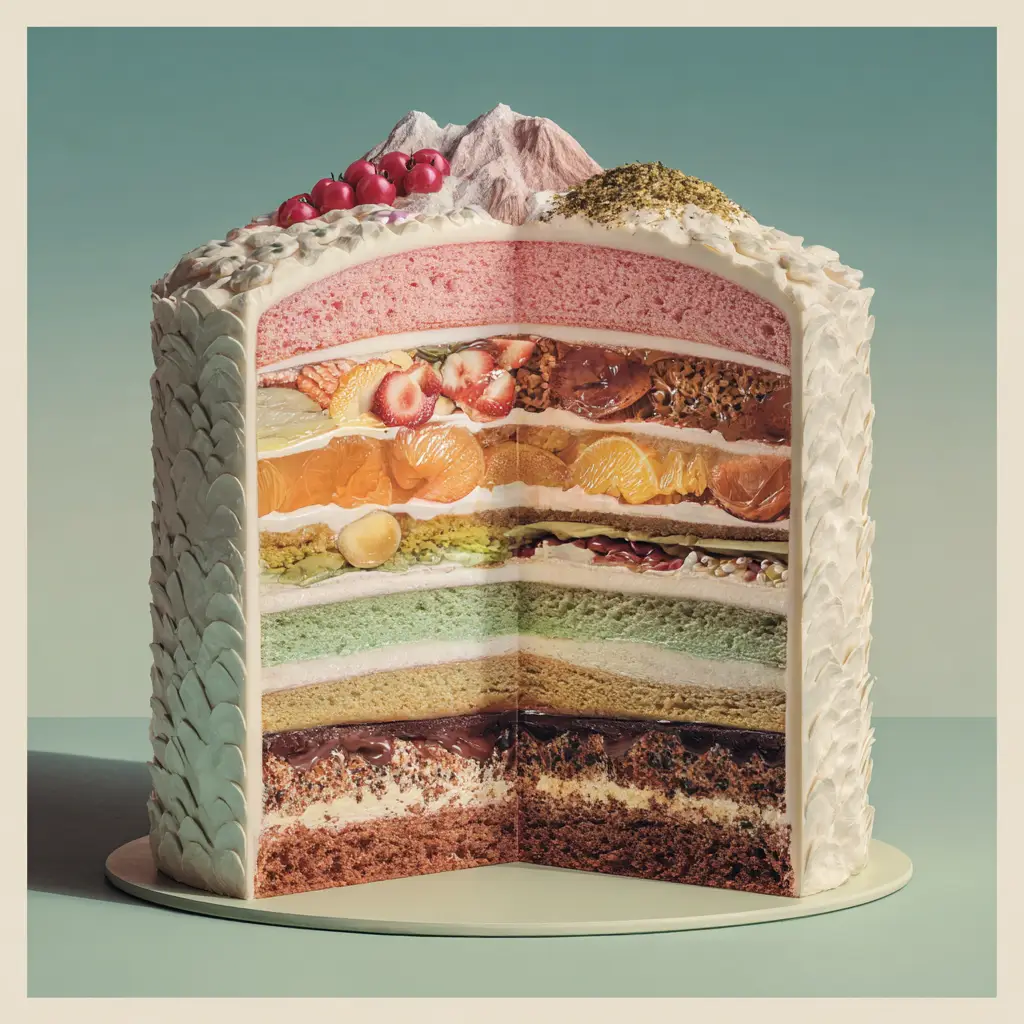
Layer cake holds a special place in kitchens around the world. Home bakers and professional pastry chefs admire it for its beauty and its ability to turn simple ingredients into a celebration on a plate.
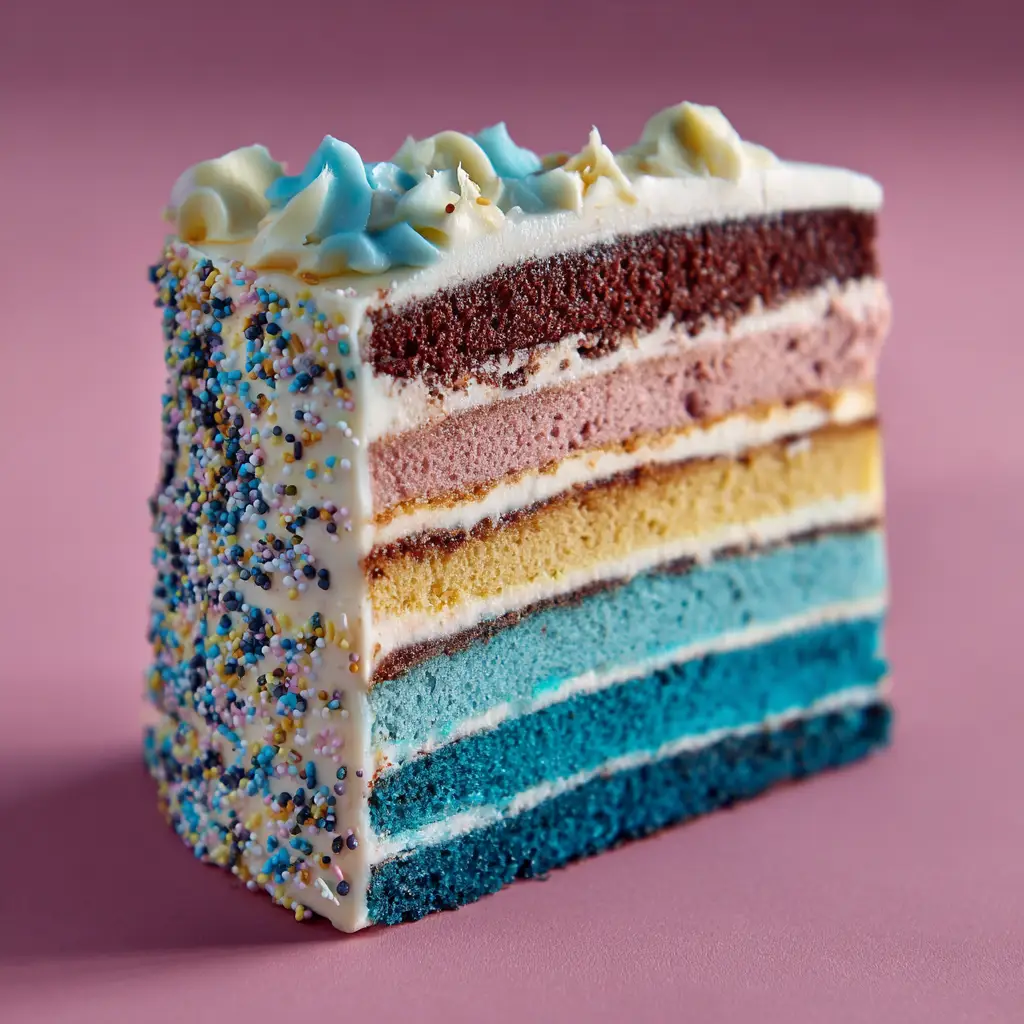
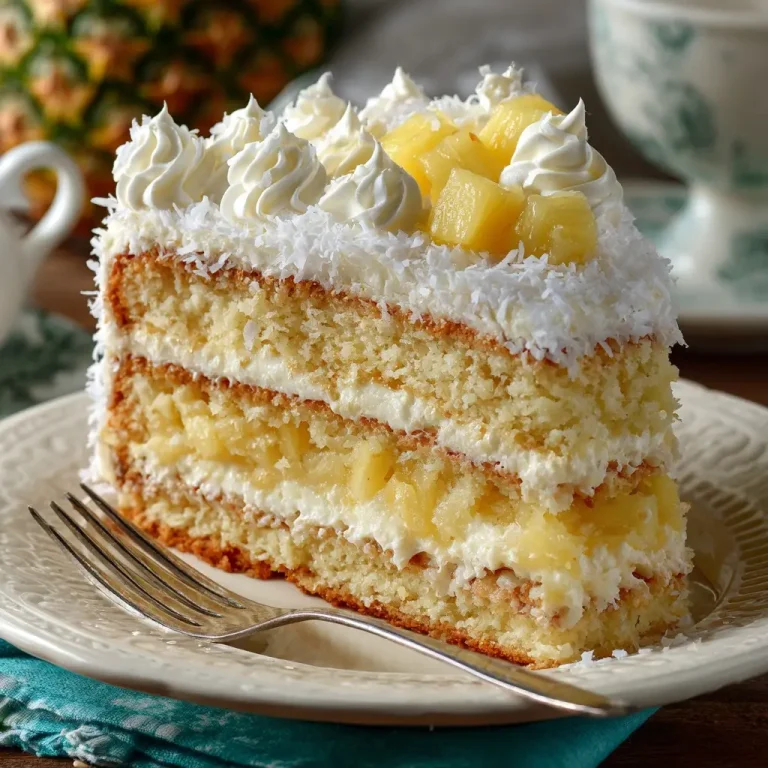
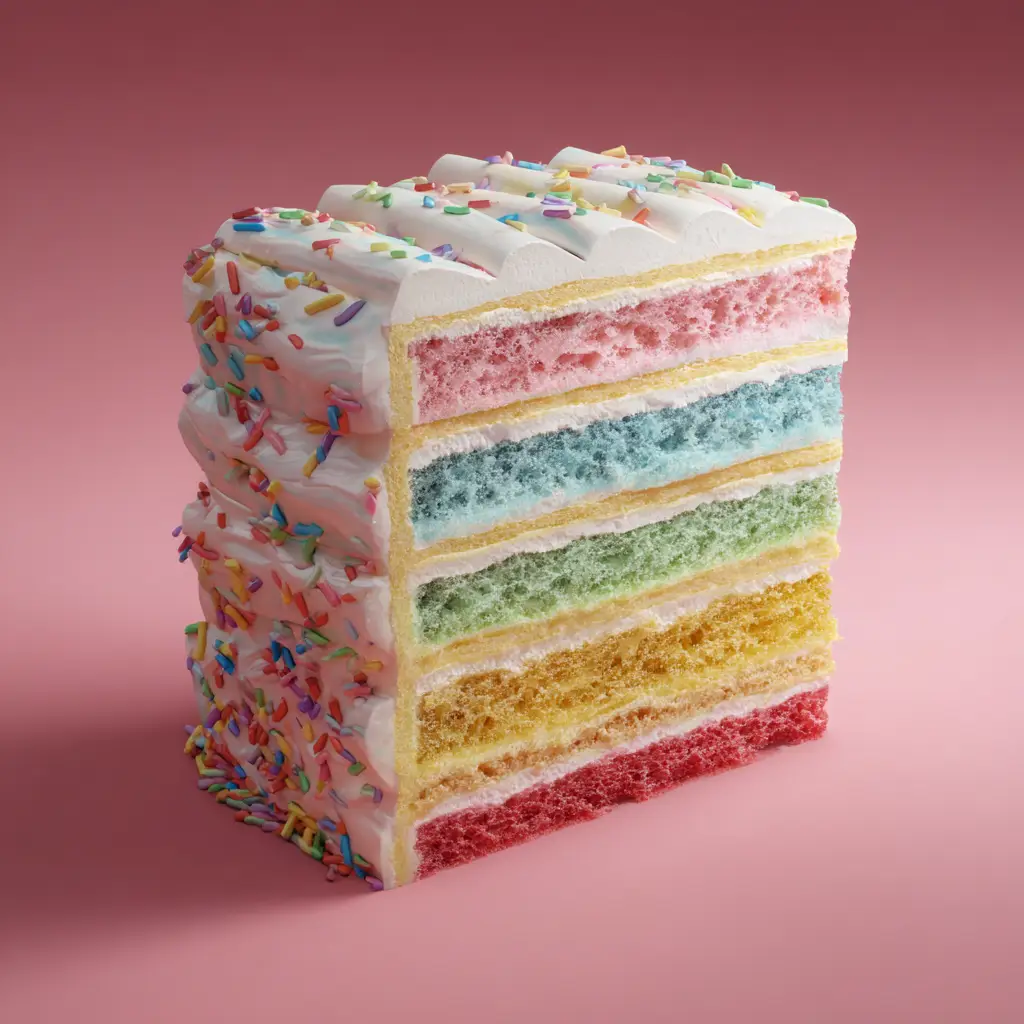
Each slice reveals soft cake layers stacked with care and filled with creamy goodness. The visual appeal alone creates excitement before the first bite even happens. Flavor, texture, and aroma work together to make layer cake a timeless dessert loved across generations.
Ingredients Needed
Quality ingredients make a noticeable difference in the final result. Fresh dairy, good flour, and pure flavorings create a cake that tastes rich and balanced. Accurate measurements matter as well. The table below lists standard ingredients for a classic vanilla layer cake along with approximate calorie counts.
| Ingredient | Quantity | Calories |
|---|---|---|
| All purpose flour | 3 cups | 1365 |
| Granulated sugar | 2 cups | 1548 |
| Unsalted butter | 1 cup | 1628 |
| Eggs | 4 large | 288 |
| Whole milk | 1 cup | 150 |
| Baking powder | 2 teaspoons | 10 |
| Vanilla extract | 2 teaspoons | 24 |
| Salt | 1 teaspoon | 0 |
Calorie values remain approximate and depend on brand and portion size. Frosting ingredients such as butter, powdered sugar, and cream add additional calories and should be considered when planning servings.
Step by Step Cooking Instructions
- Preheat the oven to 350 degrees Fahrenheit. Grease two round cake pans and line the bottoms with parchment paper. Proper preparation prevents sticking and ensures clean layers.
- Sift the flour, baking powder, and salt into a large bowl. Sifting aerates the dry ingredients and removes lumps. This step supports a light and tender crumb.
- In a separate bowl, cream the butter and sugar together until pale and fluffy. Use an electric mixer at medium speed. This process incorporates air and builds structure.
- Add the eggs one at a time. Beat well after each addition. Scrape the sides of the bowl to keep the mixture smooth and even.
- Pour in the vanilla extract and mix gently. The aroma becomes noticeable at this stage and adds depth to the batter.
- Add the dry ingredients in three portions. Alternate with the milk. Begin and end with dry ingredients. Mix on low speed to avoid overworking the batter.
- Divide the batter evenly between the prepared pans. Smooth the tops with a spatula to ensure even baking.
- Place the pans in the center of the oven. Bake for 25 to 30 minutes. The cakes are done when a toothpick inserted in the center comes out clean.Continue your cooking journey with Loaf Cake Recipes right after this.
- Remove the pans from the oven and let them cool for 10 minutes. Turn the cakes out onto a wire rack and allow them to cool completely.
- Prepare the frosting while the cakes cool. Classic buttercream works well for most layer cakes. Beat butter until creamy. Gradually add powdered sugar and a splash of milk. Beat until smooth and spreadable.
- Level the cake layers if needed. Use a serrated knife to trim any domed tops. Flat layers stack more evenly.
- Place one layer on a serving plate. Spread an even layer of frosting on top. Add the second layer and frost the top and sides.
- Smooth the frosting with an offset spatula. Decorate as desired with sprinkles, fruit, or piped designs.
Patience during cooling and frosting improves the final appearance. Rushing often leads to crumbs and uneven layers.
Tips for Customizing the Recipe
Customization allows each baker to make the recipe personal. Flavor variations create excitement and keep the recipe fresh over time. Simple changes produce impressive results.
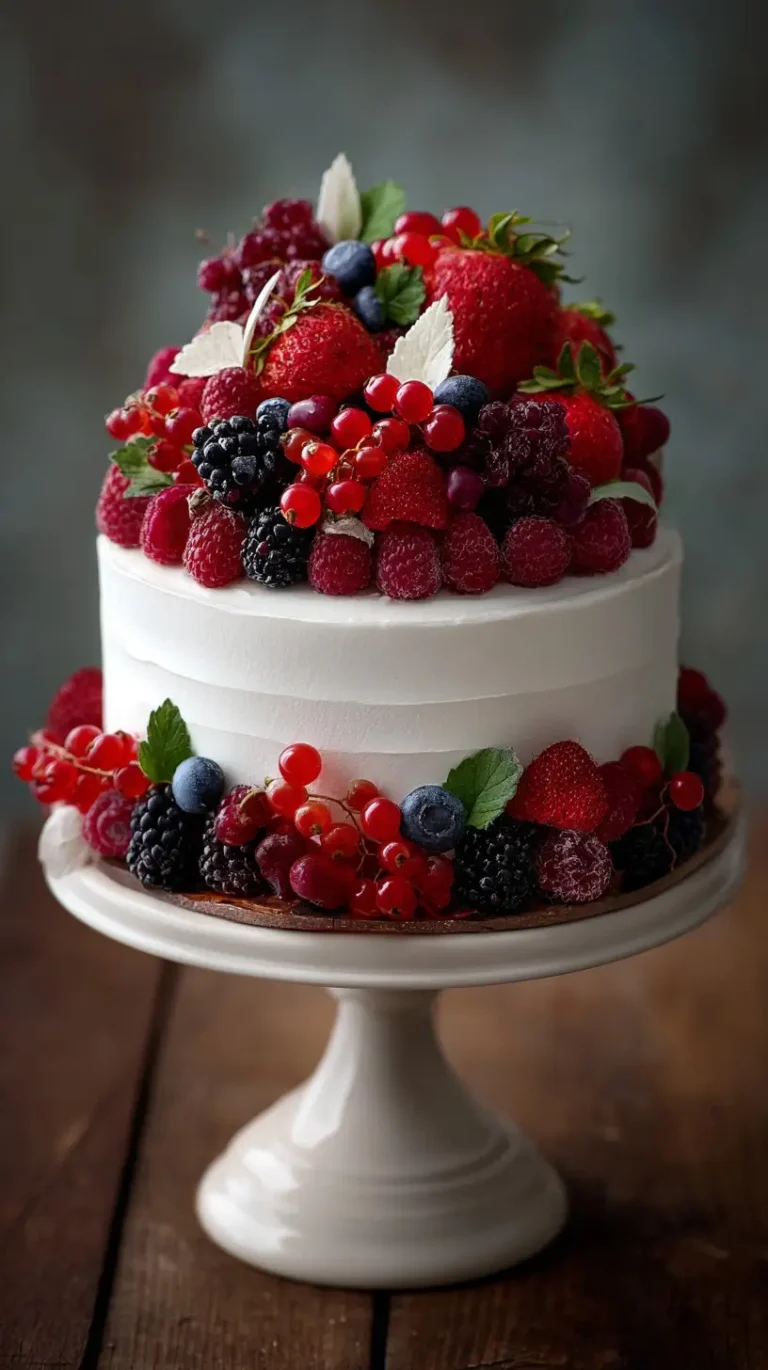
Fruit flavors work beautifully in layer cake. Add lemon zest to the batter for brightness. Fold mashed berries into the frosting for natural color and flavor. Use fresh fruit between layers for texture.
Chocolate lovers can replace part of the flour with cocoa powder. Melted chocolate added to the batter creates richness. Chocolate ganache works as a filling or glaze.
Spices add warmth and complexity. Cinnamon, nutmeg, and cardamom suit autumn celebrations. Almond or coconut extract changes the flavor profile without altering texture.
Dietary adjustments remain possible. Use plant based milk and dairy free butter for a dairy free version. Gluten free flour blends work well when measured carefully. Eggs can be replaced with applesauce or flax mixtures for vegan baking.
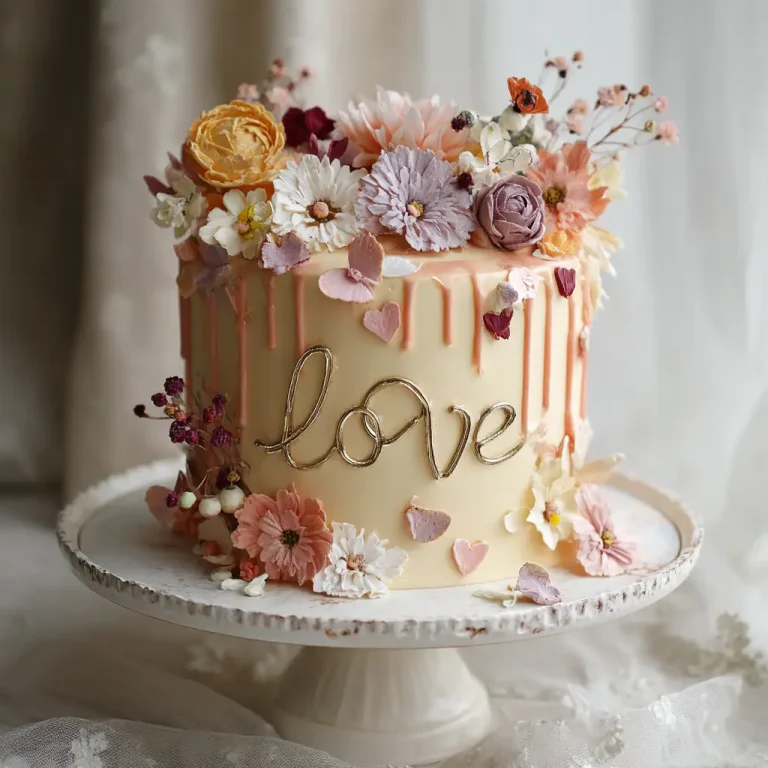
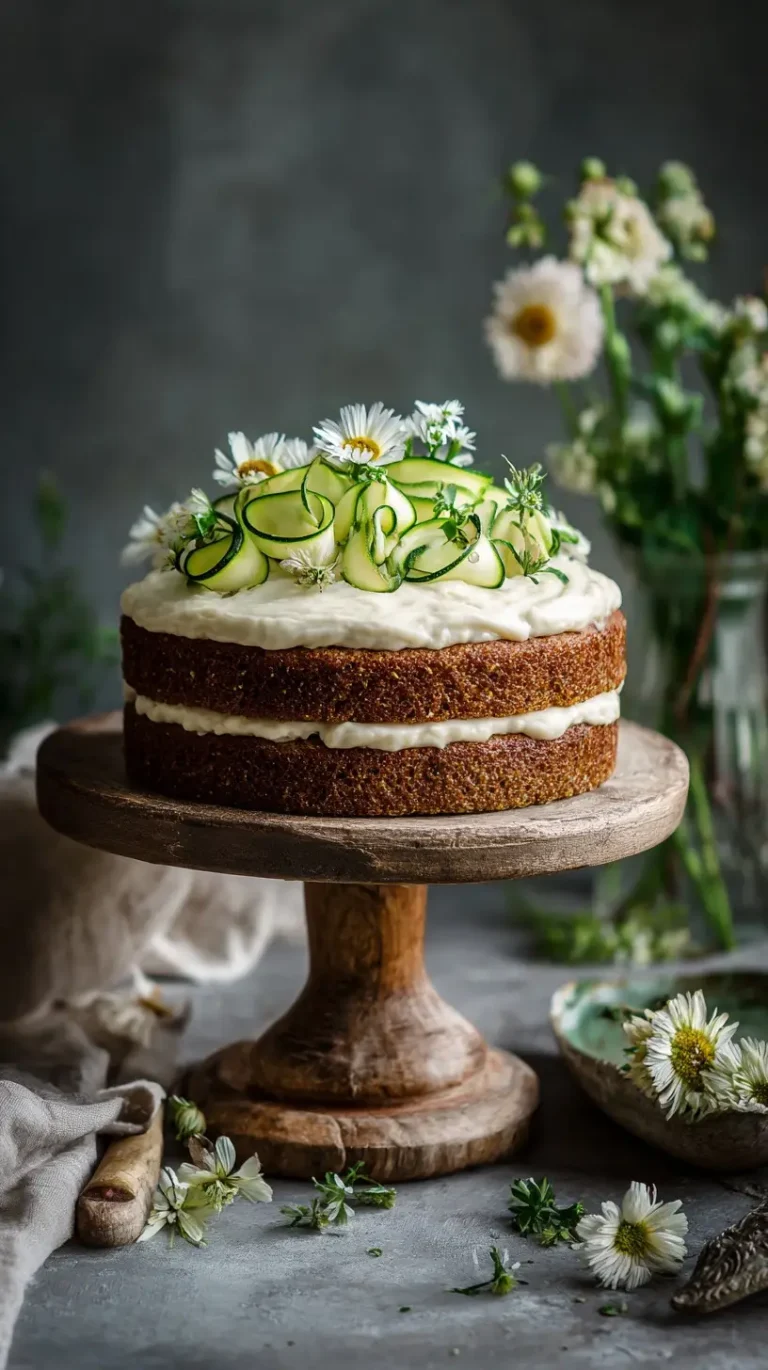
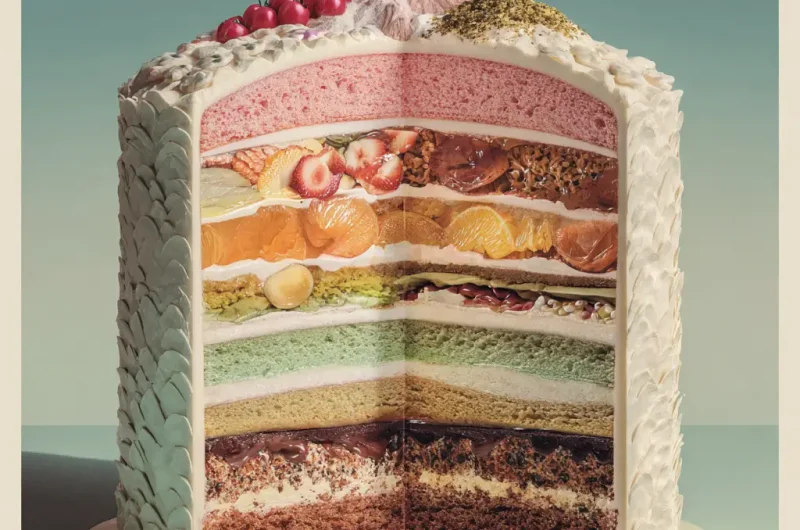
Presentation also invites creativity. Use different pan sizes to create taller cakes. Try naked cake styling with minimal frosting. Add edible flowers or toasted nuts for visual interest.
Nutritional Information
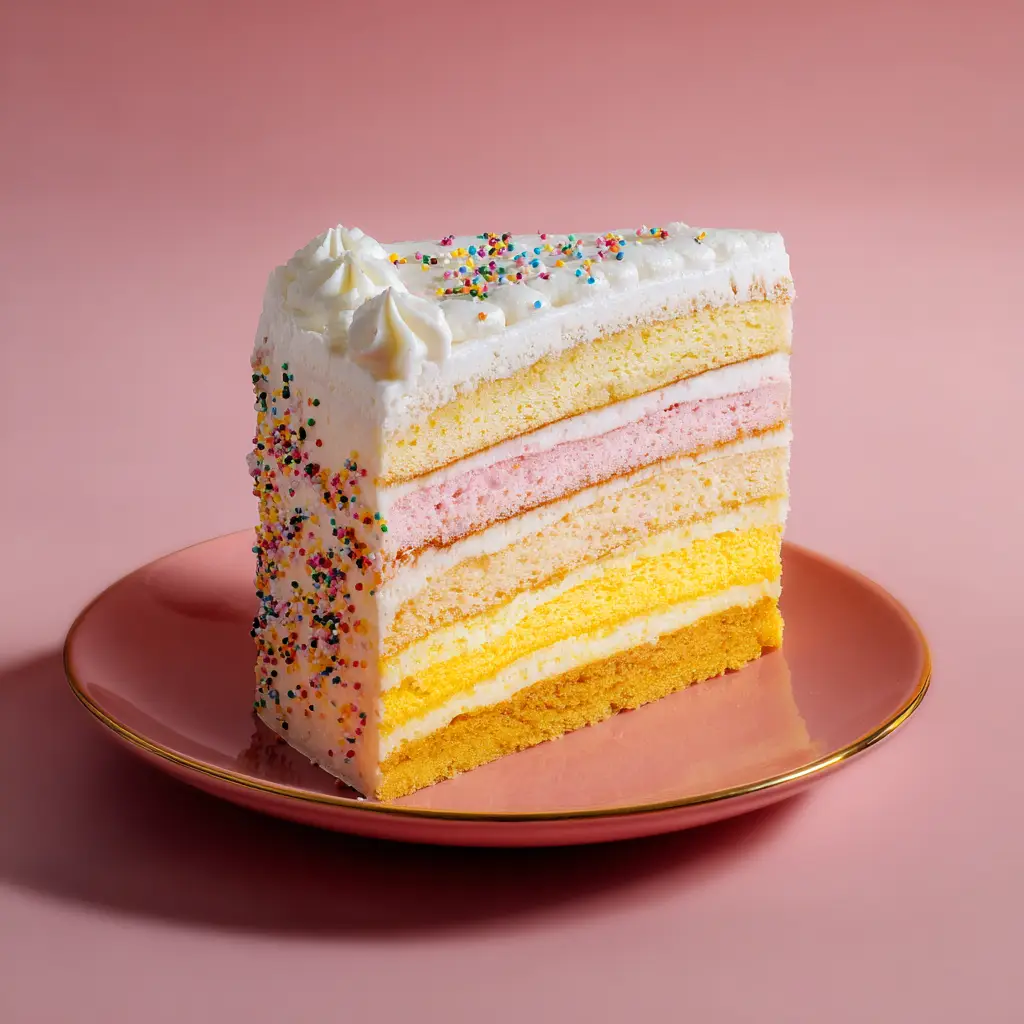
Layer cake offers comfort and indulgence. Nutritional values vary depending on portion size and frosting choice. A typical slice of vanilla layer cake with buttercream frosting contains approximately 400 to 500 calories.
Carbohydrates provide energy and come mainly from flour and sugar. Fats add richness and come from butter and eggs. Protein content remains moderate due to eggs and milk. Vitamins and minerals appear in small amounts, including calcium and iron.
Moderation matters when enjoying desserts. Pairing cake with fresh fruit balances sweetness and adds fiber. Smaller slices still deliver satisfaction due to the rich flavor.
Serving Suggestions
Layer cake shines as the centerpiece of any dessert table. Serve it at room temperature for best texture and flavor. Cold cake feels dense and less aromatic.
Pair slices with hot beverages like coffee or tea. The bitterness balances the sweetness. Milk remains a classic companion for children and adults alike.
For special occasions, add a scoop of vanilla ice cream on the side. Fresh berries or fruit coulis elevate the presentation. A light dusting of powdered sugar adds elegance.
Leftovers should be stored in an airtight container. Keep the cake at room temperature for up to two days or refrigerate for longer storage. Bring chilled cake back to room temperature before serving.
Layer Cake Recipe Guide Easy Homemade Baking Tips
Course: Blog8
servings20
minutes30
minutes450
kcalIngredients
All purpose flour 3 cups
Granulated sugar 2 cups
Unsalted butter 1 cup at room temperature
Eggs 4 large
Whole milk 1 cup
Baking powder 2 teaspoons
Vanilla extract 2 teaspoons
Salt 1 teaspoon
For frosting
Directions
- Preheat the oven to 350 degrees Fahrenheit. Grease two round cake pans and line the bottoms with parchment paper. Set them aside.
- In a large bowl sift together the flour baking powder and salt. This step helps make the cake light and soft.
- In another bowl beat the butter and sugar until creamy and pale in color. This may take three to four minutes using a mixer.
- Add the eggs one at a time. Mix well after each egg to keep the batter smooth.
Recipe Video
Notes
- Always allow the cake layers to cool fully before frosting to prevent melting. For extra flavor you can add fruit filling or chocolate frosting between the layers. Store leftover cake in an airtight container at room temperature for one day or refrigerate for longer freshness.
Frequently Asked Questions
What makes a layer cake moist and soft
Proper creaming of butter and sugar introduces air into the batter. Accurate measurements and avoiding overmixing also help retain moisture.
Can layer cake be baked in advance
Yes. Cake layers can be baked one day ahead and wrapped tightly. Frosting can be prepared separately and assembled later.
How do you prevent layers from sliding
Chilling the cake briefly after frosting helps set the layers. Using a thick frosting consistency also improves stability.
What frosting works best for beginners
Buttercream remains the easiest option. It spreads smoothly and holds its shape well.
How can crumbs be minimized during frosting
Apply a thin crumb coat first. Chill the cake, then add the final frosting layer.
Conclusion
Layer cake brings joy in a way few desserts can match. Each slice tells a story of care, creativity, and celebration. Baking one at home builds confidence and invites experimentation. Simple ingredients transform into something memorable through attention and patience. The process feels just as satisfying as the final bite. Sharing a homemade layer cake creates moments that linger long after the plates are cleared.