Kale Salad Recipe for Fresh Flavor and Everyday Nutrition
Fresh greens often define the heart of wholesome cooking, and kale salad stands tall among the most loved choices for people who care about flavor and wellness. This leafy dish carries a bold personality that feels rustic yet refined. Crisp texture meets earthy notes, while bright dressings lift every bite. Home cooks and professional chefs alike admire how kale salad adapts to many tastes and seasons, making it a timeless favorite in modern kitchens.
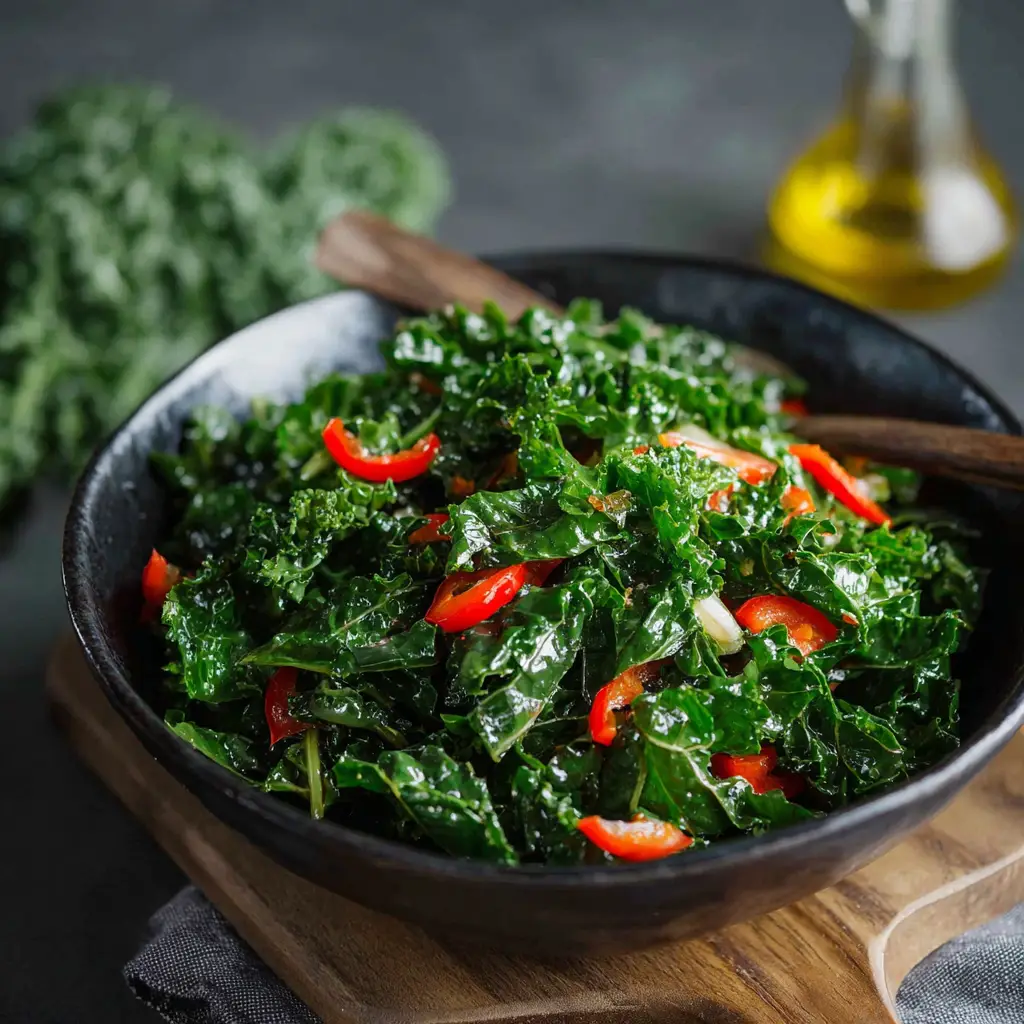
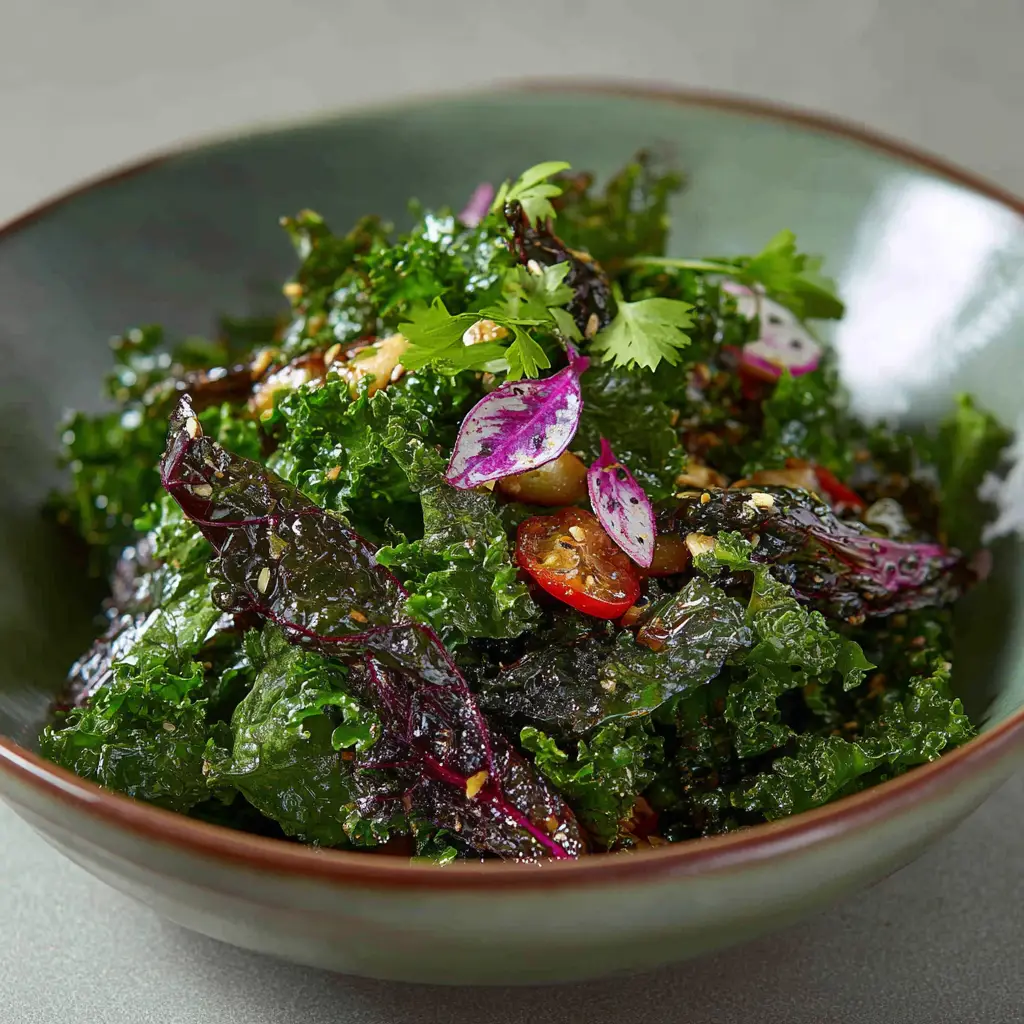
Kale salad offers more than a simple bowl of greens. Each leaf holds depth, strength, and character. Unlike delicate lettuces, kale remains firm even after dressing, allowing flavors to develop over time. That quality makes it ideal for meal prep, family gatherings, and nourishing lunches. The popularity of kale salad has grown thanks to its impressive nutritional profile and its ability to pair beautifully with fruits, nuts, grains, and proteins.
Food lovers searching for a healthy kale salad recipe often want something satisfying and easy. Kale salad answers that need with confidence. Preparation feels calming and creative. Chopping leaves, massaging them with dressing, and adding colorful toppings turn the process into an enjoyable ritual. The result feels hearty without being heavy and vibrant without being overwhelming.
Modern eating habits focus on balance. Kale salad fits perfectly into that lifestyle. It supports clean eating goals while still delivering comfort and taste. From simple lemon dressed versions to elaborate bowls filled with roasted vegetables, kale salad continues to inspire countless variations. Understanding its basics opens the door to endless possibilities and long term enjoyment.
Ingredients Needed
Choosing quality ingredients shapes the final taste of any kale salad recipe. Fresh organic kale delivers the best texture and color. Supporting ingredients should enhance rather than overpower the greens. Below is a clear table that outlines essential ingredients along with approximate calorie counts per serving. <table> <tr> <td>Ingredient</td> <td>Quantity</td> <td>Calories</td> </tr> <tr> <td>Fresh kale leaves</td> <td>4 cups chopped</td> <td>140</td> </tr> <tr> <td>Olive oil</td> <td>2 tablespoons</td> <td>240</td> </tr> <tr> <td>Fresh lemon juice</td> <td>2 tablespoons</td> <td>8</td> </tr> <tr> <td>Garlic cloves</td> <td>2 minced</td> <td>10</td> </tr> <tr> <td>Sea salt</td> <td>To taste</td> <td>0</td> </tr> <tr> <td>Black pepper</td> <td>To taste</td> <td>0</td> </tr> <tr> <td>Parmesan cheese</td> <td>1 quarter cup grated</td> <td>110</td> </tr> <tr> <td>Toasted nuts</td> <td>1 quarter cup</td> <td>200</td> </tr> </table>
Each ingredient plays a meaningful role. Kale forms the base. Olive oil softens the leaves. Lemon juice brightens the flavor. Garlic adds warmth. Cheese and nuts bring richness and crunch.
Step by Step Cooking Instructions
Preparation begins with proper handling of kale. Rinse the leaves under cool water. Pat them dry using a clean towel. Remove the thick stems, as they can feel tough when eaten raw.You’ll also want to try Lentil Salad for another tasty option. Chop the leaves into bite sized pieces that feel comfortable to chew.
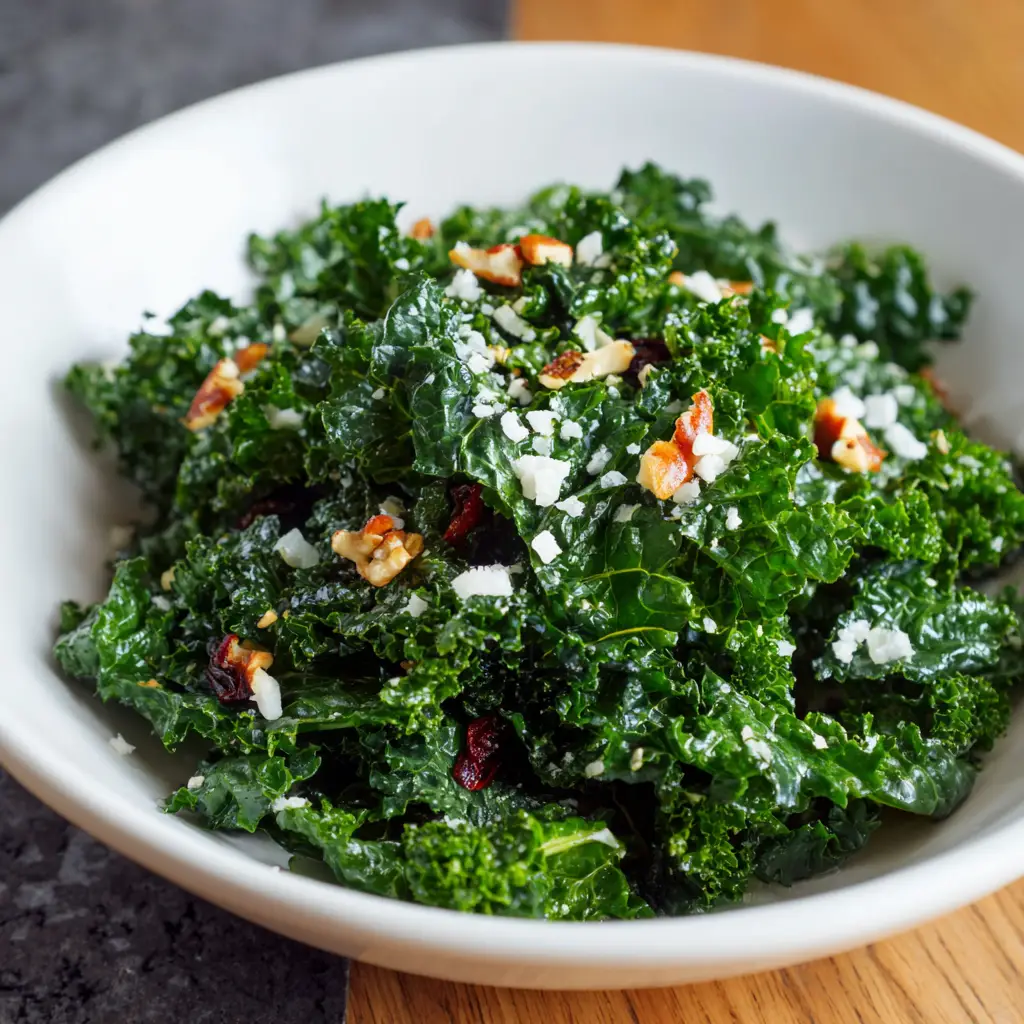
Place the chopped kale in a large bowl. Drizzle olive oil over the leaves. Add fresh lemon juice and minced garlic. Sprinkle sea salt lightly across the surface. Use clean hands to massage the kale gently. This step transforms the texture. Leaves darken in color and soften as the oil and acid break down their fibers. Continue massaging for two to three minutes until the kale feels tender.
Once the leaves are ready, add black pepper to taste. Toss the salad slowly to distribute seasoning evenly. Sprinkle grated Parmesan cheese over the greens. Fold it in gently so it coats the leaves without clumping.
Finish by adding toasted nuts. Almonds, walnuts, or pecans work well. Toasting enhances their aroma and crunch. Mix the salad once more. Taste and adjust seasoning if needed. More lemon can brighten. More salt can deepen flavor.
Allow the salad to rest for five minutes before serving. Resting helps flavors meld and improves overall balance. Serve fresh or store in the refrigerator for later enjoyment.
Tips for Customizing the Recipe
Creativity turns a basic kale salad into a personal masterpiece. Small changes can produce exciting results. Adding fresh fruit introduces sweetness. Apples, pears, or dried cranberries create contrast and visual appeal. Each bite feels layered and satisfying.
Protein options enhance fullness. Grilled chicken, chickpeas, or roasted tofu blend well with kale. These additions turn a side dish into a complete meal. Choose proteins that match your dietary goals and flavor preferences.
Cheese varieties change character. Feta offers tang. Goat cheese adds creaminess. Nutritional yeast provides a dairy free alternative with savory depth. Experimenting with cheese allows endless variations without much effort.
Dressing flavors also matter. Replace lemon with balsamic vinegar for a deeper tone. Add honey for gentle sweetness. Dijon mustard brings subtle heat. Always balance acid, fat, and salt for the best result.
Texture remains important. Seeds like sunflower or pumpkin seeds add crunch. Roasted vegetables such as sweet potatoes or squash add warmth and comfort. Mixing raw and cooked elements keeps the salad interesting and satisfying.
Nutritional Information
Kale salad earns praise for its nutritional value. Kale contains high levels of vitamins A, C, and K. These nutrients support immune health, skin vitality, and bone strength. Antioxidants present in kale help fight oxidative stress within the body.
Healthy fats from olive oil improve nutrient absorption. Fat soluble vitamins require oil for proper uptake. Nuts contribute protein, fiber, and beneficial fats that support heart health. Cheese adds calcium and protein while enhancing flavor.
This salad remains low in carbohydrates while offering fiber that aids digestion. Fiber promotes satiety and supports gut health. Regular consumption can help maintain balanced energy levels throughout the day.
Sodium levels stay moderate when seasoning remains controlled. Homemade preparation allows full control over salt and fat content. That flexibility makes kale salad suitable for many dietary plans including vegetarian lifestyles and clean eating routines.
Serving Suggestions
Kale salad fits seamlessly into many meals. Serve it alongside grilled fish or roasted chicken for a balanced dinner. It pairs well with pasta dishes by adding freshness and crunch. During warmer months, it shines as a light lunch on its own.
For gatherings, kale salad works beautifully as a make ahead dish. Its sturdy leaves prevent wilting, even after dressing. Guests enjoy its vibrant color and bold flavor. Presentation improves when served in wide bowls with visible toppings.
Lunch meal prep benefits greatly from kale salad. Portion it into containers and store in the refrigerator. Flavors deepen over time, making each serving more enjoyable. Add fresh toppings just before eating for best texture.
Kale Salad Recipe for Fresh Flavor and Everyday Nutrition
Course: Salad recipes4
servings15
minutes175
kcalIngredients
Fresh kale leaves 4 cups chopped
Olive oil 2 tablespoons
Fresh lemon juice 2 tablespoons
Garlic 2 cloves minced
Salt to taste
Black pepper to taste
Parmesan cheese one quarter cup grated
Toasted nuts one quarter cup
Optional air fryer squash cubes one half cup
Directions
- Wash the kale leaves thoroughly and dry them well. Remove the thick stems and chop the leaves into bite sized pieces. Place the kale into a large mixing bowl.
- Add olive oil and lemon juice to the bowl. Sprinkle in the minced garlic, salt, and black pepper. Using clean hands, gently massage the kale for two to three minutes until the leaves become softer and darker in color.
- Add the grated Parmesan cheese and toasted nuts. Toss everything gently until well combined.
- If using air fryer squash, prepare it separately and allow it to cool slightly. Add it to the salad just before serving and mix lightly.
- Taste the salad and adjust seasoning if needed. Serve fresh or refrigerate for later use.
Recipe Video
Notes
- This kale salad pairs very well with air fryer squash for added warmth and texture. Simply cube squash, lightly coat with olive oil and salt, and cook in an air fryer until tender and golden. Let it cool slightly before adding to the salad to keep the kale fresh and crisp.
Frequently Asked Questions
Can kale salad be made ahead of time
Yes. Kale salad improves with time. Dressing softens the leaves and enhances flavor. Prepare it several hours ahead or even the night before serving.
How do you remove bitterness from kale
Massaging kale with oil and acid reduces bitterness. Adding a touch of sweetness from fruit or honey also balances flavor naturally.
Which type of kale works best for salad
Lacinato kale offers a tender texture and mild taste. Curly kale provides more crunch and visual appeal. Both work well when properly prepared.
Is kale salad good for weight management
Kale salad supports weight goals due to its fiber content and low calorie density. Balanced toppings keep it satisfying without excess calories.
Can kale salad be eaten daily
Daily consumption fits well into a healthy diet. Variety remains important, so rotating ingredients keeps meals interesting and nutritionally balanced.
Conclusion
Warm kitchens and thoughtful cooking often lead to the most memorable meals. Kale salad reflects that idea with honesty and simplicity. Each bowl tells a story of care, balance, and nourishment. Flavors develop slowly. Textures remain satisfying. Colors invite enjoyment.
Home cooks find confidence in recipes that adapt easily. Kale salad encourages exploration without pressure. It supports health while honoring taste. Serving it feels generous and grounding.
Sharing kale salad with friends or family creates moments of connection. Simple ingredients become something special when prepared with intention. That spirit keeps kale salad relevant year after year and ensures its place at tables everywhere.