Juicy Chicken Breast Recipe That Stays Tender and Flavorful
Juicy chicken breast remains one of the most searched and cooked protein options in home kitchens around the world.
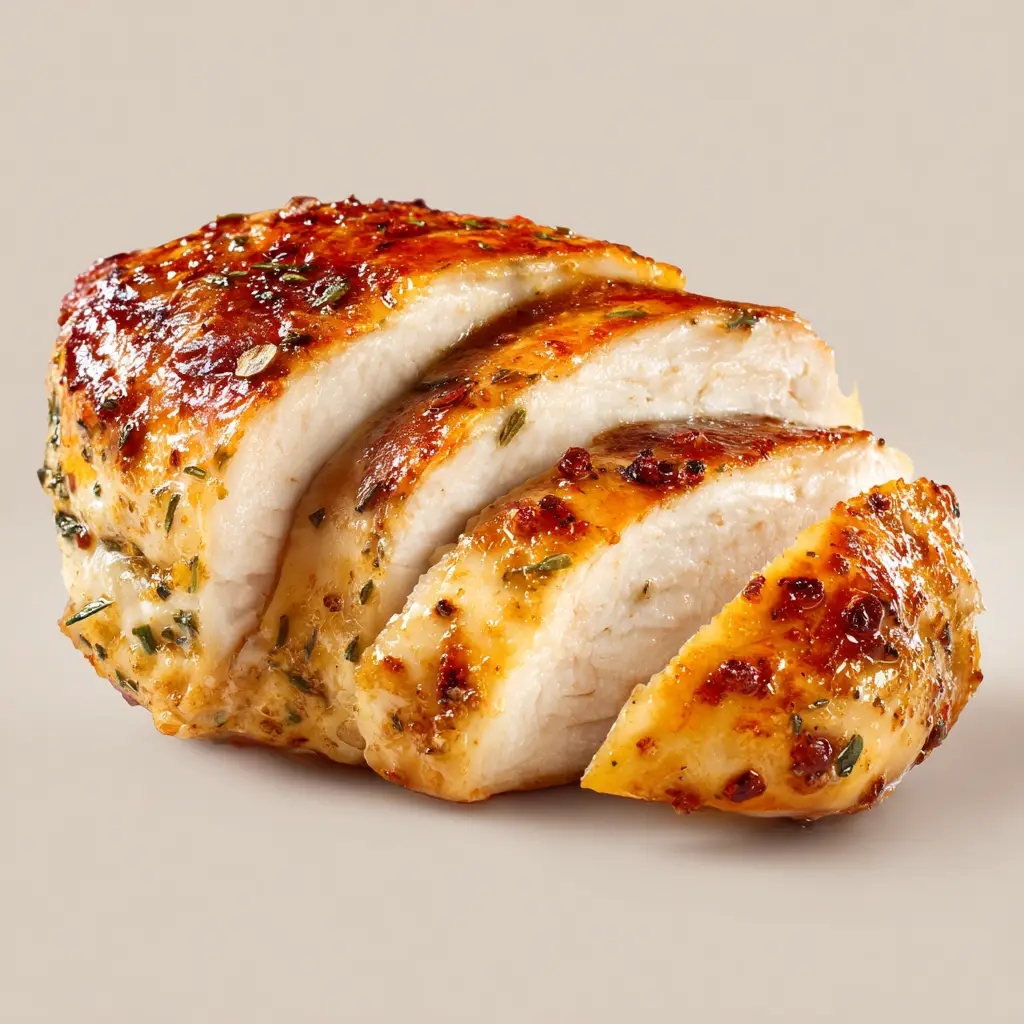
Home cooks often struggle with dry texture, bland flavor, or uneven cooking. A perfectly juicy chicken breast feels tender with every bite, carries deep flavor, and works well for weeknight dinners, meal prep, or special gatherings. Mastering this dish builds confidence in the kitchen and opens doors to countless recipe variations.
Ingredients Needed
Fresh ingredients create the foundation of a juicy chicken breast recipe. Quality chicken and balanced seasoning enhance flavor without overpowering natural taste. The table below lists essential ingredients along with approximate calorie values per serving.
| Ingredient | Quantity | Calories |
|---|---|---|
| Boneless skinless chicken breast | 2 pieces | 280 |
| Olive oil | 1 tablespoon | 120 |
| Garlic cloves minced | 2 | 8 |
| Salt | 1 teaspoon | 0 |
| Black pepper | half teaspoon | 3 |
| Paprika | 1 teaspoon | 6 |
| Dried oregano | half teaspoon | 3 |
| Fresh lemon juice | 1 tablespoon | 4 |
| Butter optional | 1 tablespoon | 100 |
Calorie counts may vary depending on portion size and ingredient brands. Ingredients listed support both flavor and moisture retention during cooking.
Step by Step Cooking Instructions
Start by removing the chicken breast from the refrigerator about fifteen minutes before cooking. Room temperature meat cooks more evenly and reduces the risk of dryness. Pat each piece dry with paper towels. Moisture on the surface prevents proper browning.
Place the chicken breasts on a clean cutting board. If thickness appears uneven, gently pound the thicker side using a kitchen mallet or the back of a pan. Aim for uniform thickness to promote even cooking throughout the meat.
Combine olive oil, garlic, salt, black pepper, paprika, oregano, and lemon juice in a small bowl. Stir well until the mixture forms a loose paste. Rub the seasoning generously over both sides of each chicken breast. Allow the chicken to rest for ten minutes. This short marination enhances flavor and begins tenderizing the meat.
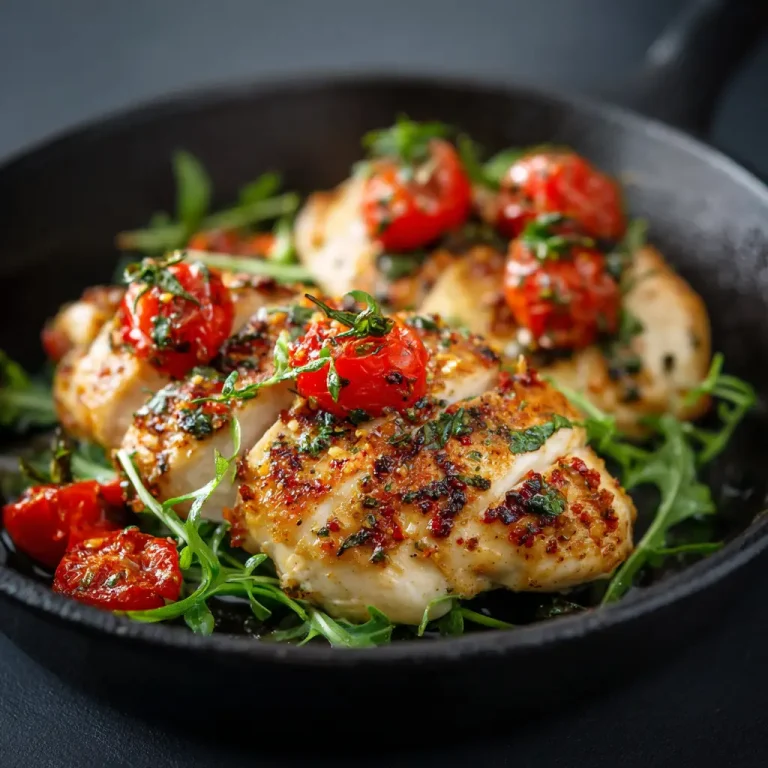
Heat a heavy skillet over medium heat. Cast iron works especially well for retaining heat. Add a small amount of olive oil and allow it to warm until it shimmers slightly. Place the chicken breasts into the pan carefully. Avoid overcrowding to maintain proper heat.
Cook the first side for about six minutes without moving the chicken. A golden crust should form. Flip the chicken using tongs and cook the second side for another five to seven minutes. Internal temperature should reach 165 degrees Fahrenheit at the thickest part.
Add butter to the pan during the last minute if desired. Spoon melted butter over the chicken repeatedly. This technique adds richness and locks in moisture.
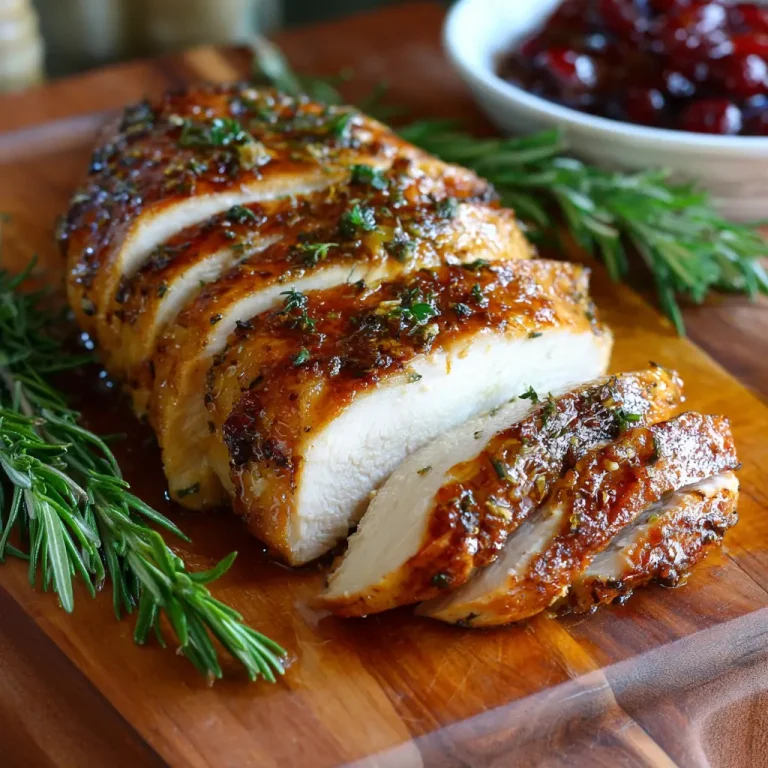
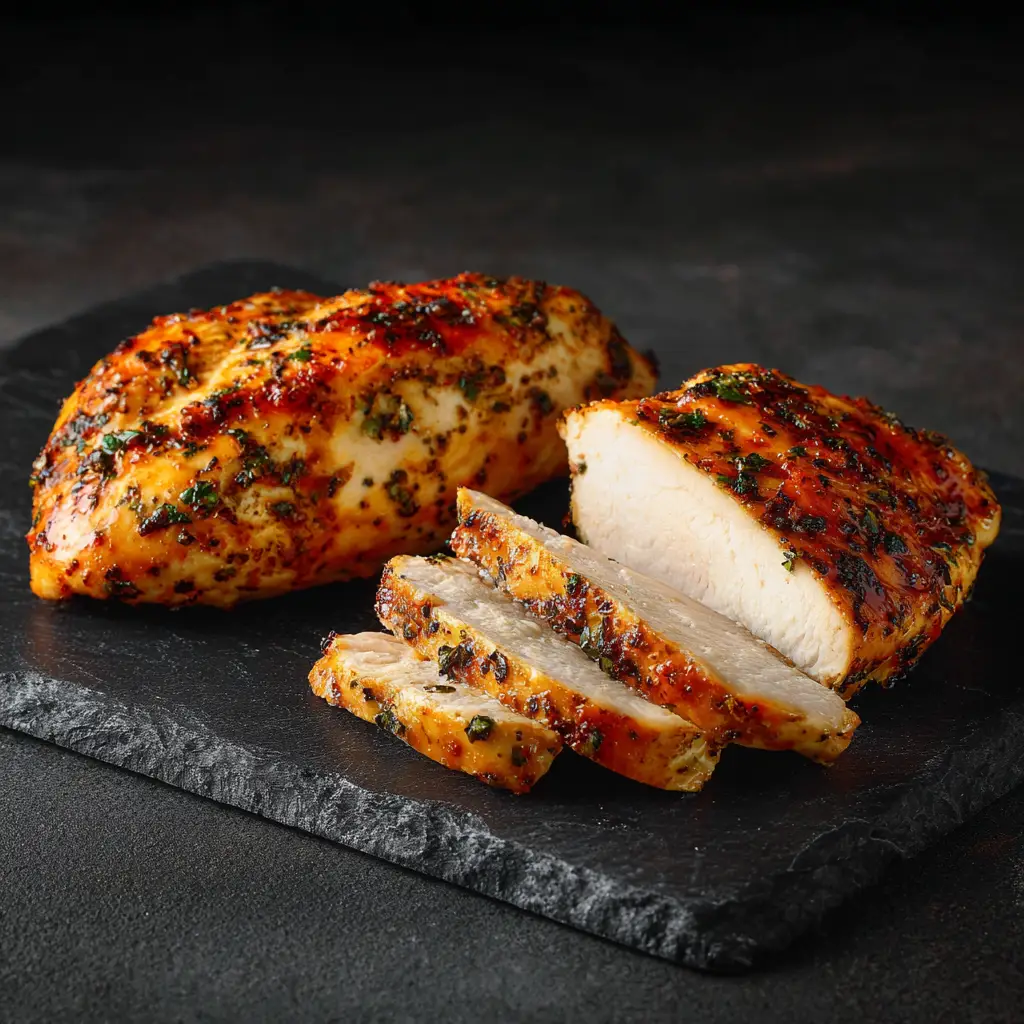
Remove the chicken from the pan and place it on a clean plate. Cover loosely with foil and let it rest for five minutes. Resting allows juices to redistribute throughout the meat. Cutting too soon causes juices to escape and leads to dryness.
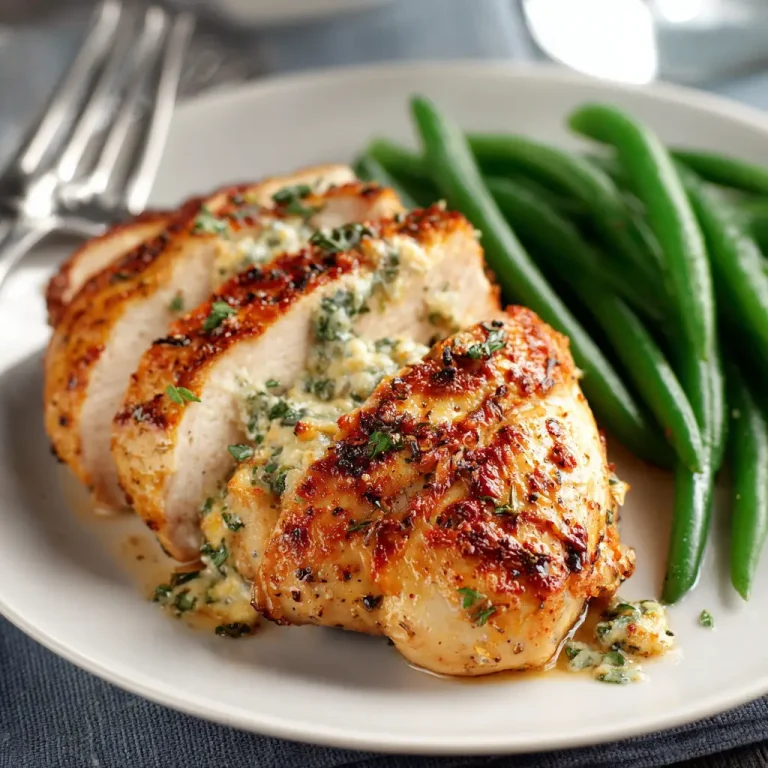
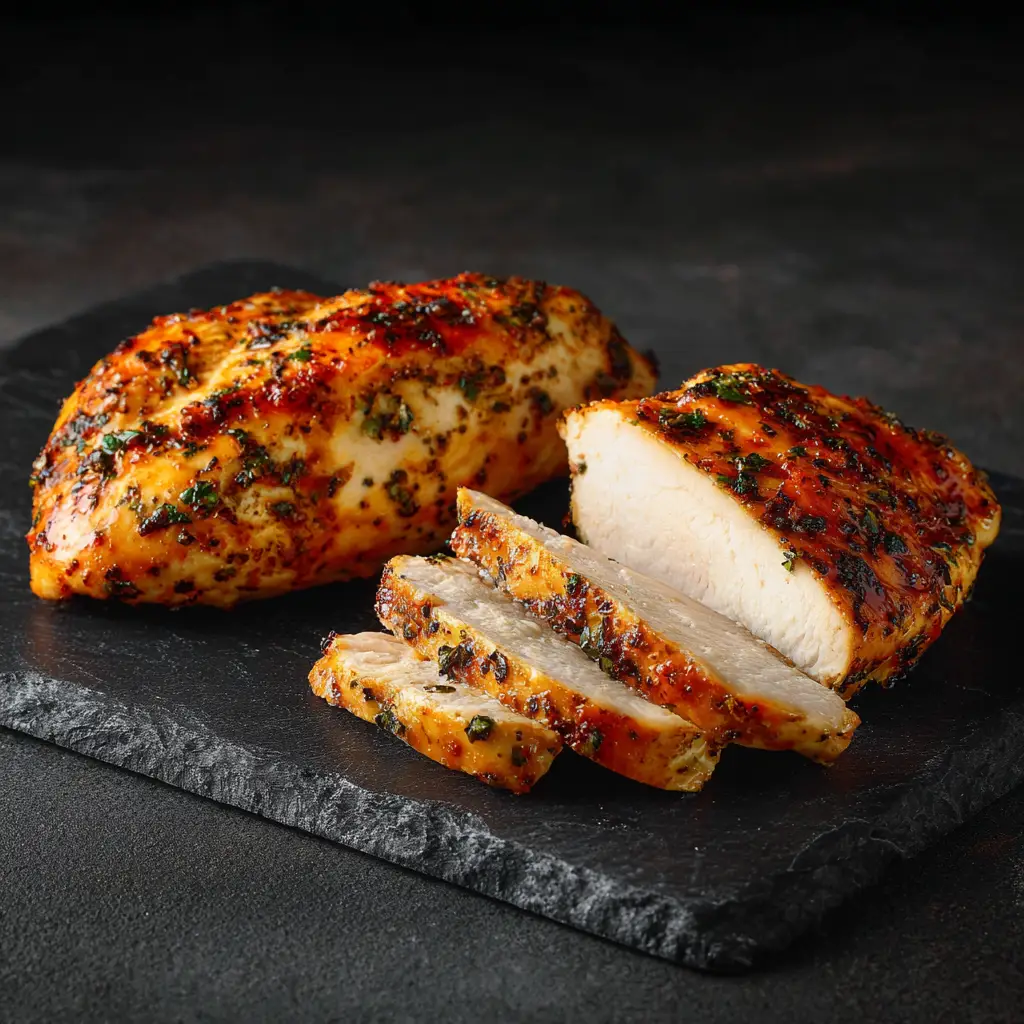
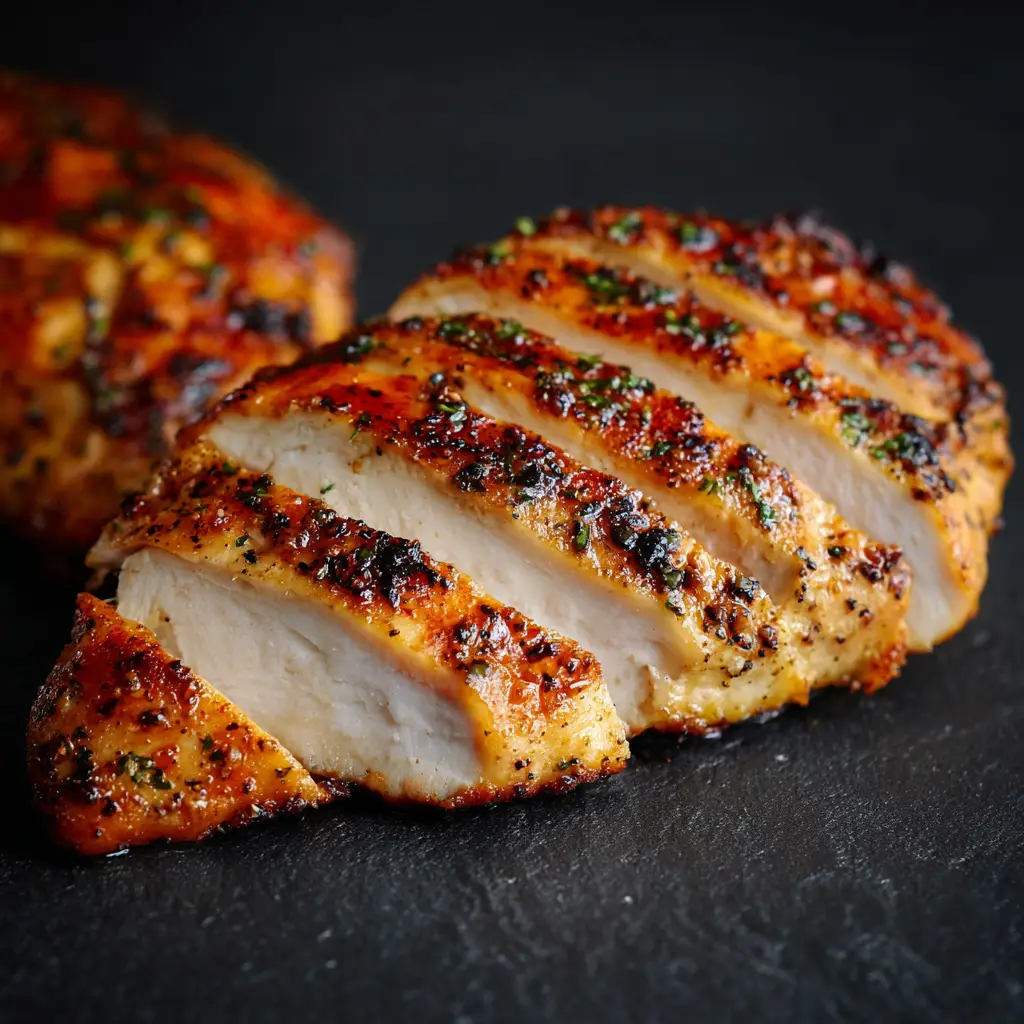
Slice against the grain and serve warm. Each bite should feel tender and flavorful.
Tips for Customizing the Recipe
Personal preferences shape the best juicy chicken breast recipe. Adjusting spices creates new flavor profiles without changing the cooking method. Smoked paprika adds depth while chili powder brings gentle heat. Italian seasoning blends work well for Mediterranean inspired meals.
Marinades offer another layer of customization. Yogurt based marinades tenderize the meat and add subtle tang. Citrus marinades brighten flavor and complement grilled versions. Always limit marination time to avoid mushy texture.
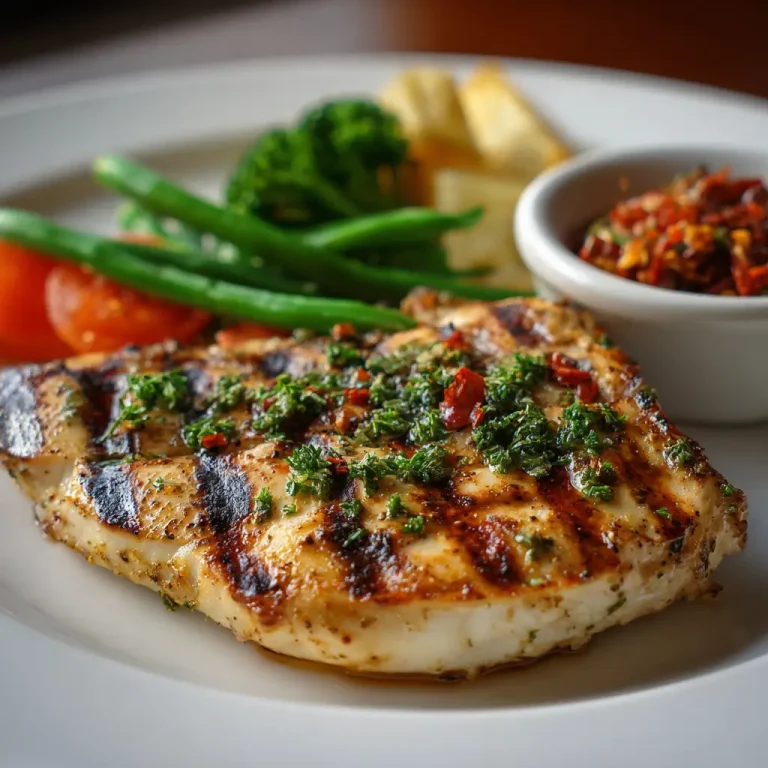
Cooking methods also allow variation. Oven baking suits meal prep and larger batches. Preheat the oven to 400 degrees Fahrenheit. Sear the chicken briefly on the stove then finish cooking in the oven for about twelve minutes. Grilling adds smoky flavor and works well during warmer months.
Thickness matters more than size. Larger breasts cook evenly when flattened. Smaller breasts cook quickly and require close attention. Use a thermometer for accuracy rather than relying on time alone.
Season generously but thoughtfully. Salt enhances moisture retention by helping proteins hold onto water. Apply salt before cooking rather than after for best results.
Nutritional Information
Juicy chicken breast provides high quality protein with relatively low fat content. A typical serving contains around thirty grams of protein which supports muscle repair and growth. Lean protein helps maintain satiety and supports balanced eating patterns.
Chicken breast contains essential vitamins such as B six and niacin. These nutrients support energy metabolism and nervous system health. Selenium found in chicken contributes to immune function and thyroid health.
Using olive oil introduces healthy monounsaturated fats. Butter adds saturated fat so moderation remains important. Choosing herbs and spices instead of heavy sauces keeps calorie count reasonable.
This dish fits well into many dietary approaches including high protein plans and balanced family meals. Portion control and mindful ingredient selection allow flexibility without sacrificing nutrition.
Serving Suggestions
Juicy chicken breast pairs beautifully with a wide range of side dishes. Roasted vegetables such as carrots, broccoli, or zucchini complement the savory flavor. Steamed rice or quinoa adds heartiness without overpowering the chicken.
Fresh salads provide contrast and brightness. A simple green salad with vinaigrette balances richness from butter or oil. Mashed potatoes or sweet potatoes create comfort food appeal for family dinners.
Slice the chicken and use it in wraps, sandwiches, or grain bowls. Leftovers work well for meal prep and maintain moisture when stored properly. Keep cooked chicken in an airtight container in the refrigerator for up to three days.
Sauces enhance presentation and flavor. Light pan sauces made from chicken drippings and broth add moisture. Yogurt based sauces or herb dressings bring freshness.
Juicy Chicken Breast Recipe That Stays Tender and Flavorful
Course: Blog2
servings15
minutes15
minutes350
kcalIngredients
2 boneless skinless chicken breasts
1 tablespoon olive oil
2 garlic cloves minced
1 teaspoon salt
Half teaspoon black pepper
1 teaspoon paprika
Half teaspoon dried oregano
Directions
- Remove chicken breasts from the refrigerator and let them rest at room temperature for about fifteen minutes. This helps them cook evenly.
- Pat the chicken dry using paper towels. If the pieces are thick on one side, gently pound them until even in thickness.
- In a small bowl mix olive oil, garlic, salt, black pepper, paprika, oregano, and lemon juice. Stir well.
- Rub the seasoning mixture evenly over both sides of the chicken breasts. Let them rest for ten minutes.
- Heat a heavy skillet over medium heat and add a little olive oil.
Recipe Video
Notes
- Always use a meat thermometer if possible. The chicken is fully cooked when the internal temperature reaches 165 degrees Fahrenheit. Resting the chicken after cooking is very important because it keeps the juices inside and prevents dryness. Avoid overcooking as chicken breast can dry out quickly.
Frequently Asked Questions
How do I keep chicken breast from drying out
Even thickness, proper seasoning, and accurate temperature control prevent dryness. Resting the meat after cooking plays a major role in keeping juices inside.
Should chicken breast be marinated
Marinating improves flavor and tenderness but is not required. A short seasoning rest works well for simple recipes.
Can I bake chicken breast instead of pan cooking
Baking works well when combined with a quick sear. Use a thermometer to avoid overcooking.
What temperature should chicken breast reach
Chicken breast should reach an internal temperature of 165 degrees Fahrenheit to ensure safety and juiciness.
How long should cooked chicken rest
Five minutes of resting time allows juices to redistribute evenly throughout the meat.
Conclusion
Cooking a juicy chicken breast at home feels rewarding and achievable with the right approach. Attention to detail transforms simple ingredients into a flavorful and nourishing meal. Each step builds toward tenderness and taste that satisfy both casual diners and seasoned cooks.