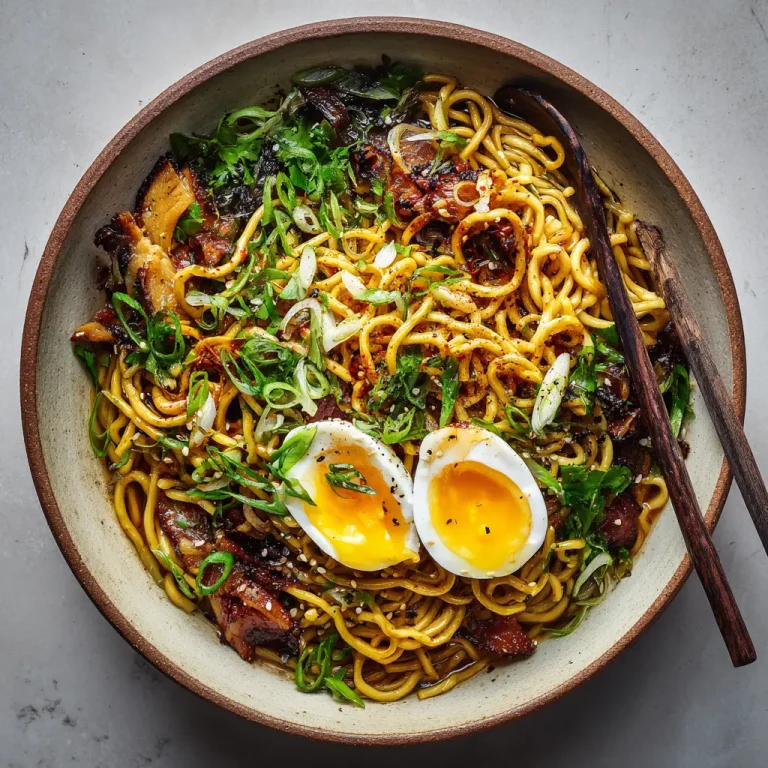
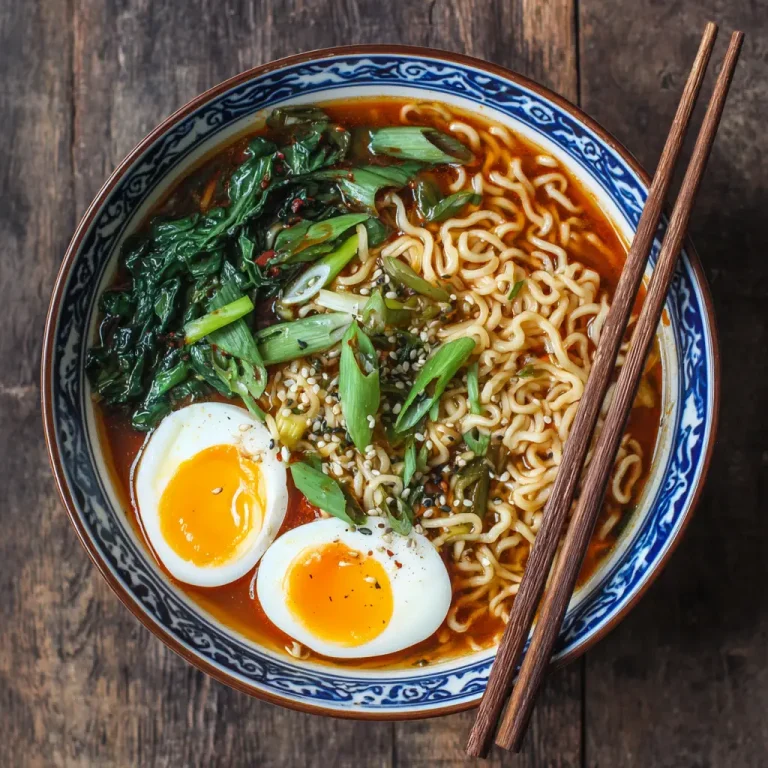
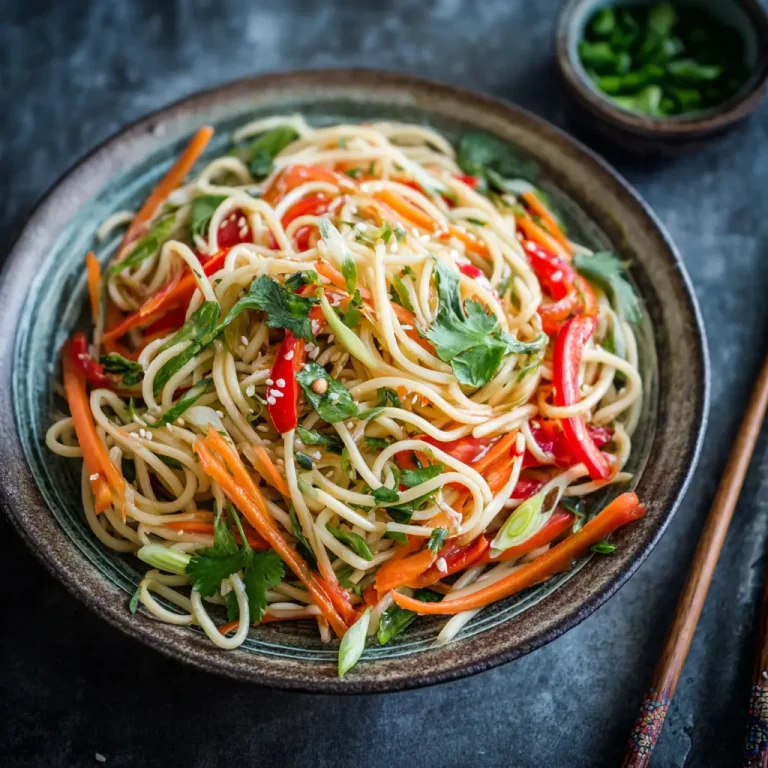
Homemade Ramen Noodles Easy Authentic Recipe for Fresh Flavor
Homemade ramen noodles have earned a special place in kitchens around the world. Comfort food lovers appreciate the warmth and depth of flavor that comes from a fresh bowl prepared at home.
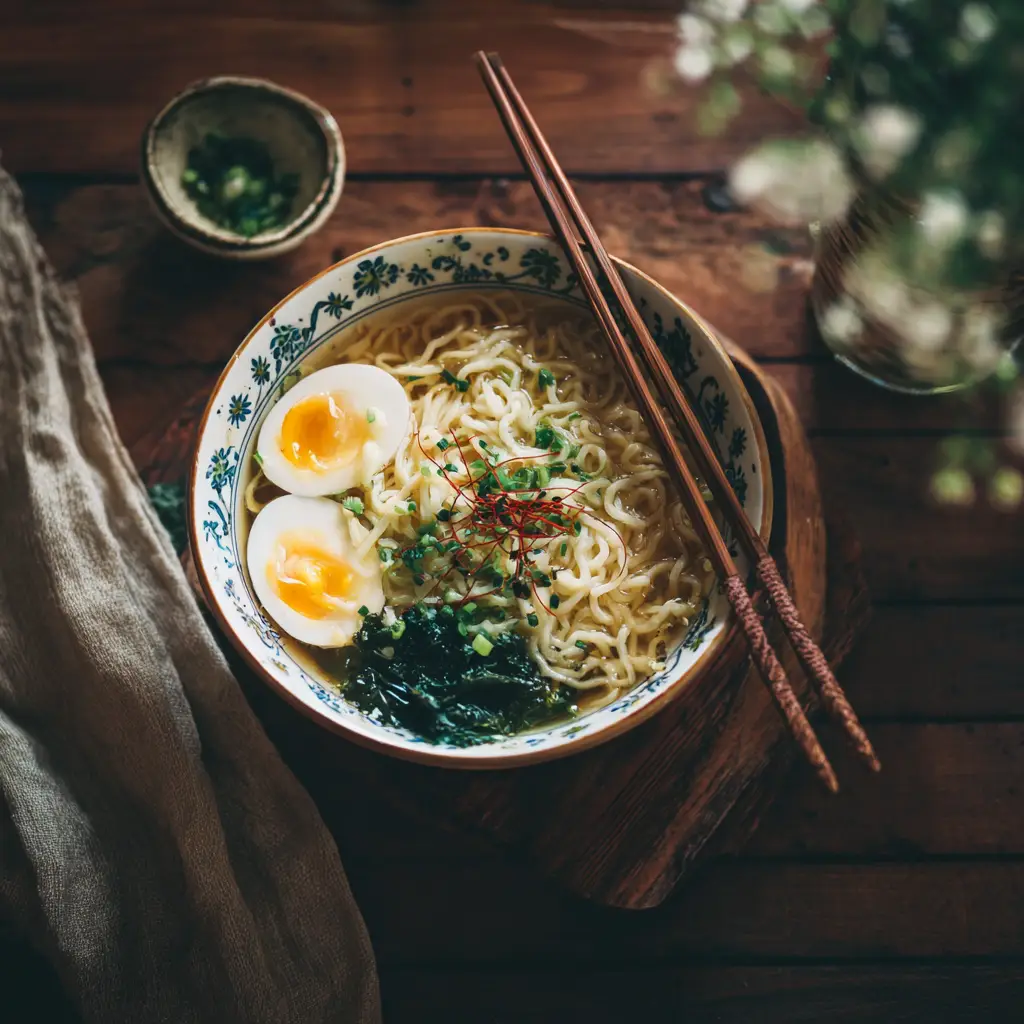
Store bought packets often lack personality and freshness. Making noodles from scratch allows full control over texture taste and nutrition. A bowl of ramen becomes more than a meal. It becomes a creative experience that connects tradition with modern cooking habits.
This guide explores everything needed to create homemade ramen noodles successfully. Ingredients cooking instructions customization tips nutrition serving ideas and common questions receive detailed attention. Every section focuses on clarity and warmth. Readers of all skill levels can follow along with ease.
Ingredients Needed
Creating homemade ramen noodles requires simple pantry staples. Ingredient quality influences final texture and taste. High protein flour works best. Water temperature matters. Salt adds strength to the dough. Optional alkaline agents provide that classic ramen bite.
The table below outlines essential ingredients along with approximate calorie values per serving.
| Ingredient | Quantity | Approximate Calories |
|---|---|---|
| All purpose flour | 2 cups | 910 |
| Water | 3 4 cup | 0 |
| Salt | 1 teaspoon | 0 |
| Baking soda | 1 teaspoon | 0 |
| Cornstarch for dusting | 2 tablespoons | 60 |
Calorie values vary depending on brand and portion size. The focus remains on balance and satisfaction rather than strict counting.
Step by Step Cooking Instructions
The process of making homemade ramen noodles feels rewarding and calming. Each stage builds flavor and structure. Patience improves results.
Start by preparing the alkaline component. Spread baking soda on a baking tray. Bake at a moderate temperature for one hour. This transforms it into sodium carbonate. Allow it to cool completely before use.
Combine flour and salt in a large bowl. Mix well using clean hands or a wooden spoon. Dissolve the baked baking soda in warm water. Stir until fully dissolved. Pour the liquid slowly into the flour mixture. Mix until a shaggy dough forms.
Knead the dough on a clean surface. Pressure matters. Push firmly with the heel of your hand. Fold and rotate. Continue kneading for about ten minutes. The dough will feel stiff. That stiffness creates the signature ramen texture.If you enjoyed this, you might also love Ramen Noodle Recipes Easy
Wrap the dough tightly in plastic wrap. Rest it at room temperature for at least thirty minutes. Resting allows gluten to relax. Texture improves during this time.
After resting flatten the dough slightly. Use a rolling pin to roll it thin. Aim for even thickness. Dust lightly with cornstarch to prevent sticking. Fold the sheet gently and cut into thin strands using a sharp knife.
Unfold the noodles carefully. Toss lightly with more cornstarch. Portion as needed. Fresh noodles cook quickly. Boil water in a large pot. Add noodles and cook for one to two minutes. Stir gently. Drain immediately and rinse briefly to stop cooking.
Homemade ramen noodles are now ready for broth or storage.
Tips for Customizing the Recipe
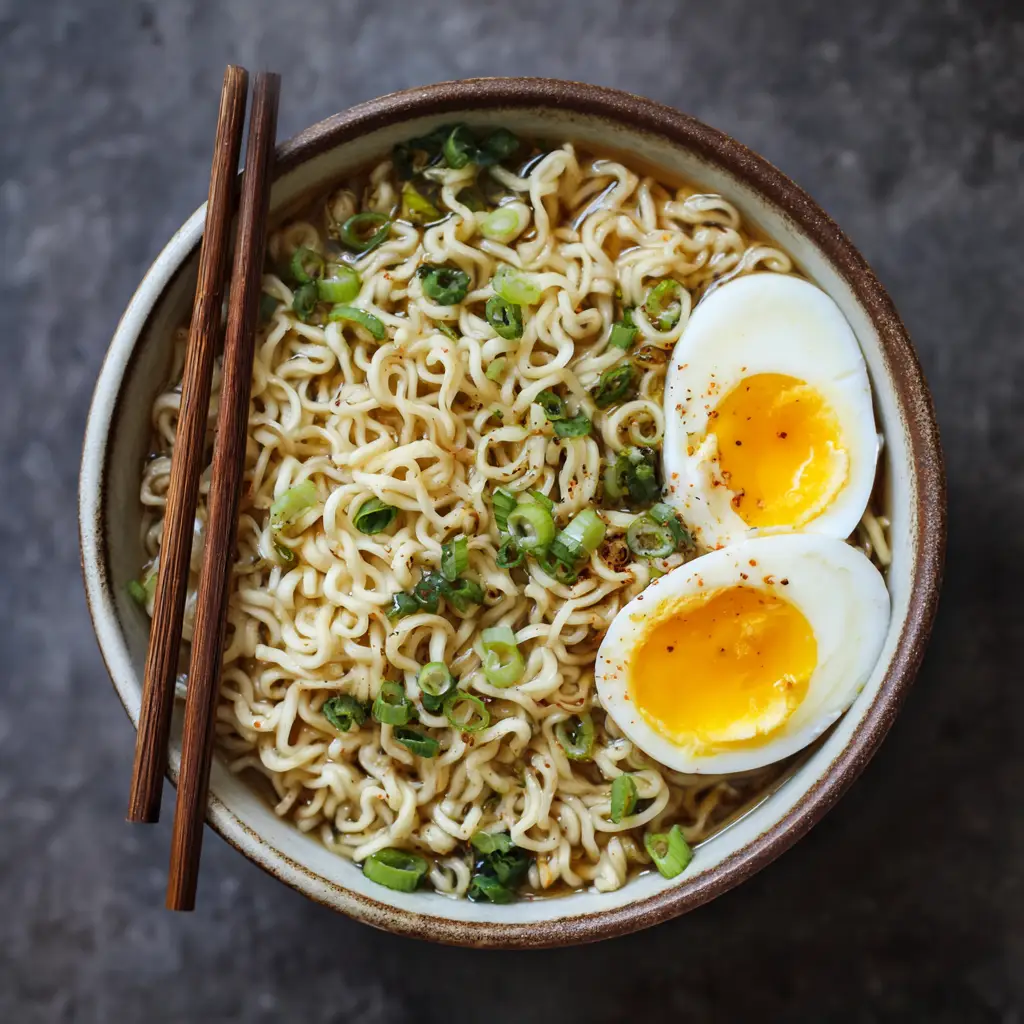
Customization transforms homemade ramen noodles into a personal signature dish. Small adjustments make big differences.
Flour choice affects chewiness. Bread flour adds more bite. All purpose flour offers balance. Mixing flours creates interesting textures.
Hydration level changes firmness. Less water produces firmer noodles. More water softens the bite. Adjust slowly to avoid sticky dough.
Color can change naturally. Add spinach puree for green noodles. Beet juice creates a pink hue. Turmeric offers golden color and subtle warmth.
Thickness matters. Thin noodles suit light broths. Thicker strands pair well with rich tonkotsu style soups.
Salt levels can change based on broth strength. Light broths benefit from seasoned noodles. Rich broths allow plain noodles to shine.
Storage options matter for busy cooks. Fresh noodles keep in the fridge for two days. Freezing extends life up to one month. Dust generously with cornstarch before freezing.
Nutritional Information
Homemade ramen noodles offer better nutritional transparency than packaged versions. Ingredients remain simple and recognizable.
Carbohydrates provide energy. Protein content supports muscle repair especially when high protein flour is used. Sodium levels stay manageable since salt quantity stays under control.
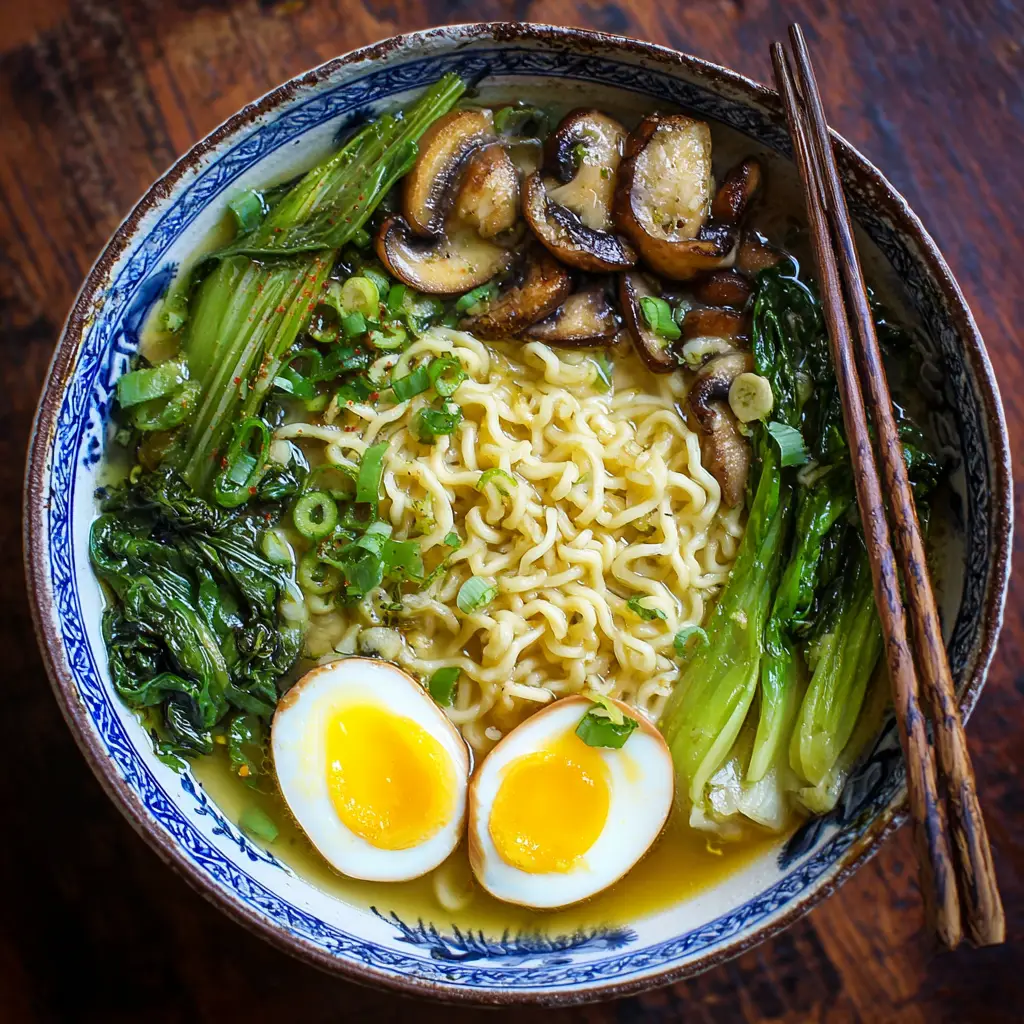
Homemade versions avoid artificial preservatives and flavor enhancers. Fiber content remains modest but can increase with whole grain flour. Pairing noodles with vegetables and lean protein creates balanced meals.
Portion control becomes easier when cooking at home. Adjust serving size based on dietary needs. Homemade ramen noodles fit into many eating styles including vegetarian and dairy free diets.
Serving Suggestions
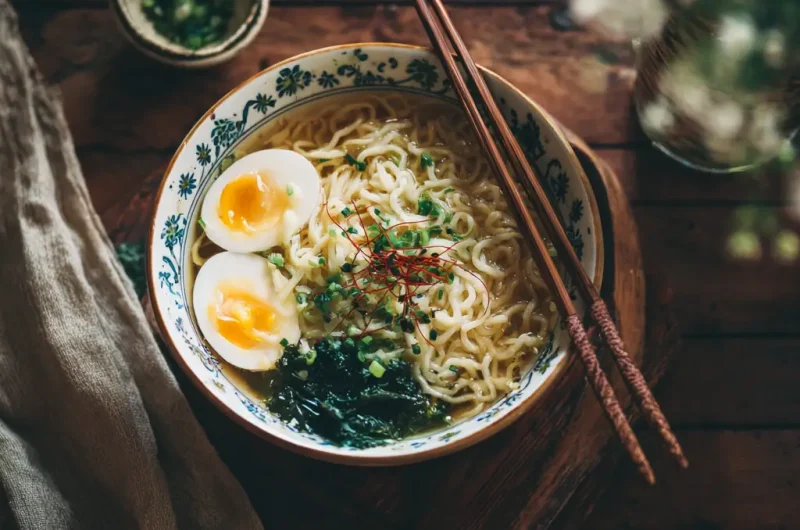
Serving homemade ramen noodles invites creativity and joy. Broth selection sets the tone. Clear chicken broth feels comforting. Miso broth adds depth. Vegetable broth keeps things light.
Protein options vary widely. Soft boiled eggs remain a favorite. Tofu adds plant based richness. Chicken pork or seafood enhance heartiness.
Toppings complete the bowl. Green onions add freshness. Nori sheets bring umami. Corn adds sweetness. Mushrooms offer earthiness.
Texture balance matters. Crunchy toppings contrast tender noodles. Chili oil adds heat. Sesame seeds add nuttiness.
Presentation enhances enjoyment. Arrange toppings thoughtfully. Serve immediately while noodles remain springy. Share with family or friends for a memorable meal.
Homemade Ramen Noodles Easy Authentic Recipe for Fresh Flavor
Course: Blog4
servings30
minutes2
minutes240
kcalIngredients
2 cups all purpose flour
3 4 cup warm water
1 teaspoon salt
1 teaspoon baking soda baked and cooled
2 tablespoons cornstarch for dusting
Directions
- Begin by baking the baking soda in the oven at a moderate temperature for one hour. Allow it to cool completely before using. This step creates the alkaline quality needed for authentic ramen texture.
- In a large bowl combine the flour and salt. Mix well until evenly distributed.
- Dissolve the baked baking soda into the warm water. Stir until fully dissolved.
- Slowly pour the liquid into the flour mixture while mixing with your hands or a spoon. Continue until a rough dough forms.
Recipe Video
Notes
- Fresh homemade ramen noodles cook very quickly so keep an eye on them while boiling. Overcooking can make them soft and sticky.
These noodles can be stored in the refrigerator for up to two days when dusted well with cornstarch and sealed tightly.
Frequently Asked Questions
Can homemade ramen noodles be made without baking soda
Baking soda creates alkaline conditions that give ramen its signature chew. Skipping it results in softer noodles similar to udon. Texture changes but flavor remains pleasant.
How long do homemade ramen noodles last
Fresh noodles last up to two days in the refrigerator when stored properly. Freezing extends shelf life up to one month. Thaw gently before cooking.
Do homemade ramen noodles require special equipment
No special equipment is required. A rolling pin and sharp knife work well. Pasta machines can help but remain optional.
Why is the dough so stiff
Ramen dough uses low hydration. Stiffness creates chewiness. Resting the dough helps relax gluten and makes rolling easier.
Can whole wheat flour be used
Whole wheat flour works but changes texture and flavor. Mixing with all purpose flour balances chew and nutrition.
Conclusion
Homemade ramen noodles bring comfort creativity and satisfaction to the kitchen. Each step builds understanding and appreciation for simple ingredients. Cooking from scratch invites mindfulness and pride. Warm bowls shared with loved ones create lasting memories. The journey from flour to noodles rewards patience and curiosity. With practice flavors deepen and techniques improve. Homemade ramen noodles become more than food. They become a personal tradition worth returning to again and again.