Homemade Egg Noodles Recipe Easy Fresh and Delicious
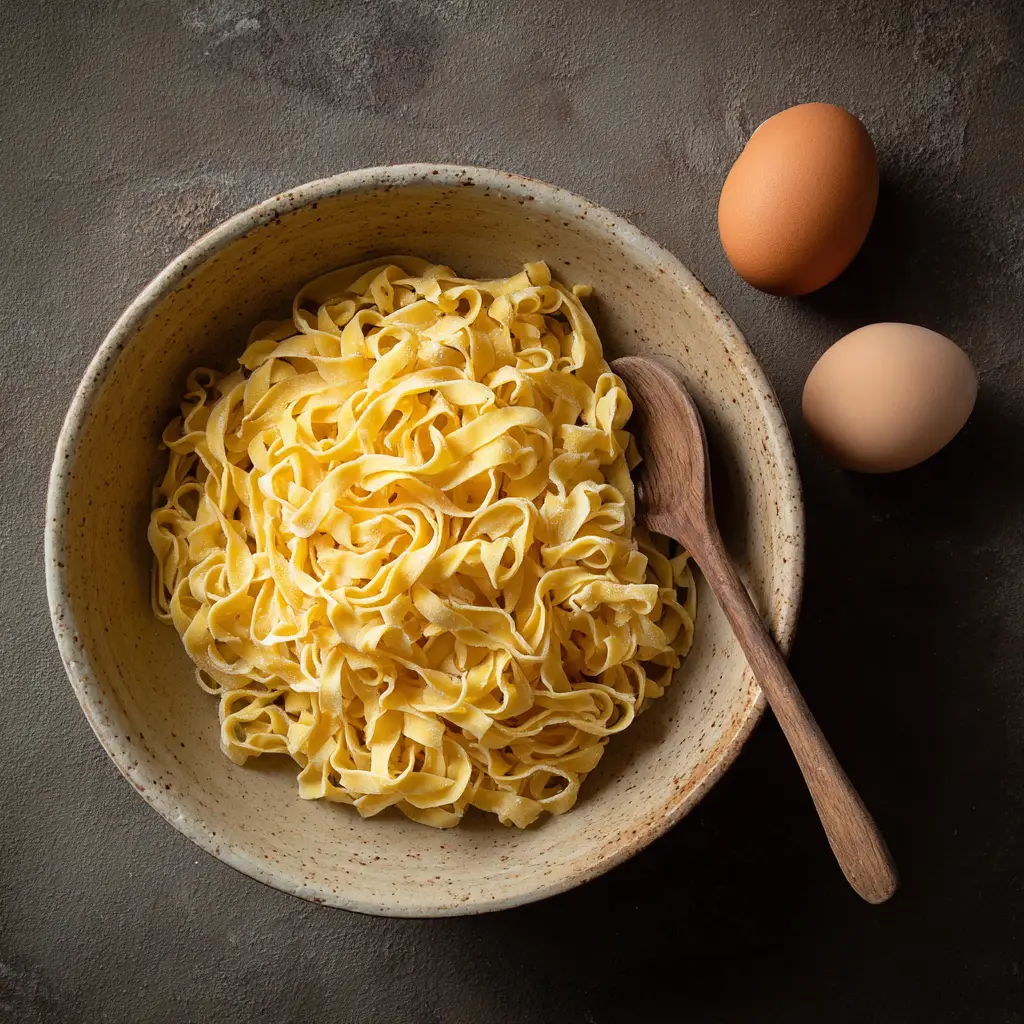
Homemade egg noodles bring comfort, tradition, and honest flavor to the table. Kitchens across the world rely on this simple preparation to create meals that feel both nourishing and memorable.
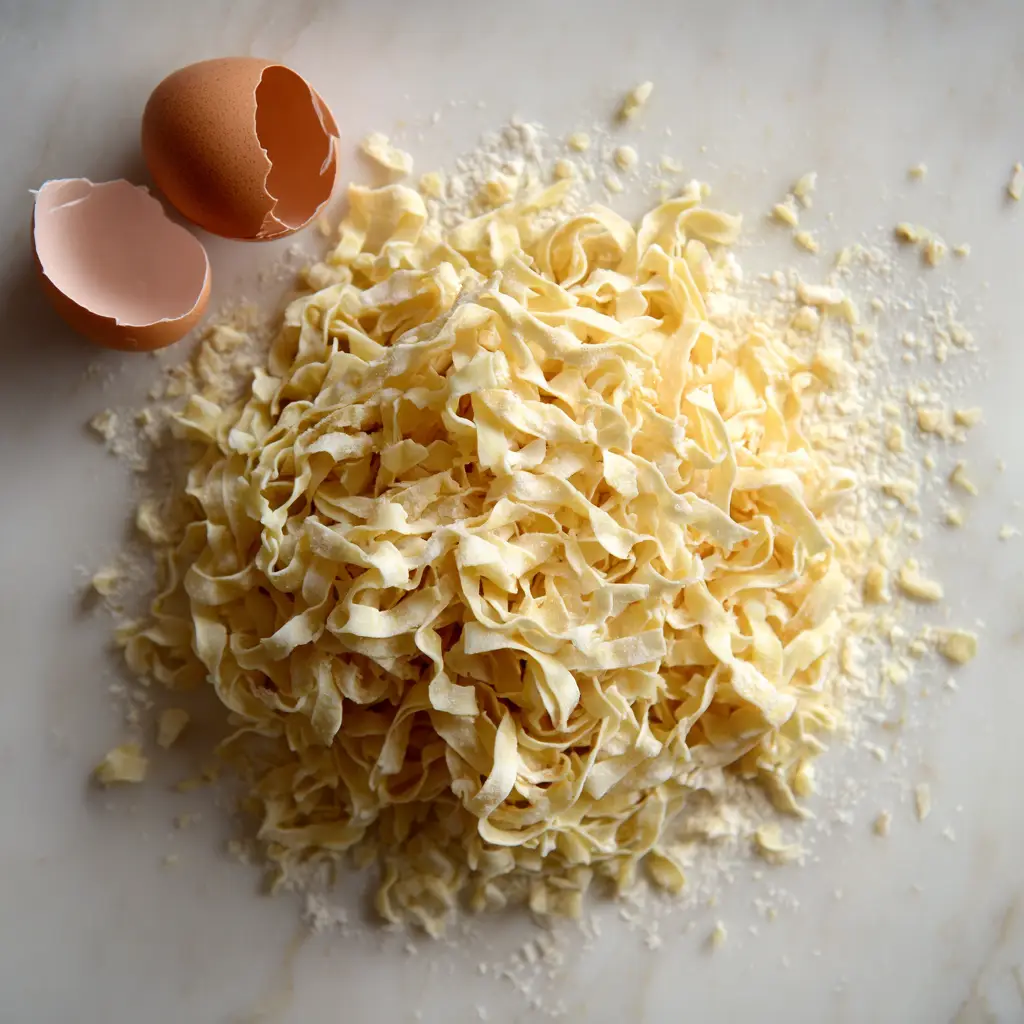
The act of making noodles by hand connects the cook to generations of home chefs who valued patience and quality over shortcuts. Fresh dough under your palms, the gentle dusting of flour, and the aroma that fills the room all create an experience that store bought pasta can never match.
Ingredients Needed
Fresh egg noodles rely on a short list of ingredients. Quality matters more than quantity. Each element plays a specific role in texture and flavor. The table below lists common ingredients along with approximate calorie values per standard serving.
| Ingredient | Quantity | Calories |
|---|---|---|
| All purpose flour | 2 cups | 910 |
| Large eggs | 3 | 210 |
| Salt | 1 teaspoon | 0 |
| Water or milk | 2 tablespoons | 10 |
| Olive oil optional | 1 teaspoon | 40 |
Flour forms the structure of the noodles. Eggs add richness and color. Salt enhances flavor throughout the dough. Water or milk helps bind ingredients and adjust moisture. Olive oil remains optional but adds softness and subtle aroma.
Using fresh eggs improves both taste and nutrition. Many cooks prefer unbleached flour for a more natural result. Adjusting liquid amounts allows control over dough firmness, which affects rolling and final texture.
Step by Step Cooking Instructions
Begin by preparing a clean work surface. Spread flour directly onto the counter to form a mound. Create a well in the center large enough to hold the eggs. Crack the eggs into the well and sprinkle salt over them. Add water or milk gradually.
Use a fork to gently beat the eggs while slowly pulling flour from the edges. Continue mixing until a shaggy dough forms. Switch to your hands once the mixture thickens. Knead the dough for about ten minutes. Press, fold, and turn repeatedly. The dough should feel smooth and elastic, not sticky.
Cover the dough with a bowl or wrap it in a clean cloth. Let it rest for at least twenty minutes. Resting relaxes the gluten and makes rolling easier. Skipping this step often leads to tearing or uneven noodles.For more insights on this topic and —Homemade Noodles Easy-], make sure to check out our other recipe.
After resting, divide the dough into two portions. Flatten one portion slightly with your palm. Dust lightly with flour. Roll the dough into a thin sheet using a rolling pin. Aim for even thickness throughout. The sheet should feel smooth and almost translucent.
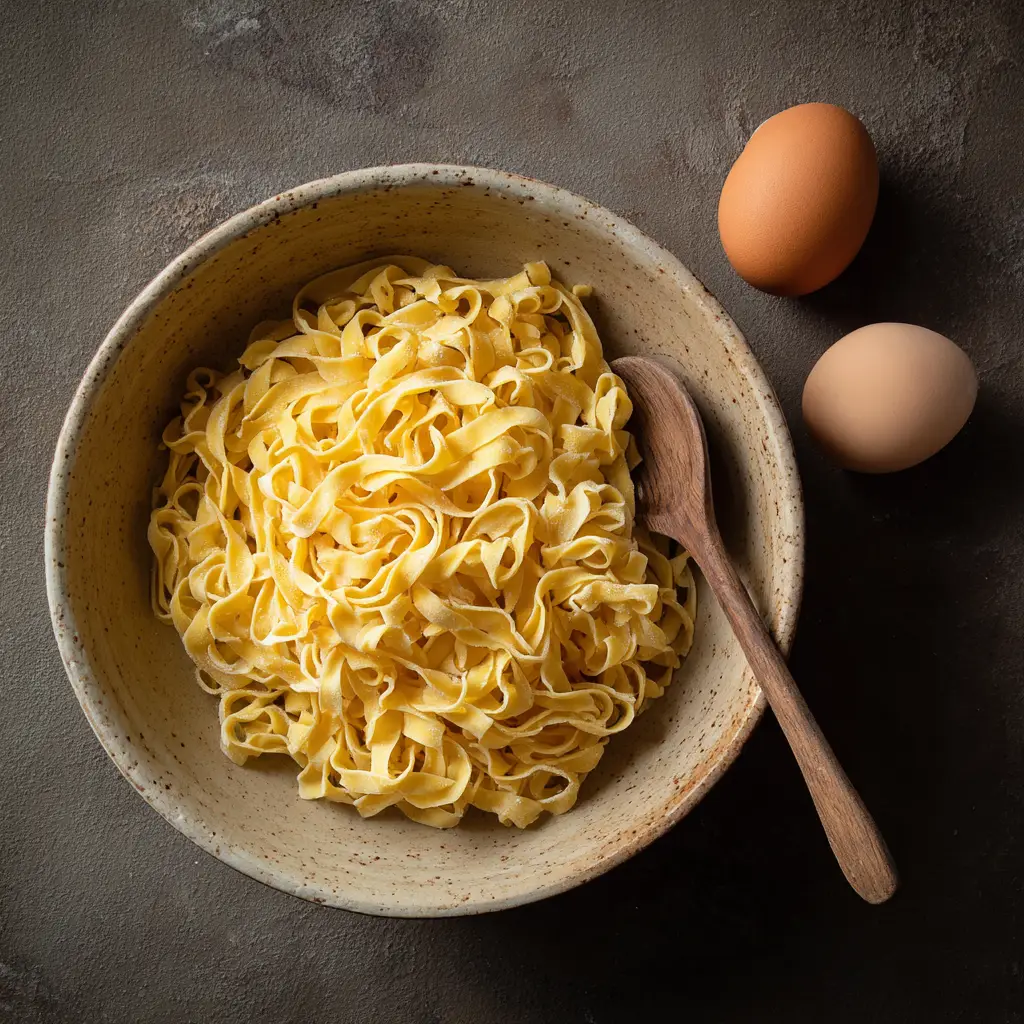
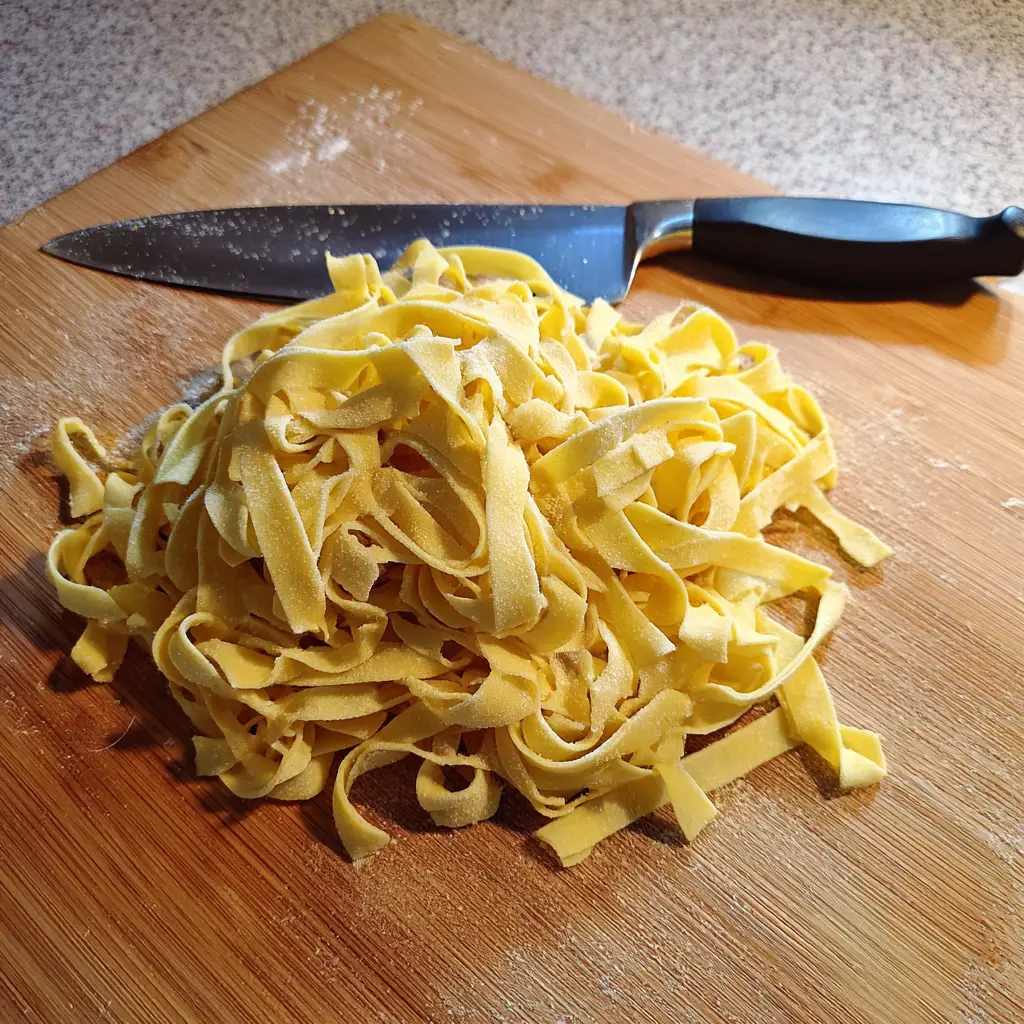
Fold the rolled dough gently into loose layers. Use a sharp knife to cut strips of desired width. Thin strips work well for soups. Wider strips suit creamy sauces. Unfold the noodles carefully and toss them lightly in flour to prevent sticking.
Bring a large pot of salted water to a rolling boil. Add noodles gently. Stir once to separate. Fresh egg noodles cook quickly. Two to four minutes usually suffices. Taste for doneness. The texture should feel tender yet firm.
Drain noodles and serve immediately or incorporate them into your chosen dish. Fresh noodles also freeze well. Spread them on a tray, freeze until firm, then store in sealed bags for later use.
Tips for Customizing the Recipe
Homemade egg noodles invite creativity. Small changes produce noticeable differences in flavor and texture. Whole wheat flour adds nutty depth and extra fiber. A blend of white and whole wheat flour balances softness and nutrition.
Herbs and spices bring personality to the dough. Finely chopped parsley, basil, or dill mix easily into the flour before adding eggs. Garlic powder or ground pepper offers subtle warmth. Beet or spinach puree adds natural color and nutrients.
Egg quantity affects richness. Extra yolks create luxurious noodles ideal for special meals. Fewer eggs result in lighter texture suited for soups. Adjust liquid amounts accordingly to maintain workable dough.
Thickness influences how noodles pair with sauces. Thin noodles absorb broth beautifully. Thick noodles hold creamy or meaty sauces without breaking. Experiment with widths to match your favorite dishes.
Drying noodles slightly before cooking creates firmer texture. Lay them on a clean cloth for fifteen minutes. This step helps when noodles will simmer longer in sauces or soups.
Nutritional Information
Homemade egg noodles provide energy and essential nutrients. Eggs supply high quality protein, vitamins, and healthy fats. Flour contributes carbohydrates that fuel the body. When prepared at home, sodium levels remain moderate.
A typical serving offers balanced macronutrients. Protein supports muscle maintenance. Carbohydrates provide sustained energy. Fats from eggs enhance satiety and flavor. Adding vegetables or lean proteins transforms noodles into a complete meal.
Fiber content depends on flour choice. Whole grain options increase digestive benefits. Homemade preparation avoids preservatives and artificial colors found in packaged noodles. Many people find fresh noodles easier to digest.
Portion control plays an important role. Fresh noodles feel satisfying in smaller amounts. Pairing them with nutrient rich toppings encourages balanced eating habits.
Homemade Egg Noodles Recipe Easy Fresh and Delicious
Course: Blog4
servings20
minutes5
minutes300
kcalIngredients
Two cups all purpose flour
Three large eggs
One teaspoon salt
Two tablespoons water or milk
One teaspoon olive oil optional
Directions
- Place the flour on a clean kitchen surface and form a mound. Make a deep well in the center. Crack the eggs into the well and add salt. Slowly mix the eggs using a fork while pulling flour from the sides. Add water or milk a little at a time until a soft dough forms.
- Use your hands to knead the dough for about ten minutes until smooth and elastic. Cover the dough with a clean cloth and let it rest for twenty minutes. This step helps the noodles roll easily.
- Divide the dough into two portions. Roll each portion into a thin sheet using a rolling pin. Lightly dust with flour if needed. Fold the dough gently and cut into strips of your desired width.
Recipe Video
Notes
- Fresh egg noodles cook much faster than dried pasta, so keep an eye on them. Extra noodles can be frozen for later use. Lightly flour them before freezing to prevent sticking. These noodles work well in soups, creamy sauces, or simple butter and herb dishes.
Serving Suggestions
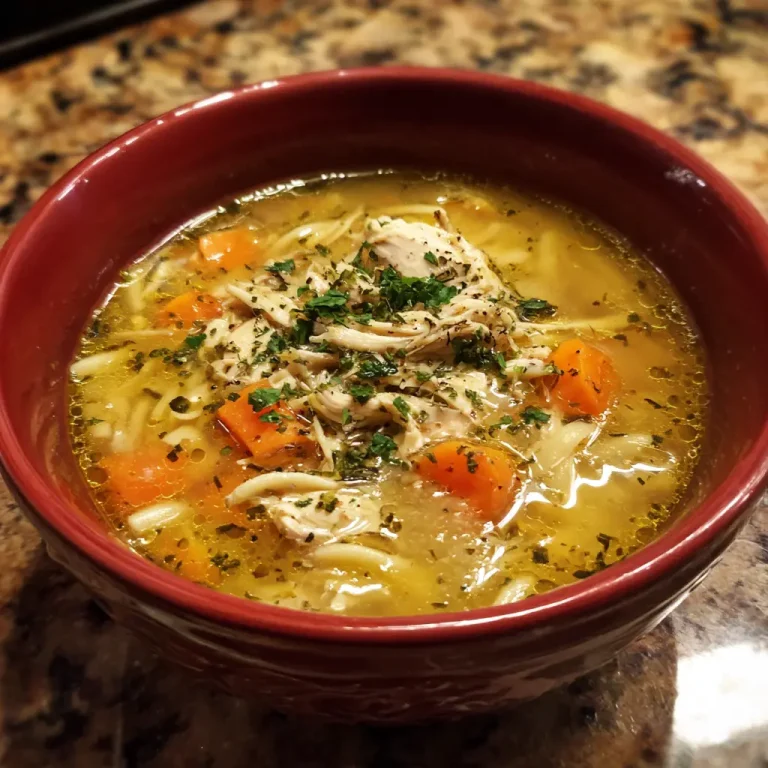
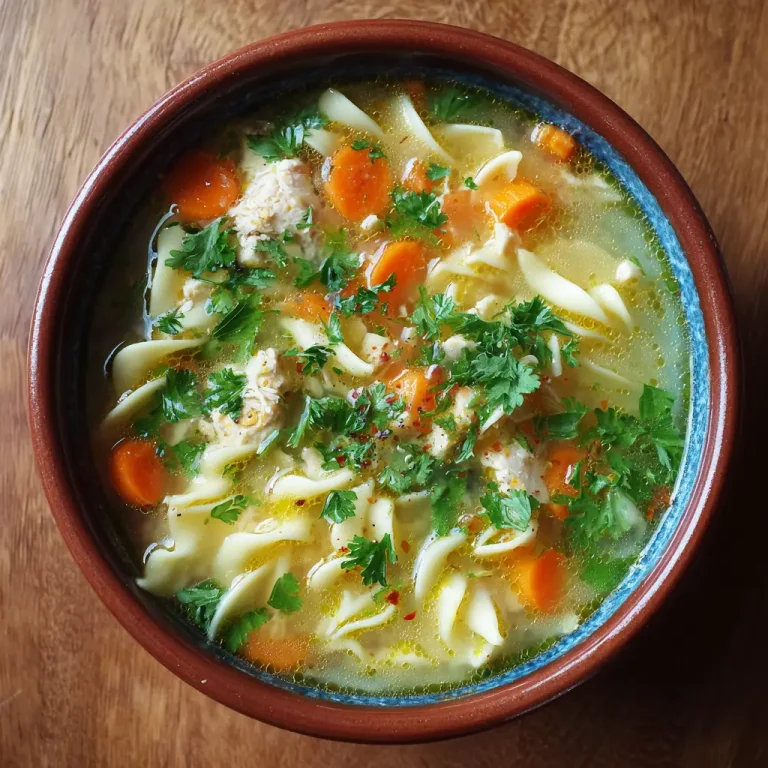
Homemade egg noodles shine in many dishes. Classic chicken soup becomes heartier and more comforting with fresh noodles. Creamy mushroom sauce pairs beautifully with wide ribbons of pasta.
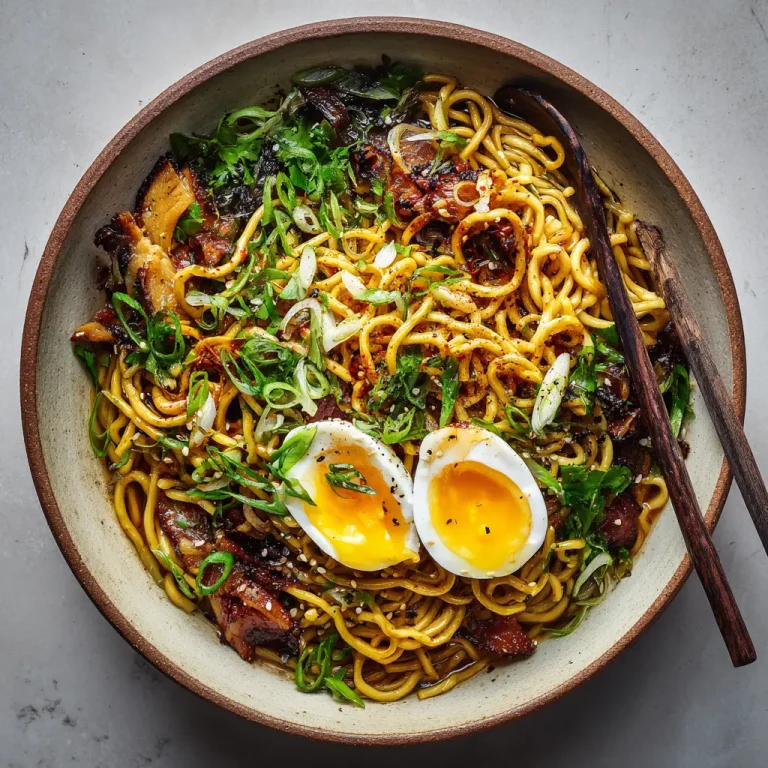
Toss noodles with butter, herbs, and grated cheese for a simple meal. Add roasted vegetables and olive oil for a lighter option. Serve alongside stews or braised meats to soak up flavorful juices.
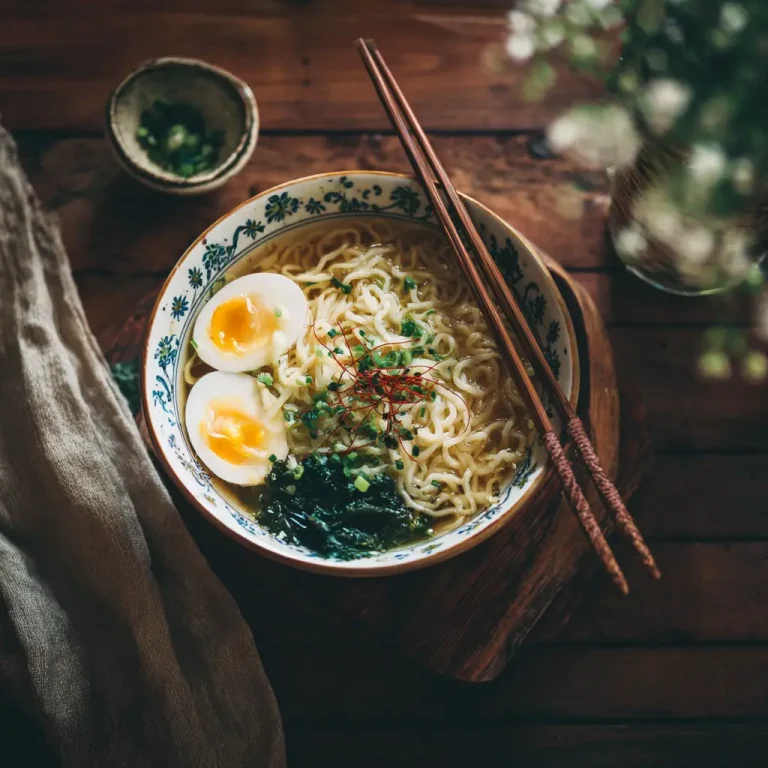
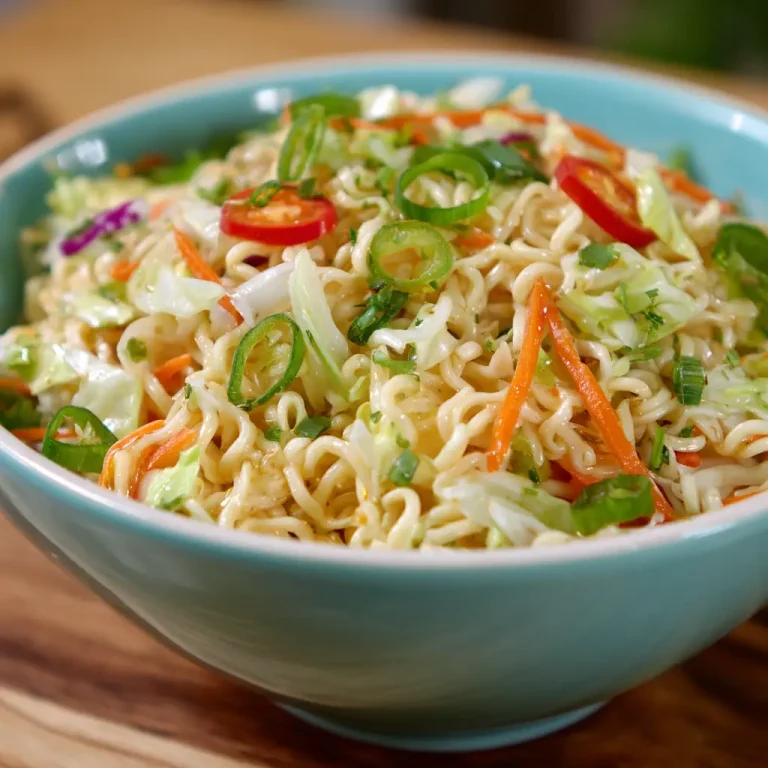
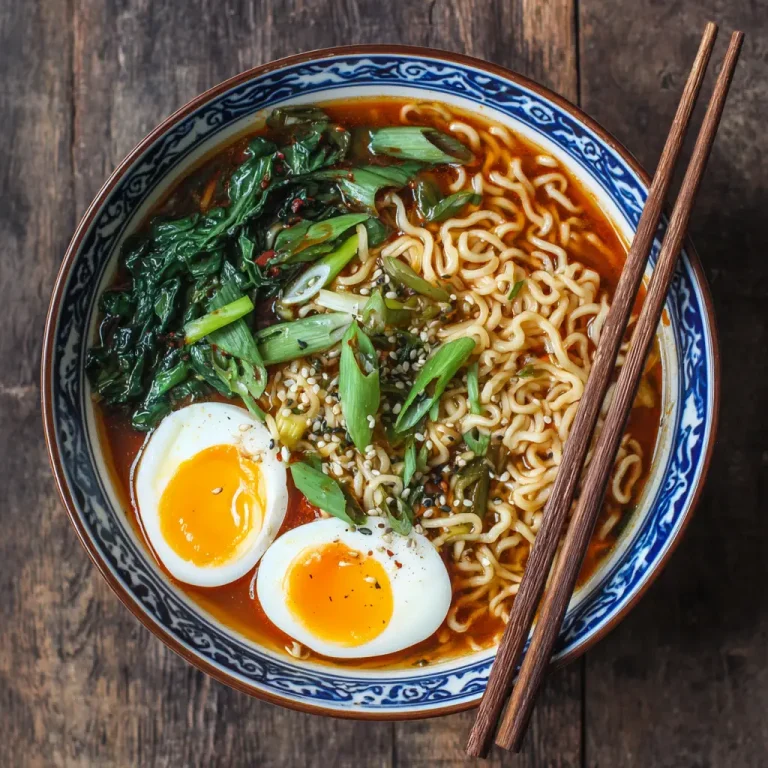
Cold noodle salads work well in warm weather. Toss cooked noodles with fresh vegetables, vinaigrette, and herbs. Asian inspired broths also benefit from fresh egg noodles, especially when combined with ginger and garlic.
Family gatherings and special dinners feel elevated when homemade noodles appear on the table. The texture and flavor impress guests while remaining familiar and comforting.
Frequently Asked Questions
How long do homemade egg noodles last
Fresh noodles keep in the refrigerator for up to two days when stored in a sealed container. Freezing extends shelf life to several months without sacrificing quality.
Can homemade egg noodles be dried
Yes. Lay noodles in a single layer and allow them to air dry completely. Store in airtight containers once fully dry. Cooking time increases slightly when using dried noodles.
Are homemade egg noodles healthier than store bought
Homemade versions usually contain fewer additives and less sodium. Ingredient quality remains under your control, which often results in better nutrition.
What flour works best for egg noodles
All purpose flour remains the most common choice. Semolina adds firmness. Whole wheat increases fiber. Blending flours allows customization.
Can this recipe be made without eggs
Eggs define traditional egg noodles. Egg free versions require different ratios and ingredients and produce a different texture.
Conclusion
Warm meals often begin with simple ingredients and thoughtful preparation. Homemade egg noodles represent that idea beautifully. The process feels grounding, and the result rewards every effort. Fresh noodles bring depth and comfort to countless dishes, turning everyday meals into moments worth savoring.