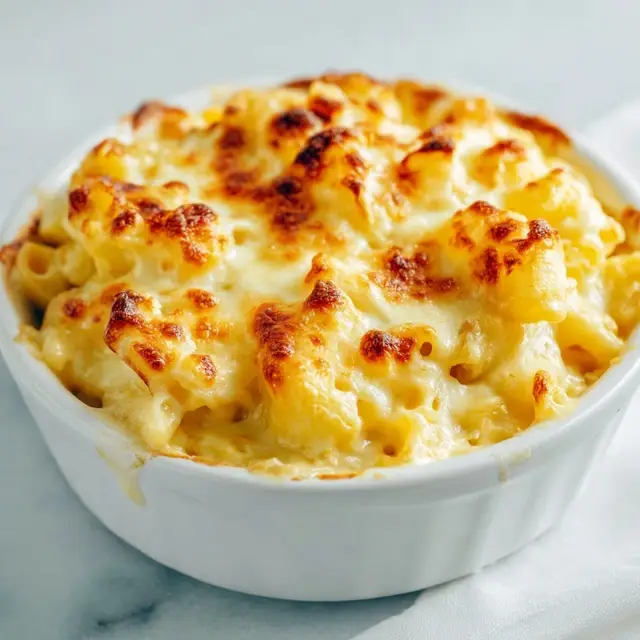
Gouda Mac and Cheese Recipe: Creamy, Cheesy Comfort Food
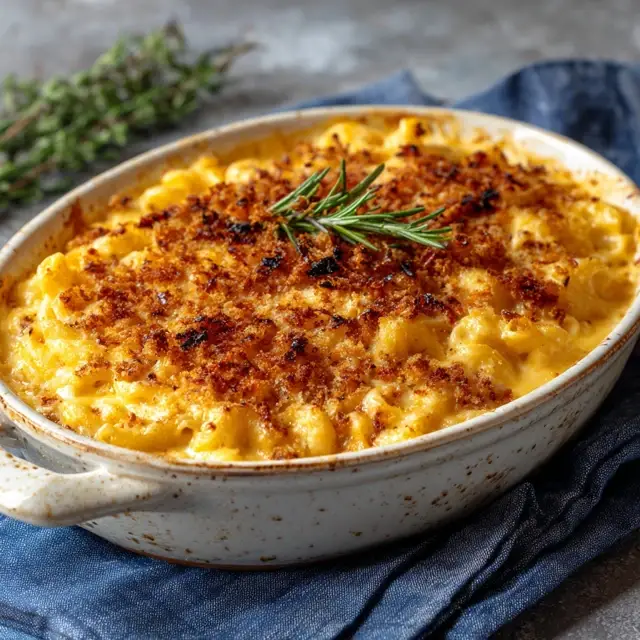
Gouda mac and cheese is a rich, creamy twist on the classic comfort food that everyone loves. The smooth, slightly sweet flavor of gouda cheese melts beautifully into tender pasta, creating a dish that feels indulgent yet familiar.
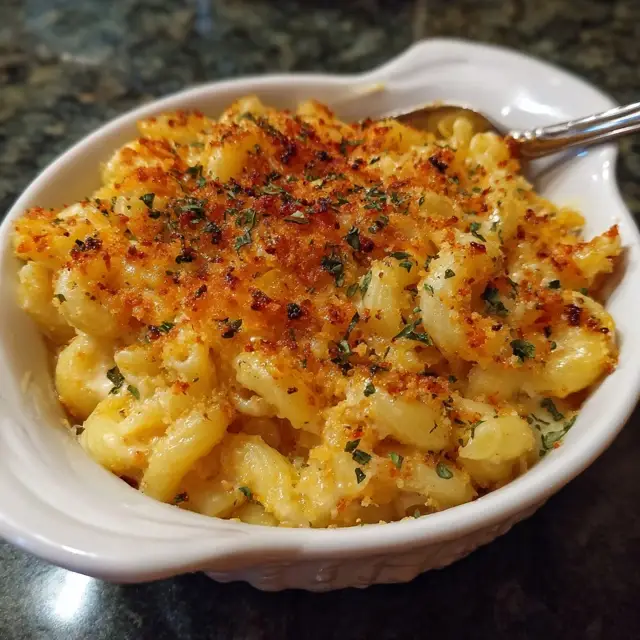
Unlike traditional cheddar mac and cheese, the addition of gouda brings a nutty and buttery depth that elevates every bite. Families, food enthusiasts, and even home cooks looking for a gourmet touch find themselves drawn to this version. The texture is luxurious, the aroma is irresistible, and the flavors linger long after the first serving. Cooking gouda mac and cheese at home allows you to adjust the richness, add complementary ingredients, and make it truly your own. Whether served at a casual weeknight dinner or a festive gathering, it offers a perfect combination of comfort and sophistication. Understanding the ingredients, preparation techniques, and tips for customization can transform a simple pasta dish into a show-stopping meal.
Ingredients Needed
To create the perfect gouda mac and cheese, gathering the right ingredients is crucial. Using high-quality gouda, fresh cream, and perfectly cooked pasta makes a noticeable difference in taste and texture. The following table lists the main ingredients along with their approximate calorie count per serving, helping you plan both flavor and nutrition.
| Ingredient | Quantity | Calories per Serving |
|---|---|---|
| Elbow pasta | 2 cups | 200 |
| Gouda cheese | 2 cups shredded | 400 |
| Unsalted butter | 4 tablespoons | 400 |
| All-purpose flour | 4 tablespoons | 100 |
| Whole milk | 2 cups | 150 |
| Heavy cream | 1/2 cup | 200 |
| Dijon mustard | 1 teaspoon | 5 |
| Garlic powder | 1/2 teaspoon | 5 |
| Onion powder | 1/2 teaspoon | 5 |
| Salt | 1 teaspoon | 0 |
| Black pepper | 1/2 teaspoon | 0 |
| Bread crumbs | 1/2 cup | 200 |
| Parmesan cheese | 1/4 cup | 110 |
Step-by-Step Cooking Instructions
Creating gouda mac and cheese is a process that combines patience with careful technique. Start by boiling pasta in salted water until it reaches al dente texture. Drain it thoroughly and set aside to prevent overcooking. Next, in a medium saucepan, melt the butter over medium heat. Once fully melted, gradually whisk in flour to form a smooth roux. Cooking the roux for a few minutes eliminates the raw flour taste and ensures a creamy sauce. Slowly add the milk and cream, whisking constantly to avoid lumps. Simmer until the mixture thickens and coats the back of a spoon. Stir in the shredded gouda cheese, allowing it to melt fully. Add Dijon mustard, garlic powder, onion powder, salt, and black pepper. Fold in the cooked pasta until it is evenly coated with the creamy sauce. Transfer the mixture to a baking dish and top with a blend of bread crumbs and parmesan cheese for a crunchy golden topping. Bake in a preheated oven at 350 degrees Fahrenheit for 20 to 25 minutes until bubbly and slightly browned. Let the dish cool for a few minutes before serving to allow the flavors to meld together beautifully.
Tips for Customizing the Recipe
Gouda mac and cheese provides a versatile base for experimentation. Adding smoked gouda can introduce a deeper, woodsy flavor. Incorporating vegetables such as spinach, roasted red peppers, or caramelized onions can add freshness and texture. For a protein boost, cooked bacon, shredded chicken, or sausage pairs exceptionally well. Herbs like thyme or chives can enhance the aroma without overpowering the dish. Adjusting the creaminess is possible by varying the amount of heavy cream or milk, depending on preference. Toasted nuts such as walnuts or pecans can add an unexpected crunchy layer. Spices like paprika or cayenne pepper can provide a subtle heat for those who enjoy bold flavors. Experimenting with different types of pasta such as cavatappi or shells can also change the presentation and texture of the dish.

Nutritional Information
Understanding the nutritional content of gouda mac and cheese helps balance indulgence with health awareness. A typical serving contains approximately 1600 calories per full dish if divided into four servings, with macronutrients including carbohydrates from pasta, protein from cheese, and fats from butter and cream. Gouda offers calcium and vitamin B12, while milk and cream contribute essential nutrients like phosphorus and riboflavin. Opting for whole grain pasta can increase fiber content, and incorporating vegetables can boost vitamin and mineral intake. Reducing butter or using a lighter milk option can slightly lower calorie content without significantly compromising flavor. Awareness of nutrition allows for mindful enjoyment of this decadent dish without guilt.
Serving Suggestions
Gouda mac and cheese is versatile enough to complement a variety of meals. It pairs beautifully with roasted vegetables such as asparagus or broccoli, which add color and freshness to the plate. A crisp green salad with a tangy vinaigrette balances the richness of the dish. For a heartier meal, serving gouda mac and cheese alongside grilled chicken or seared salmon enhances the protein content while maintaining indulgence. This dish also works well as a side for holiday dinners or casual gatherings, where it can be presented in a casserole dish for a comforting, family-style appeal. Garnishing with fresh herbs or a sprinkle of paprika adds visual appeal and elevates the dining experience.
Common Mistakes to Avoid
Many home cooks encounter small challenges while preparing gouda mac and cheese. Overcooking pasta before adding it to the sauce can result in mushy texture. Adding cheese too quickly to the sauce or overheating can cause it to separate and become greasy. Insufficient seasoning can make the dish taste bland despite rich ingredients. Baking at too high a temperature may burn the topping before the sauce is fully heated through. Measuring ingredients carefully and following a step-by-step approach ensures consistent results. Stirring continuously when melting the cheese and incorporating pasta maintains a smooth, creamy texture that is essential for perfect gouda mac and cheese.
How to Store and Reheat
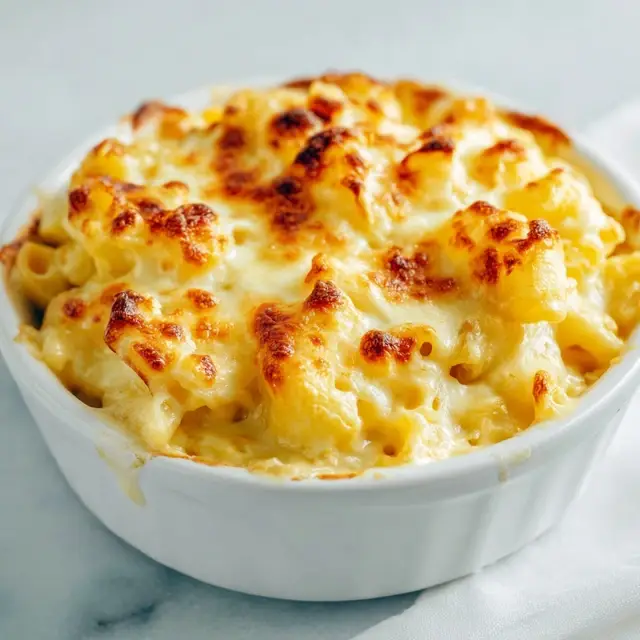
Leftover gouda mac and cheese can be stored safely in an airtight container in the refrigerator for up to three days. Reheating gently in a saucepan over low heat, adding a splash of milk or cream, helps restore creaminess. Using the oven at a low temperature can also reheat leftovers while keeping the crunchy topping intact. Freezing is possible, but for best texture, avoid freezing after baking. Instead, assemble the uncooked mac and cheese, cover tightly, and freeze before baking. When ready to enjoy, thaw overnight in the refrigerator and bake as directed. Proper storage preserves flavor and texture while allowing convenient enjoyment later.
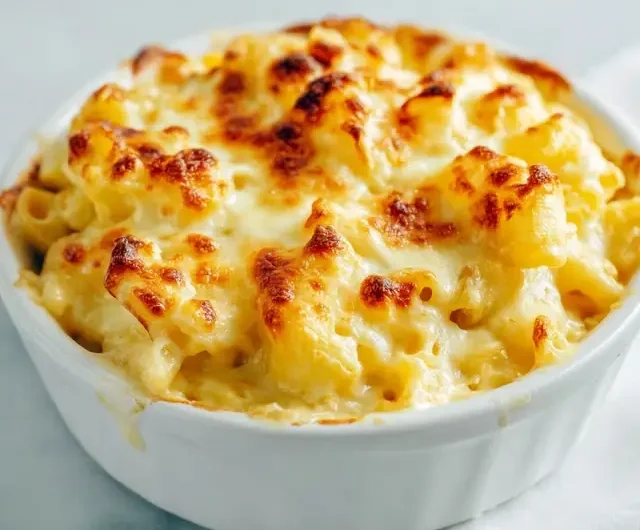
Gouda Mac and Cheese Recipe: Creamy, Cheesy Comfort Food
Course: Blog4
servings15
minutes35
minutes400
kcalIngredients
2 cups elbow pasta
2 cups shredded gouda cheese
4 tablespoons unsalted butter
4 tablespoons all-purpose flour
2 cups whole milk
1/2 cup heavy cream
1 teaspoon Dijon mustard
1/2 teaspoon garlic powder
1/2 teaspoon onion powder
1 teaspoon salt
1/2 teaspoon black pepper
1/2 cup bread crumbs
1/4 cup grated Parmesan cheese
Directions
- Preheat oven to 350 degrees Fahrenheit.
- Cook pasta in salted boiling water until al dente, then drain and set aside.
- In a medium saucepan, melt butter over medium heat.
- Whisk in flour to form a smooth roux and cook for 2-3 minutes to remove raw flour taste.
- Gradually add milk and cream, whisking continuously until the sauce thickens.
- Stir in shredded gouda cheese until melted and smooth.
- Add Dijon mustard, garlic powder, onion powder, salt, and black pepper.
- Mix in the cooked pasta until evenly coated with the sauce.
- Transfer mixture to a baking dish and top with bread crumbs and Parmesan cheese.
- Bake for 20-25 minutes until bubbly and golden on top.
- Let cool slightly before serving.
Recipe Video
Notes
- For extra flavor, try smoked gouda instead of regular gouda.
You can add cooked bacon, shredded chicken, or vegetables like spinach or roasted red peppers for variation.
FAQs
What type of gouda is best for mac and cheese
Smoked gouda adds depth and richness, while young gouda provides a smooth, creamy texture. Choosing based on flavor preference ensures the desired taste profile.
Can I make this recipe vegetarian
Yes, simply omit any meat additions and use vegetable broth if needed for flavor. The dish will remain rich and satisfying.
Is it possible to make this gluten free
Absolutely, replacing all-purpose flour with gluten free flour and using gluten free pasta ensures the recipe is safe for those with gluten sensitivities.
Can gouda mac and cheese be made ahead of time
Yes, assemble the dish, refrigerate it, and bake when ready. Slight adjustments to baking time may be needed.
Conclusion
Gouda mac and cheese is more than a meal; it is an experience of comfort and flavor that brings warmth to any table. Its creamy sauce, rich cheese, and tender pasta create a harmony that is hard to resist. Cooking it at home allows creativity with flavors, textures, and ingredients, making it a personal and indulgent treat. From family dinners to special gatherings, this dish satisfies cravings while offering flexibility to suit dietary preferences and presentation styles. Mastering gouda mac and cheese opens the door to countless variations and combinations, each as delicious as the last. By following the steps carefully, experimenting with flavors, and paying attention to detail, anyone can create a mac and cheese that rivals even the most celebrated recipes. Every bite invites comfort, joy, and a touch of culinary delight.