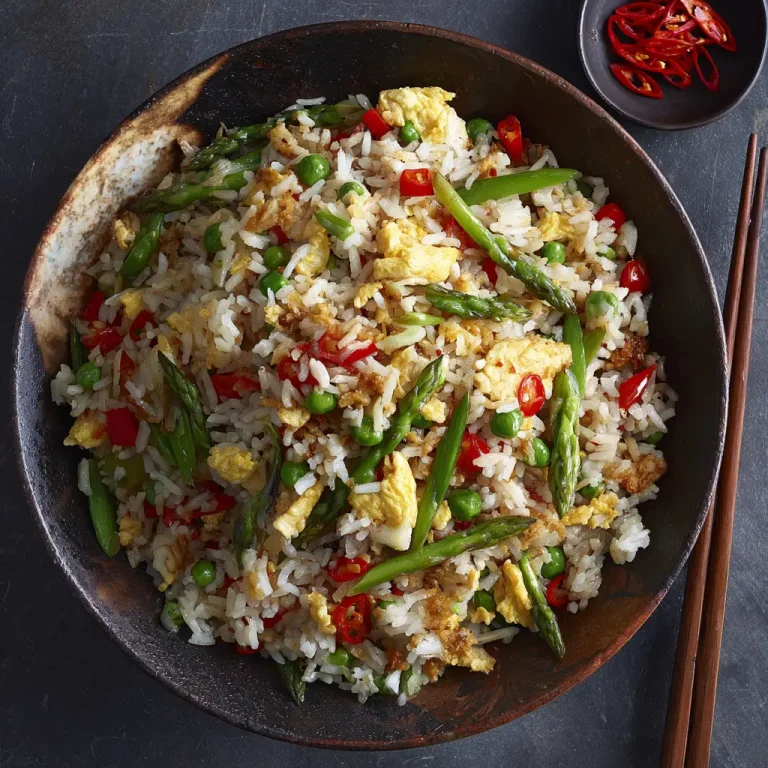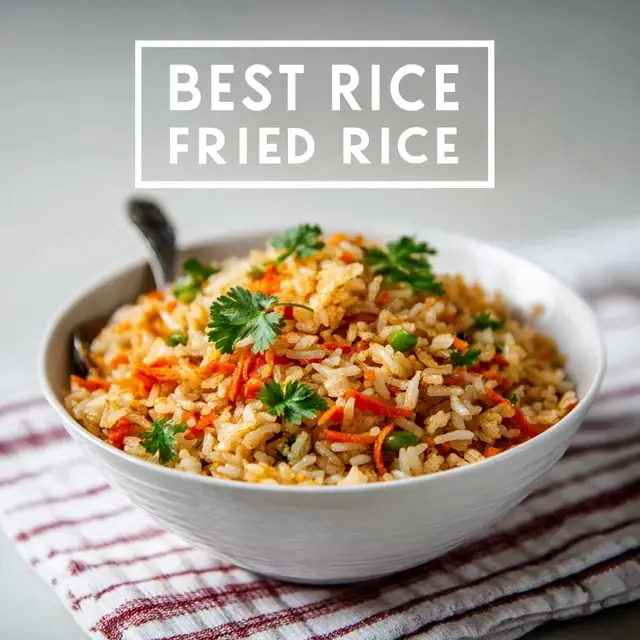
Best Rice for Fried Rice: How Restaurants Do It
Introduction
Fried rice holds a special place in kitchens around the world, adored for its rich flavors and comforting texture. It may look simple on the surface—a bowl of rice tossed with vegetables, eggs, and your choice of protein—but achieving that perfect, restaurant-quality fried rice takes more than just mixing ingredients. One of the most crucial yet often overlooked factors in making great fried rice is the type of rice you choose.
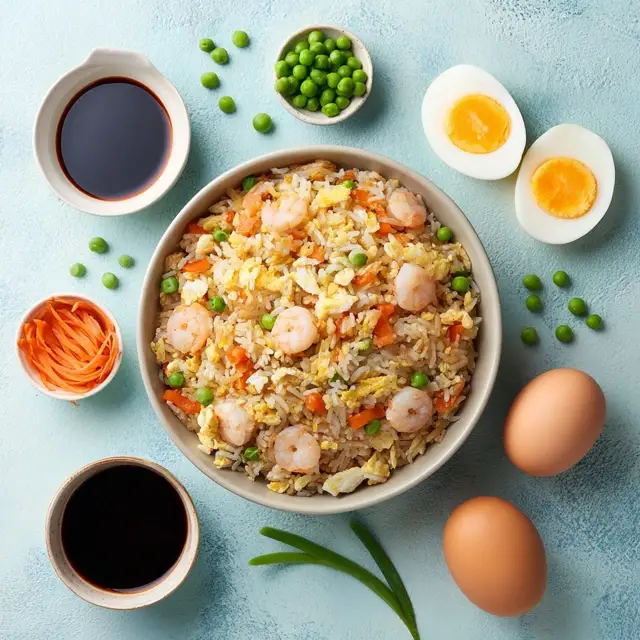
Not all rice varieties cook up the same, and picking the right kind can make a world of difference in flavor, texture, and even how the dish holds together when stir-frying. From fluffy grains that stay separate to the subtle aroma that certain rice types carry, each variety brings its own unique character to the dish.
Ingredients Needed
The choice of rice is paramount, but along with that, the ingredients you use contribute to making fried rice both tasty and nutritious. Below is a table listing common ingredients used in fried rice recipes, along with their approximate calorie counts per serving. This helps you keep track of nutrition while enjoying your meal.
| Ingredient | Quantity | Approximate Calories (per serving) |
|---|---|---|
| Cooked Jasmine Rice | 1 cup | 205 calories |
| Cooked Basmati Rice | 1 cup | 190 calories |
| Cooked Brown Rice | 1 cup | 215 calories |
| Cooked Calrose Rice | 1 cup | 210 calories |
| Eggs | 2 large | 140 calories |
| Carrots (chopped) | 1/2 cup | 25 calories |
| Peas | 1/2 cup | 60 calories |
| Green Onions | 1/4 cup | 10 calories |
| Soy Sauce | 1 tablespoon | 10 calories |
| Cooking Oil (vegetable or sesame) | 1 tablespoon | 120 calories |
| Garlic (minced) | 2 cloves | 10 calories |
Note: Calorie values can vary depending on the brand and preparation method.
Step-by-Step Cooking Instructions
Achieving that perfect fried rice texture is a combination of using the right rice and following proper cooking techniques. Here is a detailed, stepwise approach to making delicious fried rice at home:
Step 1: Choose and Prepare Your Rice
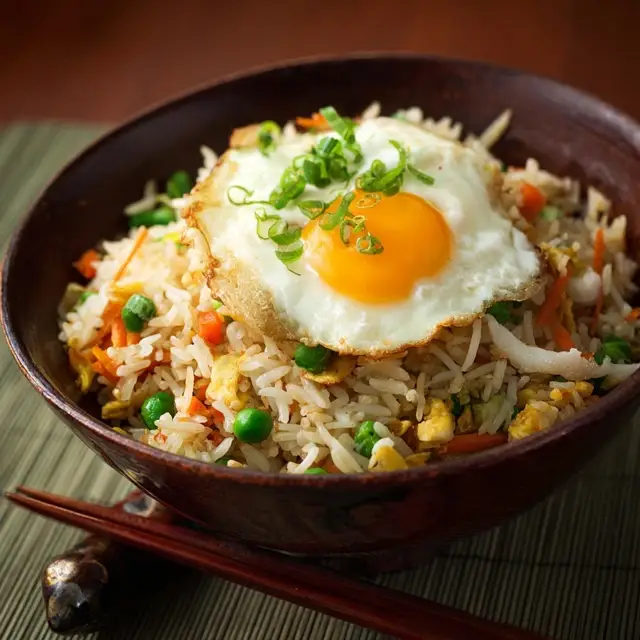
Select your rice variety carefully based on texture preferences. For restaurant-style fried rice, many chefs prefer Jasmine or Basmati rice because of their firm grains that do not stick together when cooked properly. It is best to use rice that has been cooked the day before and refrigerated, as the grains will firm up and dry out slightly, making them less likely to clump.
If you must cook rice fresh, rinse it thoroughly in cold water multiple times to remove excess starch. Use slightly less water than usual to produce drier rice. Once cooked, spread the rice out on a tray to cool quickly and avoid steaming.
Step 2: Prep Your Ingredients
While the rice cools, chop vegetables like carrots, green onions, and peas. Mince garlic and prepare any proteins such as eggs or chicken. Having all ingredients ready and within reach ensures a smooth cooking process, as fried rice cooks quickly.
Step 3: Heat Your Pan or Wok
Use a large non-stick skillet or wok. Heat 1 tablespoon of vegetable or sesame oil over medium-high heat until shimmering but not smoking. A hot pan is key to creating that slightly crisp texture on the rice.
Step 4: Cook Aromatics and Proteins
Add minced garlic and cook until fragrant, about 30 seconds. Push garlic to the side, then crack eggs into the pan. Scramble eggs quickly until just cooked, then remove and set aside. You can also cook proteins like shrimp or chicken at this stage, depending on your preference.
Step 5: Stir-Fry Vegetables
Add a bit more oil if needed and toss in chopped carrots and peas. Stir-fry for 2-3 minutes until tender but still crisp. Then add green onions for a fresh burst of flavor.
Step 6: Add Rice
Add the cooled rice to the pan, breaking up any clumps with a spatula. Stir-fry the rice continuously, ensuring it heats evenly and begins to toast lightly. This step helps evaporate any excess moisture and gives rice its characteristic texture.
Step 7: Season
Drizzle soy sauce evenly over the rice and toss to coat. Adjust soy sauce quantity to taste but be mindful not to oversaturate the rice. Add a pinch of salt or pepper if needed.
Step 8: Combine and Finish
Return scrambled eggs or cooked proteins to the pan. Toss everything together thoroughly for another minute to blend flavors and heat through.
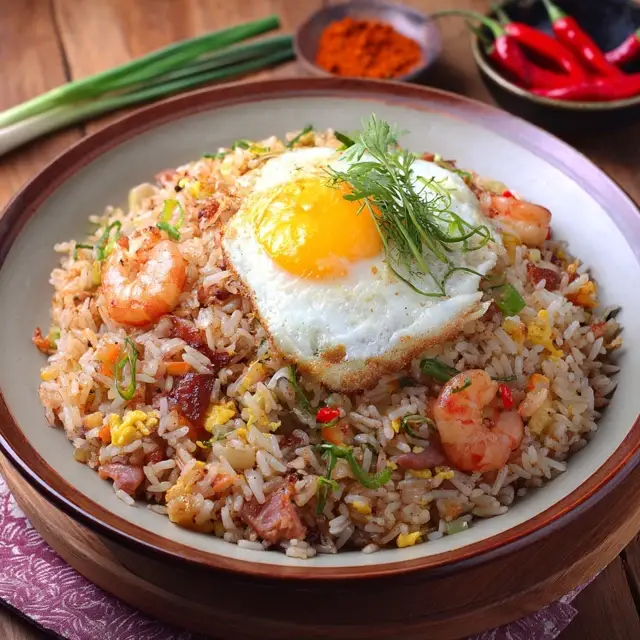
Step 9: Serve
Remove from heat and serve immediately for best texture and flavor.
Tips for Customizing the Recipe
Fried rice is incredibly versatile and can be tailored to suit any palate or dietary preference. Here are some useful tips to customize your dish:
- Protein Options: Swap eggs for tofu, shrimp, chicken, or beef to vary the protein content.
- Vegetable Variations: Add bell peppers, corn, broccoli, or mushrooms depending on what you have on hand.
- Rice Type: Experiment with brown rice for a nuttier flavor and extra fiber or Calrose rice for a stickier texture if preferred.
- Flavor Boosters: Incorporate ingredients like ginger, chili flakes, or oyster sauce for an extra depth of flavor.
- Oil Choices: Use sesame oil for a fragrant aroma or peanut oil for a subtle nutty taste.
- Low Sodium: Use low-sodium soy sauce and adjust seasoning accordingly for a healthier meal.
Nutritional Information
Fried rice can be a balanced and nutritious meal when made with wholesome ingredients and mindful portion sizes. Below is a general nutritional profile based on a typical serving using Jasmine rice and standard vegetables:
- Calories: 350-400 kcal per serving
- Protein: 12-15 grams (from eggs and any added protein)
- Carbohydrates: 45-50 grams
- Fat: 10-12 grams (mostly from cooking oil and eggs)
- Fiber: 2-3 grams (depending on vegetable choices)
- Sodium: Varies significantly based on soy sauce quantity
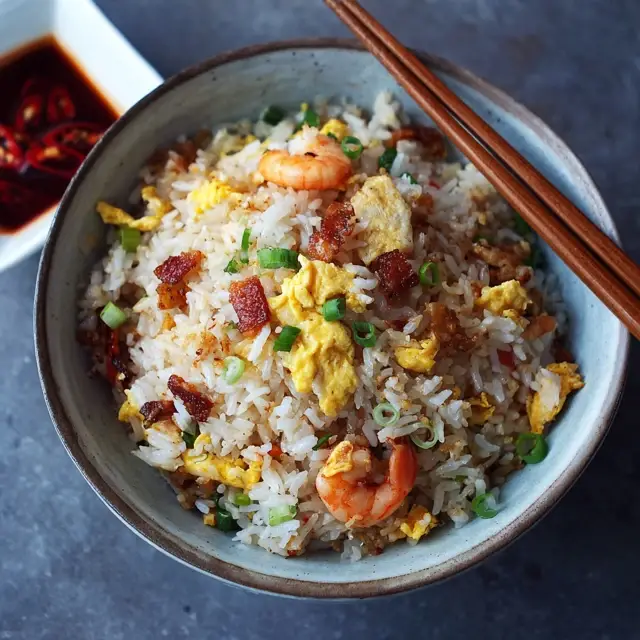
Using brown rice instead of white rice increases fiber content and provides additional vitamins and minerals. Including a variety of colorful vegetables enhances antioxidant intake and boosts overall nutrient density.
Serving Suggestions
Fried rice pairs beautifully with a wide range of dishes, making it a fantastic staple for any meal. Consider these serving ideas to complete your dining experience:
- Accompany fried rice with crispy spring rolls or dumplings as a delightful appetizer.
- Serve alongside stir-fried vegetables or a light soup for a well-rounded meal.
- Top with chopped fresh herbs like cilantro or scallions to add freshness.
- Include pickled vegetables or kimchi on the side to introduce a tangy contrast.
- Pair with grilled or roasted meats such as chicken wings or pork skewers for a hearty feast.

Best Rice for Fried Rice: How Restaurants Do It
Course: Blog4
servings15
minutes15
minutes350-400
kcalIngredients
IngredienttQuantity
Cooked Jasmine Ricet4 cups (day-old)
Eggst2 large
Carrots (chopped)t1/2 cup
Peast1/2 cup
Green Onions (chopped)t1/4 cup
Garlic (minced)t2 cloves
Soy Saucet2 tablespoons
Vegetable or Sesame Oilt2 tablespoons
SalttTo taste
PeppertTo taste
Directions
- ctions
- Prepare Rice: Use day-old cooked jasmine rice for best texture. If freshly cooked, rinse thoroughly and cool quickly.
- Heat Pan: Warm 1 tablespoon of oil in a large wok or non-stick skillet over medium-high heat.
- Cook Garlic and Eggs: Add minced garlic and sauté until fragrant. Push garlic aside, scramble the eggs until cooked, then remove eggs and set aside.
- Cook Vegetables: Add remaining oil and stir-fry carrots and peas for 2-3 minutes until tender but crisp. Add green onions and cook briefly.
- Add Rice: Add rice to the pan, breaking apart clumps. Stir-fry continuously until rice is heated through and lightly toasted.
- Season: Pour soy sauce evenly over rice, mixing well. Season with salt and pepper to taste.
- Combine: Return scrambled eggs to the pan and mix thoroughly. Heat through for 1 more minute.
- Serve: Remove from heat and serve immediately for best flavor and texture.
Recipe Video
Notes
- Using day-old rice is key to preventing mushy fried rice. Refrigeration dries out the grains for ideal stir-frying.
Adjust soy sauce amount to suit your taste and dietary needs.
Feel free to add your favorite proteins like shrimp, chicken, or tofu.
Frequently Asked Questions (FAQs)
What Kind of Rice Is Best for Fried Rice?
The best rice for fried rice is typically long-grain varieties like Jasmine or Basmati because they have less starch, which prevents clumping. Using day-old, refrigerated rice helps achieve the ideal texture.
Does It Really Matter Which Rice I Use?
Yes, the type of rice affects the texture and flavor. Sticky or short-grain rice can turn mushy and clump together, while long-grain rice remains fluffy and separates easily during stir-frying.
Can I Use Freshly Cooked Rice?
While fresh rice can be used, it tends to be too moist and sticky, making fried rice less desirable in texture. Cooling and refrigerating rice overnight is recommended.
How Do Restaurants Make Their Fried Rice So Good?
Restaurants often use day-old rice that has dried slightly, a very hot wok or pan, and carefully timed ingredients. They also use specific rice types like Jasmine or Basmati for their texture and flavor.
Is Brown Rice Good for Fried Rice?
Brown rice adds a nuttier flavor and more fiber but can be chewier and require longer cooking times. It works well if you prefer a healthier twist.
Conclusion
Mastering the art of fried rice begins with choosing the right rice and preparing it properly. The perfect fried rice boasts fluffy, separate grains infused with the savory flavors of vegetables, eggs, and seasonings. Jasmine and Basmati rice stand out as top choices because their unique textures make them ideal for frying without becoming mushy. Whether cooking a quick weeknight dinner or impressing guests, understanding the nuances of rice selection elevates the dish remarkably. Embracing simple tips like using day-old rice, high heat, and fresh ingredients transforms your homemade fried rice into a restaurant-worthy meal that everyone will love. Dive into experimenting with different rice varieties and ingredient combinations to create your signature fried rice masterpiece.