Dog Food Recipe: Healthy Homemade Meal for Your Dog’s Daily Nutrition
Introduction
Creating homemade dog food offers a genuine opportunity to feed your loyal companion with care and attention based on real knowledge and mindful cooking. A recipe built around wholesome ingredients provides not only nourishment but also builds trust between you and your pet. Imagine serving a meal crafted from quality proteins and vegetables made with love in your kitchen rather than reaching for processed options from the store. That kind of thoughtful preparation reflects your respect for your dog’s well being. You will discover that making dog food does not have to feel complicated even when you aim for nutritious balance. In this article you will find clarity in ingredient selection and easy steps that feel practical and rewarding. By guiding you through calorie mindful planning and simple cooking steps you gain confidence to nourish your canine friend in a way that feels rooted in care and expertise.
Ingredients Needed
Here is a clear table outlining ingredients and calorie count per suggested portion. Understanding how many calories come from each component helps you adjust the meal to your dog size and activity level without guesswork.
| Ingredient | Approximate Calories per 100 g |
|---|---|
| Chicken breast | 165 |
| Brown rice | 111 |
| Carrot | 41 |
| Peas | 81 |
| Sweet potato | 86 |
| Spinach | 23 |
| Olive oil | 884 |
| Egg | 155 (per large egg) |
Calories may vary slightly based on brand and preparation method. Keep in mind you can adjust portions upward or downward depending on whether your dog needs larger energy intake or lighter meal.
Step by Step Cooking Instructions
Begin by gathering all ingredients. Rinse the chicken and pat it dry with a clean cloth. Chop into bite sized chunks that will cook evenly. While you handle the chicken start a pot of water to boil the brown rice. Use a ratio of one cup rice to two cups water. Simmer until the water is absorbed and the rice is tender. Meanwhile peel and chop the carrot and sweet potato into small pieces. Add both to a steamer or gently boil until they become soft when poked with a fork but still firm enough to hold shape. In a pan heat a tiny bit of olive oil. Add the chicken and cook until lightly browned on the outside and no longer pink inside. In the same pan gently wilt spinach and stir in peas until warmed through. Crack the egg into a small bowl, beat lightly and then pour it into the pan stirring quickly to form small curds. Combine cooked rice and cooked vegetables and protein in a large mixing bowl. Gently stir all ingredients until they are evenly distributed. Let the mixture cool to just above room temperature before serving. Divide into daily portions and refrigerate in sealed containers for up to three days or freeze in measured meal packs for longer storage.
Tips for Customizing the Recipe
You can easily change the meal to suit your dog. Swap chicken breast for lean turkey or low mercury fish like cod. If your dog has grain sensitivities use quinoa or rolled oats instead of brown rice. Adjust vegetables seasonally so you can use peas in warmer months and pumpkin in autumn. Add a teaspoon of fish oil for healthy omega three fats or a crushed egg shell for extra calcium. If your dog is more active consider increasing rice or sweet potato proportion slightly to give a slower burning carbohydrate energy source. For a dog with lower energy needs reduce starchy ingredients and increase leafy vegetables. Always consult your veterinarian before making radical changes especially if your dog has known health issues. Mix a small batch of new version with the old formula over several days to prevent digestive upset. Monitor stool quality and overall energy levels for guidance after any change.
Nutritional Information
A balanced homemade meal includes protein carbohydrates fats vitamins and minerals in appropriate ratio. In the example recipe each 100 g of the mixed meal has roughly 120 to 150 calories depending on exact portions. Protein comes primarily from chicken and egg while carbohydrates come from brown rice and sweet potato. Vegetables add fiber vitamins like beta carotene vitamin k and folate. Olive oil and egg yolk provide healthy fats and vitamin e. Adjust calorie density by shifting ingredient ratios. Use a ratio of approximately 40 percent protein 30 percent carbohydrates and 30 percent vegetables by volume as a general rule to achieve good macro balance. You might also consider adding a vet recommended multivitamin or canine specific supplement if your vet suggests it. Keep water always available as fresh homemade meals can be slightly less moist than canned kibble options. Many owners choose to offer a bit of warm water mixed in to increase palatability and add hydration.
Nutritional Information
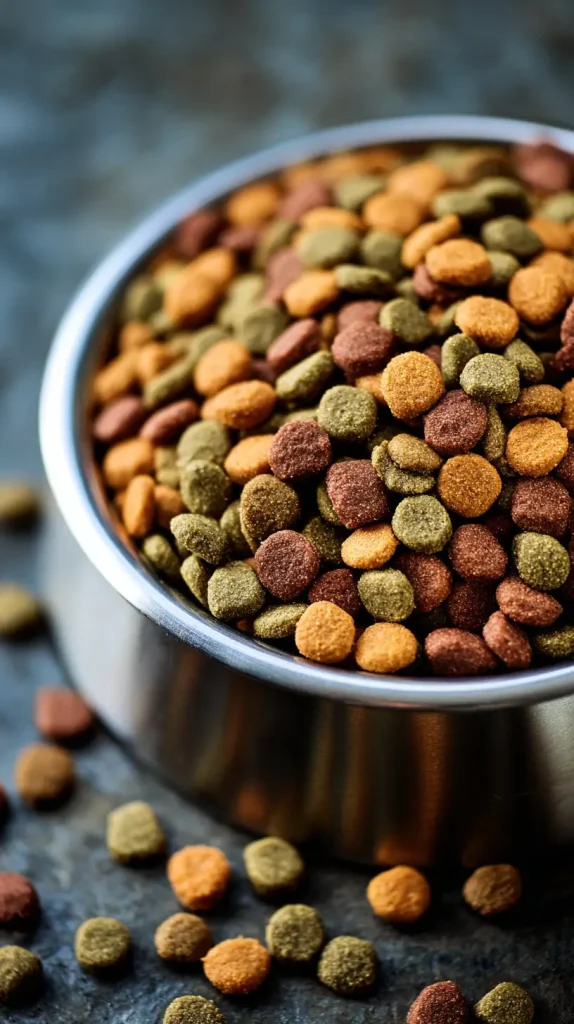
Serve the meal slightly warm to make it more appealing. Scoop the portion into your dog’s clean feeding bowl and let it settle. A sprinkling of fresh parsley can make it fragrant. For dogs that enjoy variety consider rotating in occasional pumpkin puree or blueberries as a healthy topper. On busy mornings store frozen meal packs in the fridge overnight so they thaw in time. A divided silicone mold can make portioning easy and fun. Use one mold cavity for each meal. Label the containers with the date so you always use the oldest first. For travel pack a serving in an insulated container or use a travel specific pet feeding bowl. Offer the meal after a short walk or light play to help with digestion. Always let the food cool enough not to burn gums or mouth.

Dog Food Recipe: Healthy Homemade Meal for Your Dog’s Daily Nutrition
Course: Blog6
servings15
minutes30
minutes300 per serving
kcalIngredients
500 g chicken breast (boneless, skinless)
1 cup brown rice (uncooked)
1 medium carrot (peeled and chopped)
1 medium sweet potato (peeled and diced)
½ cup peas (fresh or frozen)
1 cup spinach (chopped)
1 tablespoon olive oil
1 large egg
Directions
- Cook the rice: Add brown rice and two cups of water to a saucepan. Bring to a boil, reduce heat, cover, and simmer until soft (about 20 minutes).
- Prepare the vegetables: While rice is cooking, steam or lightly boil the chopped carrot and sweet potato until tender. Set aside.
- Cook the chicken: Cut chicken into small pieces. Heat olive oil in a pan over medium heat. Add chicken and cook until no longer pink inside.
- Add the egg: Crack the egg into the same pan and stir quickly to cook and scramble it with the chicken.
- Add spinach and peas: Stir in chopped spinach and peas. Cook for 3 to 5 minutes until spinach is wilted and peas are soft.
- Combine: In a large mixing bowl, combine cooked rice, chicken mixture, and vegetables. Stir well until evenly mixed.
- Cool and store: Let the food cool to room temperature before serving. Refrigerate leftovers for up to 3 days or freeze for up to 3 months.
Recipe Video
Notes
- Always consult your veterinarian before switching your dog to a homemade diet. Adjust portion sizes based on your dog’s weight, age, and activity level. Introduce the new food gradually to avoid digestive issues. You can also swap chicken with turkey or fish for variety and use seasonal vegetables like zucchini or pumpkin.
FAQs
How much of this food should I feed my dog
Portion depends on dog size breed age and activity level. As a ballpark figure feed about 2 to 3 percent of body weight per day, divided into two meals. Monitor body condition and adjust up or down as needed.
Can I freeze these meals
Yes simply pack in meal sized portions and freeze for up to three months. Thaw in fridge overnight or place sealed pack in warm water to speed thawing.
What if my dog has allergies
Avoid foods your dog reacts to. For grain allergies try quinoa or oats. For protein sensitivities use novel proteins like venison or duck if available and tolerated.
How do I ensure balanced nutrition
Use varied ingredients and keep general macro balance of approximately 40 percent protein 30 percent carbs 30 percent vegetables. Speak with your veterinarian about adding supplements if needed for vitamins or minerals.
Is homemade dog food more expensive than store options
Shopping seasonal produce and bulk meat can reduce cost. Homemade can be more cost effective especially if you already prepare meals at home for your family. Budget per meal can range widely depending on ingredient choices.
Conclusion
Making homemade food for your dog creates a moment of care that resonates beyond the bowl itself. A thoughtfully prepared meal nourishes body and spirit. You find comfort in knowing each ingredient is chosen with your dog in mind. Over time small adjustments help you tune the recipe to fit your dog’s unique needs. That sense of connection and customization feels deeply human. Take pleasure in kitchen time turned shared ritual and enjoy watching your dog’s tail wag with satisfaction.