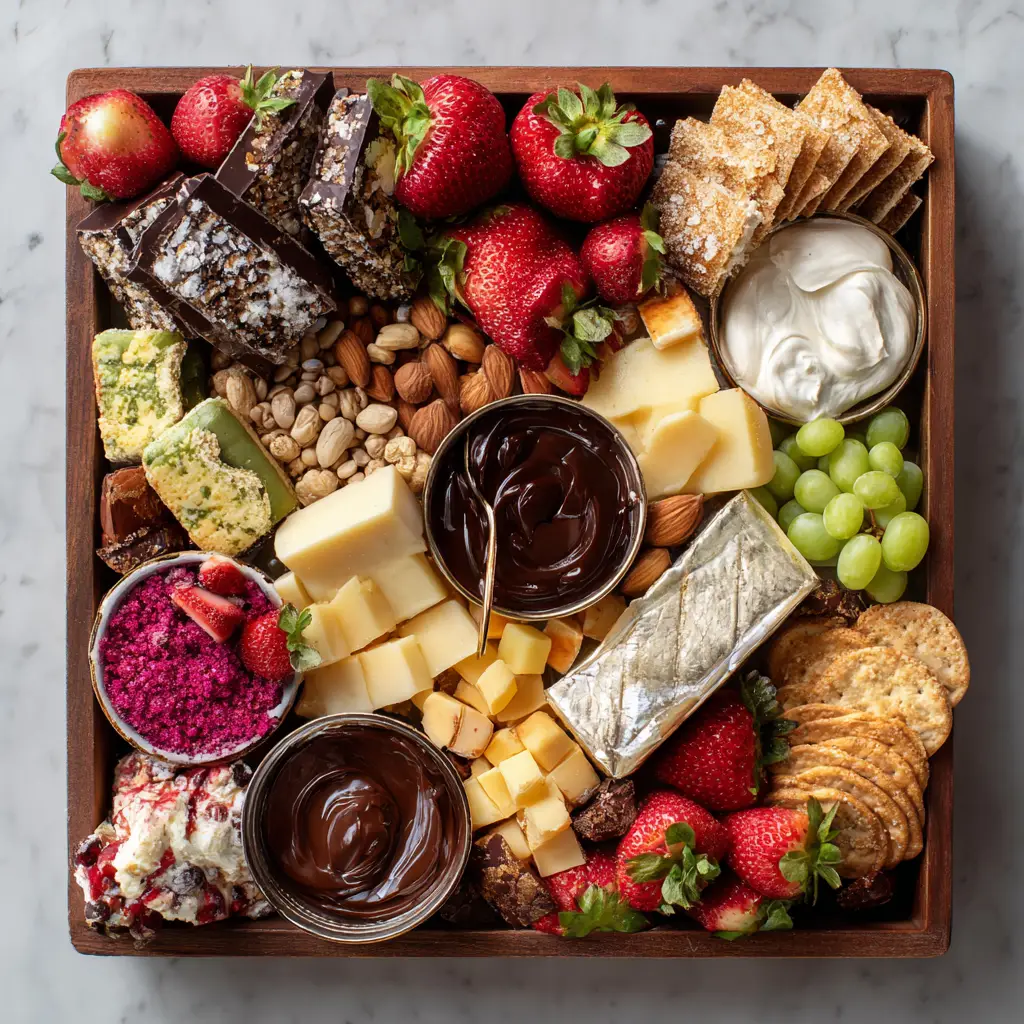
Dessert Charcuterie Board Ideas: Sweet, Stunning, and Easy to Make
Creating a dessert charcuterie board transforms any gathering into a visually stunning and indulgent experience. Unlike traditional charcuterie boards that feature meats and cheeses, dessert boards focus on an array of sweet treats that appeal to every taste. The concept invites creativity and personalization, allowing you to mix textures, colors, and flavors to suit the occasion. From chocolate lovers to fruit enthusiasts, a dessert charcuterie board offers something for everyone, making it an ideal centerpiece for parties, holidays, or casual get-togethers.
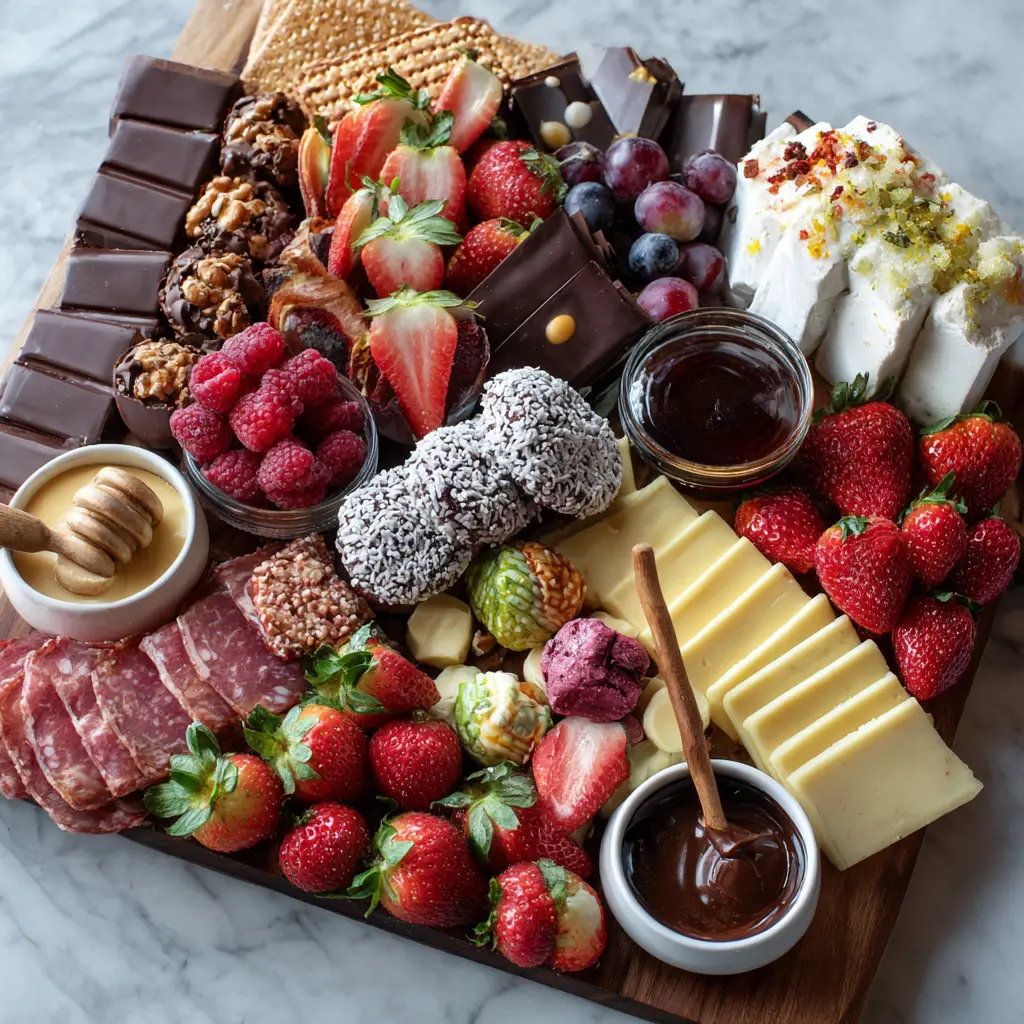
Designing a dessert charcuterie board is an art form. It combines aesthetics with taste, ensuring that every bite is both beautiful and delicious. Choosing ingredients that complement each other while offering variety keeps your board exciting. Additionally, layering textures and incorporating different heights creates visual appeal. Even small details like edible flowers, nuts, or drizzles of chocolate can elevate the presentation, turning a simple board into an impressive dessert display.
Whether you are an experienced host or new to entertaining, crafting a dessert charcuterie board is approachable. It allows flexibility in ingredient selection, accommodating dietary preferences such as gluten-free or vegan options. Beyond its visual charm, a dessert charcuterie board encourages social interaction. Guests can sample at their own pace, creating a sense of communal indulgence that is both inviting and celebratory.
Ingredients Needed
A well-rounded dessert charcuterie board includes a combination of fruits, chocolates, baked goods, and decorative items. The table below lists some popular ingredients along with their approximate calorie counts per serving.
| Ingredient | Serving Size | Calories |
|---|---|---|
| Strawberries | 1 cup | 49 |
| Blueberries | 1 cup | 85 |
| Grapes | 1 cup | 62 |
| Dark chocolate squares | 1 ounce | 155 |
| Milk chocolate truffles | 1 piece | 70 |
| Mini brownies | 1 piece | 90 |
| Macarons | 1 piece | 100 |
| Marshmallows | 10 pieces | 90 |
| Almonds | 1 ounce | 164 |
| Walnuts | 1 ounce | 185 |
| Honey or caramel drizzle | 1 tablespoon | 64 |
| Edible flowers | 2 grams | 5 |
| Biscotti | 1 piece | 120 |
Selecting ingredients is all about balance. Combine rich items like chocolate and truffles with fresh fruit for brightness. Nuts add crunch, while baked goods bring softness. Drizzles and decorations enhance visual appeal and flavor without overwhelming the board.
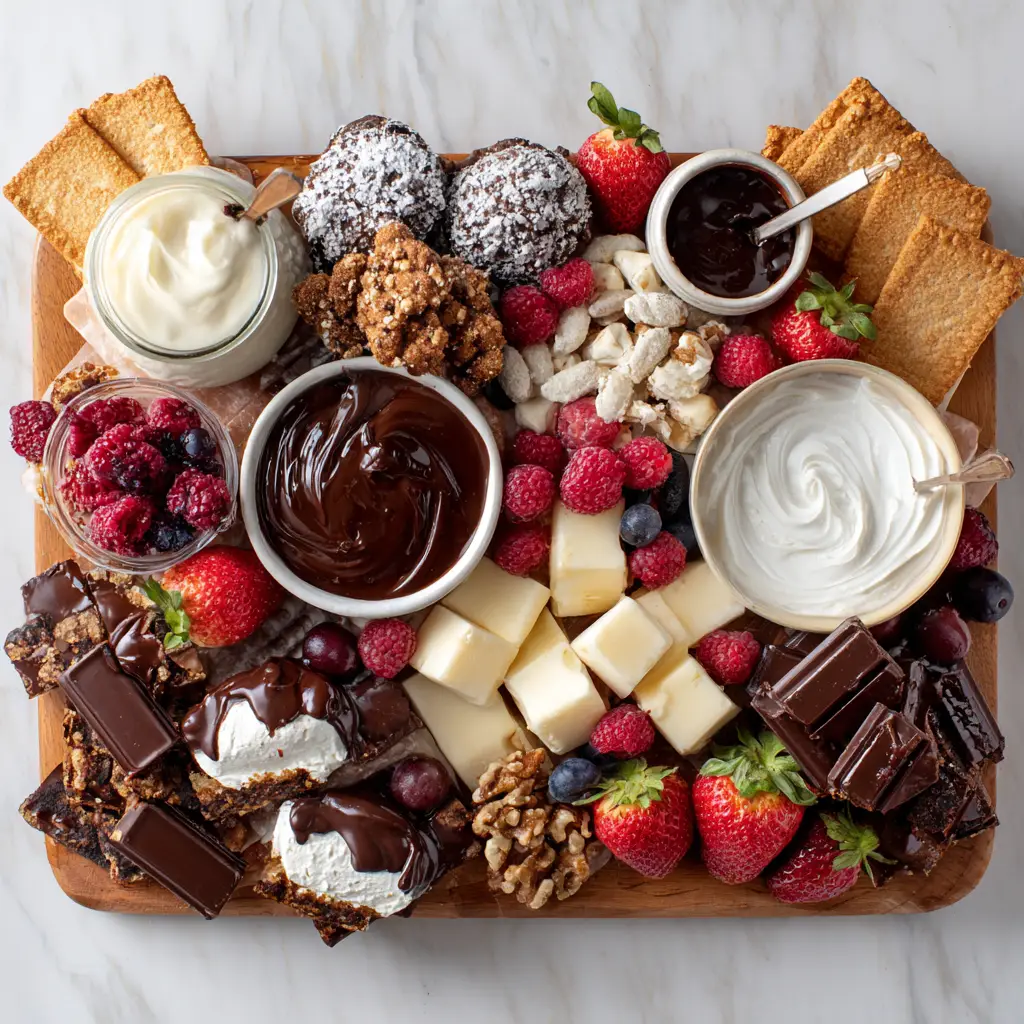
Step-by-Step Cooking Instructions
Assembling a dessert charcuterie board requires minimal cooking, focusing more on presentation and organization.
- Choose a board: Start with a wooden cutting board, slate, or platter. Larger boards give flexibility to create a visually appealing arrangement.
- Prep fruits: Wash berries and grapes thoroughly. Slice larger fruits like strawberries or kiwis for easier snacking. Pat dry to prevent excess moisture from making the board soggy.
- Arrange chocolates and sweets: Place truffles, chocolate squares, and mini brownies in clusters across the board. Avoid crowding to maintain balance.
- Add baked goods: Position macarons, biscotti, or mini pastries strategically to create height and variation. Stagger items for a natural look.
- Incorporate nuts: Scatter almonds and walnuts around desserts. Nuts provide texture and fill empty spaces, enhancing both appearance and taste.
- Add drizzles and decorative touches: Lightly drizzle honey, caramel, or chocolate over some items. Add edible flowers for color. Fresh mint leaves work well too.
- Final inspection: Step back and ensure the board looks balanced and inviting. Adjust placement as needed.
With these steps, the dessert charcuterie board comes together quickly while delivering maximum impact. Presentation is key, and taking a few extra minutes to adjust spacing makes a big difference.
Tips for Customizing the Recipe
Personalization is the heart of a dessert charcuterie board. Consider these tips to make your board uniquely yours:
- Seasonal fruits: Swap ingredients depending on the season. Summer berries or fall apples can add fresh flavor and color.
- Dietary adjustments: Include gluten-free cookies, vegan chocolates, or sugar-free truffles to accommodate guests.
- Themed boards: Match colors and decorations to holidays or events. Red and green for Christmas, pastel shades for spring, or gold accents for birthdays.
- Texture variety: Combine soft, crunchy, and chewy elements. A mix of cookies, nuts, and marshmallows keeps the palate engaged.
- Flavor balance: Include salty or tart elements such as salted caramel or dried cranberries to offset sweetness.
- Board layout: Experiment with geometric patterns, clusters, or diagonal arrangements for visual interest.
By customizing, you create an experience rather than just a dessert. Guests will remember not only the taste but also the thoughtfulness behind the presentation.
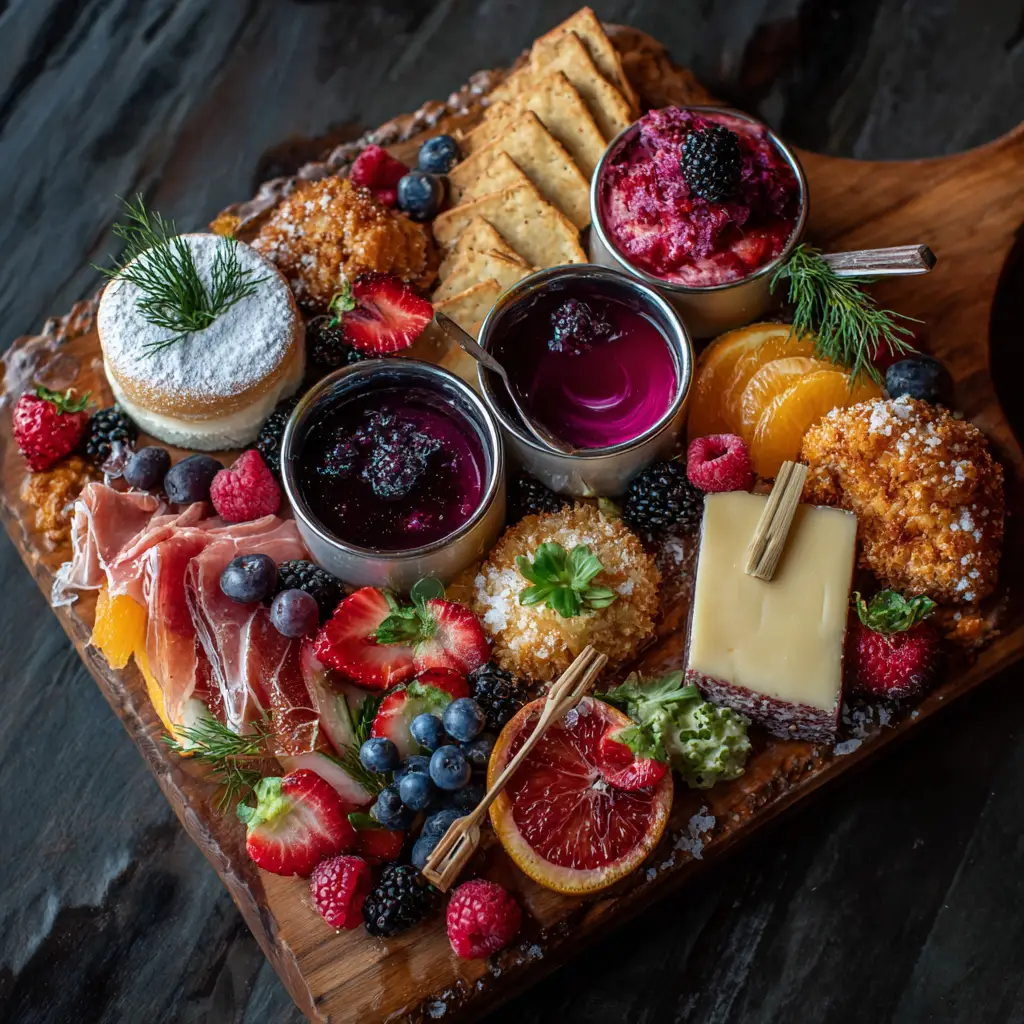
Nutritional Information
A dessert charcuterie board offers indulgence, but understanding its nutritional content helps in moderation. While calories vary by ingredient, here is an approximate guide for a small serving portion of 1 cup of mixed treats:
- Calories: 320–400
- Total fat: 18 grams
- Saturated fat: 6 grams
- Carbohydrates: 40 grams
- Sugar: 28 grams
- Protein: 4 grams
- Fiber: 3 grams
Adding fresh fruits increases fiber and vitamins while reducing overall calorie density. Nuts contribute protein and healthy fats, balancing sweetness and supporting satiety. Consider offering smaller portions or dividing the board into sections to help guests make mindful choices while enjoying indulgent flavors.
Serving Suggestions
Serving a dessert charcuterie board is all about presentation and convenience.
- Pair with beverages: Serve with coffee, tea, sparkling water, or dessert wines to complement flavors.
- Portion guidance: Provide small plates and tongs so guests can sample without crowding.
- Interactive setup: Encourage guests to create their own combinations, pairing chocolates with fruits or nuts.
- Accompanying dips: Include small bowls of chocolate, caramel, or fruit sauces for dipping.
- Outdoor gatherings: Keep perishable items chilled until serving, especially chocolates and cream-based desserts.
Serving it as a centerpiece adds charm to any table. The vibrant colors and textures create conversation, while the variety ensures everyone finds something they enjoy.
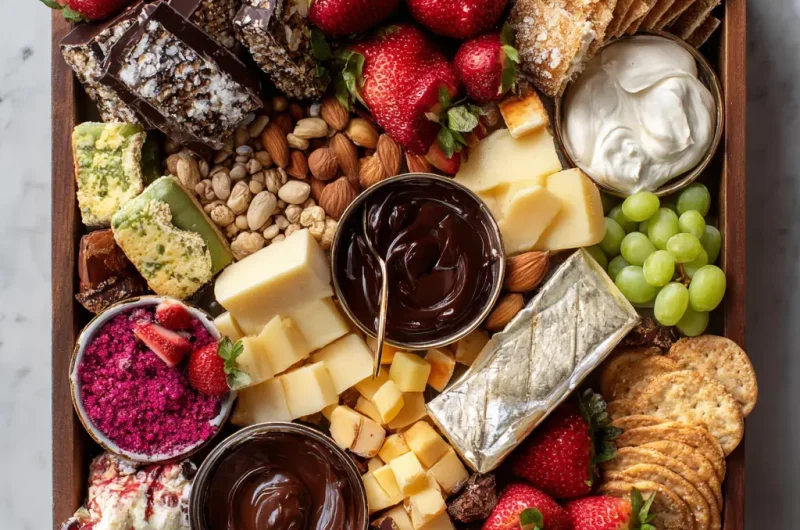
Dessert Charcuterie Board Ideas: Sweet, Stunning, and Easy to Make
Course: Blog10
servings15
minutes4
minutes90
kcalIngredients
2 medium yellow squash, sliced into ½ inch rounds
1 tablespoon olive oil
½ teaspoon salt
½ teaspoon black pepper
½ teaspoon garlic powder (optional)
¼ teaspoon paprika (optional)
Fresh parsley for garnish (optional)
Directions
- Wash the squash and slice it into ½ inch rounds. Pat dry with a paper towel.
- In a mixing bowl, toss the squash with olive oil, salt, pepper, and optional garlic powder or paprika until evenly coated.
- Preheat the air fryer to 375°F (190°C) for 3 minutes.
- Place the squash in the air fryer basket in a single layer. Avoid overcrowding to ensure even cooking.
- Cook for 12 to 15 minutes, shaking the basket halfway through to ensure all slices cook evenly.
- Remove from the air fryer when golden and tender.
- Garnish with fresh parsley if desired and serve immediately.
Recipe Video
Notes
- Cooking times may vary depending on the size of the squash and air fryer model. Adjust seasonings to taste.
Frequently Asked Questions
What is a dessert charcuterie board?
A dessert charcuterie board is a platter of sweet treats arranged in a visually appealing way, similar to a traditional charcuterie board but focused on desserts.
Can I make it ahead of time?
Yes, but fruits should be prepped just before serving to avoid sogginess. Cookies, chocolates, and nuts can be placed earlier.
How do I store leftovers?
Store in an airtight container in the refrigerator. Most items are best consumed within two days for optimal freshness.
Are there vegan options?
Absolutely. Vegan chocolates, cookies, fruits, and nuts can easily replace non-vegan ingredients.
What are budget-friendly alternatives?
Use seasonal fruits, homemade cookies, and bulk chocolates. Simple arrangements can be as impactful as elaborate boards.
Conclusion
Creating a dessert charcuterie board is more than just arranging sweets on a platter. It is a way to elevate any occasion with creativity, flavor, and visual appeal. Each ingredient contributes to a harmonious combination of tastes and textures, while the thoughtful arrangement delights the eye. Customization allows for dietary considerations and seasonal variations, making the board inclusive and flexible. Serving it encourages interaction, conversation, and indulgence at a relaxed pace. By taking time to carefully select ingredients and focus on presentation, a dessert charcuterie board becomes an unforgettable centerpiece. Whether for a casual gathering or a special celebration, this sweet display brings joy to both hosts and guests alike.