Dairy Free Mac and Cheese Recipe: Creamy, Easy, and Delicious
Introduction
Mac and cheese is a comfort food that brings warmth to every meal. Traditional versions rely heavily on dairy, which can make it difficult for people with lactose intolerance or those following a vegan lifestyle.
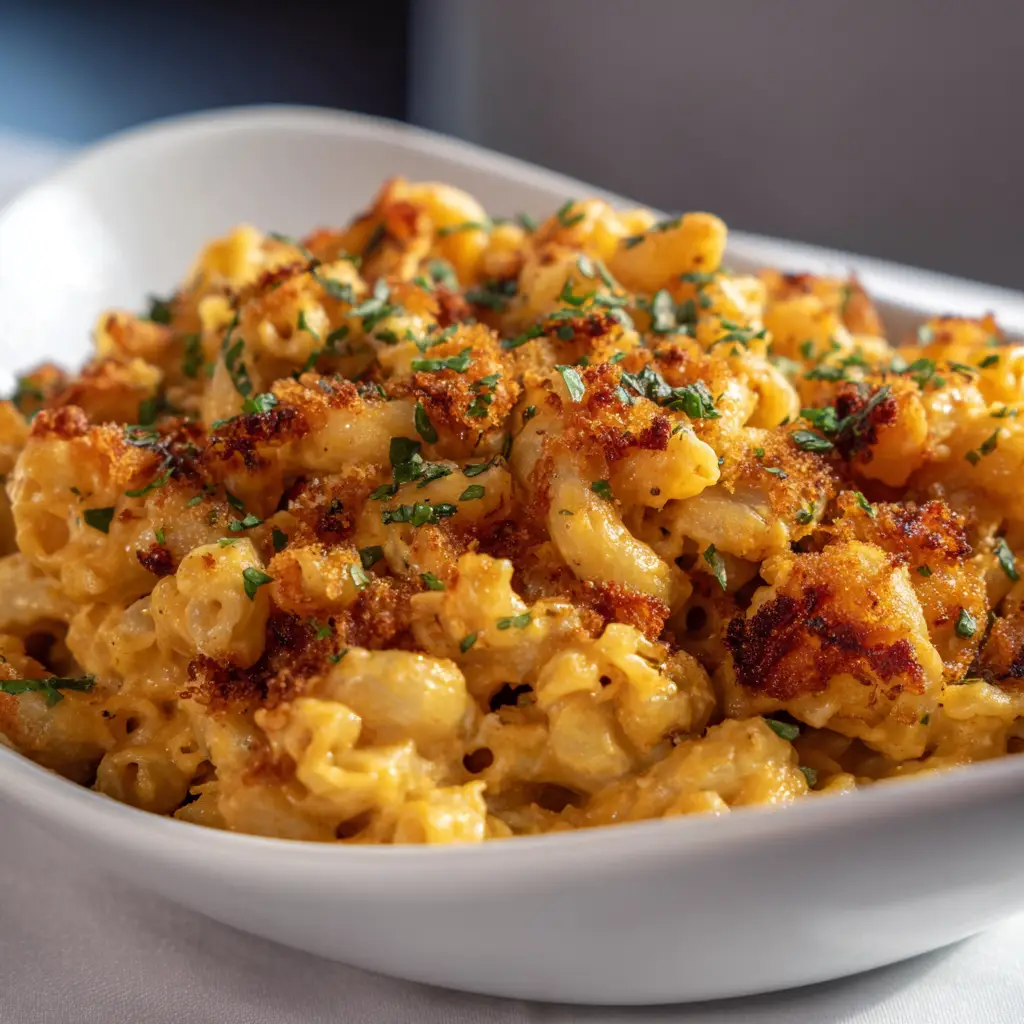
Dairy free mac and cheese offers all the creamy richness and flavor without using milk, butter, or cheese from animal sources. By carefully selecting plant-based alternatives, it is possible to achieve a dish that is just as satisfying as the original.
Ingredients Needed
A simple set of ingredients ensures that dairy free mac and cheese is both flavorful and easy to prepare. The table below lists the main ingredients along with their approximate calorie counts per serving.
| Ingredient | Quantity | Calories per Serving |
|---|---|---|
| Elbow macaroni | 2 cups | 200 |
| Unsweetened almond milk | 2 cups | 60 |
| Nutritional yeast | 1/2 cup | 45 |
| Olive oil | 2 tablespoons | 240 |
| All-purpose flour | 2 tablespoons | 55 |
| Garlic powder | 1 teaspoon | 10 |
| Onion powder | 1 teaspoon | 10 |
| Mustard (Dijon) | 1 teaspoon | 5 |
| Salt | 1 teaspoon | 0 |
| Black pepper | 1/2 teaspoon | 3 |
| Paprika | 1/2 teaspoon | 3 |
These ingredients combine to create a creamy, golden sauce that clings perfectly to pasta. Nutritional yeast is the secret ingredient, providing a natural cheesy flavor without any dairy. Almond milk keeps the sauce smooth and rich while keeping the dish light. Olive oil adds body to the sauce, making it silky and indulgent.
Step by Step Cooking Instructions
Creating dairy free mac and cheese follows a few simple steps, allowing both beginners and experienced cooks to achieve consistent results.
- Begin by bringing a large pot of water to a boil. Add a generous pinch of salt and cook the elbow macaroni according to package instructions until al dente. Drain and set aside.
- In a separate saucepan, heat olive oil over medium heat. Add the flour gradually, whisking constantly to form a smooth roux. Cooking the flour briefly ensures the sauce does not taste raw and thickens properly.To expand your menu, add Homemade mac and cheese to your must-try list.
- Slowly pour in almond milk while whisking to prevent lumps. Continue to cook for five to seven minutes, stirring frequently until the mixture thickens.
- Add nutritional yeast, garlic powder, onion powder, Dijon mustard, paprika, salt, and black pepper. Stir thoroughly to combine. The sauce should take on a golden, slightly thickened appearance.
- Reduce the heat to low and combine the cooked pasta with the sauce. Stir gently to ensure that every piece of pasta is coated. Taste and adjust seasoning as needed, adding more salt, pepper, or paprika for extra flavor.
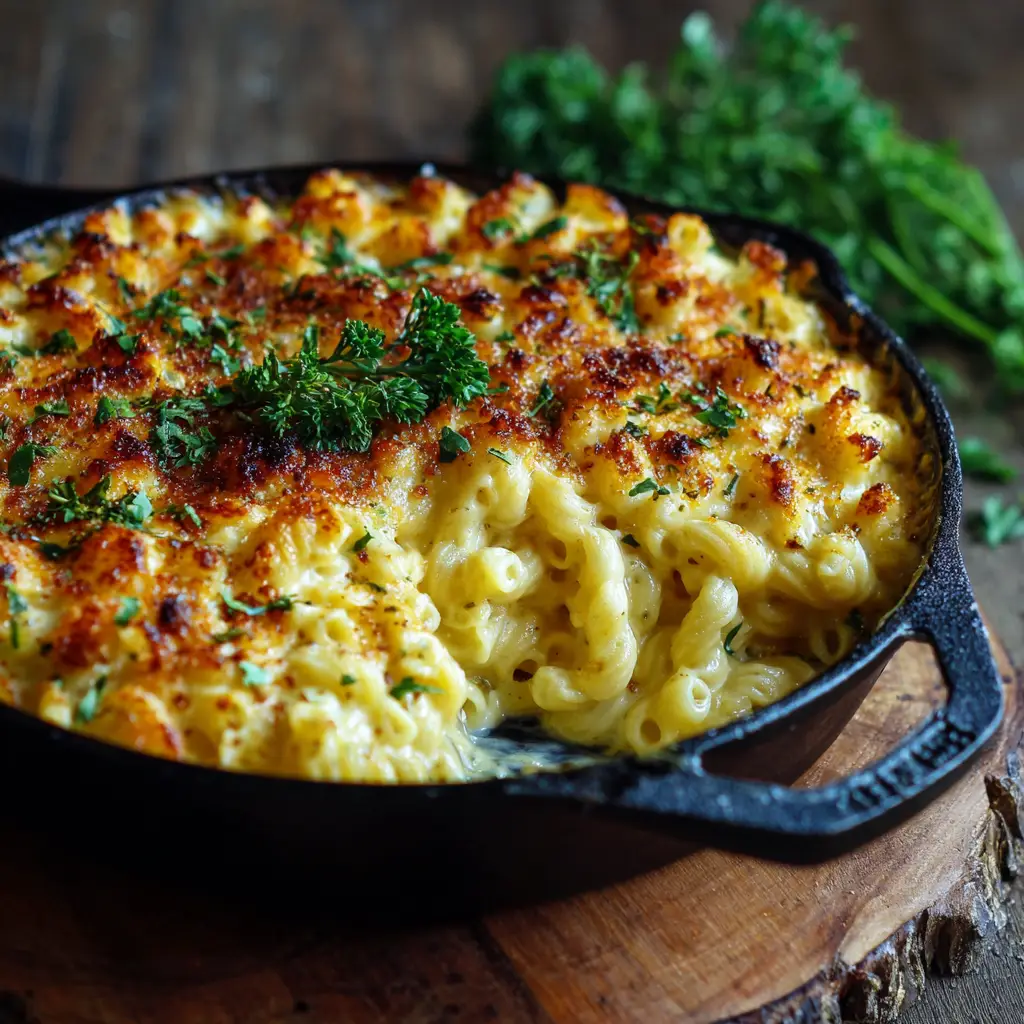
- Optionally, transfer the mac and cheese to a baking dish. Top with breadcrumbs or crushed nuts for a crunchy finish, then bake at 350 degrees Fahrenheit for 10 to 15 minutes until golden and crispy on top.
The result is a creamy, flavorful dish that mimics traditional mac and cheese without using any dairy. It holds its shape well and is satisfying in both texture and taste.
Tips for Customizing the Recipe
Dairy free mac and cheese is highly adaptable, allowing for creative twists. Adding roasted vegetables such as broccoli, cauliflower, or bell peppers enhances both nutrition and flavor. For those who enjoy a smoky undertone, smoked paprika or chipotle powder can be stirred into the sauce.
Herbs such as thyme, parsley, or chives elevate the flavor profile while keeping it fresh. Spicy elements like crushed red pepper flakes or a dash of hot sauce can turn this comfort food into a bold dish.
Cheese alternatives such as cashew cream or vegan cheddar shreds can replace or supplement the nutritional yeast for those craving extra creaminess. Additionally, experimenting with different plant-based milks such as oat or cashew milk alters the richness and sweetness of the sauce.
For a crunchy topping, panko breadcrumbs, crushed almonds, or sunflower seeds work beautifully. Toasting the topping briefly before adding it ensures a golden finish that contrasts perfectly with the creamy pasta beneath. Customizing the recipe allows home cooks to create a version that aligns perfectly with their dietary needs and taste preferences while keeping the base simple and approachable.
Nutritional Information
A typical serving of dairy free mac and cheese contains approximately:
The dish is lower in saturated fat compared to traditional mac and cheese, thanks to plant-based ingredients. Nutritional yeast provides a source of B vitamins and protein, while olive oil contributes healthy monounsaturated fats. Using whole grain or legume-based pasta can further boost fiber and protein content, making the meal more balanced and filling.
Serving Suggestions
Dairy free mac and cheese pairs well with a variety of side dishes and main courses. Fresh green salads with light vinaigrette provide a refreshing contrast. Steamed vegetables such as asparagus or green beans enhance the meal with extra nutrients. For protein, grilled tofu, tempeh, or roasted chickpeas complement the creamy pasta beautifully.
This dish also works well as a standalone meal. It is hearty enough to satisfy even the biggest comfort food cravings. Leftovers can be reheated easily, and the sauce maintains its creamy texture with gentle warming on the stove or in the oven. For added indulgence, a sprinkle of fresh herbs or a drizzle of truffle oil elevates the presentation and flavor.
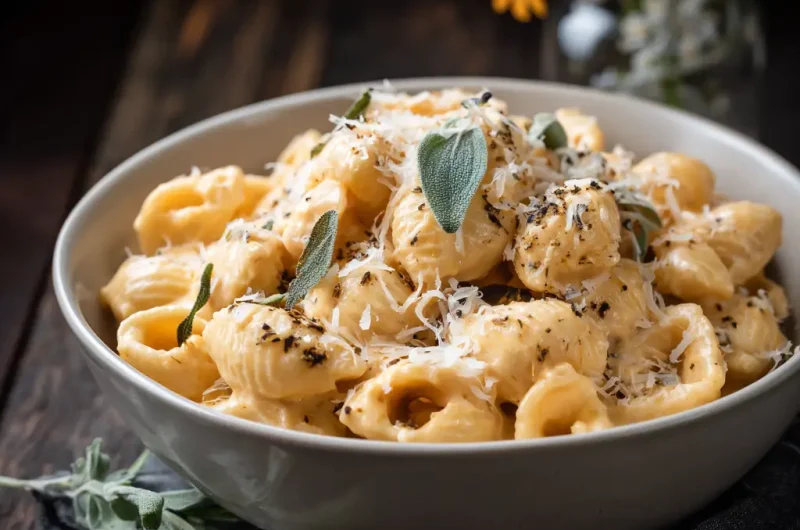
Dairy Free Mac and Cheese Recipe: Creamy, Easy, and Delicious
Course: Blog4
servings10
minutes20
minutes370
kcalIngredients
2 cups elbow macaroni
2 cups unsweetened almond milk
1/2 cup nutritional yeast
2 tablespoons olive oil
2 tablespoons all-purpose flour
1 teaspoon garlic powder
Directions
- Cook the macaroni in a large pot of boiling salted water until al dente. Drain and set aside.
- In a medium saucepan, heat olive oil over medium heat. Gradually whisk in flour to make a smooth roux.
- Slowly pour in almond milk while whisking constantly to avoid lumps. Cook for 5–7 minutes until the sauce thickens.
- Add nutritional yeast, garlic powder, onion powder, Dijon mustard, paprika, salt, and black pepper. Stir until well combined.
Recipe Video
Notes
- For extra creaminess, add a few tablespoons of cashew cream or blend some cooked pasta into the sauce.
Use gluten-free pasta and flour if you want a gluten-free version.
FAQs
Can I make this recipe gluten free?
Yes. Use gluten free pasta and substitute all-purpose flour with a gluten free flour blend or cornstarch. The sauce will thicken similarly without altering the flavor.
What can I use instead of almond milk?
Other unsweetened plant-based milks such as oat, soy, or cashew milk work well. Choose a milk with a neutral flavor for the best results.
Can I freeze dairy free mac and cheese?
Yes, but slightly undercook the pasta to avoid mushy texture upon reheating. Store in an airtight container for up to three months.
How can I make it extra creamy?
Adding a small amount of cashew cream or blending a portion of the cooked pasta into the sauce creates a thicker, creamier consistency.
Is nutritional yeast necessary?
It is recommended for the cheesy flavor. However, vegan cheese shreds or a small amount of miso paste can also enhance the umami taste.
Conclusion
Dairy free mac and cheese is a delightful way to enjoy comfort food without dairy. Its creamy texture and rich flavor make it a versatile meal suitable for any occasion. With simple ingredients and a straightforward cooking method, it becomes an accessible option for those seeking healthier or plant-based alternatives. Customization allows endless variations, ensuring every plate can match personal taste preferences.