
Cottage Cheese Recipe: Creamy, Cheesy, and Protein Rich
Introduction
Homemade cottage cheese is a simple yet rewarding dairy product that brings freshness, flavor, and versatility to your kitchen. Unlike store-bought options, making cottage cheese at home allows complete control over ingredients, ensuring purity, freshness, and a natural taste. Soft, creamy, and slightly tangy, this cheese is perfect for a variety of dishes, from salads and sandwiches to curries and snacks.
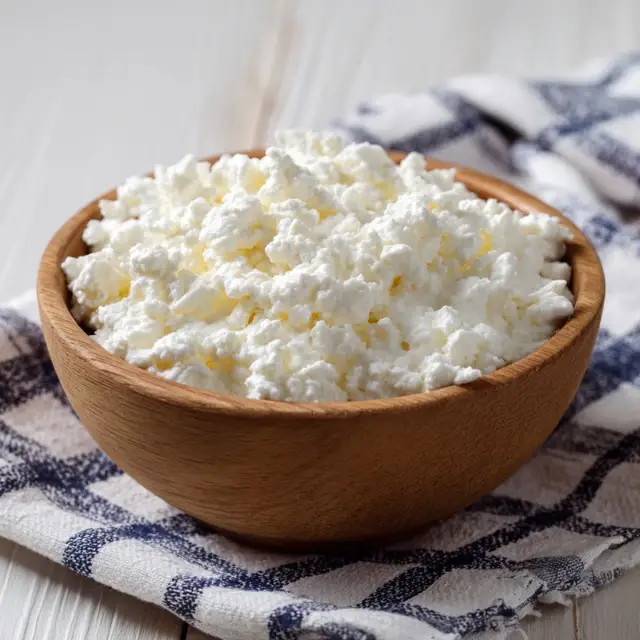
Creating cottage cheese at home is not only cost-effective but also surprisingly easy. Using just milk and a natural acid like lemon juice or vinegar, anyone can produce fresh, flavorful curds without additives or preservatives. The process of making cottage cheese is satisfying and gives a sense of accomplishment, as simple steps transform ordinary milk into a versatile ingredient that enhances countless recipes.
Ingredients Needed
The ingredients required to make cottage cheese at home are simple, natural, and easily available. Quality milk ensures the best flavor and texture.
| Ingredient | Approximate Calories per Serving |
|---|---|
| Whole milk | 150 |
| Lemon juice or white vinegar | 2 |
| Salt (optional) | 0 |
| Water for rinsing | 0 |
Step by Step Cooking Instructions
Begin by pouring fresh whole milk into a large saucepan. Heat the milk on medium, stirring occasionally to prevent it from sticking to the pan. Once the milk reaches a gentle boil, reduce the heat and gradually add lemon juice or white vinegar while stirring gently. The acid will cause the milk to curdle, separating into curds and whey.
Allow the mixture to sit for two to three minutes to ensure complete separation. Line a colander with a clean muslin cloth or cheesecloth and pour the curdled milk into it. Rinse the curds under cold water to remove any residual lemon or vinegar taste. Gather the cloth and gently squeeze out excess water to achieve the desired consistency.
For firmer cottage cheese, place a weight on the wrapped curds for 10 to 15 minutes. Unwrap the cheese and cut it into cubes or crumble it depending on the intended use. If desired, add a pinch of salt to enhance flavor. Store the finished cottage cheese in an airtight container in the refrigerator and use within three to four days for maximum freshness.
Tips for Customizing the Recipe
Cottage cheese can be adapted to different textures and flavors. For creamier curds, avoid pressing too long and retain some moisture. To make tangier cheese, slightly increase the amount of lemon juice or vinegar. Fresh herbs, spices, or garlic can be mixed into the curds for added flavor, creating a ready-to-use seasoned cheese.

Cottage cheese can also be customized for firmness depending on its intended use. Softer curds are ideal for spreading or incorporating into desserts, while firmer cheese works better in curries, sandwiches, or cubed for salads. Experimenting with milk types, such as full-fat, low-fat, or even plant-based milk alternatives, can create unique variations with slightly different textures and tastes.
Nutritional Information
Homemade cottage cheese is a nutrient-dense food. It is rich in protein, making it excellent for muscle repair and overall satiety. It provides calcium and phosphorus, which are essential for bone health. Low in carbohydrates and naturally free from preservatives, cottage cheese supports balanced diets and healthy eating habits.
Adding cottage cheese to meals increases protein intake without adding excessive calories. The fat content can be adjusted based on milk choice, making it suitable for different dietary needs. Additionally, cottage cheese contains vitamins such as vitamin B12 and riboflavin, contributing to energy metabolism and overall health.
Serving Suggestions
Cottage cheese is incredibly versatile. Use it in salads with fresh vegetables, as a filling in sandwiches and wraps, or as a base for creamy dips. It can be incorporated into curries and sauces for added richness or used in desserts like cheesecakes and parfaits.
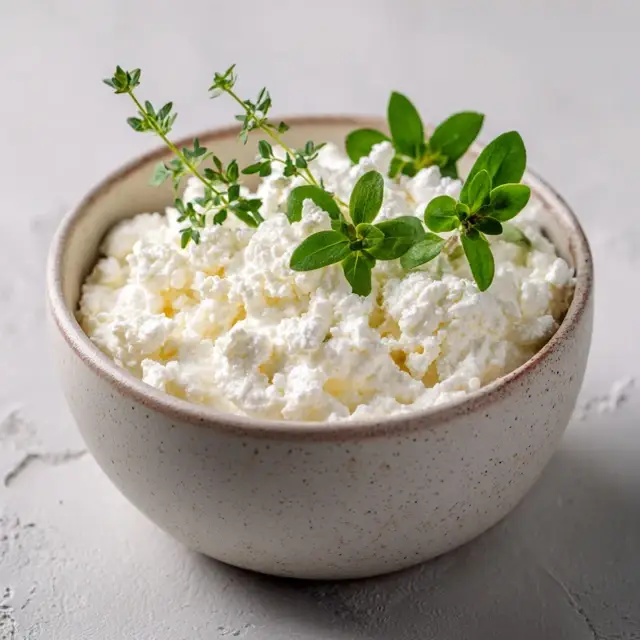
For a simple snack, sprinkle herbs, spices, or a drizzle of olive oil over crumbled cottage cheese. Pair it with fresh fruit for a healthy breakfast or light dessert. Cottage cheese also works well in meal prep, as it stays fresh in an airtight container and can be portioned for salads, wraps, or cooking applications throughout the week.
Common Mistakes to Avoid
Overheating milk can lead to tough, rubbery curds. Heat milk gently to a boil and reduce the heat before adding acid. Adding too much acid can make the curds overly tangy and crumbly, while too little will prevent proper curd formation. Proper rinsing of curds is important to remove any residual acidic taste. Pressing too hard can make the cheese too firm, while insufficient pressing leaves excess water and weak texture.

Cottage Cheese Mac and Cheese Recipe: Creamy, Cheesy, and Protein Rich
Course: Blog4
servings10
minutes15
minutes90
kcalIngredients
1 liter whole milk
2 tablespoons lemon juice or white vinegar
1/4 teaspoon salt (optional)
Water for rinsing
Directions
- Pour milk into a large saucepan and heat over medium heat, stirring occasionally to prevent scorching.
- When milk comes to a gentle boil, reduce heat and add lemon juice or vinegar slowly while stirring.
- The milk will curdle and separate into curds and whey. Remove from heat immediately.
- Let it sit for 2 to 3 minutes to ensure full separation.
- Line a colander with a clean muslin or cheesecloth and pour the curdled milk into it.
- Rinse the curds under cold water to remove any residual lemon or vinegar taste.
- Gather the cloth and squeeze out excess water gently.
- For firm cottage cheese, place a weight on top of the wrapped curds for 10 to 15 minutes.
- Unwrap and cut the cheese into cubes or crumble as desired. Add salt if using.
- Store in an airtight container in the refrigerator and use within 3 to 4 days.
Recipe Video
Notes
- For softer cottage cheese, avoid pressing too long.
Use fresh milk for the best flavor and texture.
Lemon juice gives a slightly tangy flavor, while vinegar is neutral.
Frequently Asked Questions
Can I use low-fat milk for cottage cheese
Yes, low-fat milk can be used, though the texture will be slightly less creamy.
How long does homemade cottage cheese last
It can be stored in the refrigerator in an airtight container for up to three to four days.
Can I freeze cottage cheese
Freezing is not recommended as it changes the texture, making it crumbly and less creamy.
Can I flavor cottage cheese
Yes, mix in herbs, spices, garlic, or even fruit for sweet variations to enhance flavor.
Is it possible to make vegan cottage cheese
Yes, plant-based milk such as soy or almond can be curdled using lemon juice or vinegar, though the texture differs slightly from dairy cottage cheese.
Conclusion
Homemade cottage cheese is a fresh, creamy, and versatile ingredient that elevates meals with natural flavor and nutritional value. Its simple preparation, customizable texture, and wide range of uses make it a staple in healthy kitchens. From snacks and salads to curries and desserts, cottage cheese adapts beautifully to countless recipes. Preparing it at home ensures freshness, purity, and control over ingredients while providing a rewarding cooking experience. Mastering this basic recipe opens the door to endless culinary creativity, making cottage cheese an essential and versatile component of your daily meals.