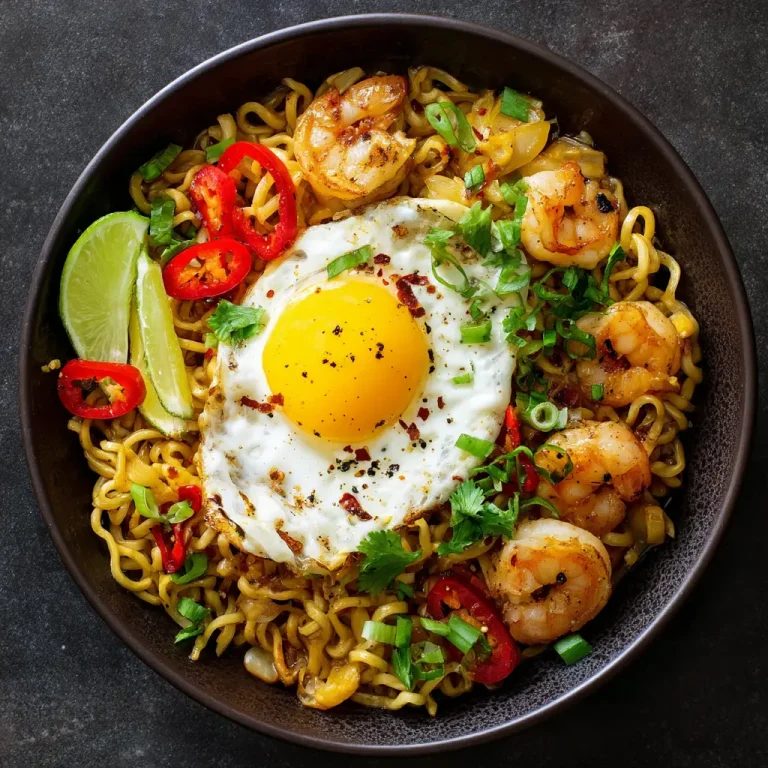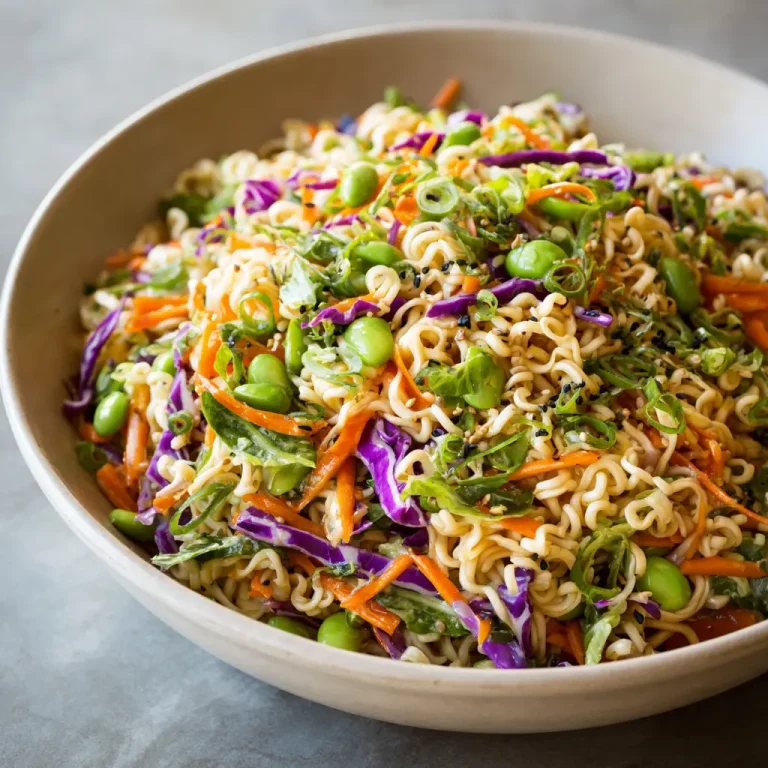
Corean Noodles Recipe A Flavorful Korean Comfort Dish
Korean noodles hold a special place in Asian cuisine and in global food culture. Bowls of steaming noodles appear on street corners in Seoul, in home kitchens during late evenings, and in modern restaurants around the world. The appeal comes from bold flavors, comforting textures, and a deep sense of tradition. Korean noodles reflect the balance of spicy, savory, and slightly sweet tastes that define Korean cooking. Every bite tells a story of regional ingredients, seasonal habits, and family recipes passed down through generations.
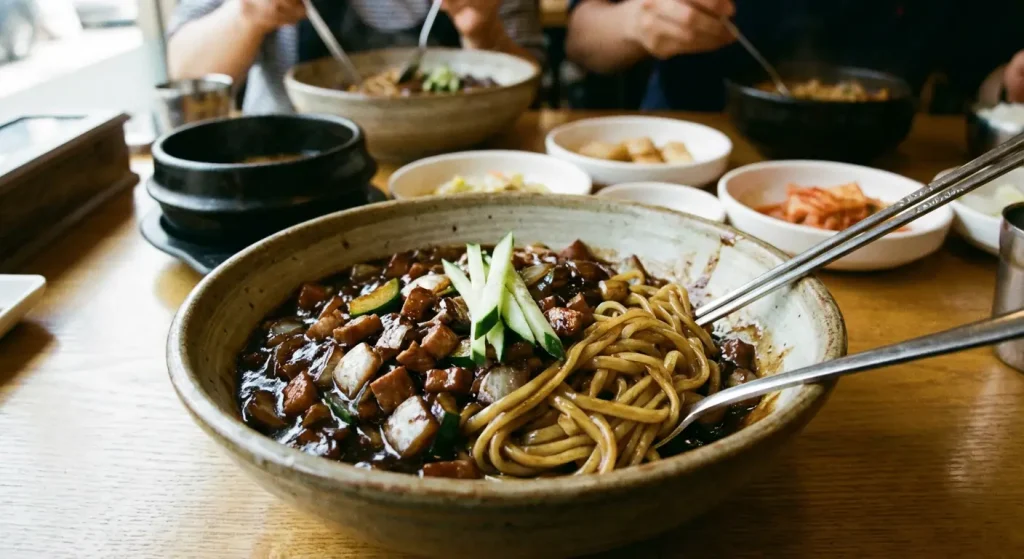
A strong connection exists between Korean noodles and daily life. Students enjoy quick noodle meals after school. Office workers gather around noodle shops for warm lunches. Families prepare noodle dishes during celebrations and holidays. These noodles are not just food. They are comfort, culture, and creativity in a bowl. From chewy wheat noodles to soft sweet potato strands, each variety offers a unique experience.
Global interest in Korean food has grown rapidly. K dramas and Korean pop culture have introduced many people to dishes like ramen, japchae, and kalguksu. Noodles often serve as the entry point for newcomers. The ingredients feel familiar, yet the flavors feel exciting. Cooking Korean noodles at home allows anyone to recreate that experience with simple steps and accessible ingredients.
This guide explores Korean noodles in detail. Readers will learn about ingredients, cooking methods, nutrition, and customization ideas. The goal is to provide practical knowledge while celebrating the warmth and soul of Korean noodle dishes. Home cooks, food lovers, and curious beginners will all find value in this deep dive into Korean noodle cooking.
Ingredients Needed
Korean noodles rely on fresh ingredients and balanced seasoning. Each component plays an important role in flavor and texture. The list below focuses on a classic spicy Korean noodle bowl that can be adjusted easily. Ingredients are widely available in Asian markets and many supermarkets.
| Ingredient | Quantity | Approximate Calories |
|---|---|---|
| Korean wheat noodles | 200 grams | 280 |
| Gochujang | 2 tablespoons | 70 |
| Soy sauce | 1 tablespoon | 10 |
| Sesame oil | 1 teaspoon | 40 |
| Garlic cloves | 3 minced | 15 |
| Onion | 1 medium sliced | 45 |
| Green onions | 2 stalks | 10 |
| Vegetable broth | 2 cups | 20 |
| Soft tofu | 100 grams | 75 |
| Sesame seeds | 1 teaspoon | 15 |
| Red chili flakes | 1 teaspoon | 5 |
| Spinach or bok choy | 1 cup | 10 |
Ingredient quality matters. Fresh garlic and green onions enhance aroma. Authentic gochujang provides depth and mild sweetness. Wheat noodles offer chewiness that holds sauce well. Vegetable broth adds body without overpowering flavors.
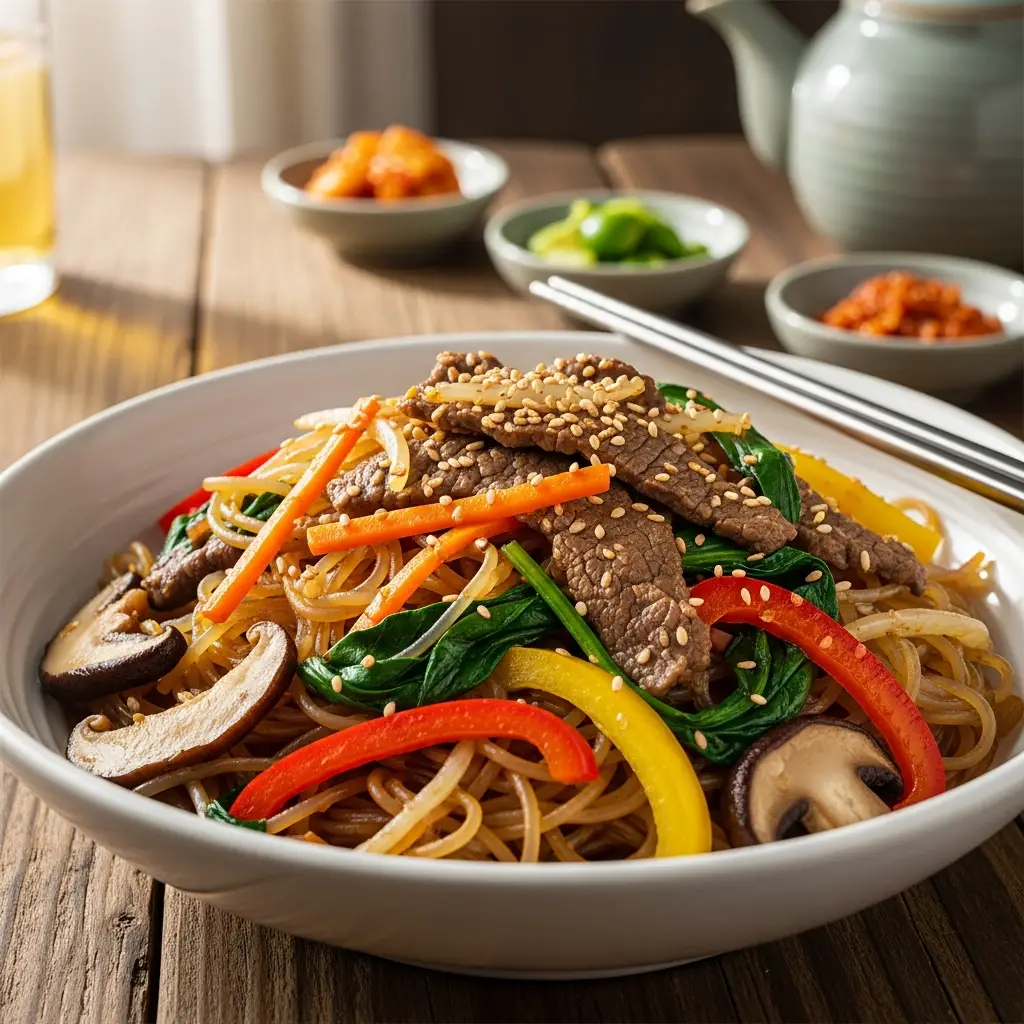
Step by Step Cooking Instructions
Cooking Korean noodles at home feels rewarding and straightforward. Each step builds flavor gradually. Preparation keeps the process smooth and enjoyable.
Begin by bringing a large pot of water to a rolling boil. Add the wheat noodles and cook according to package instructions. Stir gently to prevent sticking. Once tender but still chewy, drain and rinse briefly under warm water. Set aside to remove excess starch.
Heat a large pan over medium heat. Add sesame oil and allow it to warm slowly. Add minced garlic and sliced onion. Stir until fragrant and translucent. This step creates a rich base aroma that defines the dish. Avoid browning the garlic to keep flavors smooth.
Add gochujang and soy sauce to the pan. Stir continuously to combine with the onion mixture. The sauce should appear glossy and thick. Lower the heat slightly to prevent burning. Add vegetable broth and stir until the sauce loosens and becomes silky.
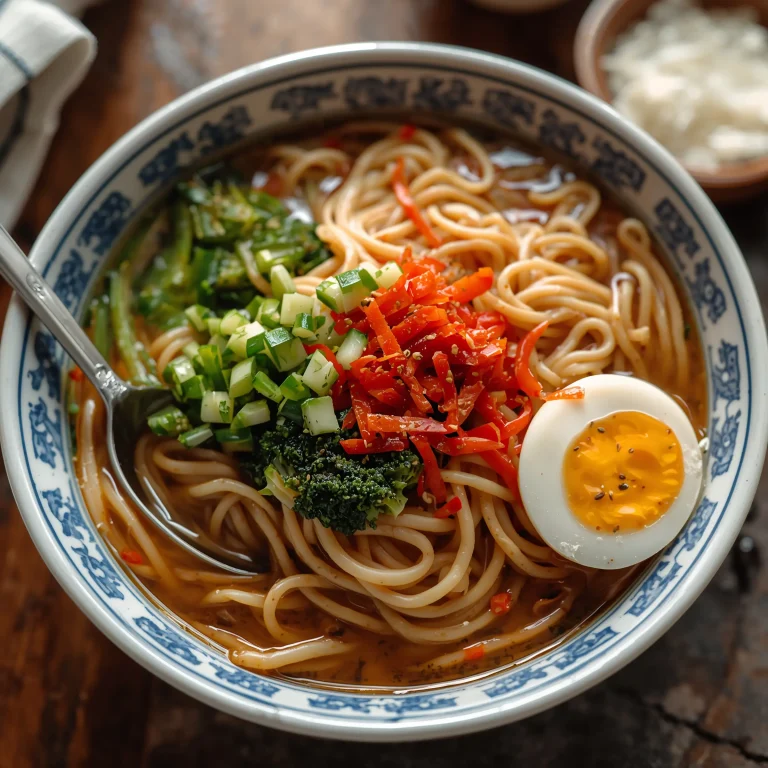
Gently add tofu cubes and leafy greens. Simmer for several minutes until greens wilt and tofu absorbs flavor. The broth should look vibrant and slightly red from the chili paste.
Add cooked noodles to the pan. Use tongs or chopsticks to toss everything together. Ensure noodles are fully coated with sauce. Allow the noodles to simmer for two to three minutes so flavors meld together.
Taste and adjust seasoning. Add chili flakes for extra heat or a splash of soy sauce for saltiness. Once satisfied, remove from heat. Garnish with green onions and sesame seeds before serving.
The result should be a warm bowl of noodles with balanced spice, savory depth, and comforting texture.
Tips for Customizing the Recipe
Customization makes Korean noodles exciting and personal. Many variations exist depending on preference and dietary needs. Simple adjustments can transform the dish completely.
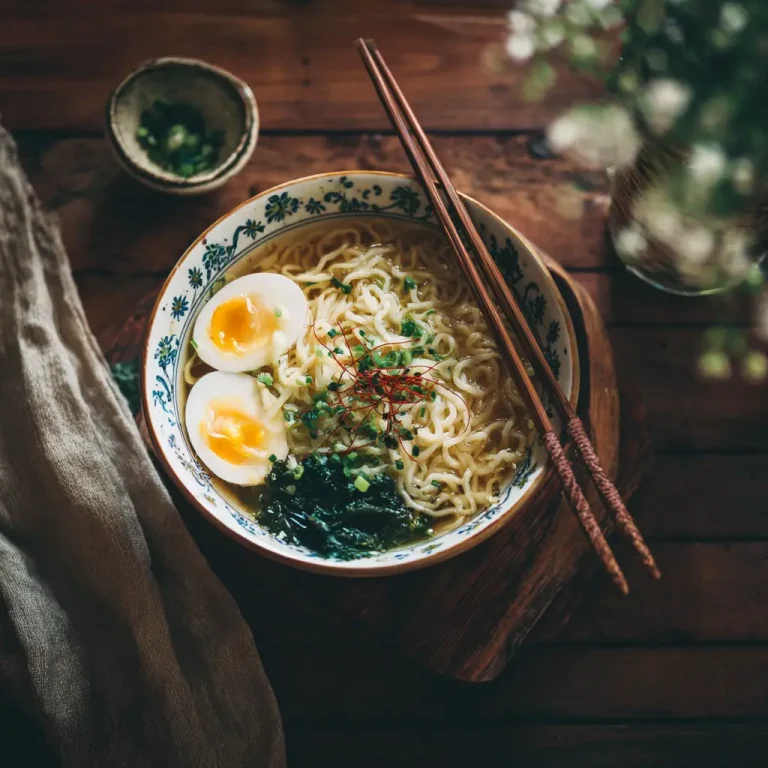
Protein options offer variety. Sliced beef, chicken, or shrimp can replace tofu. Cook protein separately and add during the sauce stage. Eggs also work well. A soft boiled egg or gently stirred egg adds richness.
Vegetable choices add color and nutrition. Mushrooms provide earthiness. Carrots add sweetness. Zucchini offers softness. Seasonal vegetables keep the dish fresh and interesting.
Spice levels remain flexible. Reduce gochujang for mild flavor. Increase chili flakes for heat lovers. A spoon of sugar or honey balances intense spice.
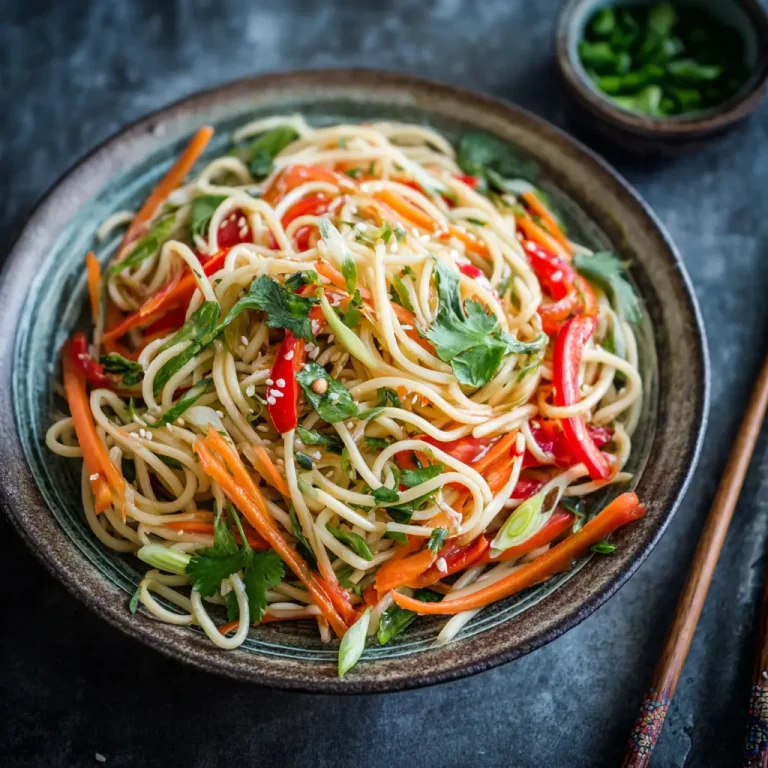
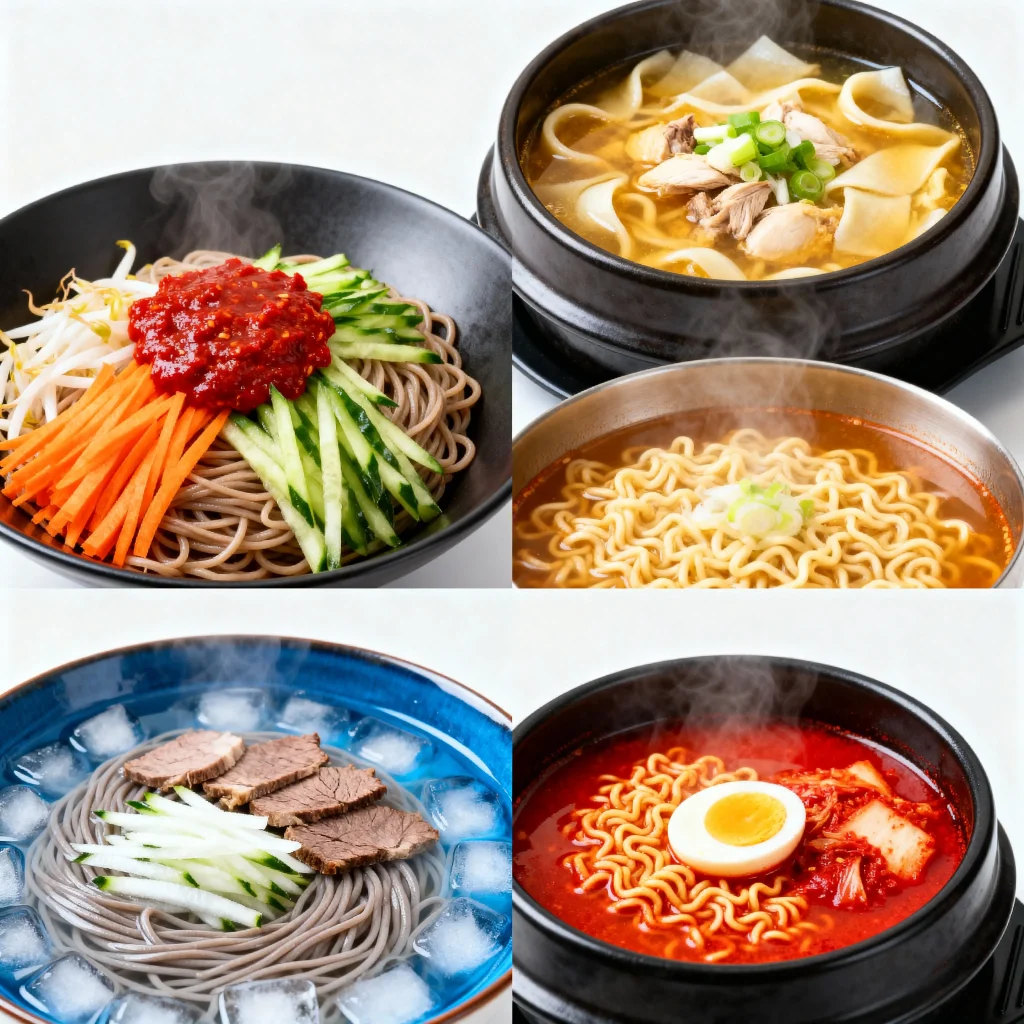
Noodle types change texture. Sweet potato noodles create a chewy glass like bite. Rice noodles make the dish lighter. Each option brings a new experience while keeping Korean essence intact.
Sauce adjustments allow creativity. A splash of rice vinegar adds tang. A bit of miso deepens umami. Sesame paste creates a creamy finish. Experimentation leads to signature flavors.
Nutritional Information
Korean noodles provide a balanced meal when prepared thoughtfully. Carbohydrates from noodles supply energy. Vegetables add vitamins and minerals. Protein supports muscle health. Healthy fats from sesame oil improve satiety.
A typical serving contains moderate calories while offering high satisfaction. Fiber from greens aids digestion. Fermented gochujang contributes beneficial compounds. Sodium levels depend on soy sauce quantity so moderation is key.
Homemade preparation allows control over salt and oil. Choosing whole vegetables and lean proteins improves nutritional value. The dish fits well into an active lifestyle when enjoyed in balanced portions.
Serving Suggestions
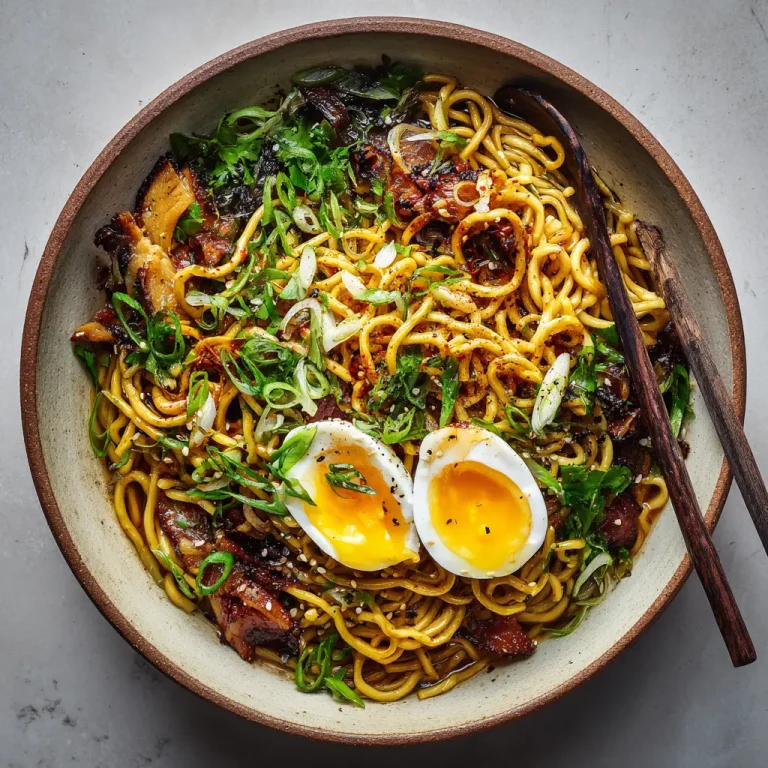
Presentation enhances enjoyment. Serve Korean noodles in deep bowls to retain heat. Garnish generously for visual appeal. Sesame seeds and green onions add texture and color.
Pair noodles with traditional side dishes like kimchi or pickled radish. These sides add crunch and acidity. A light cucumber salad balances spice.
Warm tea or barley water complements the meal. For gatherings, serve noodles family style and allow guests to customize toppings. Leftovers reheat well and often taste better the next day.
Korean noodles also work as comfort food during cold weather. They provide warmth and satisfaction with minimal effort. Casual dinners and quick lunches benefit from this versatile dish.
Corean Noodles Recipe A Flavorful Korean Comfort Dish
Course: Blog2
servings15
minutes20
minutes35
kcalIngredients
Korean wheat noodles 200 grams
Gochujang 2 tablespoons
Soy sauce 1 tablespoon
Sesame oil 1 teaspoon
Garlic 3 cloves minced
Onion 1 medium sliced
Green onions 2 stalks chopped
Vegetable broth 2 cups
Soft tofu 100 grams cubed
Spinach or bok choy 1 cup
Sesame seeds 1 teaspoon
Red chili flakes 1 teaspoon or to taste
Directions
- Bring a large pot of water to a boil. Add the noodles and cook until tender but slightly chewy. Drain and set aside.
- Heat a pan over medium heat. Add sesame oil followed by garlic and onion. Cook until fragrant and soft.
- Add gochujang and soy sauce. Stir well to combine with the onion mixture.
- Pour in the vegetable broth and let it simmer gently for a few minutes.
- Add tofu and greens. Cook until the vegetables are wilted and tofu is heated through.
- Add the cooked noodles to the pan. Toss well until noodles are fully coated with the sauce.
- Sprinkle chili flakes and adjust seasoning if needed. Remove from heat.
- Garnish with green onions and sesame seeds before serving.
Recipe Video
Notes
- Spice level can be adjusted by reducing or increasing gochujang and chili flakes.
Protein options like chicken shrimp or egg can replace tofu.
Fresh vegetables enhance flavor and nutrition.
Serve hot for the best taste and texture.
Frequently Asked Questions
What are the most popular types of Korean noodles
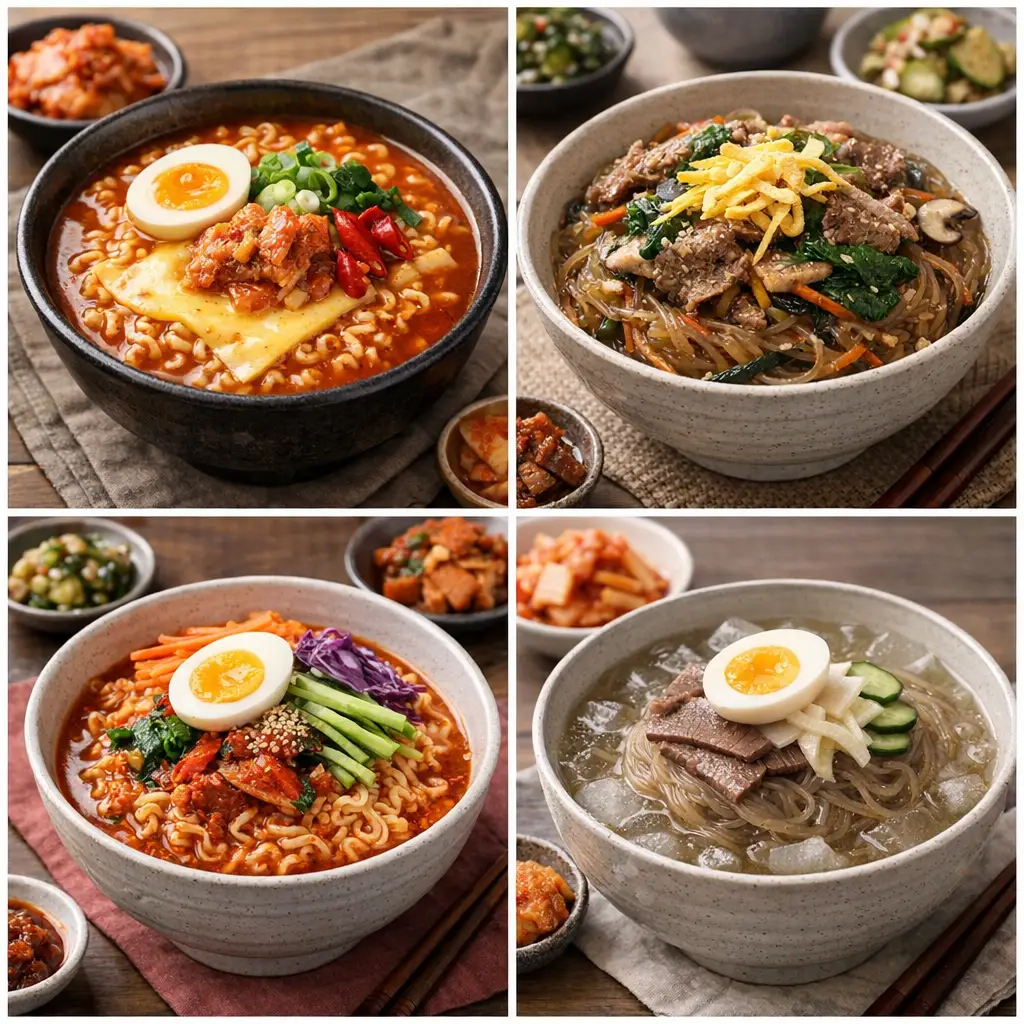
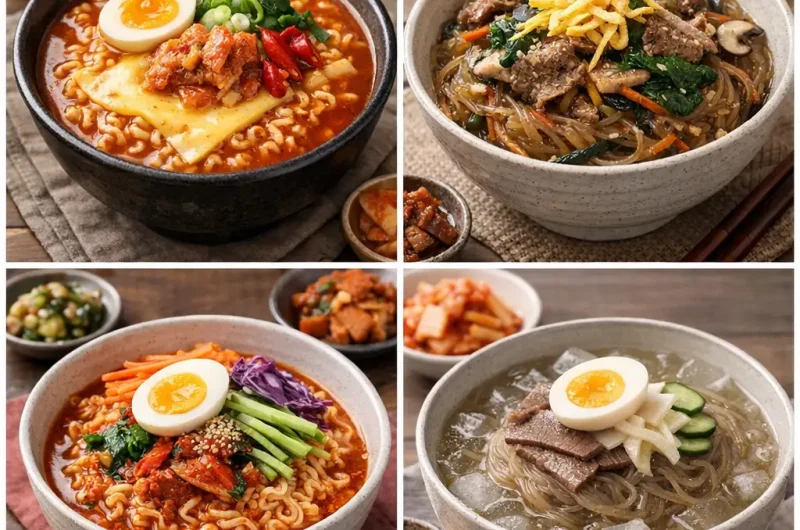
Popular varieties include ramen noodles, sweet potato noodles used in japchae, wheat noodles used in kalguksu, and buckwheat noodles found in naengmyeon. Each type has unique texture and flavor.
Are Korean noodles very spicy
Spice levels vary by recipe. Many dishes use chili paste or flakes but heat can be adjusted easily. Mild versions exist and still deliver strong flavor.
Can Korean noodles be made vegetarian
Many Korean noodle dishes are naturally vegetarian or can be adapted easily. Vegetable broth and tofu work well as substitutes for meat based ingredients.
Are Korean noodles healthy
Korean noodles can be part of a healthy diet when prepared with vegetables and lean proteins. Controlling sodium and portion size helps maintain balance.
Where can ingredients be purchased
Most ingredients are available at Asian grocery stores. Many supermarkets also carry gochujang, soy sauce, and noodles in international food sections.
Conclusion
Korean noodles bring warmth, flavor, and cultural richness to the table. Cooking them at home opens the door to creativity and comfort. Each bowl reflects balance and tradition while allowing personal expression. With simple ingredients and clear steps, anyone can enjoy authentic Korean noodle dishes. The experience goes beyond taste. It connects people to a vibrant food culture that values harmony, sharing, and joy through every bite.