Ultimate Coconut Cake Recipe for Moist and Fluffy Homemade Cake
Introduction
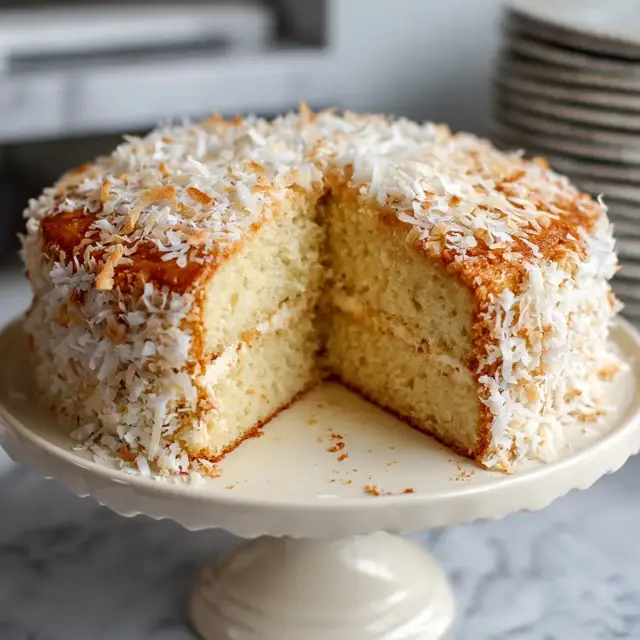
Coconut cake has long held a special place in the hearts of dessert lovers. Its delicate texture, combined with the rich, tropical flavor of coconut, makes it a perfect treat for any occasion. Every bite offers a soft, moist crumb with a subtle sweetness that melts in your mouth. The charm of coconut cake lies not only in its taste but also in its versatility.
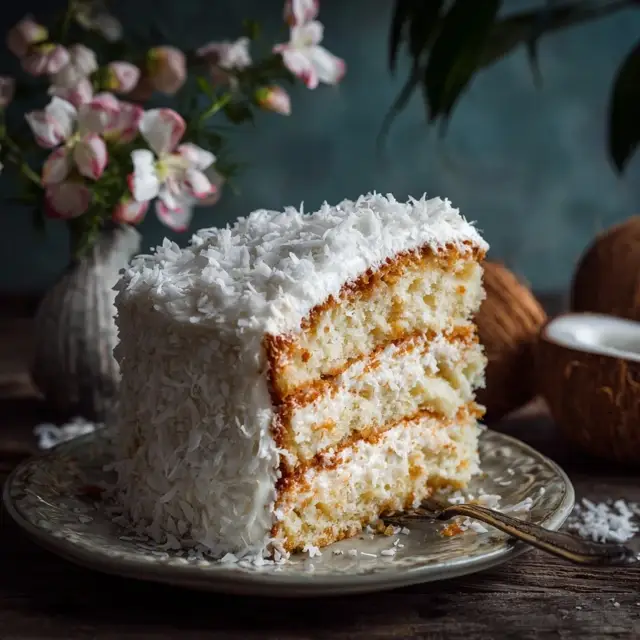
It can be a centerpiece for celebrations, a comforting snack with a cup of tea, or a delightful dessert after a home-cooked meal. The aroma of freshly baked coconut cake fills the kitchen and instantly creates a sense of warmth and comfort. The natural sweetness of coconut blends beautifully with creamy frosting or simple glaze, creating layers of flavor that are irresistible. Baking coconut cake from scratch allows for a freshness and richness that store-bought versions rarely match. Exploring different techniques and experimenting with textures can transform a simple cake into a signature dessert everyone remembers.
Ingredients Needed
To create a perfect coconut cake, quality ingredients matter. Fresh ingredients enhance flavor and texture, ensuring the cake is moist and aromatic. The table below lists the essential ingredients along with their approximate calorie count per serving:
| Ingredient | Quantity | Calories per Serving |
|---|---|---|
| All-purpose flour | 2 and 1/2 cups | 455 |
| Granulated sugar | 2 cups | 774 |
| Unsalted butter | 1 cup | 814 |
| Eggs | 4 large | 280 |
| Coconut milk | 1 cup | 445 |
| Shredded coconut | 1 and 1/2 cups | 195 |
| Baking powder | 2 and 1/2 tsp | 12 |
| Salt | 1/2 tsp | 0 |
| Vanilla extract | 2 tsp | 24 |
| Powdered sugar | 2 cups | 774 |
| Cream cheese | 8 oz | 800 |
| Heavy cream | 1/2 cup | 410 |
The choice of ingredients can influence the cake’s flavor. Using fresh coconut milk enhances moisture and depth of flavor, while shredded coconut can be toasted lightly to intensify its nutty taste. Cream cheese frosting pairs exceptionally well with coconut cake, creating a silky, slightly tangy layer that complements the sweetness.
Step-by-Step Cooking Instructions
Baking coconut cake requires attention to detail and patience. Follow these steps for a perfectly moist and flavorful cake.
- Preheat the oven to 350 degrees Fahrenheit. Grease two 9-inch round cake pans and line them with parchment paper for easy removal.
- In a large mixing bowl, whisk together flour, baking powder, and salt. Set aside.
- In another bowl, cream butter and granulated sugar until light and fluffy using an electric mixer. This may take around three to four minutes.
- Add eggs one at a time, beating well after each addition. Ensure the mixture is smooth before proceeding.
- Gradually add vanilla extract, mixing until fully incorporated.
- Slowly alternate adding flour mixture and coconut milk into the creamed mixture, beginning and ending with the flour. Mix gently to avoid overworking the batter.
- Fold in shredded coconut carefully to distribute it evenly.
- Divide the batter between the prepared cake pans and smooth the tops with a spatula.
- Bake for 25 to 30 minutes or until a toothpick inserted in the center comes out clean.
- Allow cakes to cool in the pans for 10 minutes, then transfer to a wire rack to cool completely before frosting.
- For frosting, beat cream cheese and butter until smooth. Gradually add powdered sugar and beat until fluffy. Add heavy cream for a lighter texture.
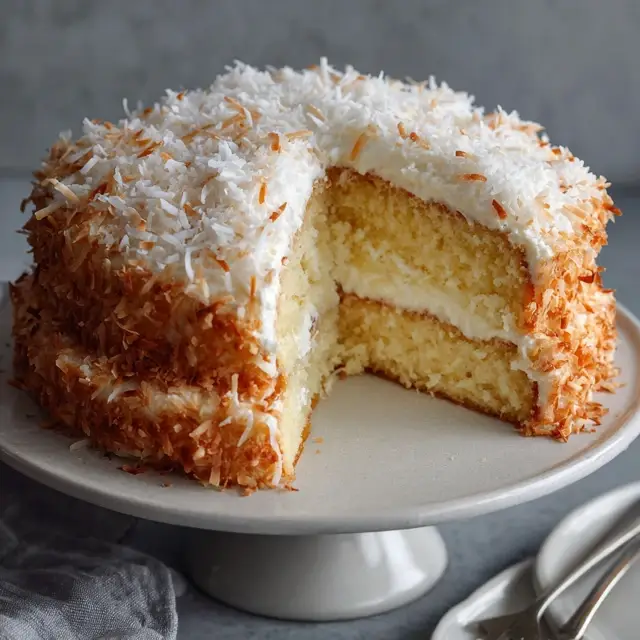
- Spread frosting generously between cake layers, on the sides, and on top. Decorate with additional shredded coconut if desired.
Tips for Customizing the Recipe
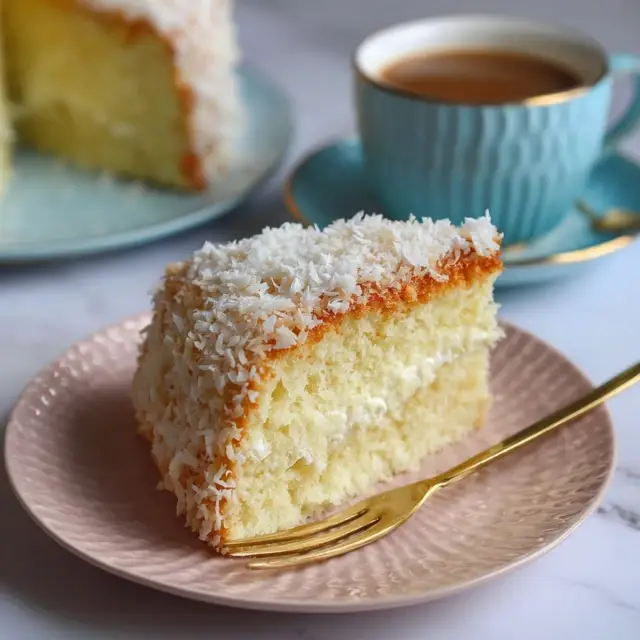
Coconut cake can be easily customized to suit personal tastes. Adding pineapple chunks or crushed pineapple in the batter gives the cake a tropical twist. For a richer flavor, substitute part of the butter with coconut oil. To enhance the coconut aroma, toast the shredded coconut lightly before folding it into the batter. For a healthier version, consider using whole wheat flour or reducing sugar slightly. Flavor variations can also be achieved by incorporating almond extract or citrus zest into the batter. Using a different frosting such as whipped cream or chocolate ganache offers unique flavor profiles. For a decorative touch, fresh fruit, edible flowers, or a drizzle of coconut syrup can elevate the presentation. Adjusting baking time slightly based on oven performance ensures the cake remains moist without overbaking.
Nutritional Information
Coconut cake offers not just delightful taste but also nutritional content. The combination of coconut, eggs, and milk provides essential fats, proteins, and carbohydrates. Here is a rough breakdown per serving:
- Calories: 450 to 500 kcal
- Carbohydrates: 60 grams
- Protein: 6 grams
- Fat: 22 grams
- Saturated fat: 12 grams
- Fiber: 2 grams
- Sugar: 35 grams
Although coconut cake is rich in calories, enjoying it in moderation provides energy and can be a satisfying treat. Opting for lighter frosting or reducing sugar content slightly can make it more suitable for regular consumption.
Serving Suggestions
Serving coconut cake can be as simple or elaborate as you prefer. It pairs wonderfully with a cup of freshly brewed coffee or tea. For a more indulgent experience, serve with a scoop of vanilla ice cream or a dollop of whipped cream. Sliced fresh fruits such as strawberries, mango, or pineapple complement the tropical flavor. Coconut cake can also be used as a base for layered desserts or trifles, enhancing both taste and presentation. Presenting the cake with edible flowers or toasted coconut on top adds visual appeal, making it ideal for celebrations and gatherings.
Common Mistakes to Avoid
Baking coconut cake can be tricky if certain steps are overlooked. Overmixing the batter can result in a dense texture rather than a light and fluffy cake. Using expired baking powder can prevent proper rising. Not allowing the cake to cool before frosting can cause the frosting to melt or slide. Measuring ingredients inaccurately, especially flour and sugar, can significantly impact texture and taste. Following the recipe closely and paying attention to oven temperature ensures a consistent and successful bake.
Storage Tips
Proper storage preserves the freshness and flavor of coconut cake. Wrap leftover cake tightly in plastic wrap or store in an airtight container. Refrigeration is recommended if the cake contains cream cheese frosting. Coconut cake can also be frozen for up to two months. To freeze, wrap each layer individually and thaw at room temperature before assembling.
Ultimate Coconut Cake Recipe for Moist and Fluffy Homemade Cake
Course: Blog12
servings20
minutes30
minutes470
kcalIngredients
2 and 1/2 cups all-purpose flour
2 cups granulated sugar
1 cup unsalted butter, softened
4 large eggs
1 cup coconut milk
1 and 1/2 cups shredded coconut
2 and 1/2 teaspoons baking powder
1/2 teaspoon salt
2 teaspoons vanilla extract
For Frosting:
8 oz cream cheese, softened
1/2 cup unsalted butter, softened
2 cups powdered sugar
1/2 cup heavy cream
Extra shredded coconut for garnish
Directions
- Preheat oven to 350°F (175°C). Grease two 9-inch round cake pans and line with parchment paper.
- In a bowl, mix flour, baking powder, and salt. Set aside.
- In a large bowl, cream butter and sugar until light and fluffy.
- Add eggs one at a time, mixing well after each. Then add vanilla extract.
- Alternate adding flour mixture and coconut milk to the butter mixture, beginning and ending with flour. Mix gently.
- Fold in shredded coconut.
- Divide batter evenly between the pans and smooth the tops.
- Bake for 25 to 30 minutes or until a toothpick inserted in the center comes out clean.
- Let cakes cool in pans for 10 minutes, then transfer to a wire rack to cool completely.
- For frosting, beat cream cheese and butter until smooth. Gradually add powdered sugar and beat until fluffy. Add heavy cream and mix until creamy.
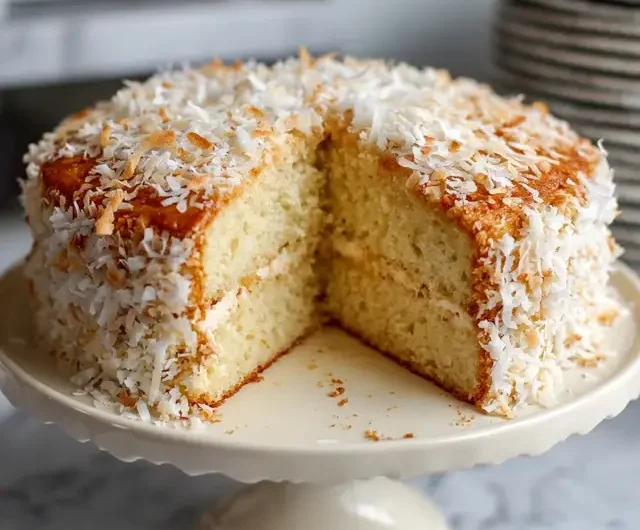
- Spread frosting between the layers, on the sides, and on top. Garnish with extra shredded coconut.
Recipe Video
Notes
- For extra flavor, lightly toast shredded coconut before adding to the batter.
If the cake seems dry, brush layers with simple syrup before frosting.
Frequently Asked Questions
What is the best type of coconut for cake?
Shredded sweetened coconut works well for both texture and flavor. Toasting it lightly enhances the nutty aroma.
Can I use coconut oil instead of butter?
Yes, coconut oil adds a subtle coconut flavor and can make the cake slightly denser but moist.
How can I make the cake more moist?
Adding extra coconut milk or a simple syrup after baking keeps the cake moist.
Can I make this cake gluten-free?
Substitute all-purpose flour with a gluten-free flour blend. Adjust baking time slightly as needed.
Is it necessary to use cream cheese frosting?
No, whipped cream or buttercream frosting works well too, depending on preference.
Conclusion
Coconut cake is a timeless dessert that combines flavor, texture, and visual appeal. Baking it at home allows full control over ingredients, ensuring freshness and quality. Every step, from mixing the batter to decorating with frosting and coconut, contributes to an enjoyable baking experience. The cake can be customized in countless ways, making it suitable for birthdays, holidays, or casual gatherings. Its tropical flavor appeals to many and brings a sense of warmth and nostalgia. Creating a coconut cake from scratch offers both satisfaction and delight. Every slice invites smiles, compliments, and the joy of sharing a lovingly prepared dessert. Mastering this recipe turns a simple cake into a signature dessert that can be treasured for years.