Coconut Cake Recipe: Moist, Fluffy, and Irresistibly Delicious
Coconut cake has a special place in the hearts of dessert lovers everywhere. Its soft, fluffy layers combined with the rich flavor of coconut create a dessert that is both comforting and elegant.
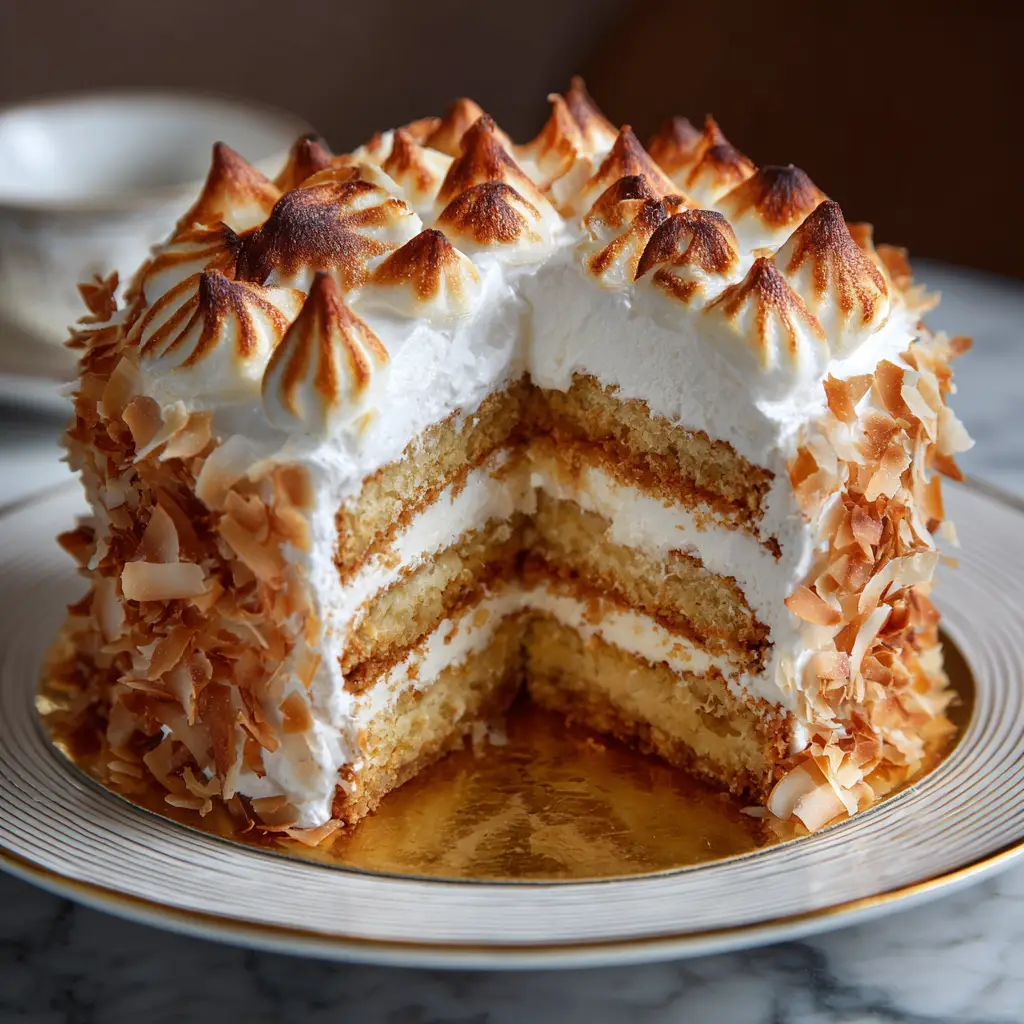
Unlike many desserts that rely solely on sugar for flavor, coconut cake brings a natural, nutty sweetness that appeals to all age groups. Baking a coconut cake at home can be a rewarding experience because the aroma of coconut filling the kitchen instantly lifts the mood and invites everyone to gather around. It is versatile enough to serve at casual family dinners or at sophisticated celebrations, making it a dessert that never goes out of style. Understanding the techniques and ingredients involved ensures that each bite is moist, flavorful, and perfectly balanced.
Ingredients Needed
Here is a clear list of the ingredients required for a classic coconut cake along with their approximate calorie content. Using quality ingredients ensures both taste and texture are at their peak.
| Ingredient | Quantity | Calories per Serving |
|---|---|---|
| All-purpose flour | 2 ¾ cups | 455 kcal |
| Baking powder | 2 ½ tsp | 12 kcal |
| Salt | ½ tsp | 0 kcal |
| Unsalted butter | 1 cup | 814 kcal |
| Granulated sugar | 2 cups | 1548 kcal |
| Eggs | 5 large | 350 kcal |
| Coconut milk | 1 cup | 445 kcal |
| Vanilla extract | 2 tsp | 24 kcal |
| Sweetened shredded coconut | 1 ½ cups | 495 kcal |
| Cream cheese | 8 oz | 800 kcal |
| Powdered sugar | 4 cups | 1520 kcal |
| Heavy cream | ½ cup | 408 kcal |
These ingredients combine to create a cake that is moist, flavorful, and deeply satisfying. Paying attention to the freshness of ingredients, especially coconut milk and shredded coconut, makes a noticeable difference in the final result.
Step-by-Step Cooking Instructions
Step 1: Prepare the Oven and Pans
Preheat your oven to 350 degrees Fahrenheit. Grease two 9-inch round cake pans and lightly dust them with flour. This step prevents the cake from sticking and ensures smooth removal after baking.
Step 2: Mix Dry Ingredients
In a large bowl, whisk together flour, baking powder, and salt. Sifting these ingredients not only combines them evenly but also helps the cake rise beautifully.
Step 3: Cream Butter and Sugar
In a separate bowl, beat unsalted butter and granulated sugar together until light and fluffy. This process incorporates air into the batter, giving the cake a soft texture.For more insights on this topic and Carrot Cake Recipe], make sure to check out our other recipe.
Step 4: Add Eggs and Vanilla
Add eggs one at a time, beating well after each addition. Mix in vanilla extract for aromatic sweetness that complements the coconut flavor.
Step 5: Combine Wet and Dry Ingredients
Gradually add the dry ingredients to the butter mixture, alternating with coconut milk. Begin and end with dry ingredients. Mix gently until fully incorporated, taking care not to overmix, which can make the cake dense.
Step 6: Fold in Coconut
Fold in shredded coconut using a spatula. This ensures even distribution without breaking down the delicate texture of the batter.
Step 7: Bake the Cake
Pour the batter evenly into the prepared pans. Bake for 30 to 35 minutes or until a toothpick inserted in the center comes out clean. Remove the cakes from the oven and allow them to cool in the pans for 10 minutes before transferring to a wire rack.
Step 8: Prepare the Frosting
While the cake cools, beat cream cheese until smooth. Gradually add powdered sugar and heavy cream, mixing until creamy and fluffy. This frosting complements the coconut flavor without overpowering it.
Step 9: Assemble the Cake
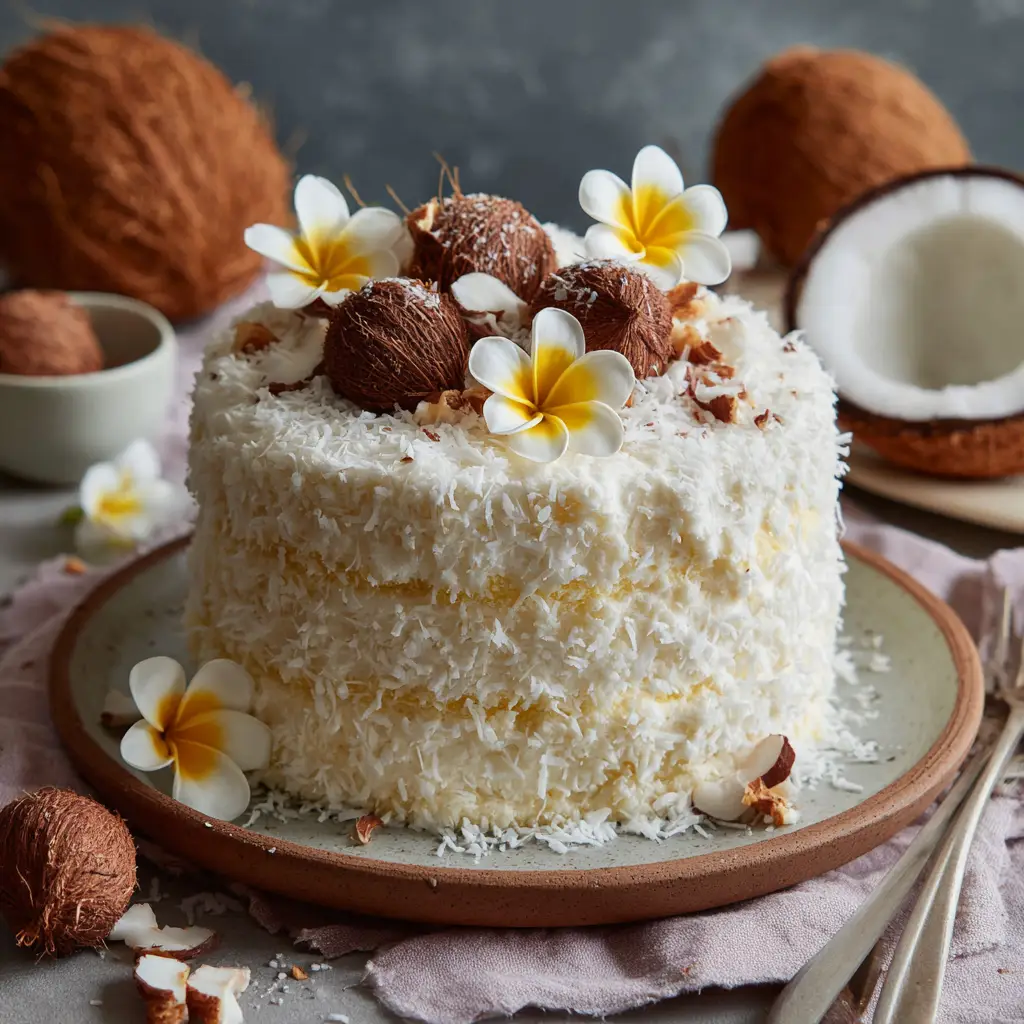
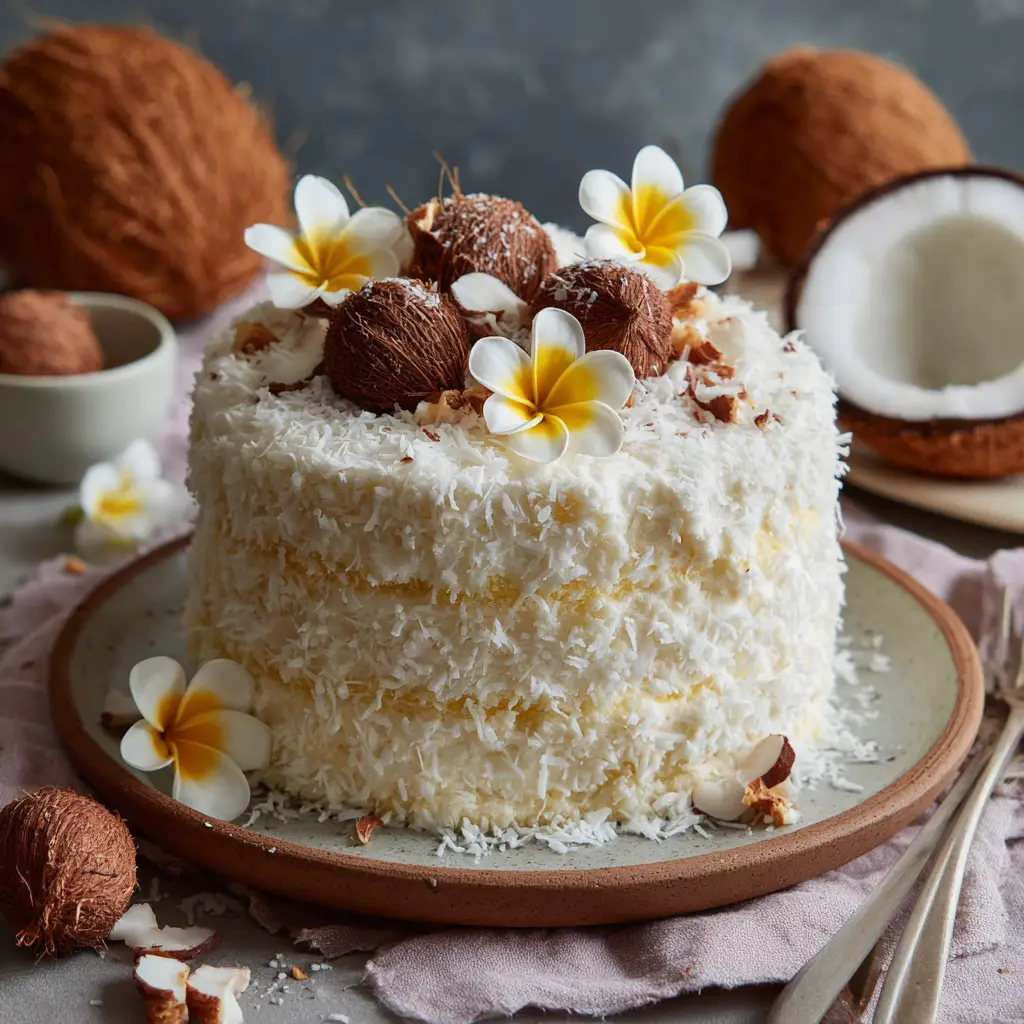
Place one cake layer on a serving plate and spread a generous amount of frosting on top. Place the second cake layer over it and cover the entire cake with frosting. Press additional shredded coconut onto the sides and top for a visually appealing finish.
Tips for Customizing the Recipe
- Substitute half of the all-purpose flour with almond flour for a nutty twist.
- Replace shredded coconut with toasted coconut for a deeper, caramelized flavor.
- Add a teaspoon of coconut extract to intensify coconut aroma.
- Mix finely chopped pineapple into the batter for a tropical variation.
- For a lighter frosting, use whipped coconut cream instead of cream cheese.
Customizations allow you to make the cake your own while maintaining its classic appeal. Experimenting with textures and flavors can transform a traditional dessert into a unique centerpiece.
Nutritional Information
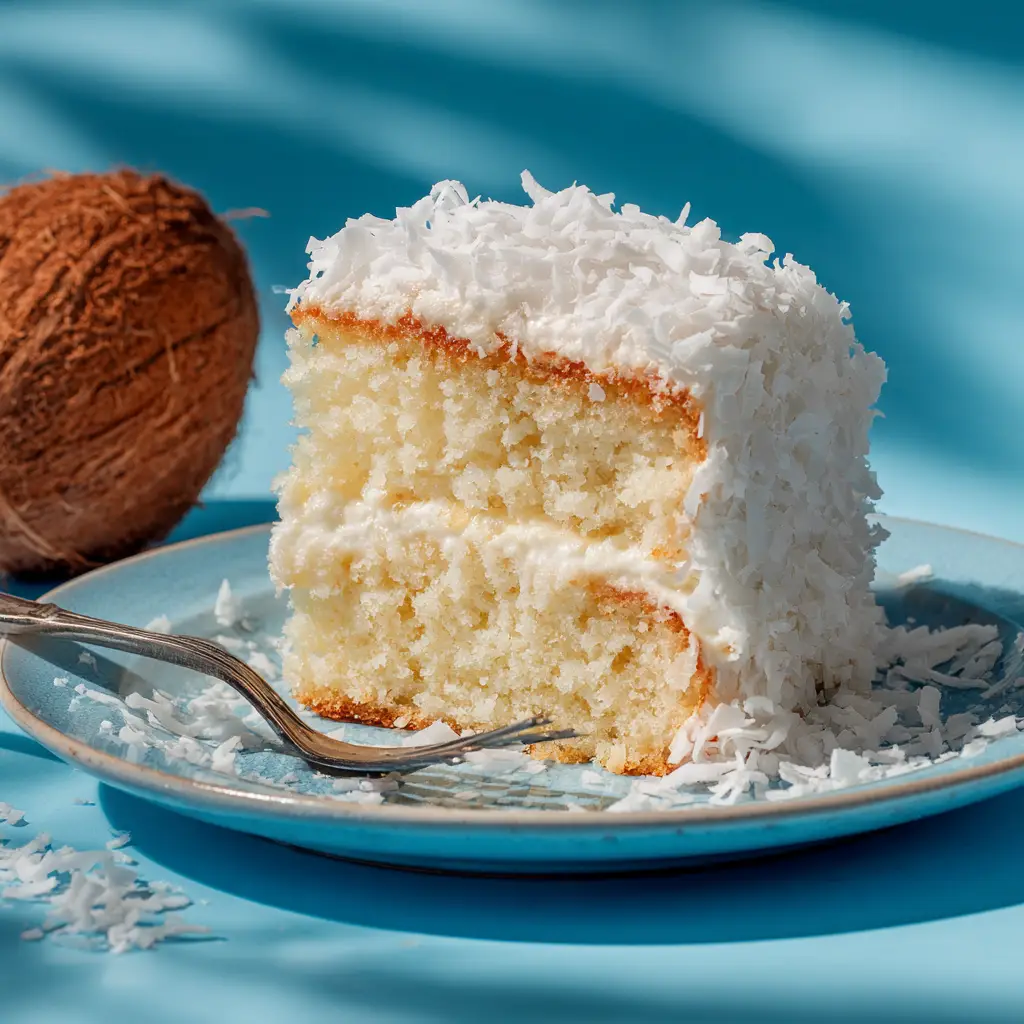
Coconut cake is indulgent yet provides energy through natural fats and carbohydrates. One slice of standard coconut cake with frosting contains approximately:
Knowing the nutritional profile helps in planning portions and balancing indulgence with everyday diet considerations.
Serving Suggestions
Coconut cake pairs beautifully with fresh fruit such as strawberries or mango slices. A light dusting of powdered sugar on top adds elegance for special occasions. Serve slightly chilled to maintain the frosting’s texture, or enjoy at room temperature for a soft, melt-in-your-mouth experience. A cup of black coffee or a mild herbal tea complements the sweetness perfectly.
For gatherings, consider layering the cake with fruit preserves or a drizzle of chocolate sauce. The contrast of flavors elevates the overall dessert experience. Coconut cake also works as mini cupcakes or as part of a dessert buffet for events.
Coconut Cake Recipe: Moist, Fluffy, and Irresistibly Delicious
Course: Blog10-12 s
servings20
minutes35
minutes450-500
kcalIngredients
For the Cake:
2 ¾ cups all-purpose flour
2 ½ tsp baking powder
½ tsp salt
1 cup unsalted butter, softened
2 cups granulated sugar
5 large eggs
1 cup coconut milk
2 tsp vanilla extract
1 ½ cups sweetened shredded coconut
Directions
- Preheat Oven and Prepare Pans: Preheat oven to 350°F. Grease two 9-inch round cake pans and lightly dust with flour.
- Mix Dry Ingredients: In a bowl, whisk together flour, baking powder, and salt.
- Cream Butter and Sugar: In another bowl, beat butter and granulated sugar until light and fluffy.
- Add Eggs and Vanilla: Add eggs one at a time, mixing well after each addition. Stir in vanilla extract.
- Combine Wet and Dry Ingredients: Gradually mix dry ingredients into butter mixture, alternating with coconut milk. Mix gently until smooth.
Recipe Video
Notes
- Use fresh or high-quality shredded coconut for best flavor.
Avoid overmixing the batter to keep the cake light and fluffy.
Cake layers can be baked a day ahead; wrap and refrigerate until frosting.
For extra moisture, brush layers with a simple syrup before frosting.
Frequently Asked Questions
Can I make coconut cake gluten-free?
Yes, substitute all-purpose flour with a gluten-free flour blend. Ensure the blend includes xanthan gum for structure.
How do I store coconut cake?
Store in an airtight container in the refrigerator for up to five days. For longer storage, freeze for up to two months and thaw before serving.
Can I use unsweetened coconut?
Yes, but reduce the sugar slightly in the batter to maintain balanced sweetness.
How do I prevent the cake from drying out?
Avoid overbaking, and ensure proper storage. Brushing cake layers with a light syrup can also help retain moisture.
Can I make the cake ahead of time?
Absolutely. Bake the layers a day in advance, store them wrapped in plastic, and frost just before serving.
Conclusion
Coconut cake is a timeless dessert that brings joy with every bite. Its delicate texture, rich coconut flavor, and versatility make it suitable for any occasion. Baking it at home allows for personal touches that can enhance the flavor and presentation.