Chinese Noodles Recipe Authentic Flavors Easy Homemade Comfort Food
Chinese noodles hold a special place in kitchens across Asia and far beyond. Warm bowls of noodles appear on family tables during celebrations quiet evenings and street side meals filled with conversation. The aroma of simmering broth mixed with garlic ginger and soy sauce instantly sparks appetite and comfort. Chinese noodles represent history culture and culinary skill passed from one generation to another. Each strand carries meaning patience and balance which are central values in Chinese cooking traditions.
Long before modern kitchens existed Chinese noodle making was considered an art. Dough was stretched pulled and cut by hand creating textures that absorbed sauces beautifully. Wheat rice and mung bean noodles evolved based on regional climate and ingredients. Northern regions favored wheat noodles with hearty sauces while southern regions preferred lighter rice noodles paired with fresh vegetables and seafood. Over centuries Chinese noodles became versatile adaptable and deeply loved.
Home cooks around the world now recreate Chinese noodle dishes because they offer simplicity and depth in one bowl. The combination of soft noodles crisp vegetables savory sauces and aromatic oils delivers satisfaction without complexity. Chinese noodles suit quick lunches family dinners and even festive gatherings. The flexibility allows endless creativity while still honoring tradition.
History and Cultural Significance of Chinese Noodles
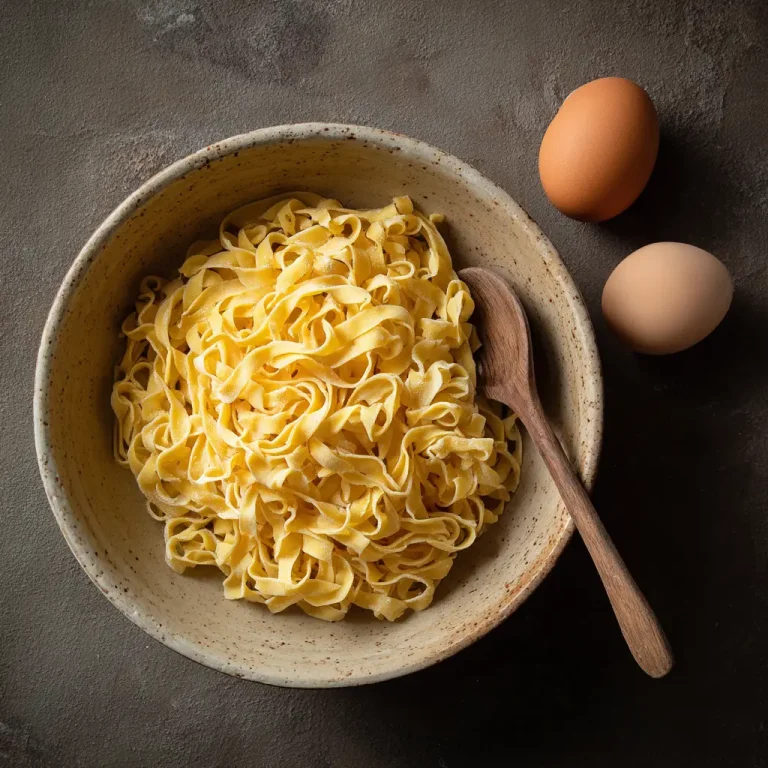
Chinese noodles date back over four thousand years with archaeological evidence showing early noodle like strands made from millet. Over time wheat based noodles became more common especially in northern China. Noodles symbolized longevity and prosperity which is why they often appear during birthdays and festivals. Slurping noodles without breaking them was believed to invite long life and good fortune.
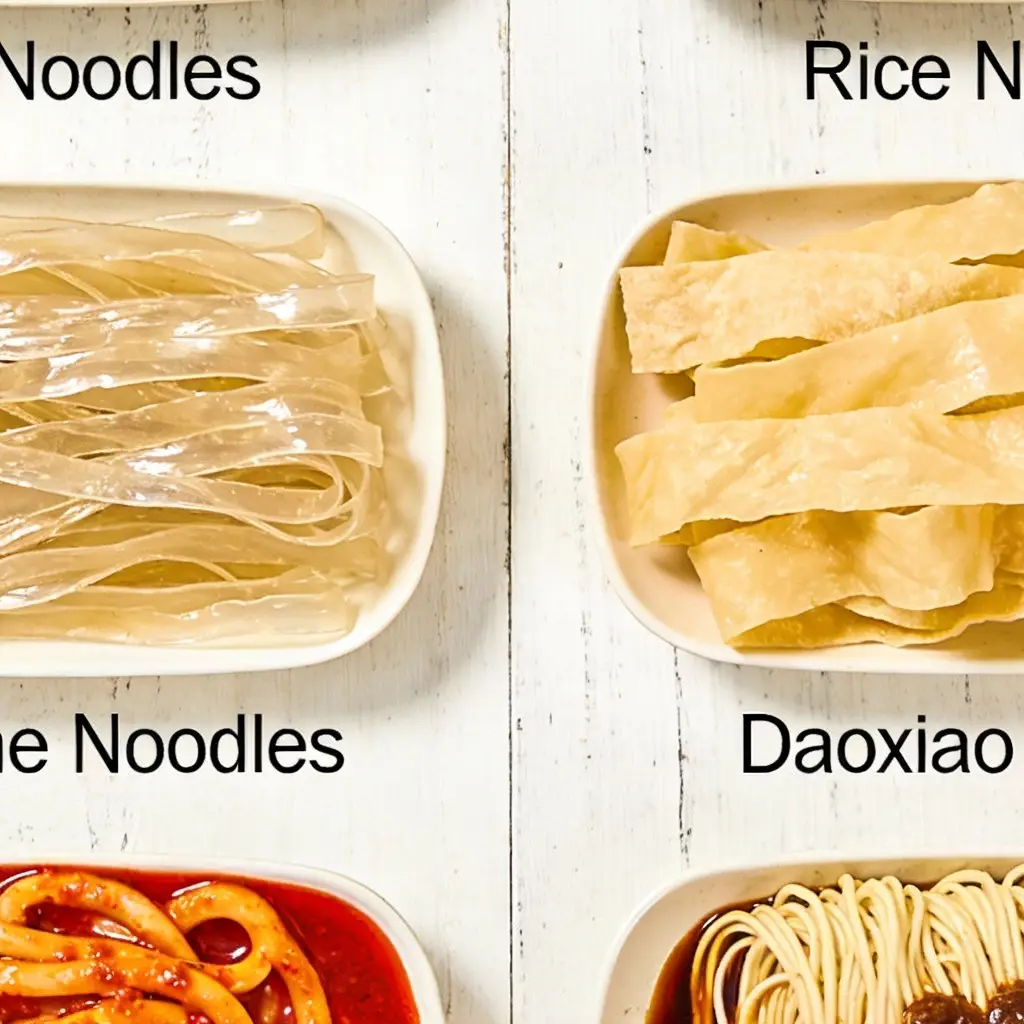
Different regions developed unique noodle styles that reflected local tastes. Hand pulled noodles from Lanzhou showcased skill and strength. Knife cut noodles from Shanxi offered rustic texture. Rice vermicelli from southern regions provided delicate softness. Each style told a story of geography tradition and daily life. Chinese noodles evolved alongside trade routes allowing spices oils and cooking techniques to influence flavors.
Ingredients Needed
Quality ingredients define the success of Chinese noodles. Fresh vegetables balanced sauces and well cooked noodles create harmony in taste and texture. Ingredient selection can vary based on preference yet the foundation remains simple and accessible.
| Ingredient | Quantity | Calories |
|---|---|---|
| Wheat noodles | two hundred grams | two hundred twenty |
| Soy sauce | two tablespoons | twenty |
| Sesame oil | one tablespoon | one hundred twenty |
| Garlic | three cloves | fifteen |
| Ginger | one inch piece | ten |
| Spring onions | three stalks | fifteen |
| Bell peppers | one cup sliced | thirty |
| Carrots | one medium | twenty five |
| Cabbage | one cup shredded | twenty |
| Vegetable oil | one tablespoon | one hundred twenty |
| Salt | to taste | zero |
| Black pepper | to taste | five |
Step by Step Cooking Instructions
Preparing Chinese noodles at home feels rewarding and calming. Each step builds flavor while allowing personal adjustments.
Begin by bringing a large pot of water to a rolling boil. Add a pinch of salt and gently place the wheat noodles into the water. Stir lightly to prevent sticking. Cook according to package instructions until tender yet firm. Drain the noodles and rinse briefly with warm water. Set aside with a drizzle of sesame oil to keep strands separate.
Heat a wide pan or wok over medium heat. Pour vegetable oil and allow it to warm until shimmering. Add minced garlic and grated ginger. Stir continuously until fragrant. The aroma should feel warm and inviting not burnt.
Add sliced carrots bell peppers and cabbage to the pan. Toss vegetables quickly to maintain crunch and color. Cooking should remain fast to preserve nutrients and texture. Sprinkle a small pinch of salt and black pepper to enhance natural sweetness.
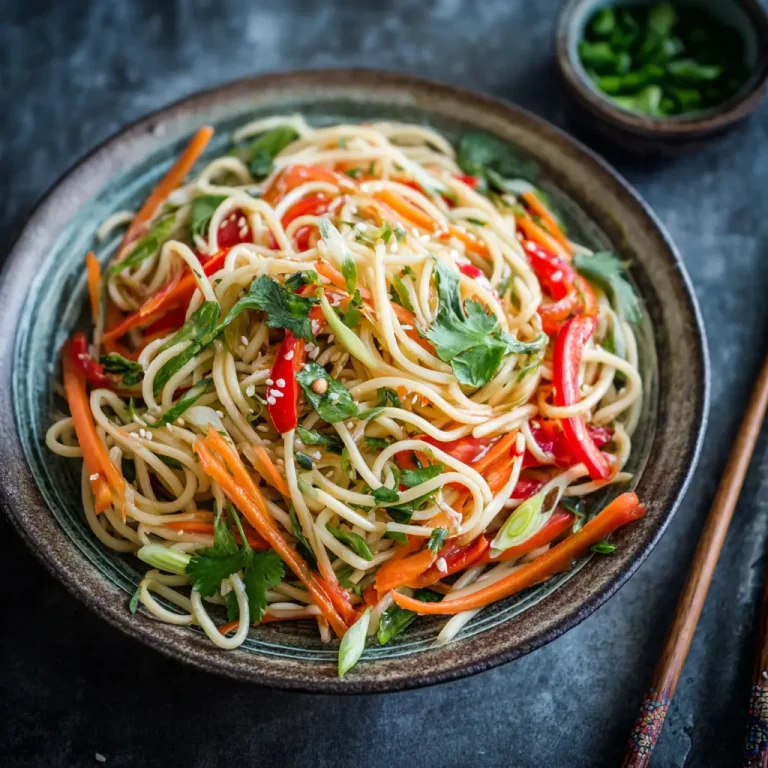
Place cooked noodles into the pan. Use tongs to lift and fold noodles with vegetables. Pour soy sauce evenly across the noodles. Toss gently to coat each strand. Heat for two to three minutes allowing flavors to blend.
Finish with chopped spring onions and a light drizzle of sesame oil. Toss once more and remove from heat. Serve immediately while hot and aromatic.
Tips for Achieving Authentic Flavor
Authentic Chinese noodles rely on balance rather than heavy seasoning. Heat control matters greatly. High heat preserves freshness while avoiding soggy vegetables. Fresh garlic and ginger create depth that powdered versions cannot match.
Soy sauce quality affects final taste. Choose naturally brewed soy sauce for rich umami. Sesame oil should be used sparingly as a finishing touch rather than a cooking oil. Overuse can overpower the dish.
Cooking noodles just until tender ensures they absorb sauce without breaking. Overcooking leads to mushy texture. Always taste before serving and adjust seasoning gently.
Tips for Customizing the Recipe
Customization allows Chinese noodles to fit dietary needs and personal cravings. Protein additions transform noodles into hearty meals. Tofu chicken shrimp or beef integrate well when cooked separately and added before combining noodles.
Vegetable choices can shift with seasons. Snow peas mushrooms spinach and bok choy add variety and nutrition. Sauce variations like oyster sauce chili paste or rice vinegar introduce new flavor profiles.
For spicy lovers chili oil or fresh chilies elevate heat. For lighter versions reduce oil and increase vegetables. Gluten free noodles made from rice or mung bean suit sensitive diets while maintaining authentic texture.
Nutritional Information
Chinese noodles offer balanced nutrition when prepared mindfully. Carbohydrates from noodles provide energy. Vegetables supply fiber vitamins and minerals essential for digestion and immunity. Garlic and ginger contribute anti inflammatory properties.
Using moderate oil and sodium keeps the dish heart friendly. Portion control supports calorie management. Homemade preparation allows better control over ingredients compared to restaurant versions.
A single serving of vegetable Chinese noodles averages around four hundred to four hundred fifty calories depending on oil and portion size. Protein additions increase calorie content but also enhance satiety.
Health Benefits of Chinese Noodles
Chinese noodles support digestion when paired with fiber rich vegetables. Warm meals improve gut comfort and satisfaction. Ginger aids digestion while garlic boosts immune response.
Balanced meals reduce cravings and promote steady energy levels. Cooking at home reduces reliance on processed foods and excessive sodium. Including colorful vegetables increases antioxidant intake.
Choosing whole wheat or rice noodles adds complex carbohydrates that digest slowly. This supports blood sugar stability and sustained fullness.
Common Mistakes to Avoid
Overcrowding the pan leads to steaming rather than stir frying. Cook in batches if needed. Excess sauce can drown flavors rather than enhance them.
Skipping preparation causes rushed cooking. Chop vegetables and measure sauces before heating the pan. Proper preparation ensures smooth cooking.
Using cold noodles straight from the fridge reduces heat and creates uneven texture. Allow noodles to reach room temperature before cooking.
Serving Suggestions
Chinese noodles pair well with simple side dishes. Light soups like clear vegetable broth complement the meal. Fresh cucumber salad adds crunch and contrast.
Serve noodles in wide bowls to allow easy mixing and eating. Garnish with sesame seeds or fresh herbs for visual appeal. Chopsticks enhance authenticity while forks work just as well.
Noodles suit lunch dinner or shared meals. They work beautifully as main dishes or side servings alongside dumplings or spring rolls.
Storage and Reheating Tips
Leftover noodles store well in airtight containers for up to two days. Refrigerate promptly to maintain freshness. Reheat gently in a pan with a splash of water to revive moisture.
Avoid microwaving for long periods as it dries noodles. Stir frequently while reheating to distribute heat evenly. Add fresh herbs after reheating to refresh flavor.
Chinese Noodles Recipe Authentic Flavors Easy Homemade Comfort Food
Course: Blog2
servings10
minutes15
minutes350
kcalIngredients
200 g Chinese noodles (or egg noodles)
2 tablespoons oil
1 teaspoon garlic, finely chopped
1 teaspoon ginger, finely chopped
1 small onion, thinly sliced
½ cup cabbage, shredded
½ cup carrot, julienned
½ cup capsicum (bell pepper), sliced
2 tablespoons soy sauce
Directions
- Boil water in a large pot, add noodles and cook according to the package instructions.
- Drain the noodles and rinse with cold water. Set aside.
- Heat oil in a wok or pan on medium heat.
- Add chopped garlic and ginger. Sauté for a few seconds until fragrant.
- Add sliced onions and cook until slightly soft.
- Add cabbage, carrot, and capsicum. Stir-fry on high heat for 2–3 minutes.
- Add the cooked noodles to the pan.
- Pour in soy sauce, chili sauce, vinegar, salt, and black pepper.
- Toss everything well and cook for another 2–3 minutes.
- Garnish with spring onions and serve hot.
Recipe Video
Notes
- You can add tofu, paneer, chicken, shrimp, or eggs for extra protein.
Always cook noodles al dente to avoid them becoming mushy.
Stir-fry on high heat to get authentic Chinese flavor.
Adjust sauces and spices according to your taste.
FAQs
What type of noodles work best for Chinese noodle recipes
Wheat noodles remain the most traditional choice due to their chewy texture and ability to absorb sauce. Rice noodles also work well for lighter dishes and gluten free needs.
Can Chinese noodles be made vegan
Yes Chinese noodles easily adapt to vegan diets. Use plant based sauces vegetables and tofu while avoiding animal derived condiments.
How can I prevent noodles from sticking together
Rinsing cooked noodles lightly and tossing them with a small amount of oil prevents clumping. Stirring during cooking also helps.
Are Chinese noodles healthy for weight management
When prepared with vegetables lean protein and moderate oil Chinese noodles fit well into balanced diets. Portion control plays a key role.
Conclusion
Chinese noodles bring warmth comfort and creativity to everyday cooking. Each bowl reflects tradition patience and balance while allowing endless personalization. Cooking noodles at home builds appreciation for simple ingredients transformed through thoughtful technique. The aroma texture and flavor connect people across cultures and generations. With mindful preparation Chinese noodles become more than a meal. They become an experience worth sharing and savoring.