Chicken Rice Bowls Recipe | Easy, Healthy, and Flavorful Meal
Introduction
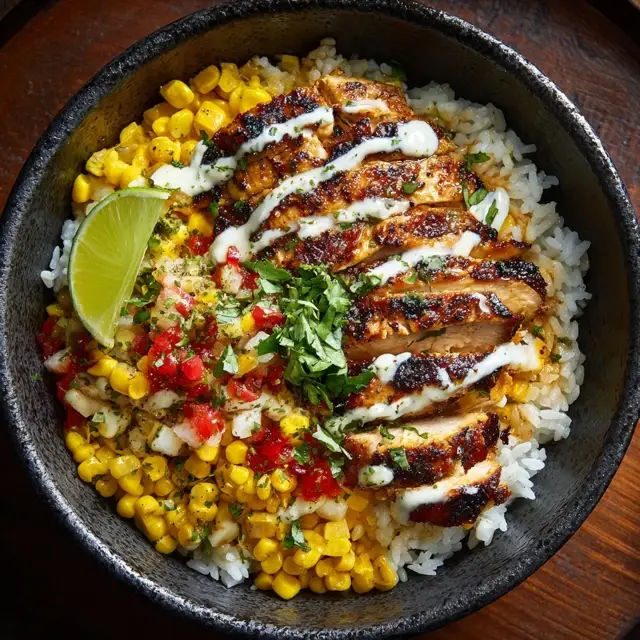
Chicken rice bowls are one of the most versatile and satisfying meals to prepare at home. They combine tender, flavorful chicken with perfectly cooked rice and a variety of vegetables and sauces, creating a complete meal in a single bowl.

The beauty of chicken rice bowls lies in their simplicity and adaptability. Whether you are looking for a quick lunch, a hearty dinner, or a nutritious meal prep option, chicken rice bowls fit every occasion. flavor.
Ingredients Needed
The following table provides a comprehensive list of ingredients commonly used to make chicken rice bowls along with their approximate calorie counts. This helps in understanding the nutritional contribution of each component and aids in meal planning.
| Ingredient | Quantity | Calories per Serving |
|---|---|---|
| Boneless chicken breast | 1 pound | 500 |
| White or brown rice | 2 cups cooked | 400 |
| Olive oil | 2 tablespoons | 240 |
| Soy sauce | 2 tablespoons | 20 |
| Garlic cloves | 3 cloves, minced | 15 |
| Carrots | 1 cup, sliced | 50 |
| Bell peppers | 1 cup, sliced | 40 |
| Broccoli | 1 cup, chopped | 55 |
| Green onions | 2 tablespoons, chopped | 10 |
| Sesame seeds | 1 tablespoon | 50 |
| Ginger | 1 teaspoon, grated | 5 |
| Honey | 1 tablespoon | 60 |
| Lime juice | 1 tablespoon | 5 |
| Salt and pepper | To taste | 0 |
These ingredients can be easily found at most grocery stores. Using fresh vegetables and high-quality chicken ensures that the flavors are vibrant and the texture is appealing.
Step-by-Step Cooking Instructions
Creating a chicken rice bowl involves a few essential steps. Each step is designed to build layers of flavor and texture that make the dish satisfying and wholesome.
- Prepare the Rice: Start by rinsing the rice under cold water until the water runs clear. This removes excess starch and prevents the rice from becoming sticky. Cook the rice according to package instructions or using a rice cooker for convenience. Once cooked, fluff the rice with a fork and set it aside.
- Marinate the Chicken: While the rice is cooking, prepare the chicken. Cut the chicken into bite-sized pieces and place them in a bowl. Add soy sauce, minced garlic, grated ginger, honey, lime juice, salt, and pepper. Mix thoroughly to coat the chicken evenly. Allow it to marinate for at least 15 minutes to infuse flavor.
- Cook the Chicken: Heat olive oil in a large skillet over medium heat. Add the marinated chicken and cook for 6 to 8 minutes, turning occasionally, until the chicken is golden brown and fully cooked. Ensure that the internal temperature of the chicken reaches 165 degrees Fahrenheit for safety.
- Sauté the Vegetables: In the same skillet, add a small amount of oil if needed and toss in the carrots, bell peppers, and broccoli. Cook for 5 to 7 minutes, stirring frequently, until the vegetables are tender but still slightly crisp. Add a pinch of salt and pepper for seasoning.
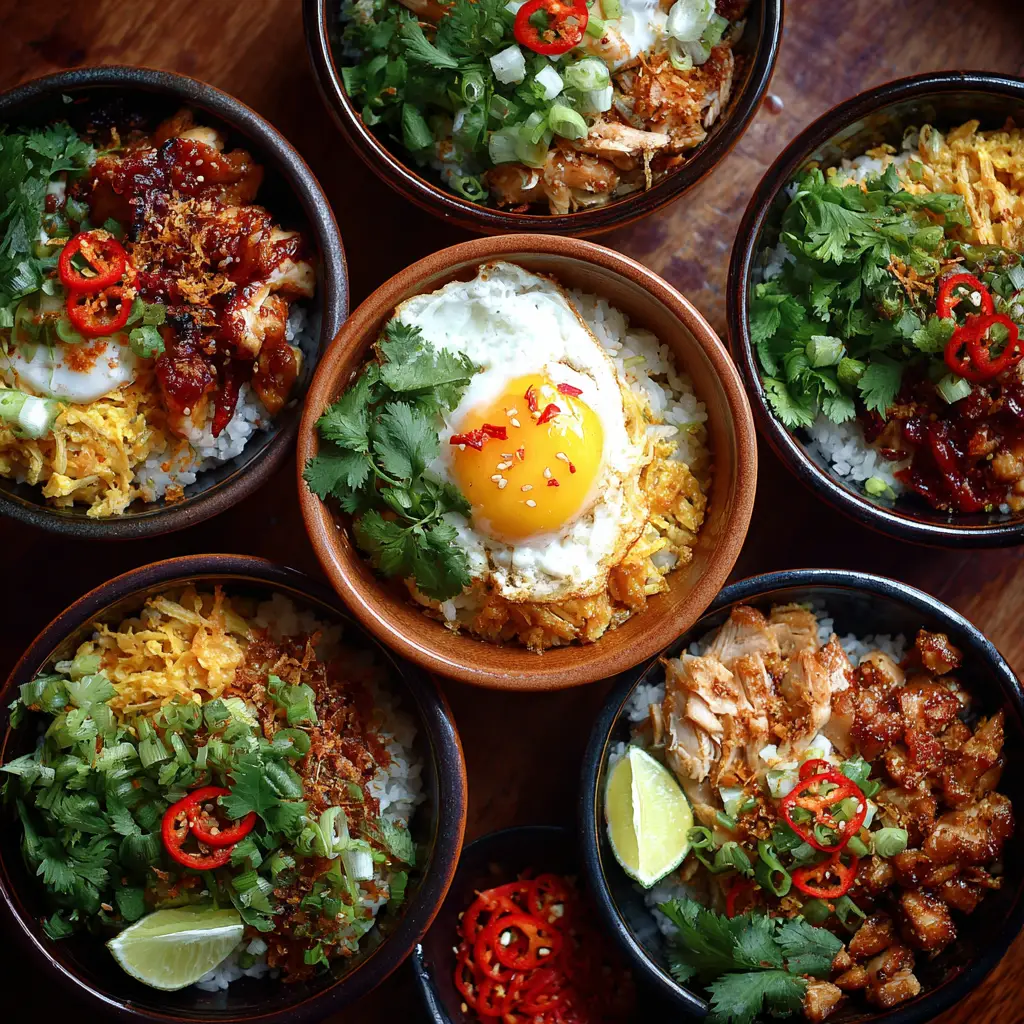
- Assemble the Bowl: Place a generous portion of rice at the bottom of each bowl. Layer the cooked chicken and sautéed vegetables on top. Sprinkle with green onions and sesame seeds for added texture and flavor. Optional sauces such as teriyaki, sriracha, or peanut sauce can be drizzled over the bowl to enhance taste.
Tips for Customizing the Recipe
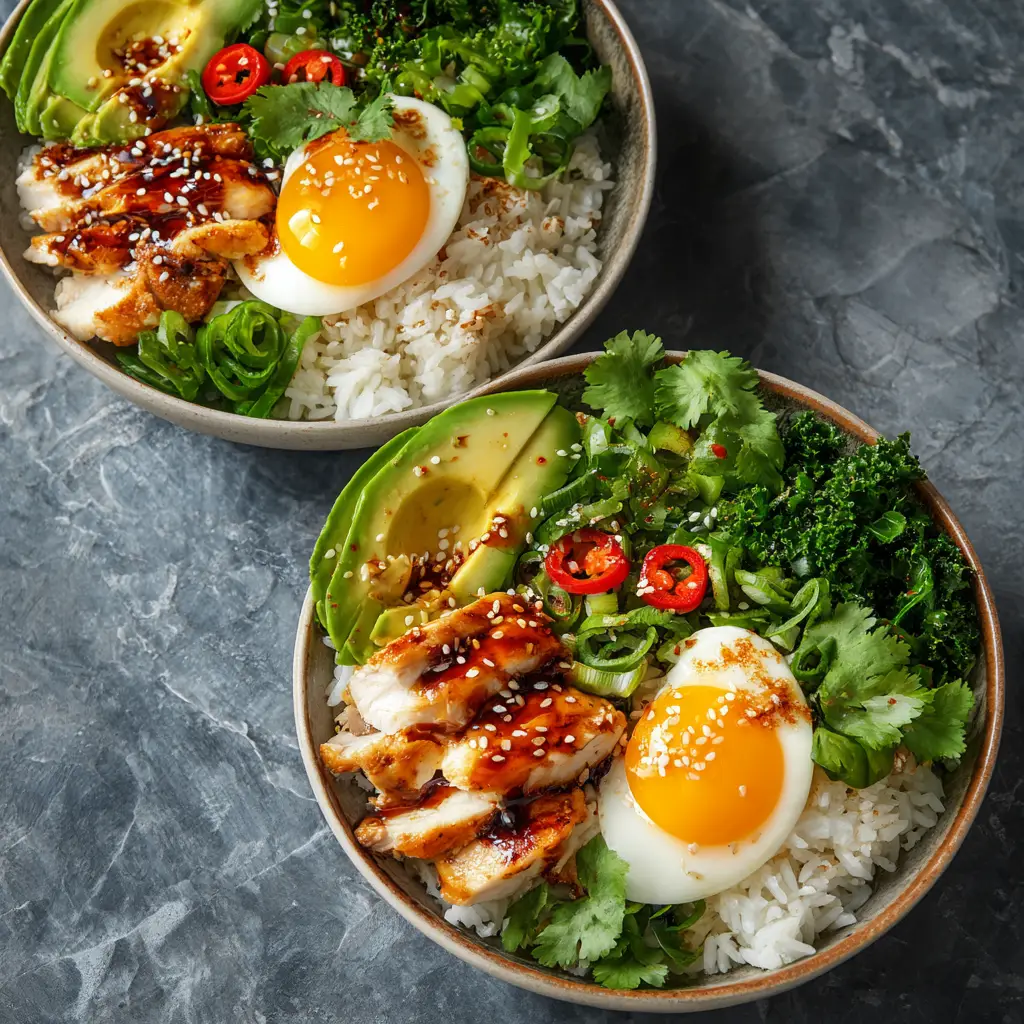
Chicken rice bowls can be adapted to fit various dietary preferences and taste profiles. Swapping white rice for quinoa, cauliflower rice, or brown rice increases fiber content while maintaining the integrity of the dish. Different marinades such as lemon herb, garlic butter, or spicy chili can completely transform the flavor profile. Adding roasted or steamed vegetables such as zucchini, asparagus, or mushrooms introduces new textures and nutritional benefits. Toppings such as avocado slices, kimchi, or pickled radish can elevate the bowl visually and tastefully. Experimenting with nuts or seeds like almonds, peanuts, or sunflower seeds provides crunch and additional protein. Adjusting sauce quantities or types allows each person to create a flavor experience that matches personal preferences. Meal prep is also simplified because cooked components can be stored separately and combined when ready to eat.
Nutritional Information
Chicken rice bowls offer a balanced combination of macronutrients. A typical serving contains approximately 500 to 600 calories depending on ingredient quantities and added sauces. Protein from the chicken supports muscle repair and growth while keeping you full for longer periods. Carbohydrates from the rice provide energy to fuel daily activities. Vegetables supply essential vitamins, minerals, and dietary fiber which aids digestion and overall health. Healthy fats from olive oil, sesame seeds, or avocado contribute to heart health and improve the absorption of fat-soluble vitamins. Sodium content can be managed by reducing soy sauce or opting for low-sodium versions. Honey or other natural sweeteners offer subtle sweetness without the need for processed sugars. Overall, chicken rice bowls can easily fit into a balanced diet while offering versatility and flavor.
Serving Suggestions
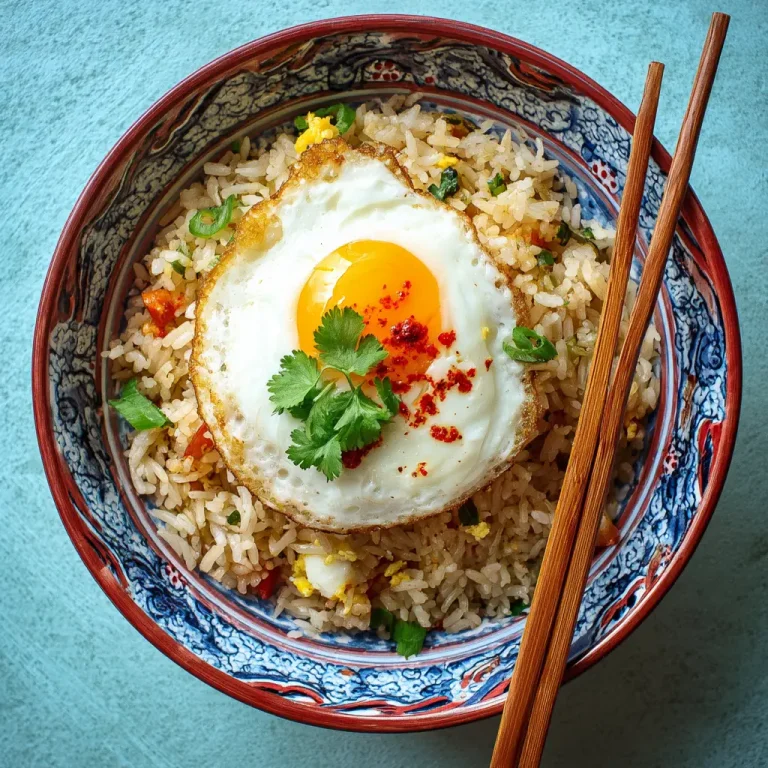
Serving chicken rice bowls can be as simple or as elaborate as desired. Garnishing with fresh herbs like cilantro, parsley, or basil enhances both appearance and flavor. Adding a side of pickled vegetables or a small salad complements the main dish with contrasting textures. For a more substantial meal, include a soft-boiled egg or some edamame beans. Pairing with a light soup or miso broth provides additional warmth and comfort. Presentation matters, so arranging ingredients in a visually appealing way in a bowl makes the meal inviting. Using colorful vegetables not only adds aesthetic appeal but also increases the nutrient density of the dish. For casual meals, consider serving the bowls family-style, allowing everyone to customize their toppings and sauces.

Chicken Rice Bowls Recipe | Easy, Healthy, and Flavorful Meal
Course: Blog4
servings15
minutes25
minutes550
kcalIngredients
1 pound boneless chicken breast, cut into bite-sized pieces
2 cups cooked white or brown rice
2 tablespoons olive oil
2 tablespoons soy sauce
3 garlic cloves, minced
1 teaspoon grated ginger
1 tablespoon honey
Directions
- Cook the Rice: Rinse rice under cold water and cook according to package instructions. Fluff with a fork and set aside.
- Marinate the Chicken: In a bowl, mix chicken with soy sauce, garlic, ginger, honey, lime juice, salt, and pepper. Let it sit for at least 15 minutes.
- Cook the Chicken: Heat olive oil in a skillet over medium heat. Cook chicken for 6–8 minutes until golden brown and fully cooked.
- Sauté the Vegetables: In the same skillet, add carrots, bell peppers, and broccoli. Cook for 5–7 minutes until tender yet crisp. Season with salt and pepper.
Recipe Video
Notes
- Swap white rice with brown rice, quinoa, or cauliflower rice for a healthier option.
Tofu or shrimp can replace chicken for a vegetarian or seafood variation.
Store cooked chicken and rice separately from vegetables for meal prep.
Frequently Asked Questions
Can I use other types of protein instead of chicken?
Yes, shrimp, beef, tofu, or tempeh are excellent alternatives and work well with rice and vegetables. Adjust cooking times based on the protein chosen.
How long can chicken rice bowls be stored?
Cooked chicken rice bowls can be stored in airtight containers in the refrigerator for up to four days. Vegetables may be stored separately to maintain freshness.
Is it possible to make this recipe vegetarian?
Absolutely. Replace chicken with tofu, tempeh, or chickpeas. Use vegetable broth or vegetarian sauces to maintain flavor.
Can I freeze chicken rice bowls?
Yes, freeze the cooked components separately. Rice and chicken freeze well, but fresh vegetables are best added after thawing and reheating.
What is the best type of rice for chicken rice bowls?
Brown rice, jasmine rice, or basmati rice are all suitable. Quinoa or cauliflower rice can be used for a lower-carb option.
Conclusion
Chicken rice bowls are a nourishing, flavorful, and versatile meal that suits almost every lifestyle. Preparing them at home allows control over ingredients, flavor, and portion size while offering endless opportunities for customization.