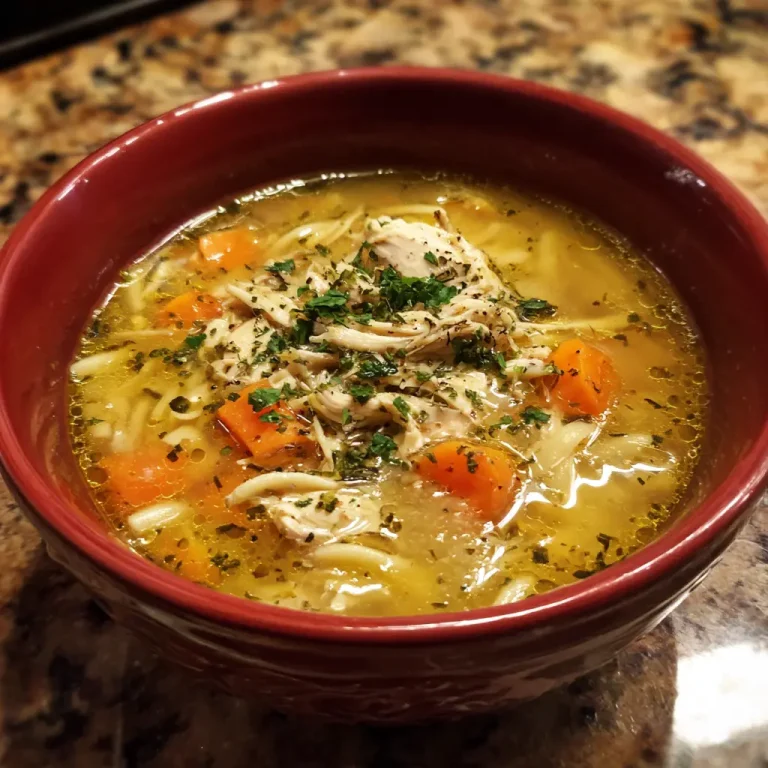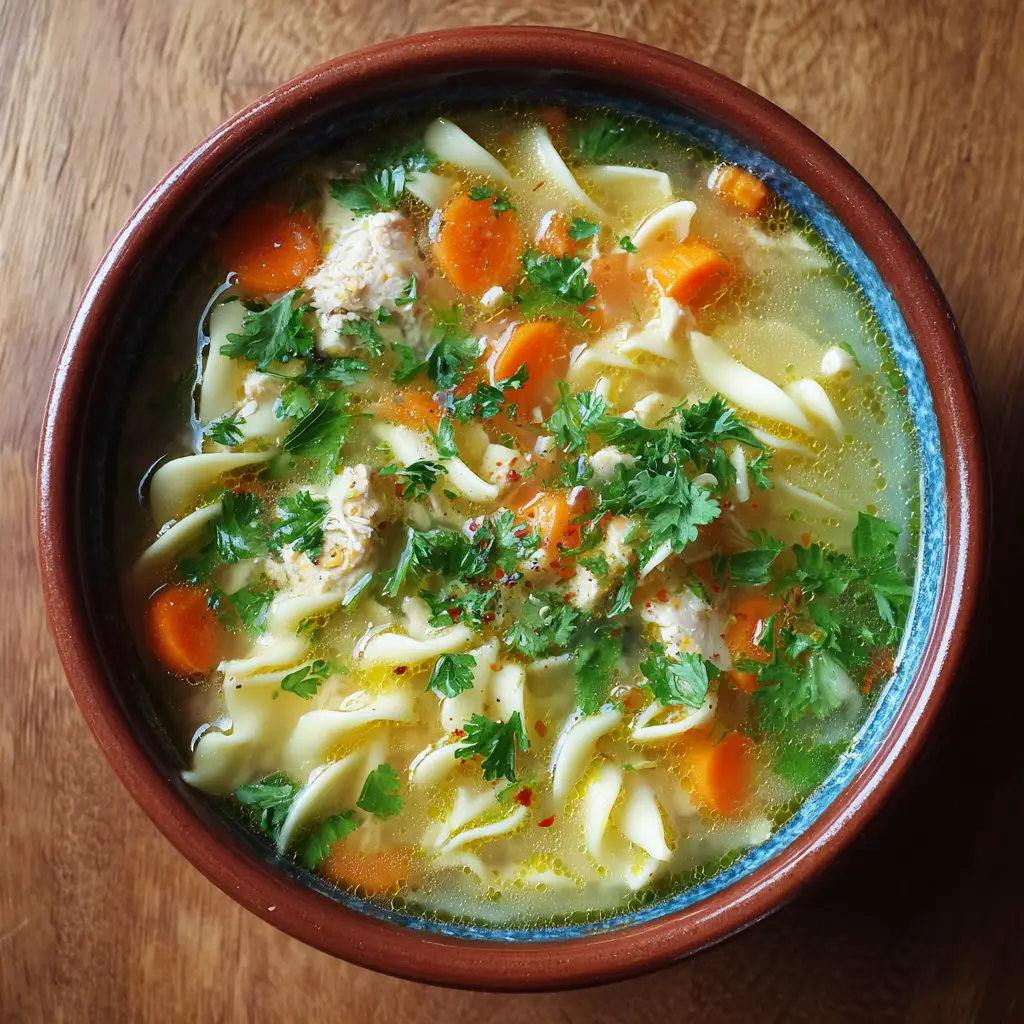
Chicken Noodle Soup Homemade Easy Comfort Recipe Guide
Comfort lives in a bowl of chicken noodle soup homemade and many kitchens return to it again and again for good reason.
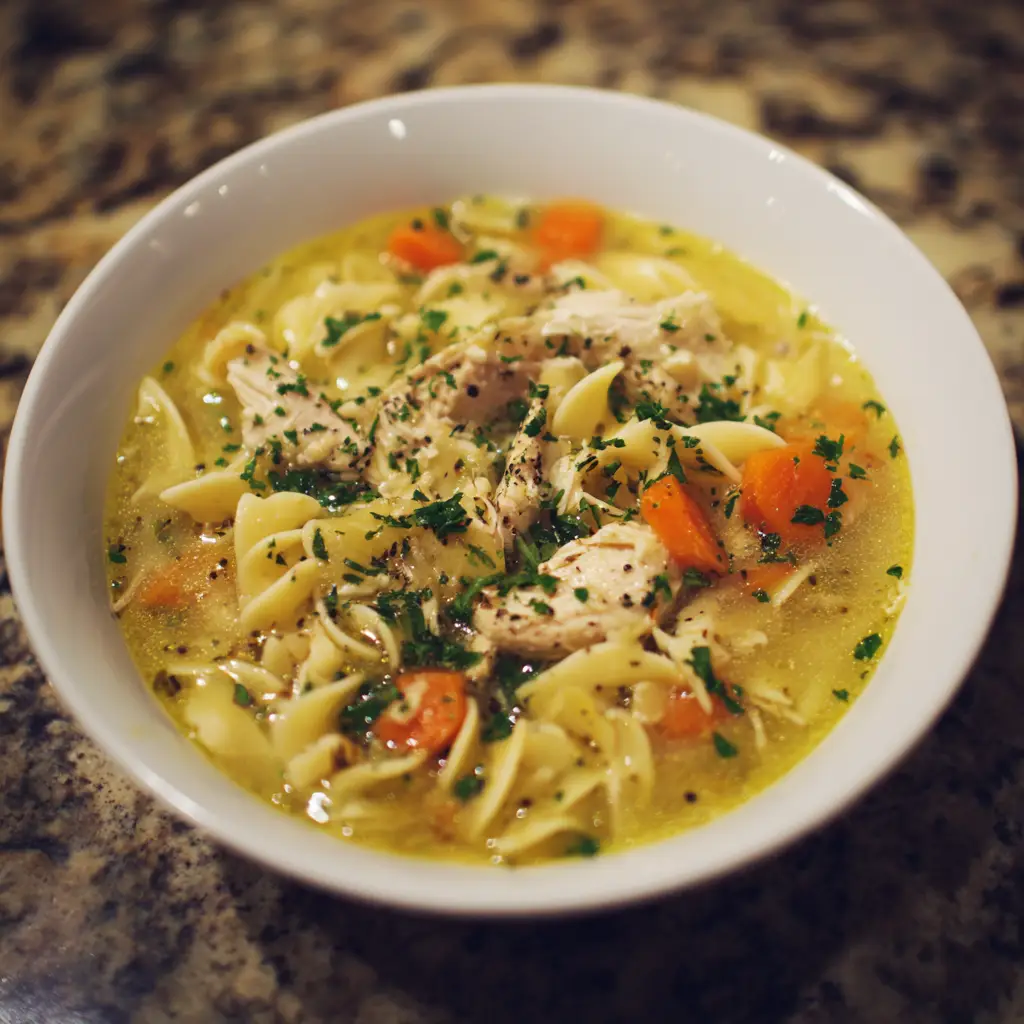
Warm broth fills the air with gentle aroma while tender chicken and soft noodles bring a sense of calm with every bite. Memories of family meals often begin with a pot simmering on the stove. Long afternoons. Quiet evenings. The beauty of chicken noodle soup homemade comes from its simplicity and deep flavor that develops slowly over time. No rushed process can replace the patience that transforms basic ingredients into a nourishing meal.
Ingredients Needed
Quality ingredients form the foundation of chicken noodle soup homemade. Fresh produce and well sourced chicken bring depth to the broth while simple seasonings allow natural flavors to shine. The table below lists essential ingredients along with approximate calorie values per serving portion used in the recipe.
| Ingredient | Quantity | Approximate Calories |
|---|---|---|
| Chicken breast or thighs | 500 grams | 825 |
| Carrots | 2 medium | 50 |
| Celery stalks | 2 stalks | 20 |
| Onion | 1 large | 60 |
| Garlic cloves | 3 cloves | 15 |
| Olive oil | 1 tablespoon | 120 |
| Chicken broth | 8 cups | 80 |
| Egg noodles | 2 cups | 400 |
| Fresh parsley | 2 tablespoons | 5 |
| Salt | To taste | 0 |
| Black pepper | To taste | 0 |
Calorie values vary based on portion size and ingredient brands. The focus remains on balance rather than strict counting.
Step by Step Cooking Instructions
- Heat olive oil in a large pot over medium heat. Allow the oil to warm gently before adding vegetables. Add chopped onion carrots and celery. Stir often. Cook until vegetables soften and release aroma. This process builds the base flavor.
- Add minced garlic to the pot. Stir for about one minute. Garlic should bloom without browning. Overcooked garlic adds bitterness so watch closely.To try another comforting dish, see Easy Chicken Noodle Soup
- Place chicken pieces into the pot. Stir to coat with vegetables and oil. Allow chicken to cook lightly on all sides. This step seals flavor and enriches the broth.
- Pour in chicken broth. Ensure all ingredients are submerged. Increase heat until a gentle boil appears. Reduce heat to low and allow soup to simmer uncovered.
- Simmer for about thirty minutes. Chicken cooks fully during this time. Broth develops depth as ingredients mingle. Skim foam if needed to keep broth clear.
- Remove chicken from the pot. Place on a cutting board. Shred into bite sized pieces using forks or hands once cool enough to handle.
- Return shredded chicken to the pot. Stir gently. Add egg noodles. Continue simmering until noodles reach desired tenderness. Usually takes about ten minutes.
- Season soup with salt and black pepper to taste. Stir well. Taste and adjust seasoning slowly.
- Finish with fresh parsley. Turn off heat. Allow soup to rest for five minutes before serving. Resting helps flavors settle.
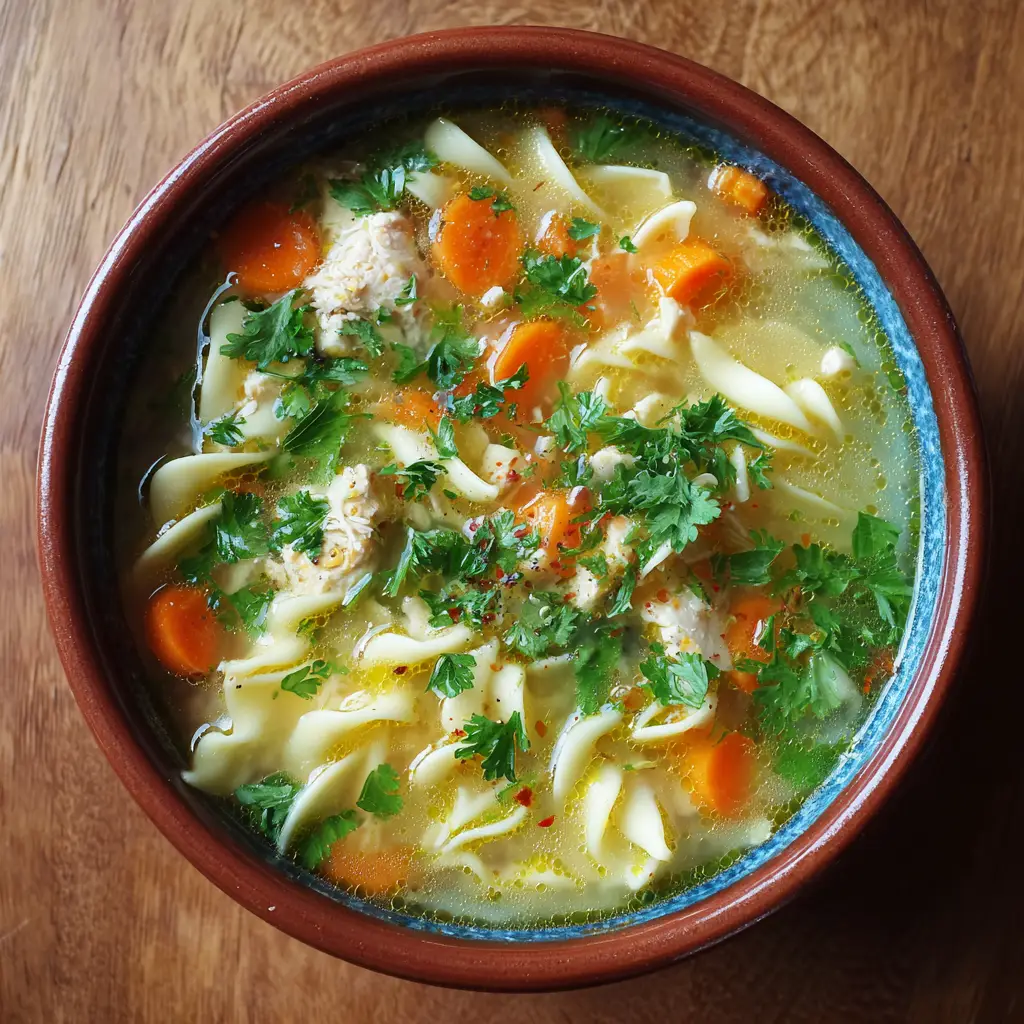
Each step contributes to the final character of chicken noodle soup homemade. Slow simmering remains the secret.
Tips for Customizing the Recipe
Chicken noodle soup homemade adapts easily to personal taste and dietary needs. Many cooks enjoy making small changes that reflect preference or season. Adding vegetables like spinach or peas increases color and nutrition. Root vegetables such as parsnips bring subtle sweetness.
Protein choice also varies. Chicken thighs add richness while chicken breast offers lean texture. Some prefer bone in chicken for deeper broth flavor. Remove bones before serving for ease.
Herbs change the aroma dramatically. Thyme bay leaf or dill can be added during simmering. Use fresh herbs when possible. Remove woody stems before serving.
Noodle choice affects texture. Wide egg noodles create a hearty bite. Thin noodles cook faster and feel lighter. Rice or pasta shapes also work for variety.
Salt control matters. Broth strength differs by brand or preparation. Season gradually and taste often. Lemon juice added at the end brightens flavor without overpowering.
For thicker soup reduce broth slightly or allow noodles to absorb more liquid. For lighter soup add extra broth before serving. Chicken noodle soup homemade thrives on flexibility.
Nutritional Information
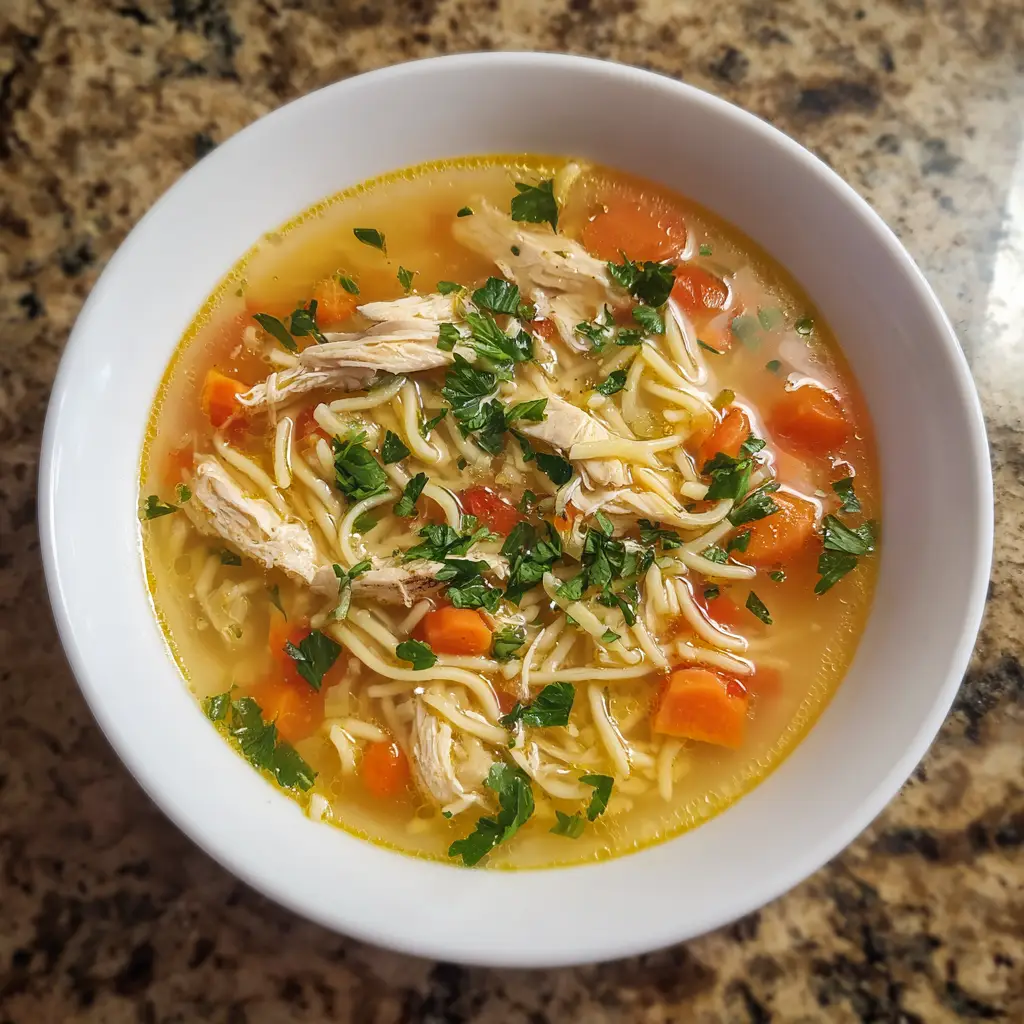
Chicken noodle soup homemade offers balanced nutrition in every serving. Protein from chicken supports muscle health. Carbohydrates from noodles provide energy. Vegetables contribute vitamins minerals and fiber.
A typical bowl contains approximately three hundred to four hundred calories depending on portion size. Fat remains moderate especially when using lean chicken. Sodium level stays manageable when seasoning carefully.
Broth provides hydration which supports digestion and immune function. Warm liquids may help soothe throat irritation during cold seasons. Homemade preparation avoids preservatives often found in packaged soups.
Fiber content improves with added vegetables. Vitamins such as vitamin A from carrots and vitamin C from parsley enhance overall value. Chicken noodle soup homemade nourishes without heaviness.
Serving Suggestions
Serve chicken noodle soup homemade hot in deep bowls. Pair with crusty bread for dipping. Whole grain bread adds texture and complements the broth.
Side salads bring freshness and contrast. Simple greens with light dressing work well. Crackers provide crunch and convenience.
Garnish bowls with extra parsley or freshly ground black pepper. A squeeze of lemon adds brightness. Serve as a main meal or starter depending on portion size.
Soup stores well in the refrigerator for several days. Reheat gently to preserve texture. Add a splash of broth when reheating to maintain consistency.
Chicken noodle soup homemade often tastes better the next day as flavors deepen.
Chicken Noodle Soup Homemade Easy Comfort Recipe Guide
Course: Blog4
servings15
minutes45
minutes350
kcalIngredients
Chicken breast or chicken thighs 500 grams
Olive oil 1 tablespoon
Onion 1 large chopped
Carrots 2 medium sliced
Celery 2 stalks chopped
Garlic cloves 3 minced
Chicken broth 8 cups
Directions
- Heat olive oil in a large pot over medium heat. Add chopped onion carrots and celery. Cook slowly while stirring until vegetables soften and release aroma.
- Add minced garlic and stir for one minute. Avoid browning the garlic to keep flavor gentle.
- Place chicken into the pot. Stir well so the chicken is coated with vegetables and oil. Cook lightly on all sides.
- Pour in chicken broth and bring to a gentle boil. Reduce heat to low and let the soup simmer uncovered for about thirty minutes.
Recipe Video
Notes
- For richer flavor use chicken thighs or bone in chicken.
Add more broth when reheating as noodles absorb liquid.
Fresh herbs like thyme or dill can be added for variation.
Store leftovers in the refrigerator for up to four days.
Frequently Asked Questions
How long does chicken noodle soup homemade last in the refrigerator
Properly stored soup lasts three to four days in an airtight container. Reheat only the portion needed to maintain quality.
Can chicken noodle soup homemade be frozen
Yes soup freezes well without noodles. Freeze broth chicken and vegetables separately. Add fresh noodles during reheating for best texture.
What is the best chicken cut for soup
Both chicken breast and thighs work well. Thighs add richness while breast offers lean texture. Bone in options deepen broth flavor.
How can I make the soup more flavorful
Slow simmering and fresh herbs enhance flavor. Roasting vegetables lightly before adding also boosts depth.
Is chicken noodle soup homemade good during illness
Warm broth hydration and gentle ingredients make it comforting. Many people find it soothing during colds.
Conclusion
Chicken noodle soup homemade continues to hold a special place in kitchens around the world. The process invites patience and care while rewarding cooks with deep flavor and nourishment. Each bowl reflects intention and warmth. Cooking from scratch allows full control and creativity. Small adjustments personalize the experience and keep the recipe exciting.