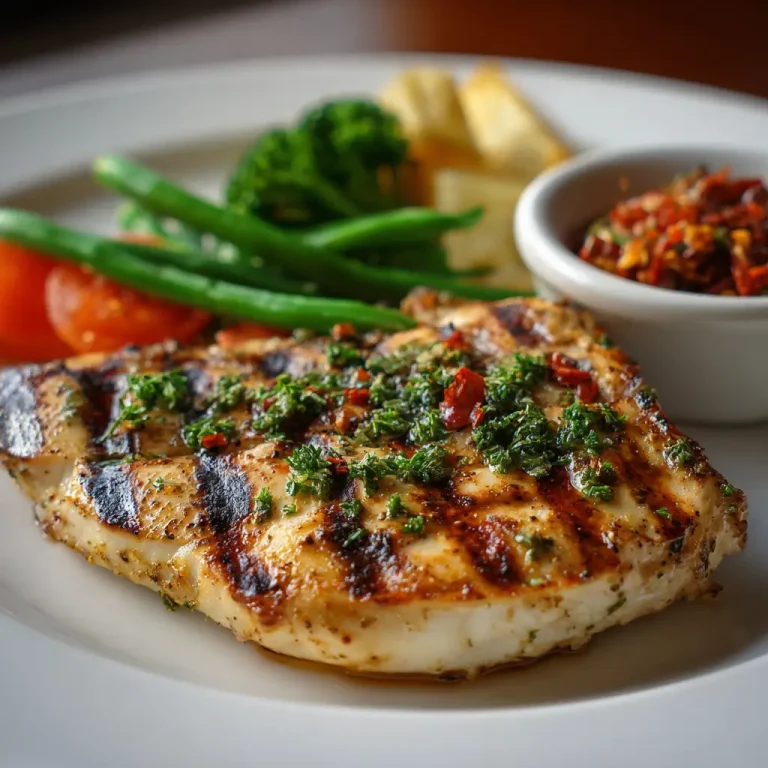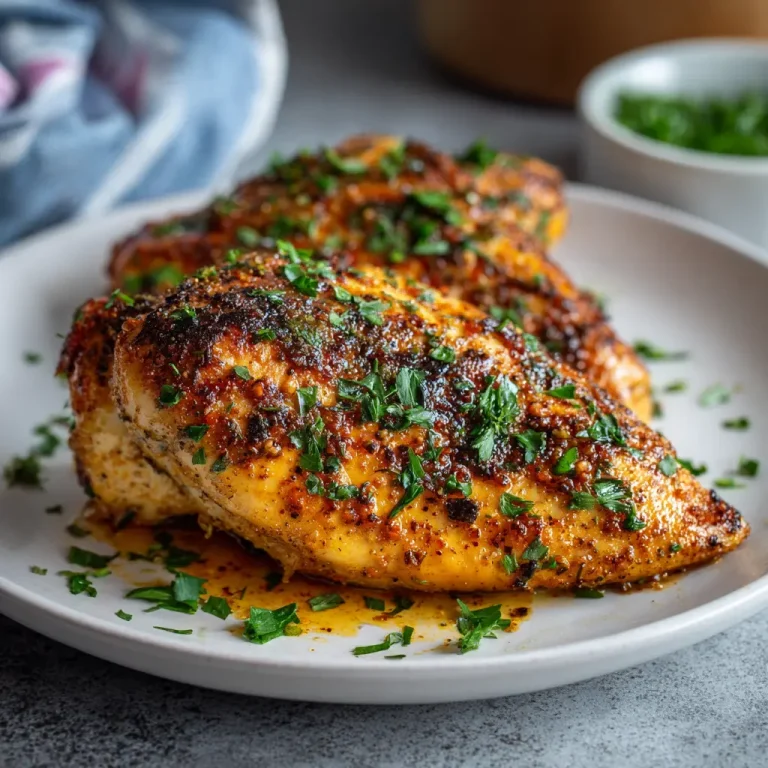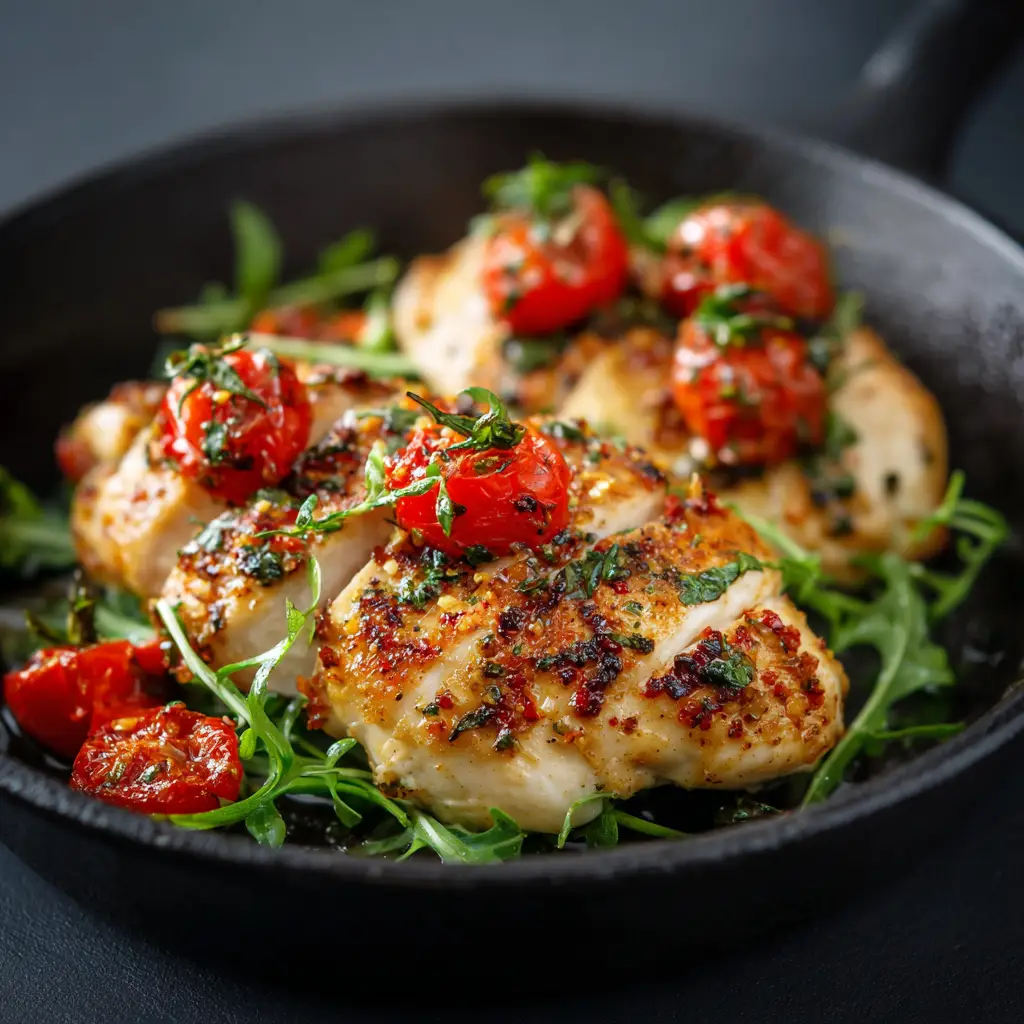
Chicken Breast Recipes Easy Healthy and Delicious Meal Ideas
Chicken breast recipes continue to rank among the most searched home cooking topics for good reason.
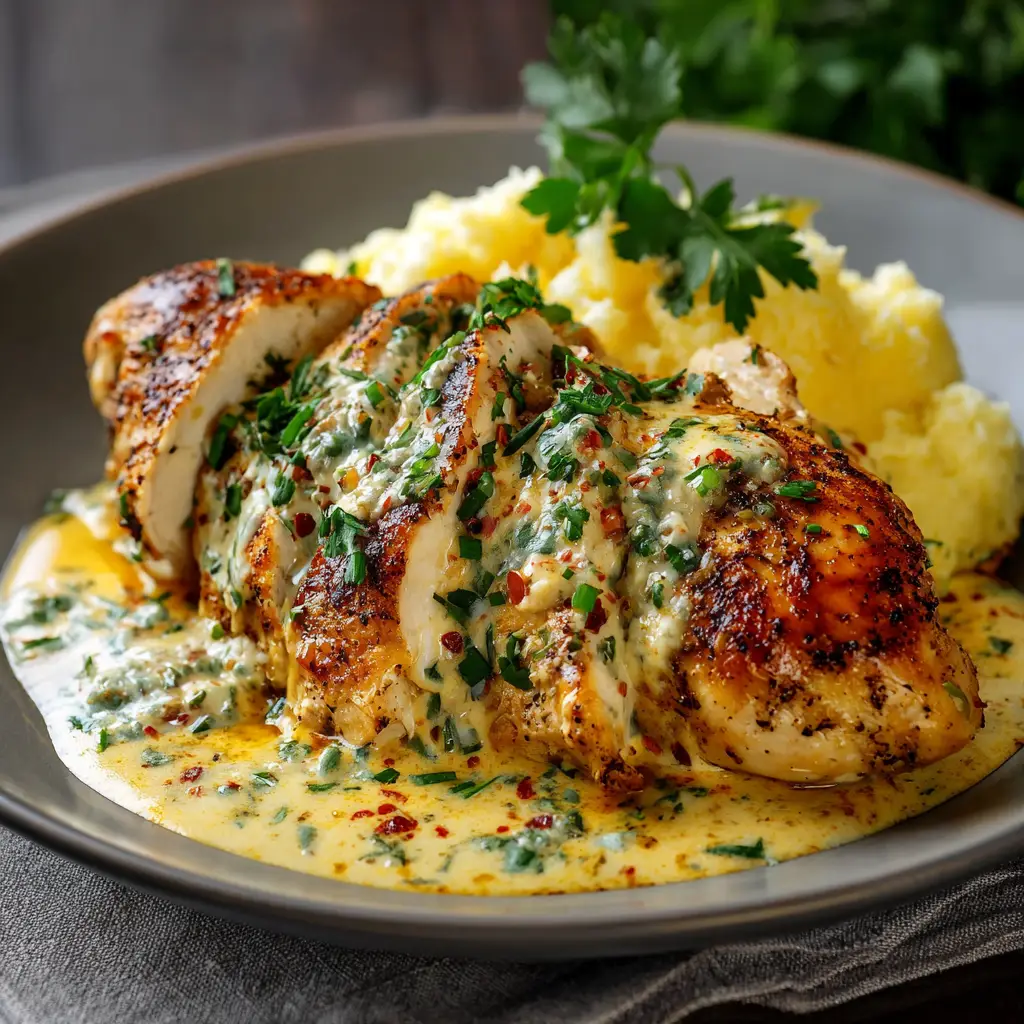
Home cooks love chicken breast because it adapts easily to many flavors. Busy families rely on it for quick meals. Fitness focused eaters choose it for lean protein. Comfort food fans appreciate how easily it absorbs seasoning and sauce. Each kitchen has room for at least one dependable chicken breast dish that works any night of the week.
Ingredients Needed
Below is a clear list of ingredients commonly used for a flavorful chicken breast recipe. Calorie values are approximate and based on one serving.
| Ingredient | Quantity | Approximate Calories |
| Olive oil | Two tablespoons | Two hundred forty |
| Boneless skinless chicken breast | Four medium pieces | Six hundred eighty |
| Garlic cloves | Three cloves | Twelve |
| Onion | One medium | Forty five |
| Paprika | One teaspoon | Six |
| Black pepper | Half teaspoon | Three |
| Salt | One teaspoon | Zero |
| Dried oregano | One teaspoon | Five |
| Lemon juice | Two tablespoons | Eight |
| Fresh parsley | Two tablespoons | Two |
These ingredients focus on flavor without excess calories. Most kitchens already have them on hand. Substitutions remain easy based on preference or availability.
Step by Step Cooking Instructions
Start by preparing the chicken breast. Remove the chicken from the refrigerator about fifteen minutes before cooking. This allows even cooking. Pat each piece dry using a clean towel. Moisture on the surface can prevent proper browning.
Season both sides generously with salt black pepper paprika and dried oregano. Press the seasoning gently into the meat. Allow the chicken to rest for a few minutes. This step helps the flavor penetrate the surface and improves texture.For more insights on this topic and Baked BBQ Chicken Breast-], make sure to check out our other recipe.
Heat a large skillet over medium heat. Add olive oil and let it warm until it shimmers. Avoid overheating the oil. Gentle heat ensures the chicken cooks evenly without burning.
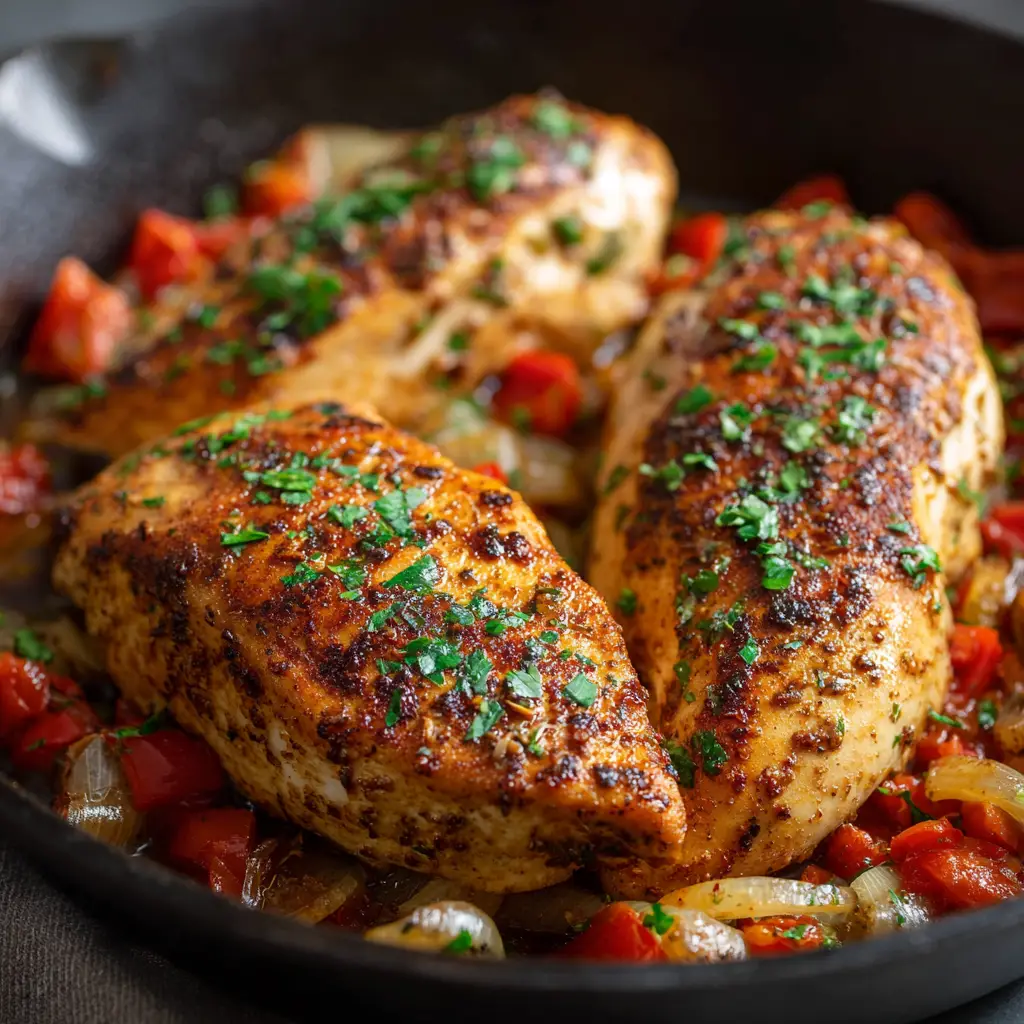
Place the chicken breasts into the skillet. Do not overcrowd the pan. Space allows proper browning. Cook the first side for about six minutes. The surface should turn golden brown. Avoid moving the chicken during this stage.
Flip the chicken carefully using tongs. Lower the heat slightly. Add minced garlic and sliced onion to the pan. Stir them gently around the chicken. Their aroma will develop quickly.
Squeeze fresh lemon juice over the chicken. The acidity brightens the flavor and balances the richness. Cover the skillet loosely. Cook for another six to eight minutes until the chicken reaches a safe internal temperature.
Remove the skillet from heat. Let the chicken rest in the pan for five minutes. Resting allows juices to redistribute throughout the meat. This step prevents dryness.
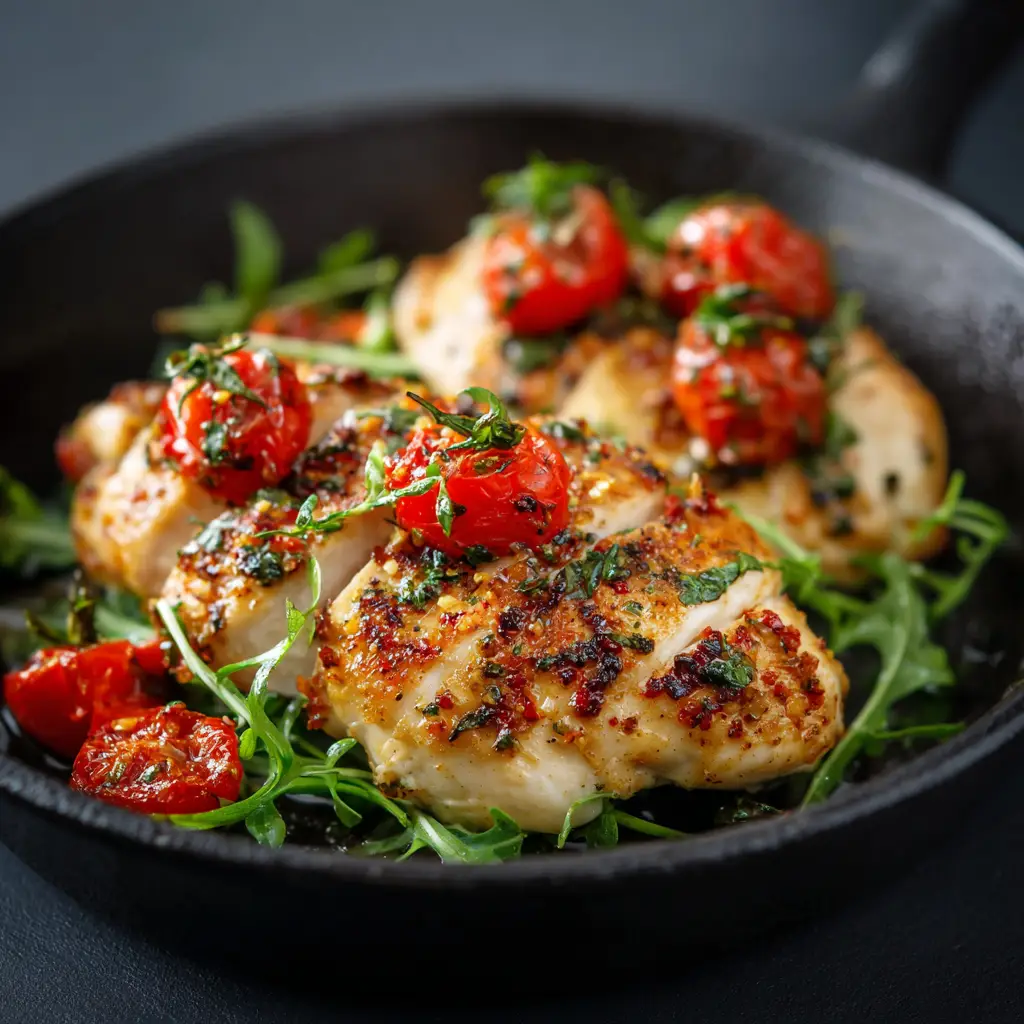
Sprinkle chopped fresh parsley over the chicken before serving. The color and freshness enhance presentation and taste.
Tips for Customizing the Recipe
Customization transforms a simple chicken breast recipe into a signature dish. Small changes can create entirely new flavor profiles. Spices provide the easiest adjustment. Smoked paprika adds depth. Cumin introduces warmth. Italian seasoning brings herbal notes. Curry powder offers bold complexity.
Marinades enhance moisture and flavor. A mixture of yogurt garlic and spices tenderizes the meat beautifully. Citrus based marinades add brightness. Honey and mustard create sweet and savory contrast. Always marinate in the refrigerator for food safety.
Cooking methods also vary. Baking works well for hands off preparation. Grilling adds smoky character. Air frying creates crisp edges with minimal oil. Each method suits different occasions and preferences.
Texture adjustments matter too. Pounding the chicken lightly ensures even thickness. Slicing the breast horizontally creates cutlets that cook faster. Stuffing with vegetables or cheese adds richness and visual appeal.
Sauces bring personality to the dish. Tomato based sauces feel comforting. Creamy sauces add indulgence. Light pan sauces using broth and herbs keep calories in check. A simple drizzle of olive oil and lemon can be enough.
Side pairings influence customization. Serve with grains for heartiness. Pair with salads for freshness. Combine with roasted vegetables for balance. Each combination creates a new dining experience.
Nutritional Information
Chicken breast stands out for its nutritional value. It provides high protein with relatively low fat. One medium chicken breast contains about one hundred seventy calories. Protein content averages thirty one grams per serving. Fat remains minimal especially when skinless.
Olive oil contributes healthy fats that support heart health. Garlic and onion offer antioxidants and immune support. Herbs and spices add micronutrients without significant calories.
This recipe fits many dietary goals. It works for weight management muscle building and balanced eating plans. Sodium levels remain adjustable by controlling salt quantity. Carbohydrate content stays low making it suitable for low carb lifestyles.
Portion control matters. Pairing chicken with vegetables increases volume without excessive calories. Whole grains add fiber and sustained energy when desired.
Serving Suggestions
Serving chicken breast creatively keeps meals exciting. Slice the chicken and serve over mixed greens with a light vinaigrette. Add cherry tomatoes cucumber and avocado for texture.
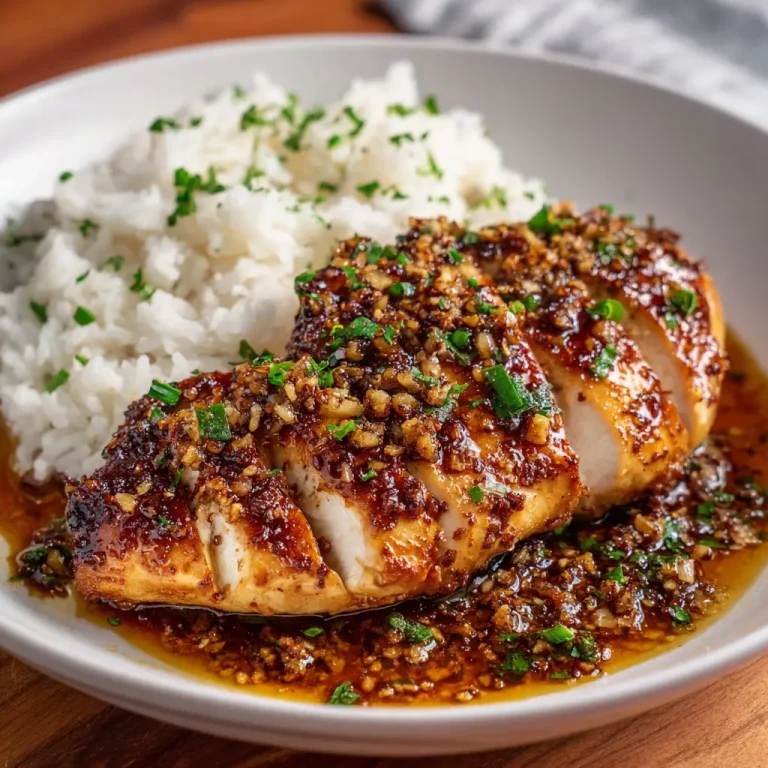
Serve alongside roasted potatoes or sweet potatoes for comfort. A side of steamed rice or quinoa adds substance. Grilled vegetables complement the flavors well.
Use leftovers for sandwiches wraps or grain bowls. Thin slices fit perfectly into lunch boxes. Add hummus or yogurt sauce for moisture.
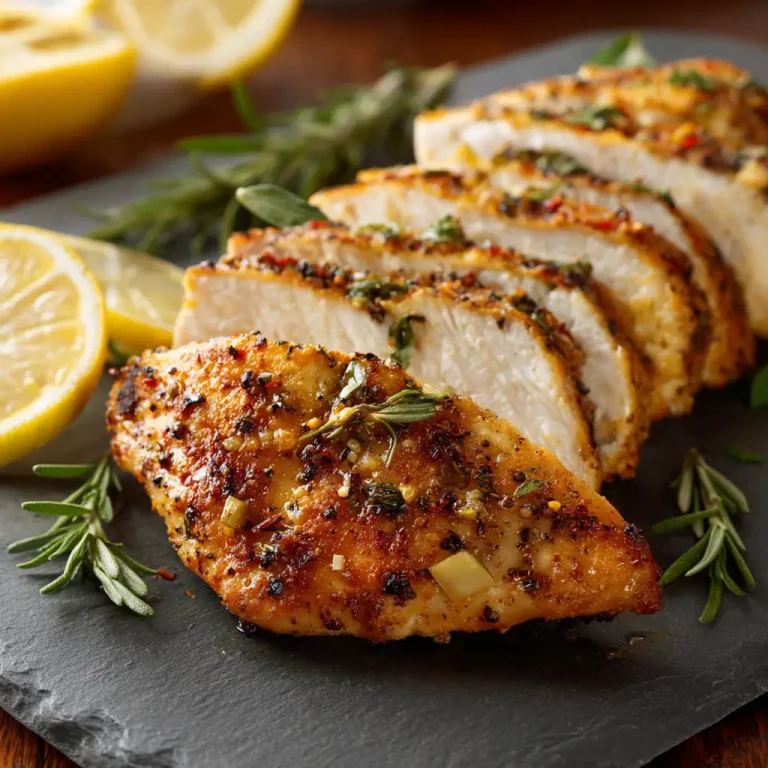
Serve the chicken as a main course during gatherings. Arrange slices on a platter with lemon wedges and herbs. Guests appreciate both appearance and taste.
Pair with soups or light starters for complete meals. Chicken breast works well across seasons and occasions.
Chicken Breast Recipes Easy Healthy and Delicious Meal Ideas
Course: Blog4
servings10
minutes20
minutes350
kcalIngredients
4 boneless skinless chicken breasts
2 tablespoons olive oil
3 garlic cloves minced
1 medium onion sliced
1 teaspoon paprika
1 teaspoon dried oregano
1 teaspoon salt
Directions
- Remove the chicken breasts from the refrigerator and allow them to rest at room temperature for about fifteen minutes. Pat them dry with a paper towel.
- Season both sides of the chicken with salt black pepper paprika and dried oregano. Press the seasoning gently into the meat.
- Heat olive oil in a large skillet over medium heat. Once the oil is warm place the chicken breasts in the pan without overcrowding.
- Cook the chicken for about six minutes on the first side until golden brown. Turn the chicken carefully using tongs.
Recipe Video
Notes
- For best results avoid overcooking the chicken as this can cause dryness. Using a meat thermometer ensures perfect doneness. The chicken can be stored in an airtight container in the refrigerator for up to three days. This recipe is easy to customize with different herbs spices or sauces depending on personal taste.
Frequently Asked Questions
How do I keep chicken breast from drying out during cooking
Maintaining moderate heat and avoiding overcooking helps most. Resting the chicken after cooking also preserves moisture. Using a marinade or light sauce adds extra protection.
Can this recipe be prepared ahead of time
Yes the chicken can be cooked in advance and stored in the refrigerator for up to three days. Reheat gently to avoid dryness. Adding a splash of broth during reheating helps.
Is chicken breast suitable for meal prep
Chicken breast works very well for meal prep. It stores easily and pairs with many sides. Seasoning variations prevent boredom throughout the week.
What internal temperature ensures safe consumption
Chicken breast should reach an internal temperature of one hundred sixty five degrees Fahrenheit. Using a food thermometer provides accuracy and confidence.
Can frozen chicken breast be used
Frozen chicken breast should be fully thawed before cooking. Thawing in the refrigerator ensures safety and even cooking results.
Conclusion
Cooking chicken breast at home builds confidence and comfort in the kitchen. Simple ingredients and thoughtful steps create meals that feel both nourishing and satisfying. A reliable chicken breast recipe becomes a trusted companion for busy days and relaxed evenings alike. Flavorful food does not require complexity.