Cheese Sauce Recipe: Easy, Creamy, and Delicious Homemade Cheese Sauce
Introduction
Cheese sauce is one of those culinary marvels that instantly transforms ordinary meals into something special. Imagine a smooth, velvety sauce made from melted cheese and creamy ingredients that coat everything from pasta to vegetables, elevating each bite with rich flavor and satisfying texture. The beauty of cheese sauce lies in its versatility. Whether drizzled over crispy fries, stirred into macaroni, or poured over steamed broccoli, it adds a comforting, indulgent touch. Beyond just taste, it brings warmth and a sense of home-cooked goodness that appeals to all ages.
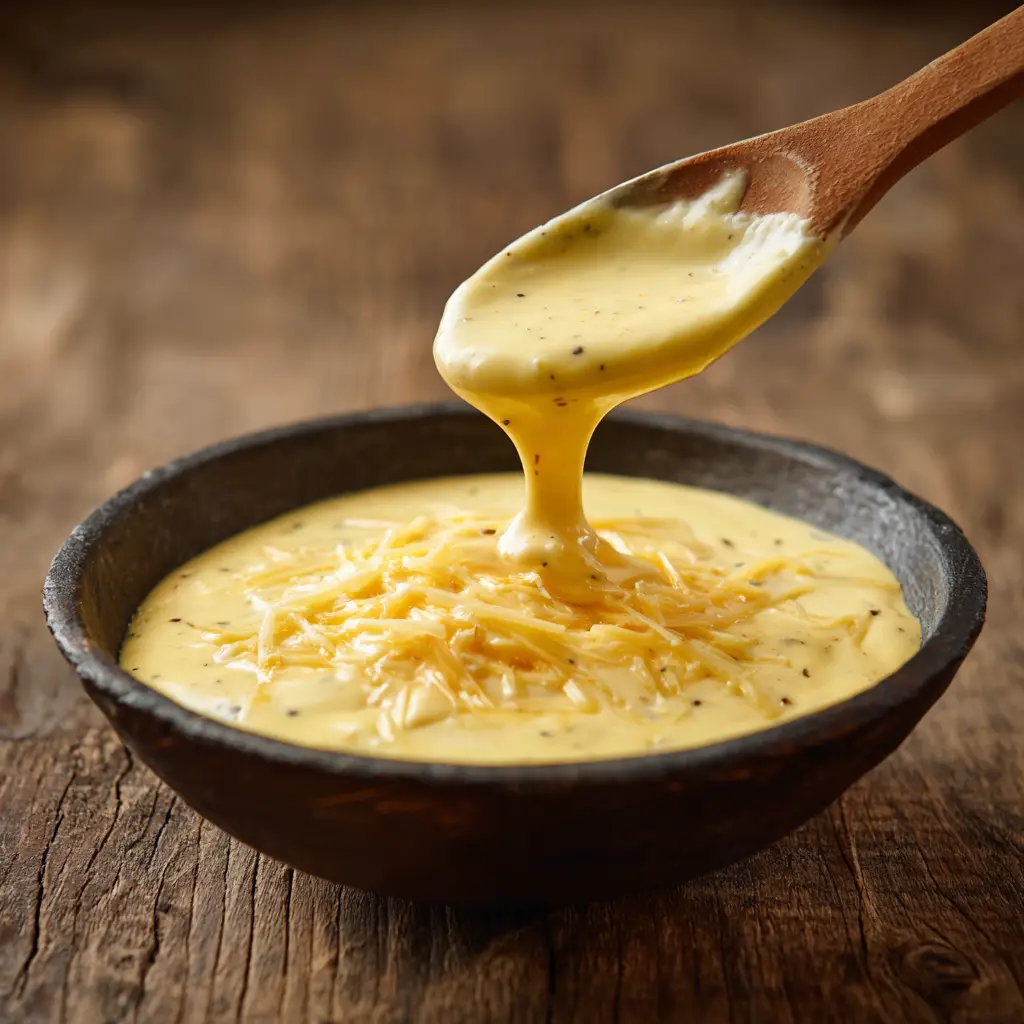
Crafting a perfect cheese sauce at home is surprisingly simple, yet the results rival even restaurant-quality versions. While some rely on packaged mixes, nothing beats a fresh sauce made from scratch where the cheese melts perfectly into a creamy base. With the right balance of ingredients and technique, you can create a sauce that is both luscious and flavorful without being overly greasy or salty. The process itself is rewarding and encourages experimentation, whether you want a mild cheddar sauce or something with a sharper bite from aged cheeses.
In this guide, you will find everything you need to master cheese sauce. From an easy ingredient list with calorie information to detailed cooking steps, plus helpful tips for customization and serving ideas that maximize enjoyment. If you love comfort food or want to add flair to your meals, learning to make cheese sauce from scratch is an excellent skill to have in your kitchen repertoire.
Ingredients Needed
The following table lists the essential ingredients for a classic cheese sauce, alongside their approximate calorie counts per serving. Using quality ingredients ensures the best taste and texture.
| Ingredient | Quantity | Calories (approximate) |
|---|---|---|
| Unsalted butter | 2 tablespoons | 204 |
| All-purpose flour | 2 tablespoons | 57 |
| Whole milk | 1 cup | 150 |
| Sharp cheddar cheese | 1 cup shredded | 455 |
| Salt | 1/2 teaspoon | 0 |
| Black pepper | 1/4 teaspoon | 2 |
| Mustard powder | 1/4 teaspoon | 6 |
These ingredients combine to create a smooth, creamy base with the perfect cheesy punch. Butter and flour form a roux that thickens the milk, while the cheddar adds flavor and richness. Salt and pepper enhance the taste, and mustard powder gives a subtle depth that cuts through the creaminess.
Step-by-Step Cooking Instructions
Mastering cheese sauce is about patience and gentle heat. Follow these steps to achieve a silky texture and well-balanced flavor.
- Melt the Butter
Begin by melting the butter in a medium saucepan over medium heat. Allow it to fully liquefy but avoid browning it. - Add the Flour
Sprinkle the flour over the melted butter, stirring constantly with a whisk. Cook this mixture, known as a roux, for about two minutes to remove the raw flour taste. It should become slightly golden but not dark. - Pour in the Milk
Slowly add the milk to the roux, whisking continuously to prevent lumps. Continue stirring until the mixture thickens and comes to a gentle simmer. This can take five to seven minutes. - Add Seasonings
Stir in salt, black pepper, and mustard powder. These small touches bring balance and complexity to the sauce.This recipe goes hand-in-hand with Mozzarella Cheese_ for a perfect combo. - Incorporate the Cheese
Remove the saucepan from heat and add the shredded cheddar cheese gradually. Stir gently until the cheese melts and the sauce becomes smooth. Avoid overheating at this stage to prevent the cheese from clumping. - Adjust Consistency
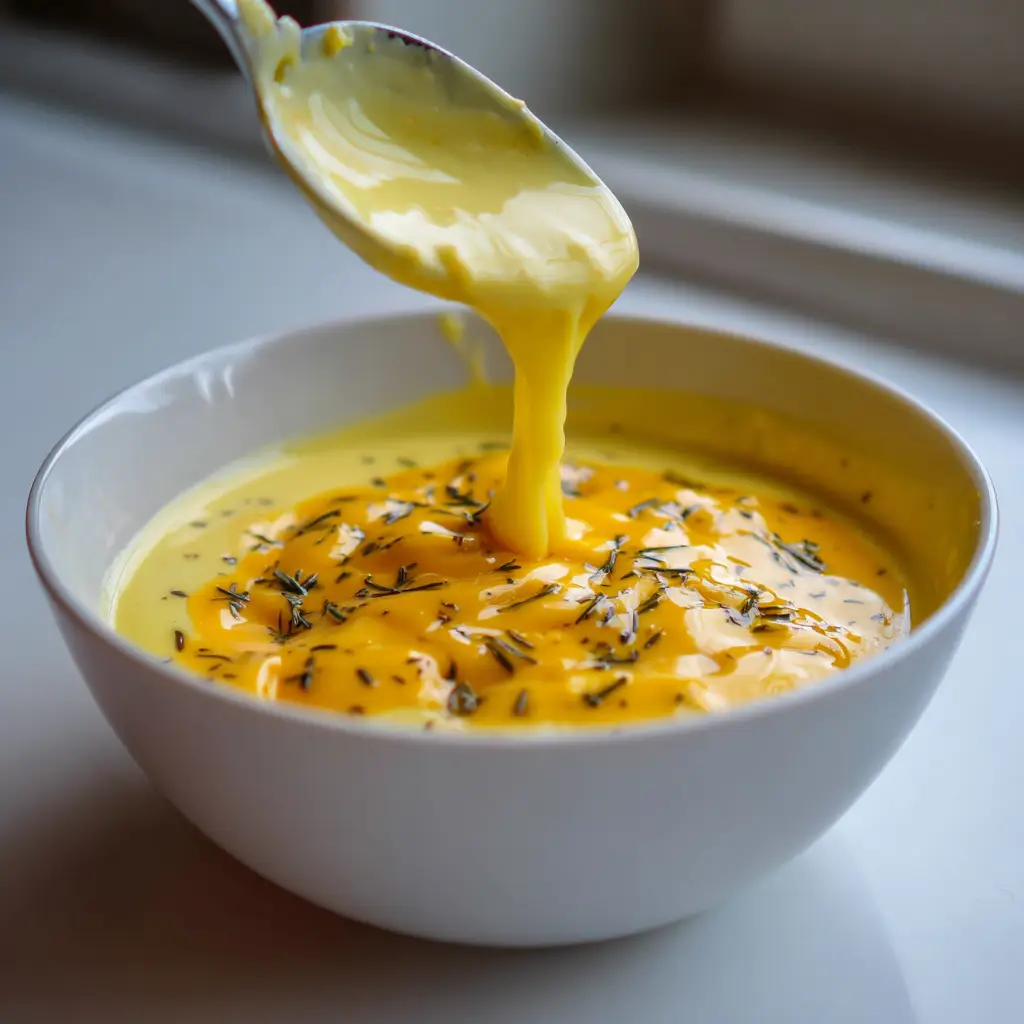
If the sauce is too thick, add a splash of milk and stir until you reach the desired consistency. For a thicker sauce, cook a little longer on low heat. - Serve Immediately
Cheese sauce is best enjoyed fresh while warm and creamy.
Tips for Customizing the Recipe
Cheese sauce lends itself to many variations depending on your preferences or what ingredients you have on hand.
Nutritional Information
Understanding the nutritional content of cheese sauce helps manage dietary goals while enjoying this indulgence.
A typical serving size of cheese sauce (approximately 1/4 cup) contains:
Because cheese sauce is calorie-dense, portion control is key. Opt for lighter milk or reduced-fat cheese to reduce calories and fat without sacrificing too much flavor.
Serving Suggestions
Cheese sauce can enhance countless dishes, making it a kitchen staple for many households.
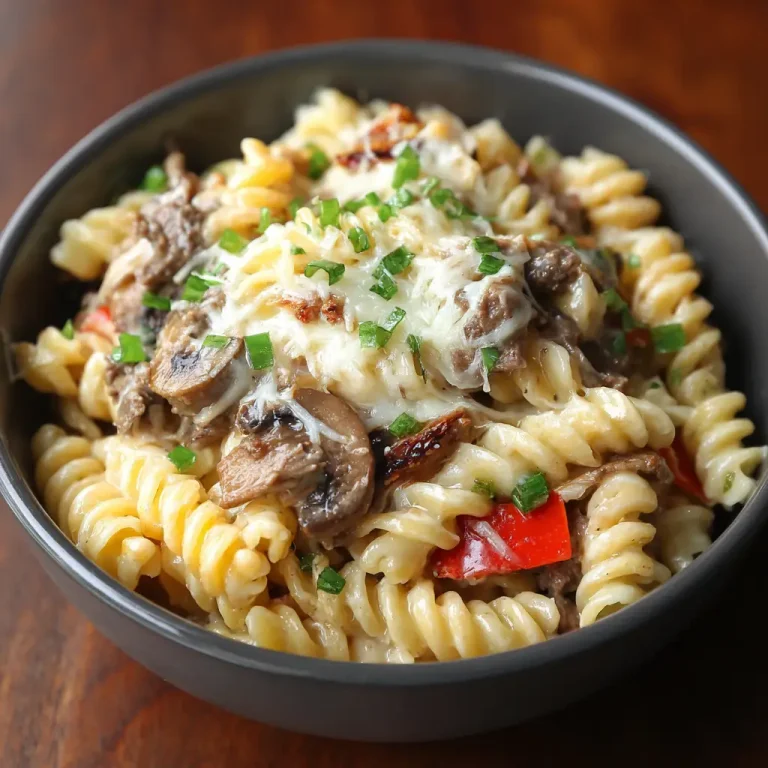
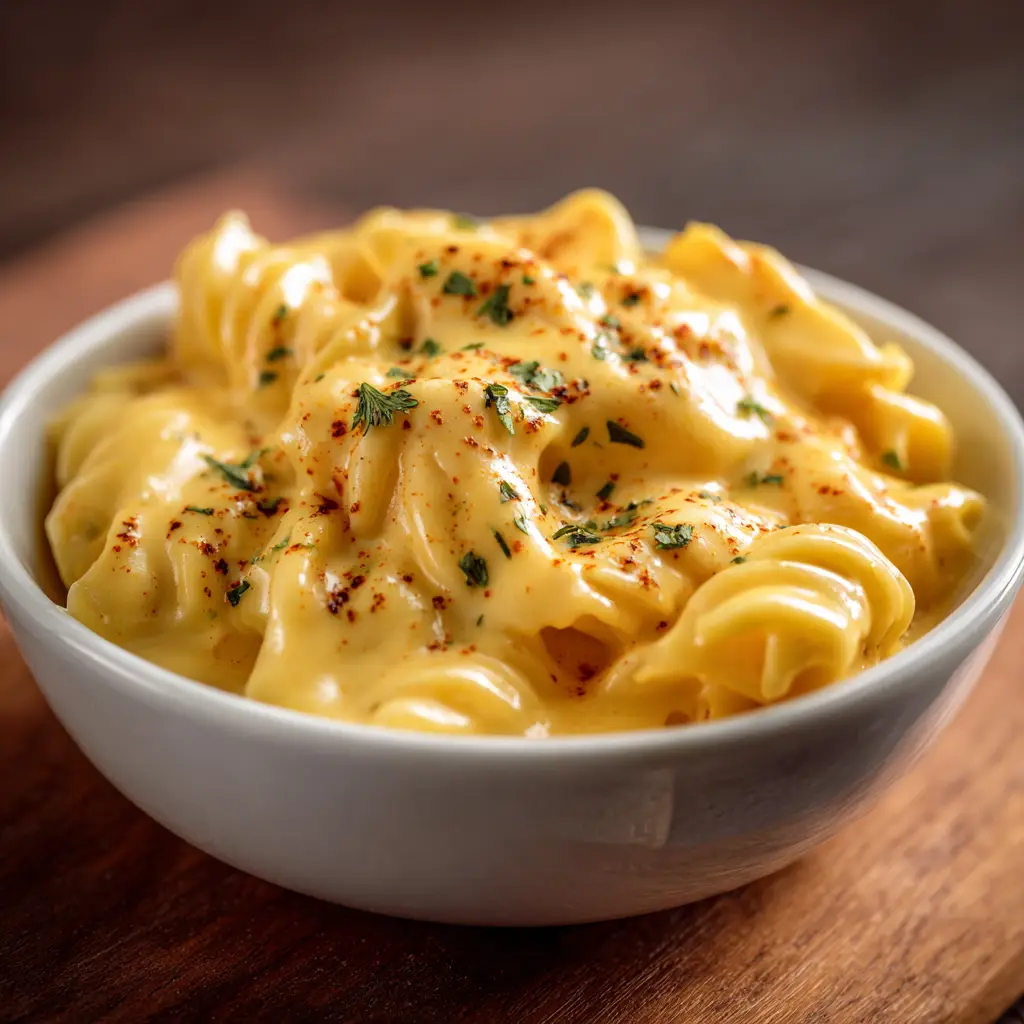
- Pasta: Pour over cooked macaroni, penne, or vegetables for a classic macaroni and cheese experience.
- Vegetables: Steam broccoli, cauliflower, or asparagus and drizzle cheese sauce on top for a quick side dish.
- Potatoes: Use as a dip for baked or roasted potatoes, or layer into a casserole.
- Nachos: Drizzle over tortilla chips and top with jalapeños, olives, and tomatoes for a delicious snack.
- Eggs: Serve alongside scrambled eggs or omelets to add creaminess.
- Sandwiches: Add to grilled cheese or melt into burgers for extra richness.
Keeping cheese sauce warm is crucial for serving. Use a double boiler or keep it on low heat with frequent stirring to avoid separation or crust formation.
Cheese Sauce Recipe: Easy, Creamy, and Delicious Homemade Cheese Sauce
Course: Blog4
servings5
minutes15
minutes200
kcalIngredients
2 tablespoons unsalted butter
2 tablespoons all-purpose flour
1 cup whole milk
1 cup shredded sharp cheddar cheese
1/2 teaspoon salt
1/4 teaspoon black pepper
1/4 teaspoon mustard powder
Directions
- Melt the butter in a medium saucepan over medium heat.
- Add the flour and whisk constantly, cooking for about 2 minutes until lightly golden.
- Slowly pour in the milk while whisking to avoid lumps.
- Continue stirring until the mixture thickens and simmers gently, about 5 to 7 minutes.
- Stir in salt, black pepper, and mustard powder.
Recipe Video
Notes
- Use whole milk for a creamier texture, or substitute with half-and-half for extra richness.
Avoid overheating once cheese is added to prevent graininess.
This sauce pairs well with pasta, vegetables, baked potatoes, and more.
Frequently Asked Questions (FAQs)
What is the best cheese for cheese sauce?
Sharp cheddar is the most popular due to its flavor and melting quality, but gouda, Monterey Jack, or Gruyere are excellent choices depending on your taste preferences.
Can I make cheese sauce ahead of time?
Yes, but it’s best to store it in an airtight container and gently reheat on low heat with a splash of milk to restore creaminess before serving.
How do I prevent cheese sauce from becoming grainy?
Avoid overheating once the cheese is added. Stir gently and remove the sauce from heat immediately after the cheese melts.
Can I freeze cheese sauce?
Freezing is not recommended as the texture often becomes grainy or separated upon thawing. Fresh is best.
Is cheese sauce gluten-free?
Traditional cheese sauce uses flour as a thickener, which contains gluten. Substitute with cornstarch or gluten-free flour to make it gluten-free.
Conclusion
A homemade cheese sauce is more than just a topping; it’s a versatile and delicious addition that brings warmth and comfort to any meal. Taking the time to prepare it from scratch unlocks endless possibilities in flavor and texture, making every dish feel a little more special. Whether you stick to the classic cheddar or explore variations with different cheeses and spices, the result is always satisfying. The richness combined with creamy smoothness creates a perfect balance that complements many foods