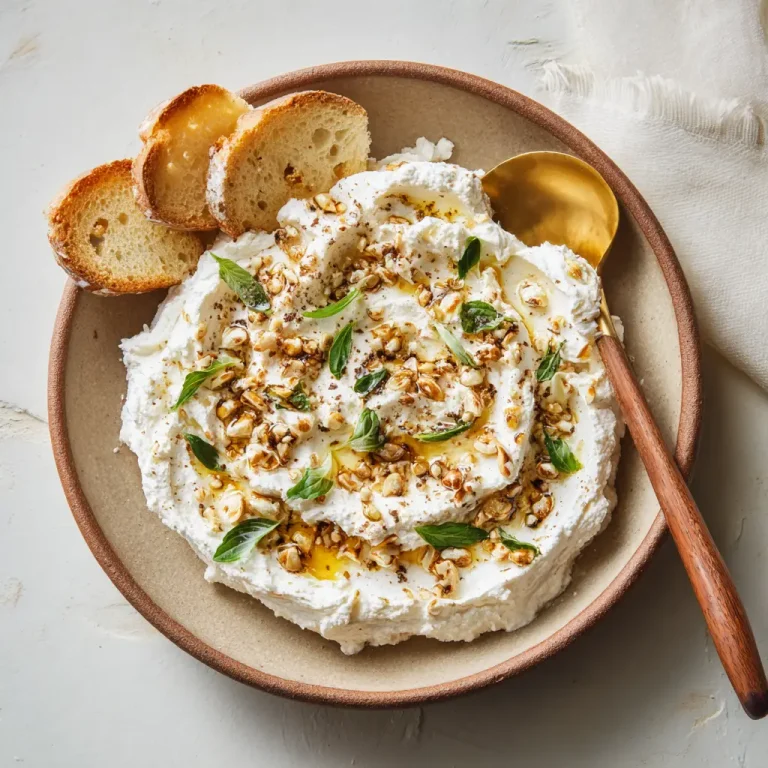
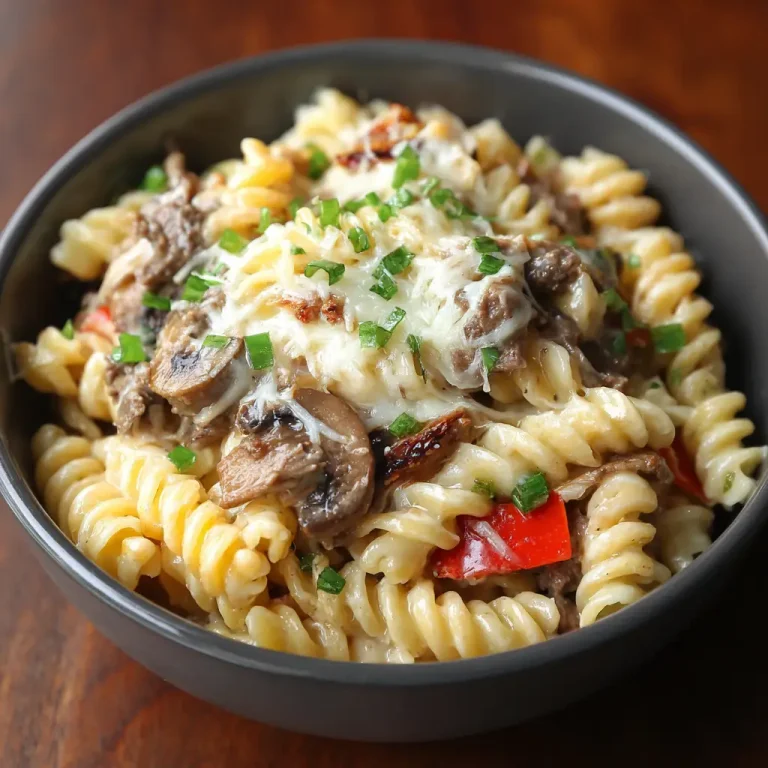
Cheese Pasta Recipe – Easy, Creamy, and Delicious Comfort Food
Introduction
Cheese pasta has earned a place in kitchens around the world for one reason — it is the perfect combination of simplicity and indulgence. Whether you are cooking for one after a long day at work or preparing a hearty meal for your family, cheese pasta is a dish that never disappoints. The warm, creamy texture mixed with the bold flavor of cheese makes it more than just a quick fix. It becomes a ritual.
What makes cheese pasta stand out among other dishes is the ability to customize it endlessly. From the types of cheese used to the kind of pasta you prefer, you are in full control of the final result. Some people love theirs loaded with sharp cheddar and a touch of nutmeg, while others go for a mild mozzarella blend with hints of garlic. The dish adapts to your taste, your mood, and even your pantry staples.
Whether you are a beginner cook or someone with more experience, learning how to make a rich, satisfying cheese pasta from scratch is worth the effort. And the best part? You do not need a long list of fancy ingredients or hours in the kitchen. With a few basic pantry items and some quality cheese, you can serve up a dish that feels both luxurious and comforting.
In this guide, you’ll find a straightforward, delicious cheese pasta recipe, a complete list of ingredients with calorie counts, and some helpful tips to take your dish to the next level. You will also learn how to adjust it based on dietary preferences and get ideas for how to serve it in ways that turn a simple meal into something special.
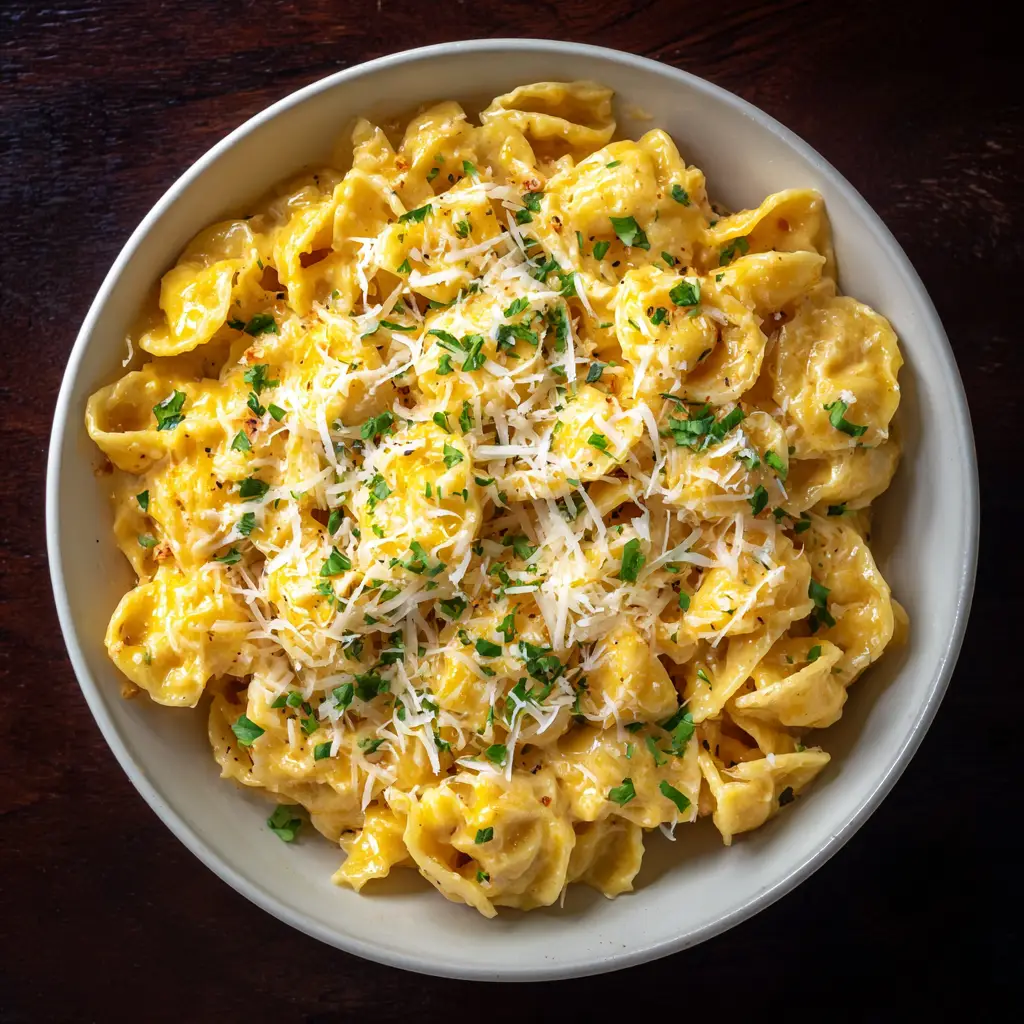
Ingredients Needed
Below is a list of the ingredients required to make a classic cheese pasta dish, along with the estimated calories per serving.
| Ingredient | Quantity | Calories |
|---|---|---|
| Pasta (penne or elbow) | 2 cups (dry) | 400 |
| Cheddar cheese (shredded) | 1 ½ cups | 480 |
| Milk (whole or 2%) | 1 cup | 150 |
| Butter | 2 tablespoons | 200 |
| All-purpose flour | 2 tablespoons | 60 |
| Salt | ½ teaspoon | 0 |
| Black pepper | ¼ teaspoon | 2 |
| Garlic powder (optional) | ¼ teaspoon | 1 |
| Nutmeg (optional) | A pinch | 1 |
Total Estimated Calories per Serving: Approximately 650 to 750 (depending on cheese and pasta used)
Step-by-Step Cooking Instructions
Step 1: Boil the Pasta
Start by boiling water in a large pot. Add a generous pinch of salt. Pour in the pasta and cook according to the package instructions until al dente. This usually takes about 8 to 10 minutes. Once done, drain the pasta but do not rinse. Set it aside.
Step 2: Make the Cheese Sauce Base
In the same pot or a separate saucepan, melt the butter over medium heat. Once it’s fully melted, add the flour and whisk constantly for about 1 to 2 minutes. This mixture forms a roux and will help thicken the cheese sauce. Avoid letting it brown.
Step 3: Add Milk and Stir
Slowly pour in the milk while whisking. Continue to stir as the mixture begins to thicken. This usually takes about 3 to 4 minutes. Make sure there are no lumps.
Step 4: Add Cheese and Seasonings
Lower the heat to medium-low. Stir in the shredded cheddar cheese gradually. Continue to stir until the cheese is fully melted and the sauce is creamy. Add salt, pepper, garlic powder, and nutmeg if using. Taste and adjust seasonings as needed.
Step 5: Combine Pasta and Sauce
Add the cooked pasta back into the pot and stir until every piece is coated in the cheesy goodness. Cook for another 2 minutes on low heat to let the flavors blend.
Step 6: Serve Hot
Plate immediately for the best texture and taste. The cheese will be melty and smooth when served warm.
Tips for Customizing the Recipe
Experiment with Cheese Blends
Try mixing cheddar with gouda, parmesan, or gruyère for a deeper flavor. If you like a stronger taste, blue cheese or smoked provolone can add complexity.
Make it Spicy
Add a pinch of red chili flakes or diced jalapeños if you prefer heat in your dishes.
Go Creamier
Swap out some of the milk for heavy cream or evaporated milk to make the sauce extra rich.
Add Protein
Grilled chicken, bacon, or even leftover rotisserie meat can be tossed in to make it a complete meal.”If you love Cheese Pasta, you should definitely try our Cheese Sandwich MLP
Incorporate Veggies
Steamed broccoli, peas, mushrooms, or spinach go well in cheese pasta and can make it more nutritious without compromising flavor.
Use Whole-Grain or Gluten-Free Pasta
If you’re following a specific diet, substitute the pasta for a version that fits your needs without losing the essence of the dish.
Nutritional Information
The following is an estimated breakdown per serving (based on a recipe serving four):
- Calories: 680
- Total Fat: 32g
- Saturated Fat: 18g
- Cholesterol: 90mg
- Sodium: 640mg
- Carbohydrates: 60g
- Fiber: 3g
- Sugars: 5g
- Protein: 25g
These values can vary depending on the specific ingredients used, such as the type of cheese or milk.
Serving Suggestions
Cheese pasta is incredibly versatile when it comes to how it’s served. For a quick lunch, pair it with a side of mixed greens and vinaigrette. If you’re planning a more filling dinner, consider serving it with garlic bread or a roasted vegetable platter.
For gatherings, you can pour the pasta into a baking dish, sprinkle with breadcrumbs, and bake at 375°F for 15 minutes to create a golden crust. This turns it into a baked mac and cheese-style dish with a satisfying crunch.
Drizzling truffle oil or topping with fresh herbs like parsley or thyme can elevate it from a comfort meal to something worthy of a dinner party.
Cheese Pasta Recipe – Easy, Creamy, and Delicious Comfort Food
Course: Blog4
servings10
minutes20
minutes680
kcalIngredients
2 cups pasta (penne, elbow, or your choice)
1 ½ cups shredded cheddar cheese
1 cup whole milk (or 2%)
2 tablespoons butter
2 tablespoons all-purpose flour
½ teaspoon salt
¼ teaspoon black pepper
¼ teaspoon garlic powder (optional)
A pinch of nutmeg (optional)
Directions
- Boil the pasta
- In a large pot, bring salted water to a boil. Add pasta and cook until al dente (about 8–10 minutes). Drain and set aside.
- Make the roux
- In a saucepan over medium heat, melt the butter. Add flour and whisk continuously for 1–2 minutes until it forms a smooth paste.
- Add milk
- Slowly pour in the milk while whisking to avoid lumps. Cook for 3–4 minutes until the mixture thickens slightly.
- Add cheese and seasonings
- Reduce heat to low. Stir in shredded cheese a little at a time until fully melted. Add salt, pepper, garlic powder, and nutmeg. Mix well.
Recipe Video
Notes
- For a creamier sauce, substitute half the milk with heavy cream. You can also mix different cheeses like mozzarella, gouda, or parmesan for added flavor. To turn this into a baked version, sprinkle breadcrumbs on top and bake at 375°F (190°C) for 15 minutes until golden.
Frequently Asked Questions
Can I make cheese pasta ahead of time?
Yes. Store it in an airtight container in the refrigerator for up to 3 days. Reheat on the stove with a splash of milk to revive the creaminess.
What kind of cheese melts best for pasta?
Cheddar, Monterey Jack, and mozzarella are great options. For extra flavor, consider combining them with parmesan or gruyère.
Is it possible to make cheese pasta without flour?
Yes. You can skip the roux and make a simple cheese sauce with just milk and cheese, though it may be slightly thinner.
How can I make this recipe vegan?
Use dairy-free cheese, plant-based butter, and non-dairy milk such as oat or almond. Make sure your pasta is egg-free as well.
Does cheese pasta freeze well?
It can be frozen, but the texture may change slightly. To freeze, cool it completely, store it in a freezer-safe container, and thaw before reheating on the stove.
What pasta shapes work best?
Short shapes like penne, elbows, shells, or fusilli are ideal because they hold onto the sauce well. Long pasta can work, but it may not coat as evenly.
Conclusion
Nothing satisfies quite like a warm bowl of cheese pasta. The beauty of this dish lies in its simplicity and the comfort it brings with every bite. Whether you stick to the classic version or add your own twist with spices, proteins, or veggies, it remains a go-to meal for any occasion. It is easy enough for weeknights yet flexible enough to serve at gatherings. With just a few ingredients and a little bit of time, you can enjoy a dish that feels like a hug in a bowl.